





EcoFlow price list
Last updated Thursday, Aug 13, 2026
Last updated Thursday, Aug 13, 2026
EcoFlow is a company known for making portable power stations, solar panels, and smart energy solutions. In the UK, where weather changes fast and power needs are growing, EcoFlow is becoming a familiar name. People buy EcoFlow products to keep devices running during blackouts, to power tools at remote sites, or to enjoy off-grid adventures without running noisy generators. But why does this brand stand out? Because it blends technology, design, and a focus on cleaner energy — all in a size you can carry.
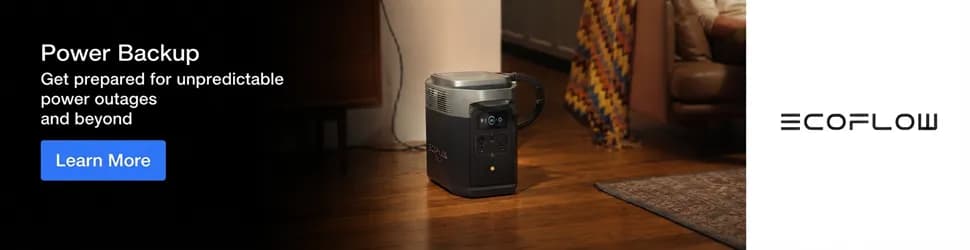
EcoFlow’s portable power stations come in many shapes and sizes. There are compact units for camping and weekend trips, mid-range models for home backup and van life, and large-capacity units that can power multiple appliances during long outages. These stations usually offer a mix of AC outlets, USB ports, and DC outputs so you can charge phones, run kettles, and power medical devices. What stands out is their fast charging — some models refill in under an hour from mains power.
Solar charging is a key part of EcoFlow’s appeal. The company sells flexible and rigid solar panels that work across their power stations. In the UK, where sunlight can be scarce, having efficient panels matters. EcoFlow panels are designed to capture good performance even in overcast conditions, and they’re easy to set up on roofs, in gardens, or on campervans. Pairing a solar panel with a power station means you can keep devices charged for days without heading back to town.
EcoFlow also offers accessories like car charging cables, extra batteries, and smart apps. These extras extend run times and improve usability. The app gives real-time monitoring, letting you see input, output, and how long a device will run. That knowledge helps you plan power use during storms or when you’re off-grid. No more guessing how much juice is left.
UK homes sometimes face unexpected power cuts from storms or grid issues. EcoFlow power stations provide a clean alternative to petrol generators. They’re quiet, emit no fumes, and start instantly. For people with sensitive electronics, or for families with children and elderly members, this reliability is a big plus. You can keep a fridge running, charge phones, or maintain heating devices with less hassle.
Britain’s countryside calls to millions. Whether you’re wild camping on Dartmoor or touring coastal roads, EcoFlow brings energy independence. Imagine brewing coffee at dawn without finding a campsite hookup, or keeping camera batteries topped up for a day of photography. Lightweight models tuck into a car trunk or a van garage and free you from noisy generators and petrol stops.
Tradespeople and small businesses in the UK can use EcoFlow to power tools and equipment at locations where mains power isn’t available. Electric drills, lights, and small power tools run smoothly from high-output stations. The quiet operation also means less disruption in residential areas. For events, market stalls, or pop-up shops, EcoFlow provides a discreet power source that keeps sales and services running.
Running petrol or diesel generators can be costly and messy. EcoFlow systems use electricity — and solar — which can be cheaper over time and cleaner for the environment. Businesses that want to show a greener face to customers can promote low-carbon operations by using battery power. That’s a simple way to reduce emissions and operational noise without sacrificing performance.
EcoFlow products are designed for easy setup. Most models come with clear instructions, and the app guides you through connection and monitoring. For solar setups, it’s often a case of placing panels where sunlight is best and plugging them into the station. If you need help, local installers and community forums provide advice specific to UK conditions, such as typical weather patterns and sun angles.
Buying from authorised UK retailers or the official EcoFlow UK store means you get proper warranty coverage and customer service. EcoFlow typically offers warranties that cover manufacturing faults, and their UK support teams can help with repairs or replacements. It’s worth checking the terms before purchase so you know what’s covered and for how long.
There are many brands making portable power stations, but EcoFlow often stands out for its balance of price, build quality, and feature set. Some competitors offer cheaper units with fewer ports or slower charging. Others focus on raw capacity but sacrifice portability. EcoFlow’s edge is speed, smart features, and a broad product lineup. You still need to match a model to your needs: don’t buy a tiny unit if you want to run a fridge for days.
Think about what you plan to power, how long you need it to run, and how you’ll recharge the unit. Check the total watt-hours and the continuous output rating. If you want solar recharging, look at panel compatibility and real-world solar performance in the UK. Also consider weight and size if you’ll carry it often, and how many cycles the battery supports before capacity falls noticeably.
Many UK customers use EcoFlow for emergency preparedness. A typical story: a family keeps a mid-size station ready for winter storms. When a storm hits, they run the fridge and charge phones until the power returns. Another story: a caravan owner uses a power station to run a small heater and microwave while parked in scenic spots. These practical uses show how the tech fits into everyday life without fuss.
Local markets, community events, and mobile coffee trailers use EcoFlow to supply power for lights, music, and espresso machines. Volunteers at beach clean-ups use portable stations to run pumps and blenders. These varied applications reflect the flexibility of the product: it’s not just for emergencies or holidays, it’s part of many small operations’ toolkit.
Choosing EcoFlow is often about choosing fewer emissions. When charged from solar or a low-carbon grid, power stations can cut fossil fuel use significantly compared with petrol generators. They also reduce noise and air pollution, which matters in residential and sensitive natural areas. That helps communities and contributes to a greener lifestyle.
Batteries do age, so plan for longevity. EcoFlow units usually list cycle life, so you know how many full charges to expect before capacity drops. When a battery reaches the end of its useful life, check local recycling options. Many recycling centres accept lithium batteries, and some retailers or manufacturers offer take-back schemes. Responsible disposal keeps harmful materials out of landfills.
Start by listing what you want to power and for how long. Phones and laptops use little energy, kettles and hairdryers use a lot. Choose a station with enough watt-hours to cover the combined loads. For occasional blackouts, a mid-sized station can keep critical items running. For longer off-grid trips or a tiny home, a high-capacity unit with extra batteries makes more sense.
If you’ll be moving around, weight and handle design matter. If you plan to rely on solar, check how many panels you need and where you’ll place them. Also think about how quickly you want a unit to recharge from mains or a car. Fast recharge times are a big convenience, especially after a busy day outdoors.
EcoFlow in the UK is more than a brand. It’s a toolkit for people who want reliability, convenience, and a cleaner way to use power. Whether you’re preparing for winter storms, running a stall at your local market, or escaping on a weekend of wild camping, the right EcoFlow setup makes everyday energy problems simple. The tech is straightforward, the products are practical, and the green benefits are real. If you value freedom from the grid and prefer quiet, clean solutions, EcoFlow deserves a close look.