


The Skirting Board Shop price list
Last updated Sunday, 27 Sept 2026




Loading...
Last updated Sunday, 27 Sept 2026
When you decorate a room, it is easy to focus on the walls, flooring and furniture. Yet one small detail often makes the biggest difference to the finished look: the skirting board. A well-chosen skirting board can frame a room, hide untidy gaps and give your interior a polished, complete appearance. That is where The Skirting Board Shop comes in.
Based in the UK, The Skirting Board Shop provides a wide range of skirting boards and related mouldings for homeowners, landlords, builders, joiners and interior designers. Whether you are renovating a Victorian terrace, updating a modern flat or finishing a new-build home, the right skirting can add character and practical protection at the same time.
This guide explores what makes The Skirting Board Shop a useful destination for your next decorating project. We will look at the styles available, the materials you may encounter, how to choose the right profile and what to consider before placing an order. If you are unsure where to begin, think of this article as your straightforward starting point.
Skirting boards sit where the wall meets the floor. That position gives them two important jobs. First, they protect the lower part of the wall from knocks, marks, vacuum cleaners and everyday wear. Second, they provide a visual border that helps connect the wall and floor together.
Without skirting boards, a room can look unfinished. You may see uneven plaster, small gaps around the flooring or rough edges where the wall meets the floor. Skirting boards cover these imperfections neatly. They also create a clean line around the room, much like a frame around a picture.
The style you choose can change the mood of the whole space. A tall, decorative profile may suit a traditional home, while a simple square-edge design can work beautifully in a modern interior. The difference is often subtle, but it can have a strong effect.
Good skirting boards are not only about appearance. They also help shield your walls from damage. Moving furniture, children’s toys, pets and daily cleaning can all leave marks near floor level. A durable skirting board takes much of this impact and can be repaired, repainted or replaced more easily than a damaged wall.
Skirting can also help conceal expansion gaps around certain types of flooring. Timber, laminate and engineered wood may need room to expand and contract as temperatures and humidity change. A suitable skirting board hides that necessary gap while keeping the floor looking tidy.
The Skirting Board Shop offers options for a wide variety of interiors and budgets. Its product range is designed to help customers find a profile that matches the age, style and purpose of their property. You can usually choose from modern, traditional and adaptable designs, depending on the look you want to create.
Some customers want a completely plain finish. Others are searching for a period-style profile with curves, steps or decorative details. The key advantage of having a broad selection is flexibility. You are not forced to make the room fit the skirting board. Instead, you can search for a product that suits your existing design.
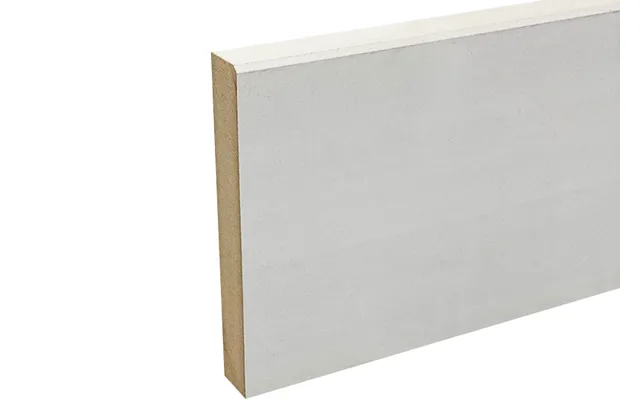
Modern skirting boards often feature clean lines and simple shapes. Square-edge, pencil-round and chamfered profiles are popular choices for contemporary properties. Their uncluttered appearance works well with minimalist furniture, smooth plastered walls and modern flooring.
A simple profile can also make a room feel larger. It does not compete with other design features, so the eye moves naturally across the space. If you prefer a calm, understated interior, a plain skirting board may be the ideal choice.
Traditional skirting boards bring extra character to older homes. Ovolo, torus, ogee and other decorative profiles can echo original architectural features. They may be particularly effective in Victorian, Edwardian or Georgian properties, where ceiling cornices, picture rails and panelled doors already create a sense of detail.
You do not need to own a period property to use a traditional profile. Decorative skirting can also add warmth to a newer home. The important thing is balance. If the room already contains bold patterns and ornate furniture, a simpler profile may be more suitable. If the space feels plain, a more detailed skirting board can introduce interest.
Tall skirting boards have become increasingly popular in UK homes. They create a confident, architectural look and can make walls appear more elegant. A tall profile may be especially useful in rooms with high ceilings, where a narrow skirting board could look out of proportion.
However, scale matters. A very tall board can dominate a small room, while a short profile may look lost in a large space. Consider the height of the ceiling, the size of the room and the proportions of nearby features such as doors and architraves.
The material you choose affects the appearance, durability and installation process. The Skirting Board Shop caters to different project requirements, so it is worth thinking about where the skirting will be used before you buy.
Ask yourself a few simple questions. Is the room likely to experience moisture? Do you need a product that arrives ready to paint? Are you replacing one damaged length or fitting skirting throughout an entire property? Your answers will guide you towards the most practical option.
MDF skirting boards are a popular choice for many interior projects. They offer a smooth surface, consistent dimensions and a clean finish. Because the material is manufactured rather than naturally grown, it does not contain the same knots and grain variations found in some timber products.
Many MDF skirting boards are supplied primed or pre-finished. This can save time during decorating, especially when you want a smooth painted appearance. MDF is often a good option for bedrooms, hallways, living rooms and other standard dry areas.
As with any material, installation and maintenance still matter. Use suitable fixings, seal joints correctly and follow the product guidance. Careful preparation will help the finished skirting look sharper and last longer.
Timber skirting boards have a natural quality that many homeowners appreciate. They can complement wooden floors, exposed beams and traditional joinery. Depending on the product, timber may be painted, stained or treated to highlight its grain.
Natural wood can also be repaired and refinished over time. Small scratches may be sanded away, and the surface can receive a fresh coat of paint or stain. If you want an authentic, traditional feel, timber skirting is worth considering.
Some areas require extra care because they experience dampness or changing humidity. Kitchens, utility rooms and bathrooms may benefit from moisture-resistant skirting, provided the chosen product is suitable for that environment.
Remember that no skirting board should be treated as a substitute for proper ventilation or waterproofing. If water regularly reaches the wall or floor, deal with the underlying issue first. The skirting should support the room’s finish, not hide a serious building problem.
Choosing a profile is easier when you break the decision into a few practical steps. Start by looking at the existing features in the room. Examine the doors, architraves, flooring, wall panelling and ceiling details. Do they have simple lines or decorative curves?
Matching every feature exactly is not always necessary. In fact, a room can look more interesting when different details work together rather than repeat one another. Still, the skirting should feel intentional. A highly ornate board may look out of place beside very plain doors, while an ultra-modern board may seem too stark in a period room.
Measure the wall height and consider the available space around doors and furniture. Tall skirting can look impressive, but it needs enough visual room. If cupboards, radiators or fitted furniture sit close to the floor, check that the profile will not create awkward interruptions.
Door architraves also deserve attention. Many people choose skirting that is similar in style to their architrave, creating a more unified appearance. If the skirting is much thicker or thinner than the door trim, the transition may look uneven.
White remains a popular skirting colour because it creates a bright, clean border. It can work with almost any wall shade and makes a room feel crisp. However, white is not the only option.
Painting the skirting the same colour as the wall can make the room feel taller and more seamless. A dark skirting board can create a strong outline and pair well with bold flooring. Natural timber finishes add warmth, while soft neutral shades can provide a gentle contrast.
There is no single correct answer. Look at the entire room rather than choosing a colour in isolation. A colour sample viewed beside the flooring and wall paint will tell you much more than a small image on a screen.
Accurate measuring helps you order the right quantity and avoid unnecessary delays. Measure each wall separately, including alcoves and short sections. Do not assume that every room is perfectly square. Older UK properties often contain walls with small variations, so individual measurements are important.
Add the measurements together to find the total length required. It is wise to include extra material for cutting, corners and possible mistakes. The amount of additional material you need depends on the shape of the room and your experience, but ordering a little more than the exact measurement is usually sensible.
Skirting boards need to be cut at corners and around features such as doorways. Internal corners may require mitre cuts or scribed joints, while external corners need careful preparation to achieve a neat finish. If you have never installed skirting before, allow extra length while planning your order.
Do not forget small sections. A narrow wall beside a doorway may seem insignificant, yet missing one length can interrupt the whole installation. Walk around the room with a tape measure and note every run before you calculate the total.
Long lengths of skirting can be difficult to move through narrow hallways, staircases and doorways. Before ordering, consider how the products will enter your property and where you will store them. Keep them flat and protected from knocks while you prepare for installation.
It is also helpful to inspect the delivery when it arrives. Check for visible damage and make sure the lengths, profiles and quantities match your order. Deal with any issue promptly so that your project does not lose momentum.
Skirting installation can be handled by a professional fitter, joiner or experienced do-it-yourself enthusiast. The method depends on the wall condition, the material and the type of fixings used. A secure installation begins with preparation rather than rushing straight to the first cut.
Remove old skirting carefully and clear away loose adhesive, plaster and debris. Check the wall for uneven areas. If the surface is badly damaged, repair it before fitting the new boards. A straight, clean base makes every later step easier.
Many skirting boards can be fitted with grab adhesive, screws, pins or a combination of methods. Adhesive can provide a clean finish because it avoids visible fixing holes. Screws may be useful where the wall is uneven or where a stronger mechanical fixing is preferred.
Always follow the manufacturer’s recommendations. The correct method can vary according to the product and wall type. Before applying adhesive, make sure the surface is dust-free and dry. For pinned or screwed boards, locate pipes and cables before drilling or hammering.
Joints are one of the details that separate a rushed job from a professional-looking result. Internal corners can be joined with a neat mitre or a scribed joint. External corners usually require precise mitre cuts. Measure twice and cut once; this familiar advice remains valuable.
After fitting, fill small gaps and fixing holes with a suitable product. Allow the filler to dry, then sand it lightly before painting. Caulk can help create a smooth line where the skirting meets the wall, but use it carefully and avoid covering genuine movement joints that need to remain flexible.
Buying skirting boards from a specialist store can make the process simpler. Instead of choosing from a limited selection at a general retailer, you can explore different heights, profiles, materials and finishes in one place. That variety matters when you are trying to match existing details or create a specific style.
The Skirting Board Shop is also focused on a product category that requires accurate information. Customers often need to compare dimensions, finishes and profile shapes before committing to an order. A specialist approach can help you make a more informed decision.
Whether you are completing a single room or working on a larger renovation, planning is easier when the products are presented clearly. You can compare your options, consider the room’s needs and choose a design that fits your budget and visual goals.
You might be replacing one damaged section after installing a new floor. Alternatively, you may be refurbishing an entire property and need skirting for several rooms. A specialist supplier can be useful in both situations.
For a small project, the priority may be finding a close match to the existing profile. For a larger project, consistency, availability and reliable ordering become more important. Think about the full scope before you begin. A little planning can prevent mismatched profiles appearing from room to room.
Skirting boards should complement the floor, not fight against it. With wood flooring, timber-effect laminate or luxury vinyl, you can choose a contrasting white skirting for a classic border. You could also select a similar tone for a more continuous appearance.
Carpet often works well with painted MDF skirting because the smooth surface creates a clear edge above the pile. If the carpet is heavily patterned, a simpler skirting profile may keep the room balanced. With tiles, consider the colour of the grout, wall finish and nearby joinery before selecting the board.
Floor height can affect the installation. Thick flooring, underlay or tiles may alter the gap beneath doors and change how the skirting meets other features. Check levels before ordering where possible, particularly during a major renovation.
Skirting boards are easy to overlook once they have been installed, but regular care keeps them looking fresh. Dust them with a soft brush or cloth, especially along the top edge where dust collects. Clean painted surfaces with a slightly damp cloth and a gentle detergent.
Avoid soaking the boards. Excess water can damage some materials, loosen paint or affect the wall behind the skirting. Deal with marks quickly rather than allowing dirt to build up over time.
Small chips and scratches can often be repaired with light sanding and matching paint. If a length is badly damaged, replacing that section may be easier than trying to restore it. Keep a note of the product name, profile and colour after your installation. That information can save time later.
One common mistake is ordering the wrong height or profile without checking the existing room details. A board may look excellent online but feel out of place beside your doors or furniture. Always compare measurements and, where possible, review samples before making a final decision.
Another mistake is failing to allow for waste. Tight calculations may leave you short when a cut goes wrong or an unexpected wall angle appears. Ordering a sensible surplus is often more economical than paying for a second delivery.
Some people also paint the skirting before installation and forget that joints and fixings will need further attention. Pre-finishing can save time, but plan to fill, sand and touch up the boards after fitting. That final preparation creates the seamless appearance most people want.
The beauty of skirting boards lies in their ability to do several jobs at once. They protect the wall, conceal floor gaps and add a clear design feature without taking over the room. A carefully selected profile can make plain décor feel considered and can help traditional architecture retain its charm.
The Skirting Board Shop gives UK customers a practical place to explore these options. From simple contemporary boards to more decorative period profiles, the right choice depends on your property, your floor, your budget and your personal taste. There is no need to follow a trend if it does not suit your home.
Take your measurements carefully, compare materials, think about proportion and plan the installation before ordering. A little preparation at the beginning can produce a far better result at the end. Once the skirting is fitted, painted and neatly joined, you may be surprised by how much it changes the room.
Whether you are refreshing one hallway or renovating an entire UK property, The Skirting Board Shop can help you find a finish that feels intentional, durable and well suited to your space. Skirting may be a small part of the room, but it is often the detail that quietly brings everything together.