


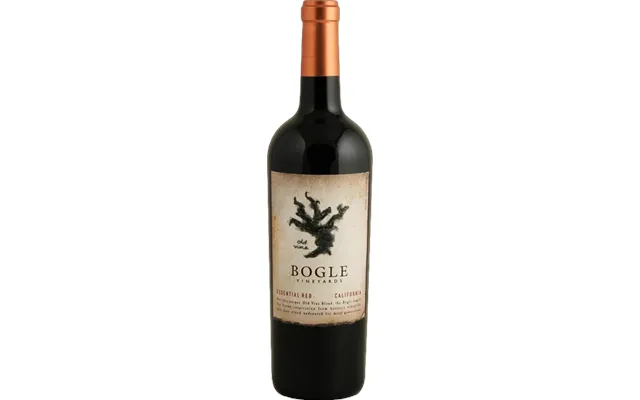
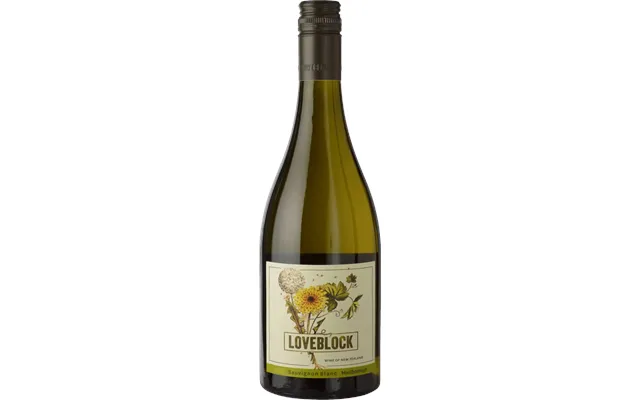
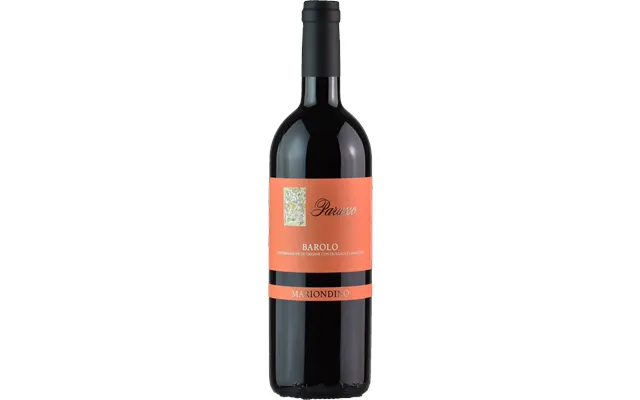
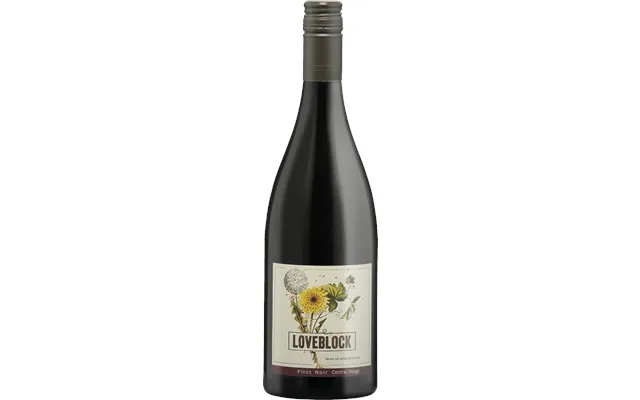
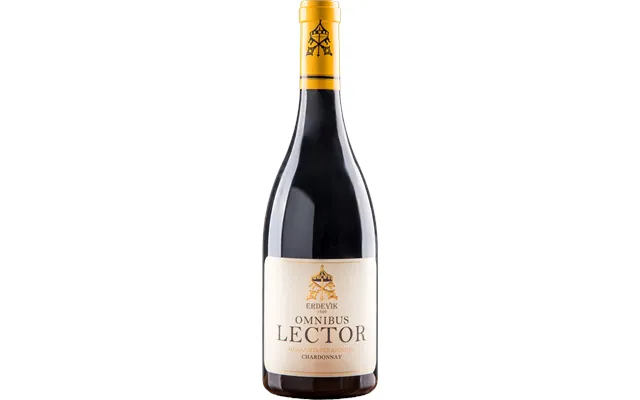
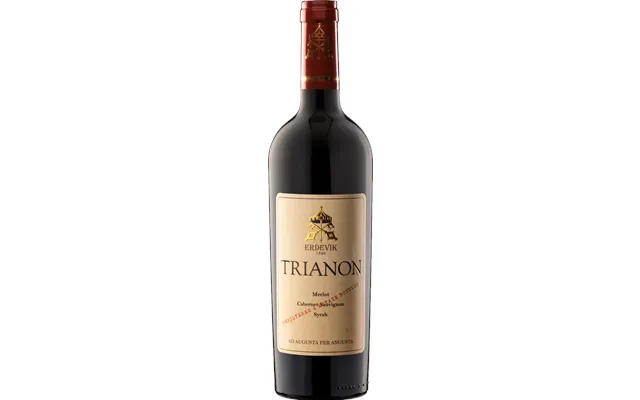
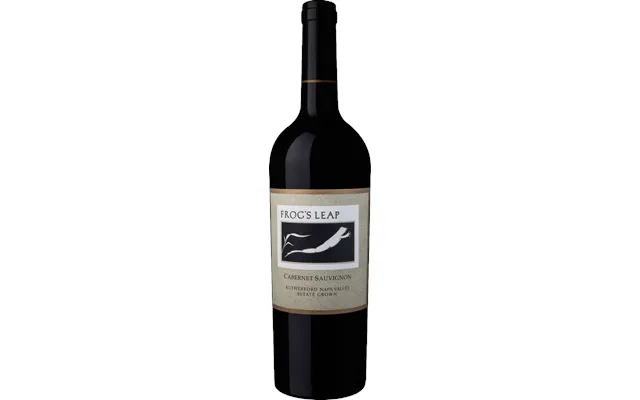
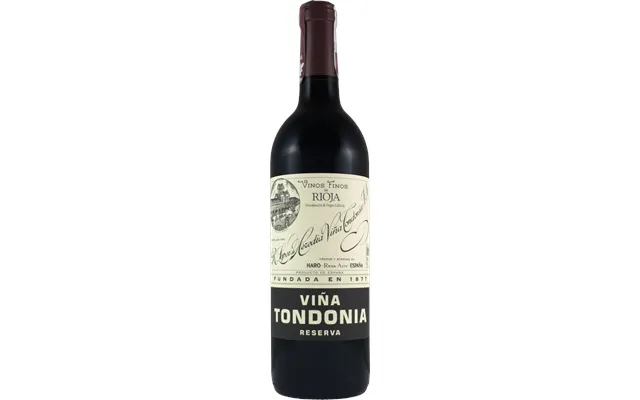
8wines price list
Last updated Sunday, 27 Sept 2026




| Store | Status | today | distance |
|---|
Loading...
Loading...
Last updated Sunday, 27 Sept 2026
8wines started modestly, born from a simple idea: make quality wine accessible without the usual pretension. The founders saw a gap in the UK market where wine shoppers wanted guidance, variety, and value—without being lectured. They launched an online platform focused on curated selections, clear tasting notes, and approachable pricing. From day one, the goal was straightforward: help people enjoy wine, not stress over it.
The guiding principles of 8wines were clarity, curation, and customer-first service. They prioritized clear labeling, honest descriptions, and hand-selected producers. Instead of overwhelming shoppers with jargon, 8wines aimed to translate grape names and regions into real-life drinking occasions. That simple approach helped the brand stand out in a crowded market.
In the first few years, 8wines grew through word-of-mouth and a small but loyal customer base. They introduced seasonal boxes, tasting guides, and a rewards system that encouraged repeat purchases. Partnerships with boutique vineyards and independent importers expanded their range. Key milestones included hitting 10,000 customers, launching a mobile-friendly website, and opening a small warehouse to improve delivery times across the UK.
8wines’ catalogue is not the result of mass buying; it’s built by people tasting, debating, and choosing. The buying team focuses on producers who show both quality and personality. They mix familiar labels with overlooked gems from lesser-known regions. This balance keeps the shelves fresh and the browsing experience interesting. Customers find both everyday wines and special bottles for celebrations.
Small producers are a cornerstone of 8wines’ identity. The store seeks out family wineries and sustainable vineyards that might otherwise struggle to access the UK market. By offering shelf space to these producers, 8wines helps tell stories—about heritage vines, experimental techniques, or reinvented classics. These narratives connect shoppers to the people behind the bottle.
Rosé and natural wines have seen steady demand, but classic categories like Chardonnay and Pinot Noir remain bestsellers. The store also tracks trends—organic, low-intervention, and low-alcohol options are increasingly popular. 8wines adapts quickly, introducing curated lists, gift packs, and tasting flights that reflect what customers are searching for right now.
Technology matters in online retail, and 8wines invested early in a clean, straightforward shopping experience. Their website focuses on searchability, helpful filters, and tasting notes written in plain language. Mobile responsiveness and secure checkout processes are standard features, while recommendation engines and email newsletters help customers discover new options without feeling overwhelmed.
8wines uses customer data—purchases, ratings, and browsing—to suggest wines that fit individual tastes. These personalized recommendations mimic a friendly shop assistant who remembers your preferences. It’s subtle, helpful, and keeps customers coming back. Loyalty features, like points and exclusive previews, strengthen that relationship.
Reliable delivery is vital. 8wines partnered with trusted carriers and optimized packing to ensure bottles arrive intact. They offer a range of delivery options—standard, express, and click-and-collect in selected areas. Free delivery thresholds and easy returns are part of the promise to keep the buying process low-friction and customer-focused.
Customer service at 8wines leans on human contact. Email, chat, and phone support are staffed by wine-literate people who can answer pairing questions or suggest a bottle for a special occasion. The store also fosters a community through tasting events, virtual masterclasses, and social media engagement. These efforts build trust and loyalty in ways that go beyond transactions.
In-person tastings and online events bring the catalogue to life. 8wines hosts themed tastings—like "New World Sauvignons" or "Old Vine Reds"—that educate and entertain. These events give customers confidence to try something new and often boost sales of featured bottles.
8wines developed customer-centric policies: clear refund procedures, help with damaged deliveries, and guidance for storing wine. These policies reduce friction and create advocates. When problems happen, timely and fair responses turn potentially negative experiences into reasons to shop again.
8wines crafts a brand that’s unpretentious but knowledgeable. Their marketing uses friendly language, strong visuals, and storytelling. Rather than relying solely on discounts, they highlight curated picks, producer stories, and seasonal campaigns. SEO plays a role too—blog posts, buying guides, and keyword-rich product pages help attract organic search traffic from wine shoppers across the UK.
Blog content covers food pairings, vintage guides, and how-to tips for beginners. Each piece aims to be useful and shareable. The store uses email marketing for targeted offers and social media for personality-driven engagement. This content approach grows organic traffic and positions 8wines as a helpful resource, not just a retailer.
Sustainability matters to many shoppers, and 8wines highlights environmentally friendly producers and packaging choices. They track carbon impacts from shipping and encourage local pick-up to reduce emissions. Ethical buying—fair prices for producers and transparent origin labeling—strengthens customer trust.
There are several players in the UK wine market, each with different strengths. Below is a clear comparison of 8wines with other well-known retailers: Majestic, Laithwaites, Naked Wines, Waitrose, and Amazon. This helps you see where 8wines sits in terms of range, service, price, and identity.
Majestic is known for its large bricks-and-mortar presence and a wide range of bottles, plus staff recommendations in-store. 8wines competes by offering a sharper online experience and a more curated selection. If you want personal in-store advice and bulk-buy discounts, Majestic is attractive. If you prefer hand-picked discoveries and digital convenience, 8wines offers that boutique feel without the need to visit a store.
Laithwaites built a business on subscriptions and curated cases, often promoting exclusive deals and introductory offers. 8wines shares the curated-case concept but focuses more on storytelling and small-producer exposure. If you like large promotions and bundled value, Laithwaites might win. If you prefer niche producers and clearer tasting narratives, 8wines has the edge.
Naked Wines uses a customer-funding model where "angels" invest in winemakers for exclusive access. That model can deliver strong value and unique labels. 8wines, on the other hand, builds relationships with independent importers and often sources wines directly from small estates. Naked Wines can be great for bargains and experimental labels; 8wines is better for curated quality and provenance transparency.
Waitrose offers a supermarket experience with a solid wine range, trusted own-labels, and the convenience of grocery shopping. 8wines is a specialist—less about everyday groceries and more about wine expertise. If you’re doing a weekly shop and want a decent bottle with minimal effort, Waitrose is convenient. If you want someone to guide you through interesting or rare bottles, 8wines aims to be that guide.
Amazon sells wine through a marketplace model with vast choice and competitive pricing. However, product descriptions and curation can be inconsistent. 8wines differentiates by providing knowledgeable descriptions, curated lists, and a consistent quality promise. If you need speed and variety at low cost, Amazon is handy. For trust, curation, and a more personal buying experience, 8wines stands out.
No store is perfect. 8wines shines in curation, storytelling, and customer care. Their ability to spotlight small producers and present wine simply is a strong draw. On the flip side, they may not always match the deepest discounting power of larger chains, and their physical footprint is smaller—meaning fewer in-person experiences for some shoppers.
Key strengths include a focused catalogue, detailed tasting notes, responsive customer service, and an emphasis on small and ethical producers. Their online experience is tailored and user-friendly, making discovery enjoyable rather than overwhelming.
Potential improvements include expanding warehousing to speed up nationwide delivery, introducing more aggressive promotions for price-sensitive customers, and possibly opening select tasting rooms or pop-up events to increase tactile engagement with the brand.
Shopping with 8wines is straightforward, but a few tips help you make the most of it. Sign up for their newsletter to catch limited releases and tasting events. Use filters and tasting notes to match wine to food or occasion. Try mixed cases to explore without committing to a full dozen of a wine you might not love. And don’t be shy—reach out to customer support for pairing advice.
Start with occasion first—what are you eating, and who will be drinking? Match body and flavor intensity: light wines with lighter dishes, fuller reds with rich meats. Read tasting notes and check acidity, tannin, and sweetness descriptors. If in doubt, pick a mixed tasting case or choose a highly rated, safe-bet bottle described as “versatile.”
Store wine in a cool, steady place away from sunlight. Open reds at least 20 minutes before serving unless they’re light-bodied. Chill whites to the right temperature—not freezer cold—and let sparkling wines sit chilled for a focused burst of freshness. These small steps improve the experience dramatically.
The future for 8wines looks like a mix of wider reach and deeper curation. Expect more exclusive collaborations with small producers, expanded logistics for quicker delivery, and enhanced digital features like tasting-journey tracking. They may also focus on sustainability credentials and local partnerships to meet growing consumer demand for ethical options.
Opportunities include subscription models tailored to specific tastes, pop-up tasting events in major cities, and partnerships with restaurants or lifestyle brands. Strengthening SEO and content marketing will bring in more organic traffic, while targeted social campaigns can attract younger wine drinkers.
Challenges include stiff competition from large retailers and marketplaces, price sensitivity in uncertain economic times, and supply chain pressures affecting small producers. 8wines’ success will depend on balancing growth with the boutique identity that customers value.
8wines began with a clear mission: make wine enjoyable, accessible, and interesting. Over time, it carved a niche by focusing on curation, customer service, and storytelling. In a crowded UK market, it stands apart by championing small producers, offering clear guidance, and creating a friendly online experience. While it doesn’t compete on sheer scale with supermarkets or giant marketplaces, it wins on trust, discovery, and connection—qualities many wine lovers value. Whether you’re a casual sipper or a budding collector, 8wines offers a human approach to buying wine that feels like a helpful friend rather than a sales pitch.