

Alcohol Free Company price list
Last updated Sunday, 27 Sept 2026


| Store | Status | today | distance |
|---|
Loading...
Loading...
Last updated Sunday, 27 Sept 2026
Alcohol Free Company began as a small idea that met a growing need. In the mid-2010s, when many people started to rethink their relationship with alcohol, a handful of entrepreneurs in the UK noticed a gap: quality, widely available non-alcoholic drinks. The company emerged to fill that gap—selling beers, wines, spirits alternatives, and mixers designed for people who wanted the taste and ritual without the buzz. The founders aimed for accessibility and variety, not preaching sobriety but offering choice.
What made Alcohol Free Company stand out early on was curation. Instead of just stocking a few low-ABV options, the store built a catalogue of styles: non-alcoholic lagers, alcohol-removed wines, spirit alternatives, and premium soft drinks. This approach attracted curious drinkers, designated drivers, pregnant customers, and those reducing alcohol for health reasons. The business model was simple: widen the range, maintain quality, and make the buying process easy—online first, with clear tasting notes and pairing suggestions.
The UK market for no- and low-alcohol drinks evolved fast. Alcohol Free Company adapted by adding craft options and focusing on transparency. Label claims became important—whether a product was de-alcoholised, naturally low, or alcohol-free by recipe. The store began to publish guides and tasting notes, helping consumers understand the differences. That educational angle helped convert skeptical shoppers into repeat customers.
To build loyalty, Alcohol Free Company invested in community. They hosted tasting events, partnered with restaurants and bars for alcohol-free nights, and supported sober curious meetups. Those real-world touchpoints turned the brand from a store into a movement for some customers. Events also allowed direct feedback—what people liked, what they missed—and that feedback shaped new stock decisions.
Digital savvy powered the company’s spread across the UK. A well-designed website, SEO-friendly content, and active social media presence helped customers find them. The store used email newsletters that featured product launches, cocktail recipes, and interviews with makers. This content-driven approach increased organic traffic and helped the brand rank for searches like “best alcohol-free beer UK” and “non-alcoholic wine shop.”
Alcohol Free Company forged relationships with both established brands and emerging producers. Partnerships included exclusive product drops and early access to trending bottles. For small producers, the store offered a platform to reach a national audience without building their own logistics. For customers, that meant a steady flow of fresh, interesting options—an important differentiator in a market where novelty matters.
As demand matured, the company explored private label options. Creating their own alcohol-free blends gave them control over taste profiles and price points. Private labels can also demonstrate expertise: if the store can launch a competitive product, customers interpret that as a sign of industry knowledge. These in-house ranges often aimed for great cocktail bases and easy pairings with food.
Quality control became a pillar. Customers want flavor without compromise. Alcohol Free Company implemented tasting panels and clear product descriptions to maintain trust. They made allergen information and calorie counts clearly available. Transparency on production methods—distilled alternatives vs. de-alcoholised wines—helped customers make informed choices. This trust built long-term loyalty.
Rather than target a single demographic, the store marketed to several overlapping groups: health-conscious adults, pregnant people, drivers, religious customers, and those curious about flavour without alcohol. Messaging focused on positive lifestyle benefits—better mornings, clearer heads, social inclusion. This inclusive tone broadened appeal and avoided moralizing.
No growth story is without bumps. Supply-chain issues, especially for niche imports, meant occasional stock shortages. Some customers remained skeptical about the taste of non-alcoholic options, requiring continued education and sampling. Competition intensified as big supermarkets introduced their own ranges. Alcohol Free Company had to respond with sharper curation and deeper customer service.
Today, the market looks healthier than ever. New brands push flavor boundaries and mainstream stores keep expanding their shelves. Alcohol Free Company’s future depends on staying nimble—discovering new brands, refining private labels, and strengthening logistics. The store has a clear advantage: a dedicated audience and the reputation of expertise. The next few years likely bring more collaborations and perhaps physical pop-ups to complement online sales.
Major supermarkets—Tesco, Sainsbury’s, Waitrose—offer convenience and low prices. They reach millions of shoppers and often offer entry-level no- or low-alcohol options under their own brands. But supermarkets typically lack depth. Their alcohol-free sections are growing, yet selection is driven by shelf space and mainstream demand. Alcohol Free Company, by contrast, focuses on depth: specialty bottles, craft producers, and detailed product information that supermarkets rarely match.
There are a few other specialist online retailers in the UK focusing on alcohol-free drinks. These stores often share similar strengths: curated lists, tasting notes, and niche brands. What sets Alcohol Free Company apart is combination of scale and content. Some competitors excel at boutique discovery but may not offer as many customer resources or repeat-stock programs. Alcohol Free Company tends to balance discovery with reliable availability.
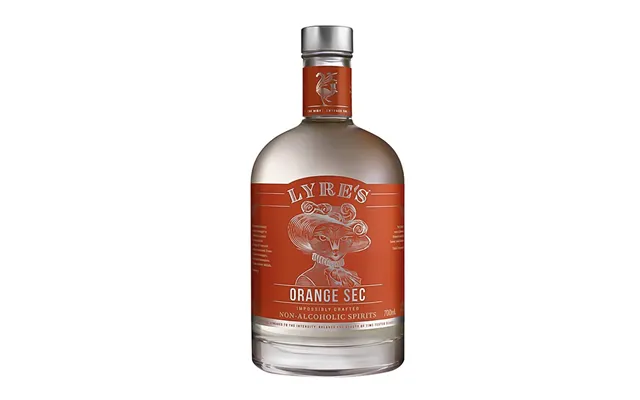
Brands such as Lyre’s (spirit alternatives) and Seedlip (non-alcoholic spirit pioneer) control product experience from production to marketing. They can innovate flavor faster and build strong branding. The difference is simple: brands sell product; retailers like Alcohol Free Company sell selection. The store showcases many brands in one place, letting customers compare Lyre’s botanical complexity against Seedlip’s distilled style—without visiting multiple sites.
Pubs and bars provide atmosphere and human service—things online shops can’t fully reproduce. Progressive venues now offer alcohol-free cocktails and dedicated menus. However, availability varies widely by location and understanding of no-alcohol drinks differs by bartender. Alcohol Free Company fills that gap by offering the products for home enjoyment and by supporting on-trade partners with product knowledge and supply.
Some supermarkets launched premium alcohol-free lines—posh no-wine and designer softs. These compete on packaging and price. Yet, they can be limited in variety and lack the specialist commentary that drives repeat interest. Alcohol Free Company’s advantage is expertise: tasting notes, pairing tips, and community recommendations that make a purchase feel informed rather than accidental.
Supermarkets often win on price for big-name, mass-produced options. Dedicated stores may be slightly more expensive on some SKUs because they import niche brands and maintain smaller margins. However, value is more than price: an informed purchase that fits taste and occasion often reduces waste. Alcohol Free Company tries to strike a balance—regular promotions, bundles, and sample packs that reduce risk for customers exploring new styles.
Customer experience is where specialty retailers shine. Alcohol Free Company invests in product education—how to mix an alcohol-free Negroni, what to serve with a de-alcoholised red, or how to enjoy a malt-free lager. That knowledge adds value. Large chains may provide basic info, but a specialist store’s curated content turns casual buyers into confident repeat customers.
Supermarkets offer fast home delivery and click-and-collect options. Specialist retailers may have longer delivery windows but often use safer packaging for delicate bottles. Alcohol Free Company developed logistics to protect fragile, imported stock while offering reliable tracking. Returns and customer service in specialist stores are usually more flexible because they rely on reputation and repeat business.
Customers return to specialist stores for relevance and trust. Alcohol Free Company built loyalty by offering hard-to-find bottles and by making reordering simple—subscriptions or curated monthly packs. Supermarkets may win one-off purchases, but specialists cultivate enthusiasts who return for the story behind each bottle and the assurance of quality.
Three big forces shape the market: product innovation, regulatory changes, and health trends. Innovations make non-alcoholic drinks taste better. Regulations—like clearer labelling—help consumers compare. Health trends push more adults to cut back or pause drinking. Specialist stores like Alcohol Free Company can pivot faster to these shifts, curating brands that match evolving tastes and complying with new labelling standards.
Ask yourself: do you want convenience, price, or discovery? If you need something quick and cheap, a supermarket likely meets your needs. If you want exploration, education, and niche labels, choose a specialist like Alcohol Free Company. Consider sample packs if you’re unsure—many retailers now offer tasting sets so you can find favourites without committing to full bottles.
Start small. Try a sampler or a single new style with a familiar meal. Read tasting notes and serving suggestions. Use mixers and fresh garnishes to elevate your drinks. Join social groups or online communities to swap recommendations. If you’re buying as a gift, look for curated gift packs that tell a story instead of a random bottle on a supermarket shelf.
Alcohol Free Company sits at an interesting crossroads. It’s more focused than mass retailers and more comprehensive than single-brand sites. For many UK customers, it acts as a trusted guide through a fast-moving landscape of alcohol-free options. The store’s blend of curation, education, and community-facing events gives it a clearer personality than generic sellers. As the category grows, that personality matters.