







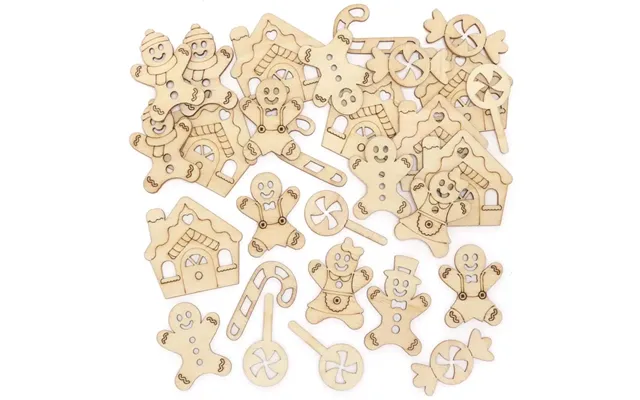
Baker Ross price list
Last updated Thursday, Aug 13, 2026
Last updated Thursday, Aug 13, 2026
Baker Ross began as a small family venture with a clear aim: to make craft supplies accessible to teachers, parents, and groups. It was born out of a practical need — people wanted straightforward, affordable materials for creative projects. The founders focused on simple packaging, bulk deals, and products that worked in schools and community groups. That hands-on, common-sense approach helped the company grow steadily.
The company found its stride at a moment when craft activities in schools and at home were becoming more popular. Demand for ready-to-use kits and easy-to-organize supplies rose, and Baker Ross was ready. The company’s timing helped it secure contracts with schools and attract bulk buyers, giving it a solid foothold in the UK market.
As orders increased, Baker Ross invested in warehousing and logistics. They expanded their product lines beyond basic craft kits to include seasonal items, science kits, party supplies, and teacher resources. This diversification kept the brand relevant year-round and reduced the peaks and troughs typical of seasonal retail.
Baker Ross embraced e-commerce early. Their website became a key sales channel, offering clear categories, educational bundles, and trade accounts. They targeted schools, nurseries, and community groups with trade pricing and bulk packs. This B2B focus differentiated them from retailers who mainly target individual shoppers.
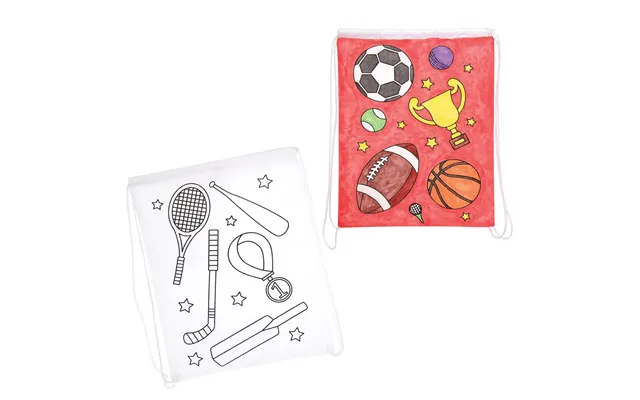
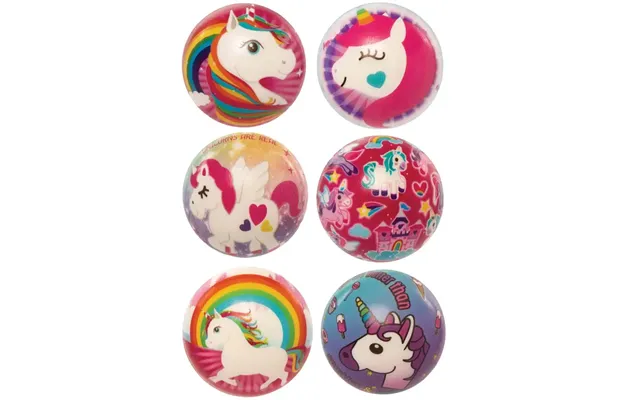
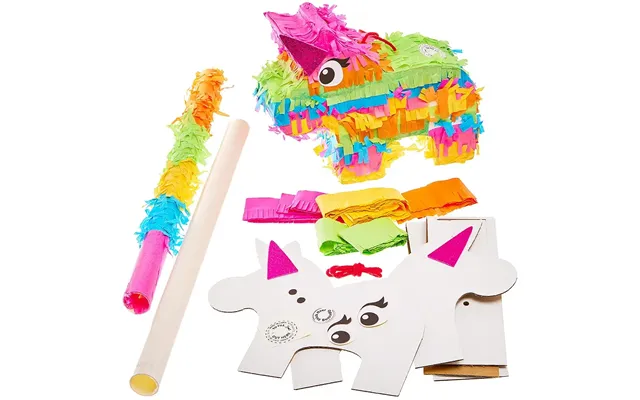
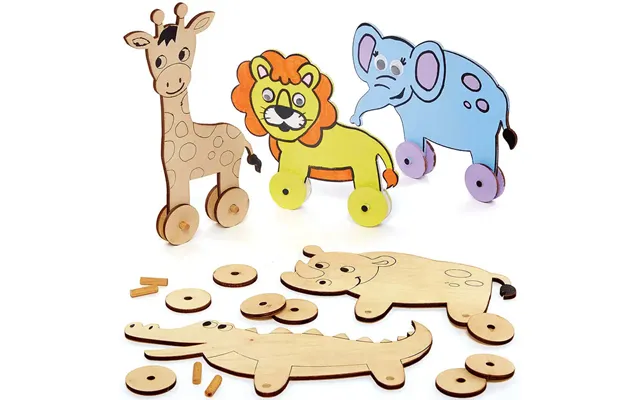
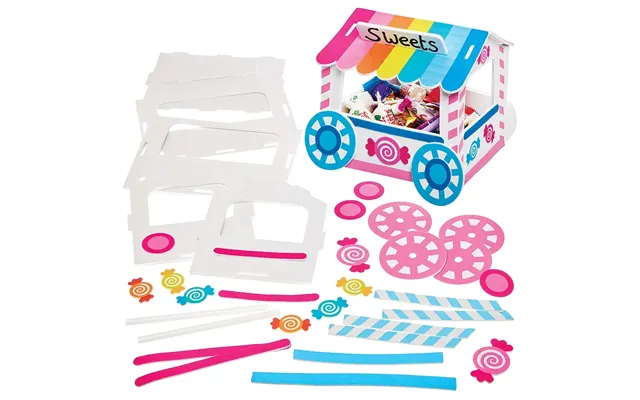
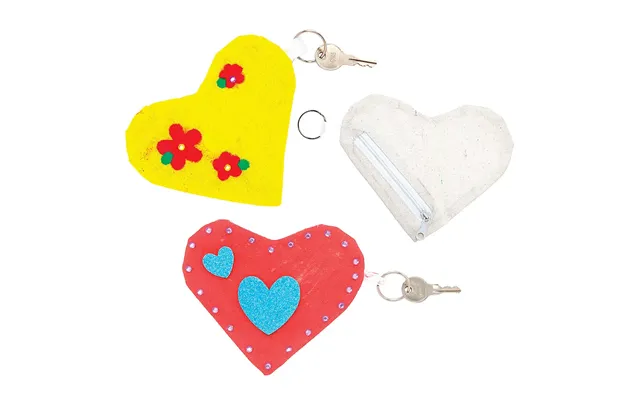
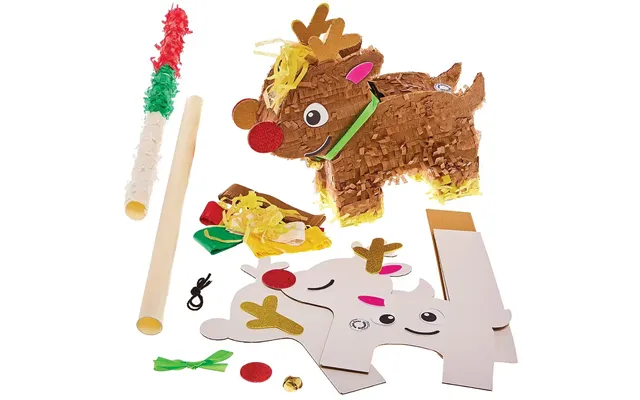
Their catalogue spans paints, paper, craft kits, stickers, badges, and more. What stands out is their emphasis on projects that require minimal prep and deliver quick results. Teachers and group leaders appreciate that many items are classroom-ready — pre-cut shapes, simple instructions, and durable materials that survive repeated use.
Baker Ross updates its offerings with seasonal themes — Christmas, Easter, Halloween — and educational projects tied to school curricula. They also launched craft kits linked to science and STEAM learning, blending creativity with learning objectives. This keeps the brand appealing to educators looking to meet learning goals through hands-on activities.
Their customers are mostly schools, nurseries, scout groups, and parents who want reliable, fuss-free supplies. Trade customers love the volume discounts and the straightforward service. Parents who shop with Baker Ross often praise the easy-to-follow kits that make home crafting less chaotic.
Customer reviews highlight fast delivery and consistent product quality. On the flip side, some buyers report occasional issues with stock levels or minor quality variances, which is common in mass-produced items. Overall, the trust in the brand comes from years of steady service and a reputation for meeting classroom needs.
Baker Ross positions itself as a value brand. The pricing strategy emphasizes bulk packs and competitive trade discounts. For educators, this is a huge benefit: cheaper per-unit costs mean more resources for projects without blowing the budget. The cost advantage is particularly important in times of tight school funding.
The materials are not premium craft-store grade, but they are fit for purpose. Baker Ross focuses on delivering dependable items that can handle the rough-and-tumble of classroom use. If you need museum-quality craft supplies, this isn’t the brand for you. But if you want reliable, low-cost materials that students can use every day, Baker Ross scores highly.
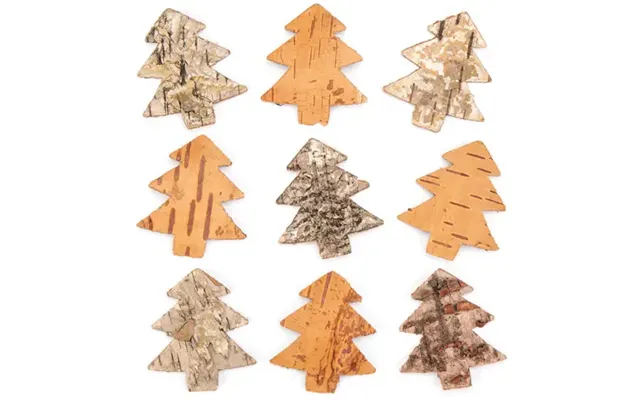
Like many retailers, Baker Ross faces questions about sustainability. They offer some eco-friendly items, such as recycled paper and wooden craft shapes, but a large portion of their products remain plastic-based. The company has taken steps to introduce greener options and reduce unnecessary packaging, though there is room to grow.
Customers increasingly want clear information on sourcing and environmental impact. Baker Ross has begun publishing more detail about materials and introduced ranges with recycled content. Continued transparency and investment in sustainable materials will strengthen their position with eco-conscious schools and parents.
The UK craft market includes several notable players: Hobbycraft, The Works, The Range, and smaller specialist suppliers like Crafty Depot. Each brand has a distinct focus. Hobbycraft targets hobbyists and crafters seeking a broad product selection, The Works combines arts and crafts with books and toys at discounted prices, and The Range is a wider home-and-garden and leisure retailer that stocks some craft items.
Baker Ross targets bulk buyers and educators. Hobbycraft aims at hobbyists and individual shoppers who want a lot of choice, often higher-end tools and materials. The Works focuses on value and variety, mixing craft items with stationery and books. The Range sells occasional craft items but is not a specialist. This means Baker Ross sits in a niche: educational, classroom-ready, and bulk-friendly.
On per-item prices, Baker Ross generally undercuts Hobbycraft and sometimes The Works, especially when you buy in bulk. Hobbycraft often runs promotions and loyalty deals, but unit prices can be higher because their range includes premium products. The Works competes on price for some seasonal items, but it lacks the school-focused packaging and trade deals Baker Ross offers.
Choose Baker Ross if you represent a school, nursery, or community group needing bulk, classroom-ready supplies. Choose Hobbycraft if you’re a hobbyist seeking specialist tools, better quality adhesives, or niche materials. Pick The Works for mixed shopping trips where you want low prices on craft basics along with books and toys. The Range is useful for occasional craft items during a larger homeware purchase.
Baker Ross’s trade accounts are tailored for schools and groups. These accounts provide catalogs, bulk discounts, and flexible delivery options. This level of service is a major advantage for institutions that plan lessons and projects for many students and need reliable supply.
Delivery is consistent but not flawless — delays can occur during peak seasons. Customer support tends to be responsive, especially for trade customers. Hobbycraft and The Works each offer click-and-collect or in-store pickup options that some buyers prefer, though these stores are less optimized for bulk, school-based orders.
Baker Ross’s website is straightforward and designed to make bulk buying easy: clear categories, search filters for project type, and educational bundles. They also provide downloadable resources and project ideas to help teachers plan activities. This practical approach reduces prep time and simplifies ordering.
Content matters. Baker Ross offers project guides and themed kits that spark ideas. Hobbycraft often provides more in-depth tutorials suited to crafters who want learning curves and technique guidance. The Works focuses on quick, low-cost projects and seasonal promos. Baker Ross strikes a middle ground: quick, classroom-tested ideas that deliver good results with minimal fuss.
Supply chain disruptions, rising material costs, and the pressure to become greener are challenges. Competition from online marketplaces and larger retail chains also exerts pressure on prices and margins. Baker Ross must balance affordability with responsible sourcing and quality control.
There’s a big opportunity in stronger eco ranges and clearer sustainability reporting. Further customization for schools, like bespoke kits aligned to the English curriculum, could also be a growth area. Expanding digital resources — lesson plans, video tutorials, and interactive guides — would deepen customer loyalty and set them apart from generic discount stores.
Customers praise Baker Ross for affordability, convenience, and classroom suitability. The product selection is practical, the delivery options for bulk orders are handy, and the educational focus saves teachers time. Seasonal ranges and ready-made kits are a consistent hit.
Some customers want higher-quality materials or more eco-friendly options. Occasional stock shortages and minor quality inconsistencies crop up. For hobbyists seeking specialist supplies, Baker Ross might feel limiting compared with a craft superstore.
Baker Ross fills an important gap. It’s not trying to be every craft shop in the UK. Instead, it focuses on being the practical ally for educators, parents, and community groups. It wins on value, convenience, and educational fit. For buyers who want low-cost, classroom-ready materials in bulk, it’s often the first stop.
The future for Baker Ross depends on how well it balances cost, quality, and sustainability. Investing in greener products, improving supply resilience, and expanding digital teaching tools will keep the brand relevant. If it continues to listen to teachers and parents, it can grow while staying true to the practical roots that made it a trusted name.
In short, Baker Ross is a hardworking, no-nonsense craft supplier. It won’t replace specialist hobby stores or large general retailers, but it does something they don’t: it makes group crafting affordable and easy. That clarity of purpose is a powerful advantage.