

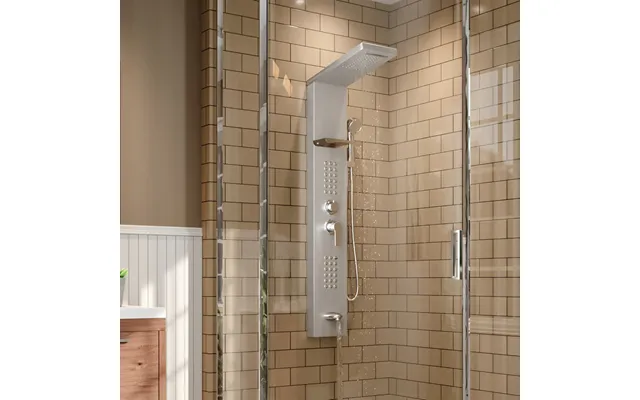
Bathroom Deco price list
Last updated Thursday, Sep 3, 2026




| Store | Status | today | distance |
|---|
Loading...
Loading...
Last updated Thursday, Sep 3, 2026
Bathroom Deco began as a modest venture with a clear aim: make stylish, affordable bathroom fittings available to everyday homeowners. Founded by design-minded entrepreneurs who noticed a gap between high-end showrooms and utilitarian builders’ suppliers, the store carved a niche. Instead of flashy branding or celebrity endorsements, they focused on product quality, simple lines, and honest pricing. The result was a steady local following that expanded across the UK.
The early shelves of Bathroom Deco featured classic ceramic basins, chrome taps, and straightforward bathtubs. But there was a twist: each item was chosen to balance durability and design. The store’s philosophy leaned on the idea that bathrooms should be calm, functional spaces—rooms that serve daily needs while offering quiet beauty. Minimalist trends and neutral palettes became part of the brand’s DNA.
As demand rose, Bathroom Deco expanded its footprint. New branches opened in regional hubs and the brand built a practical, user-friendly website. E-commerce mattered. Customers wanted clear photos, precise measurements, and honest reviews. Bathroom Deco responded by investing in online product pages and faster delivery options. This move opened doors to a national audience and helped the store compete with larger chains.
Over time, Bathroom Deco introduced signature lines—collections that combined modern sensibilities with classic forms. Some items became best-sellers: compact vanity units for small flats, durable shower trays, and matte black fixtures for contemporary interiors. Occasionally, the store tested collaborations with independent designers to refresh the lineup. These limited runs gave customers something new without losing the brand’s dependable feel.
One of Bathroom Deco’s strengths has always been approachability. Sales staff offered straightforward advice rather than pressure. Installation tips, clear warranties, and fair return policies built trust. In many communities, the store earned a reputation for being the place you’d go if you wanted quality without the sales spin. That word-of-mouth credibility proved invaluable, especially when competition intensified.
The bathroom market shifts with trends—eco taps, water-saving toilets, and textured tiles catch attention quickly. Bathroom Deco adapted by adding greener options and energy-efficient products. The store didn’t chase every fad, though. The strategy was to add sustainable fixtures that matched the core design language. This practical approach appealed to budget-conscious buyers who still cared about environmental impact.
Let’s compare Bathroom Deco to bigger names: Bathstore, Victorian Plumbing, B&Q, Wickes, VictoriaPlum, and local independents. Each competitor brings something different. Some focus on range and brand partnerships. Others compete on price or nationwide delivery. Bathroom Deco’s edge is its balance—sensible pricing, solid design choices, and personable service. It is neither the cheapest nor the flashiest. It’s the middle ground many homeowners prefer.
Bathstore has historically been a showroom-led brand with a wide selection of premium ranges and designer partnerships. If you want a luxury experience with in-person displays, Bathstore can be compelling. Bathroom Deco, by contrast, focuses on a curated, practical selection. Where Bathstore sells aspiration and lavish displays, Bathroom Deco sells dependable options that fit most budgets and spaces.
Victorian Plumbing is known for its broad online catalog and aggressive pricing. They often undercut rivals on certain items by selling high volumes. Bathroom Deco cannot match Victorian Plumbing’s sheer scale, but it counters with careful curation and customer service. If you want a personal touch and clearer product recommendations, Bathroom Deco is often the safer choice.
B&Q and Wickes serve the DIY crowd with huge ranges, frequent promotions, and in-store variety. They’re convenient for supplies, tiles, and basic fixtures. Bathroom Deco competes by offering more bathroom-specific expertise and a tighter design focus. In short: B&Q and Wickes are great for broader home projects, while Bathroom Deco aims to be the go-to for thoughtful bathroom solutions.
VictoriaPlum and other online specialists emphasize design-led ranges, flashy visuals, and fast delivery. They often cater to customers who know what they want and prefer DIY installations. Bathroom Deco sits between that model and the traditional store: it offers helpful in-store advice, clear online information, and well-chosen ranges for customers who want both guidance and style.
Bathroom Deco usually positions itself as a mid-market player. Prices are fair—neither rock-bottom nor premium. The value proposition is straightforward: you pay a bit more than budget chains for better materials and support. For many homeowners, that trade-off is worth it. You save hassle on returns and misfits, and you often avoid the hidden costs of cheaper fixtures that fail prematurely.
Bathroom Deco focuses on after-sales support. The store typically offers clearer warranties and advice about installation partners. Some branches partner with vetted installers for customers who want a full-service solution. Their return policies aim to be fair and transparent. These elements reduce renovation stress—a major selling point for anyone who’s lived through a bathroom refit.
In e-commerce, clarity matters. Bathroom Deco’s website prioritizes accurate dimensions, real photos, and straightforward delivery details. The company offers standard and expedited delivery, and sometimes tracked courier services for larger items. Compared to giants like Victorian Plumbing, Bathroom Deco may have fewer SKUs, but the pages are less noisy and more trustworthy for shoppers who want clear decisions.
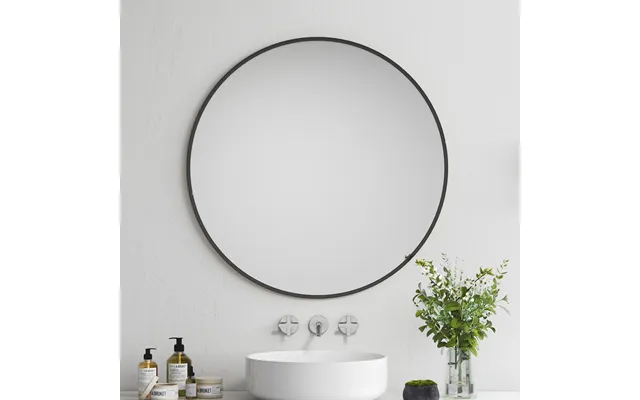
The store leans into timeless design: neutral tones, clean shapes, and durable finishes. That does not mean boring. Bathroom Deco mixes in textured tiles, matte black fixtures, and statement mirrors when trends are strong and sensible. The emphasis remains on choices that age well. Think of it as selecting a tailored suit rather than a costume—classic, flattering, and long-lasting.
Bathroom Deco is ideal for homeowners who want good design without fuss. If you’re renovating and prefer a partner who’ll explain options without pressure, this store fits. It’s also good for those working on modest budgets who still want quality. If you want the cheapest possible parts, other chains will be better. If you want ultra-luxury fittings with designer labels, look elsewhere. Bathroom Deco sits in a comfortable middle ground.
The bathroom market is crowded and price-sensitive. Bathroom Deco faces challenges: competing with larger online retailers on price, keeping inventory fresh, and reaching younger buyers who shop primarily on mobile. Opportunities exist too. Personalized service, local reputation, and curated ranges can shine. Investing in sustainability and clearer online tools would help the store grow without losing identity.
Want to make the most of Bathroom Deco? Measure your space twice. Ask about warranties and delivery times. If you need installation, get a written quote from a trusted partner. Look for bundled deals—vanity units with matching taps, for example—to save money. Read customer reviews to gauge real-world performance. These small steps reduce surprises and keep your renovation on track.
Bathrooms are personal spaces. They blend utility with comfort. Bathroom Deco has spent years finding a balance that many homeowners like: sensible design, honest pricing, and friendly service. It’s not the most glamorous brand on the market, nor the largest. But its steady approach has carved a reliable place in the UK bathroom scene.