







Belleek price list
Last updated Sunday, 27 Sept 2026






| Store | Status | today | distance |
|---|
Loading...
Loading...
Last updated Sunday, 27 Sept 2026
Belleek started as a small pottery in the late 19th century and grew into something people still cherish. Founded near the River Erne in County Fermanagh, what began as a local craft soon caught the eye of collectors across the British Isles. The secret? A delicate, slightly translucent porcelain that felt both sturdy and ethereal. Imagine holding a thin teacup that seems fragile but lasts for decades. That tension between lightness and durability is at the heart of Belleek’s appeal.
The pottery was founded by artisans who knew clay, fire, and tradition. They were driven by a practical aim — to produce fine parian porcelain for local markets — but their work resonated far beyond local shelves. In a time when industrial pottery was becoming common, Belleek chose refinement. That decision made it stand out, and collectors noticed. They valued the detailed patterns, the soft creamy glaze, and the green mark that would become synonymous with authenticity.
Belleek’s design language blends nature and elegance. Think shamrocks, leaves, insects, and flowing scrolls. The pieces often have a slight greenish tint in the glaze — subtle, but instantly recognizable. Techniques like slip casting and extra-fine moulding let the artisans capture fine surface details. The result is porcelain whose textures invite touch as much as sight.
Belleek was not stuck in tradition; it innovated where it counted. Early on, the pottery adapted casting methods to produce thin-walled porcelains that looked fragile but held up in daily use. This wasn't just about beauty. It was practical innovation. Belleek found a sweet spot: visually delicate ware that people could actually use. Over the decades, small technical changes refined this balance further.
Although rooted in Ireland, Belleek’s reputation spread quickly to the UK. By the early 20th century, the brand was visible in department stores and specialist shops in London, Manchester, and beyond. Visitors to the pottery and travelers who wanted a keepsake helped fuel demand. The close cultural connections between Ireland and the UK made the transition natural: similar tastes, shared tea habits, and an appetite for decorative tableware.
Belleek found its place in the UK through a mix of direct shops, concessions in larger stores, and catalog sales. It entered homes as both functional dinnerware and collectible art. Holidaymakers often picked up a vase or a figurine as a memento, and those pieces became heirlooms. Over time, specialist collectors and gift buyers kept the brand visible. Even today, you’ll find Belleek pieces in UK antique shops and high-street gift stores.
Why did Belleek matter to UK households? Because it matched the rituals of British life — teatime, formal dinners, seasonal decorations. Its designs felt familiar yet special. The porcelain could be everyday elegant or fully ceremonial. That versatility made it a go-to for wedding gifts, anniversary presents, and family traditions. Many British homes have a Belleek piece that's been passed down, a small but tangible link to the past.
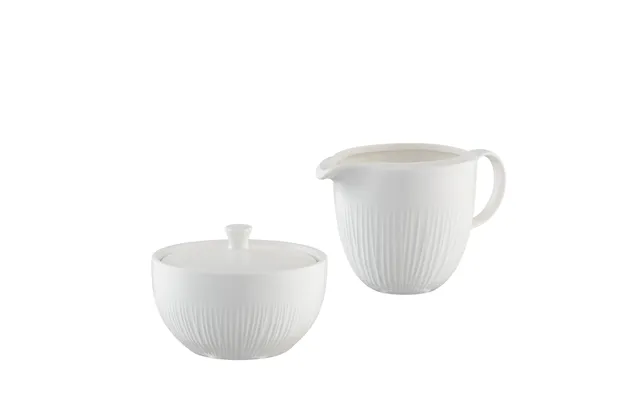
Objects carry stories. A Belleek sugar bowl becomes more than a kitchen item when it bears a grandmother’s initials or sits on a commemorative shelf. That emotional value has been crucial to the brand’s endurance. People hold onto Belleek pieces not just because they are pretty, but because they carry memories. In that way, the store’s history is also the story of countless British families.
To understand Belleek’s place in the market, it helps to compare it to similar brands. Several British names come to mind: Wedgwood, Royal Doulton, Portmeirion, and Aynsley. Each has its heritage, strengths, and customer base. When you put them side by side, you see different philosophies: classical form and neoclassical motifs at Wedgwood; sculpted tableware and mass-recognized patterns at Royal Doulton; botanical patterns and more contemporary looks at Portmeirion; and delicate bone china at Aynsley.
Wedgwood is iconic and tied to neoclassical design. It’s often bolder in pattern and has a long history of formal tableware. Belleek, by contrast, leans into natural forms and fragile-looking parian porcelain. If Wedgwood feels stately and architectural, Belleek is more intimate and delicate. Both are high-quality, but they speak to different tastes: Wedgwood to classic grandeur; Belleek to soft, nature-inspired charm.
Royal Doulton built a reputation on both dinner services and figurines. Its pieces are often sculptural and colorful. Belleek’s strength is subtler detail and a lighter palette. Where Royal Doulton might focus on bold glaze and distinct patterns, Belleek emphasizes translucency and fine modelling. Buyers who want bold character may pick Royal Doulton; collectors looking for understated elegance often go for Belleek.
Portmeirion rose to fame with its Botanic Garden collection — strong floral prints and contemporary usability. It’s modern and graphic. Belleek feels older, more traditional, with three-dimensional surface detail rather than printed motifs. If you want a bright, modern kitchen with bold florals, Portmeirion fits. If you prefer heirloom pieces that whisper rather than shout, Belleek fits better.
Aynsley is known for fine bone china and royal warrants. Its patterns are refined and often floral, in a classic tea-service style. Belleek shares that teaware tradition, but uses a slightly different porcelain type with its signature pale-green mark. Aynsley is polished and aristocratic; Belleek is rustic-elegant and earthy. They both appeal to lovers of English tea culture, but they offer different textures and finishes.
Today, Belleek reaches British customers through online platforms, boutique gift shops, and a few dedicated retailers and museums. The modern strategy blends the old and the new: limited-edition releases for collectors, seasonal collections for gift buyers, and online marketing that targets nostalgia and provenance. Social media plays a role; images of delicate teacups and behind-the-scenes pottery work help drive desire. The store’s authenticity — a real pottery with a real story — remains a strong selling point.
Belleek sits in the mid-to-upper tier price range. It’s not mass-market budgetware, but neither is it ultra-luxury. The price reflects craftsmanship, materials, and brand heritage. Typical customers include collectors, gift buyers, and people who want special tableware for life events. Younger buyers sometimes discover Belleek through vintage shopping or social feeds that celebrate retro aesthetics.
Like all heritage brands, Belleek has faced challenges. Changing consumer tastes, global competition, and economic swings have forced shifts in production and marketing. The pottery has had to adapt designs, explore new lines, and reimagine retail partnerships. The rise of casual dining and disposable tableware has been a cultural headwind. But Belleek’s fans value longevity, and that helps the brand survive lean trends.
Staying relevant has meant smart collaborations, limited editions, and telling the story behind each piece. Belleek leans into its history without being stuck in the past. It showcases artisans, explains techniques, and emphasizes ethical sourcing. Those narratives matter to modern buyers who want authenticity. The brand also explores accessible price points via smaller accessories, making it easier for new customers to join the family.
Collecting Belleek can be rewarding. But how do you tell a genuine piece from a reproduction? Look for the mark — often a green stamp that changed slightly over decades. Check for fine mould lines, a creamy translucent body, and detailed modelling. Condition matters: hairline cracks and repaired chips lower value. Provenance helps, too. If you buy from a reputable dealer, you’re likely to get a genuine item. Auctions and specialist fairs are good hunting grounds.
Start with what you love. Buy pieces that fit your home and your life. If you’re collecting for investment, focus on early marks and limited editions. For everyday beauty, choose practical pieces like cups and saucers in good condition. Remember: a well-used cup that brings pleasure is worth more than an untouched vase hidden in a box.
Belleek matters because it connects craft to daily life. In a world of fast production, Belleek offers something slow and human. It reminds people that objects can be made with care and last long. It also speaks to shared cultural moments — tea, dinner, gifts, and family gatherings. That’s why the brand keeps appearing in homes across the UK, often quietly, in cupboards and on mantels.
Belleek is a bridge between Irish artistry and British domestic life. That cross-cultural appeal gives it depth. It’s not just a product; it’s a thread tying together makers and users, past and present. That hidden thread is why people still choose Belleek when they want beauty that feels like home.
People ask if Belleek is still a good buy. The answer depends on what you want. If you want enduring beauty, craftsmanship, and a story that threads through generations, Belleek remains an excellent choice. It may not be the loudest brand on the shelf, but it often becomes the most beloved.