

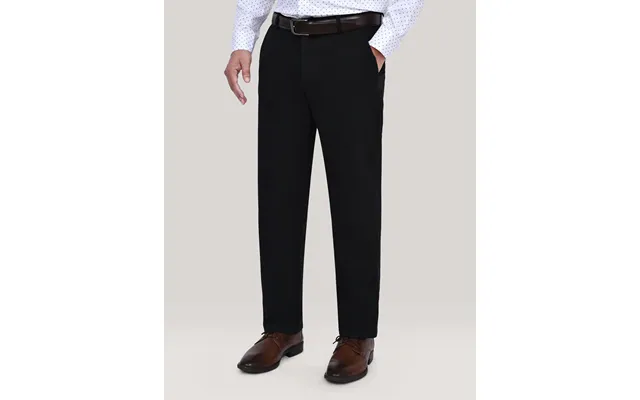
Brian Oak London price list
Last updated Sunday, 20 Sept 2026
| Brian Oak London | Price |
|---|---|
| Black Flat Front Smart Fit Chinos | £55.00 |





| Store | Status | today | distance |
|---|
Loading...
Loading...
Last updated Sunday, 20 Sept 2026
| Brian Oak London | Price |
|---|---|
| Black Flat Front Smart Fit Chinos | £55.00 |
Every store has a beginning, and Brian Oak London start feels like a familiar neighborhood tale. It began when its founder, Brian Oak, decided he wanted more than another chain shop. He wanted a place that married classic British tailoring with a relaxed urban attitude. So, sometime in the early 2000s, he opened a small shop in a busy London neighborhood. The idea was simple: make clothes that fit real people and last more than one season.
At first, the shop was a modest operation — just a few racks of carefully chosen garments, a sewing machine in the back, and a handful of loyal customers. Word spread through friends, social events, and local press. People liked the attention to detail and the approachable style. The store’s reputation grew slowly but steadily. It wasn’t flashy. Instead, it relied on quality and personality.
The design direction mixed traditional British tailoring with a modern twist. Think Savile Row sensibility but less stiff, more wearable. Brian Oak drew inspiration from classic menswear, street style, and travel. Fabrics were chosen for feel and durability, not just for trendiness. By focusing on fit, material, and practical design, the brand carved a niche that attracted customers looking for something between high luxury and high street.
Growth didn’t happen overnight. After establishing a loyal local base, Brian Oak London began to expand its offerings — adding footwear, accessories, and a women’s line. The brand kept its workshop ethos, often releasing limited runs and seasonal capsules. This slow-growth model allowed the store to maintain quality control and brand identity even as it gained recognition beyond its original borough.
As demand grew, Brian Oak opened additional locations and invested in an online store. The flagship shop featured a mix of classic garments and seasonal experiments. The online presence helped the brand reach customers outside London, offering international shipping and a refined digital shopping experience. The website mirrored the shop’s aesthetic: clean layout, detailed product descriptions, and strong photography that showcased fabric texture and fit.
Brian Oak London also built community ties through collaborations with local artisans, small manufacturers, and independent creatives. Pop-up events, in-store tailoring nights, and collaborative capsule collections helped cement the brand’s place in the local fashion ecosystem. These collaborations were both a marketing tool and a way to keep designs fresh and rooted in the local culture.
So what sets Brian Oak London apart? The answer is a mix of signature cuts, fabric choices, and an attitude. The brand emphasizes wardrobe staples reimagined: blazers with softer shoulders, shirts with subtle pattern work, trousers that balance formality and comfort. This approach creates a wardrobe that feels tailored yet lived-in.
Materials matter to Brian Oak. The store uses high-quality wool, cotton, and linen blends from reputable suppliers. There’s a focus on natural fibers and construction methods that stand the test of time. Tailoring techniques such as half-canvas jackets, reinforced seams, and hand-finished details give the garments a refined look without being fussy.
In recent years, Brian Oak London leaned into sustainability. This isn’t just a buzzword for the brand. They emphasize small production runs, repair services, and durable materials to lower environmental impact. Customers are encouraged to mend rather than replace, and the store sometimes offers repair workshops. It’s part of a broader movement toward slow fashion — buy less, buy better.
Visiting a Brian Oak store is meant to feel like stepping into a friend’s well-curated home. Friendly staff help you find the right fit and offer tailoring suggestions. The personal touch extends to bespoke and made-to-measure services. This is not anonymous shopping; it’s personalized.
Tailoring and alterations are core to the customer promise. The store provides in-house alterations and offers bespoke pieces for special orders. This focus on fit builds loyalty. Customers come back because the garments truly fit their bodies and lifestyle.
Online, the brand aims for clarity. Size guides are detailed, product pages include multiple photos, and customer support is reachable via chat and email. The online store also features styling suggestions and curated collections, helping shoppers mix and match pieces easily.
Brian Oak’s marketing avoids loud, flashy campaigns. Instead, it relies on storytelling. Brand stories focus on craft, people, and process. Social media highlights real customers, behind-the-scenes tailoring, and product care tips. The voice is friendly, knowledgeable, and down-to-earth.
Blog posts and newsletters provide practical advice: how to care for a wool coat, how to style a blazer for casual Friday, or why half-canvas construction matters. Events and collaborations keep the community involved. This content-driven approach builds trust and positions Brian Oak as an expert rather than just a seller.
The brand balances traditional local advertising — window displays, flyers, in-store events — with digital strategies like influencer partnerships and targeted ads. The mix is effective because it reaches both local shoppers and the wider online audience. It’s a careful dance between authenticity and visibility.
Let’s compare Brian Oak London with other UK stores you might know. The market has many players, from big department stores to boutique brands. Each has strengths and weaknesses. The comparison below focuses on style, price, sustainability, and customer experience.
Reiss is a larger brand with wider international reach. Reiss offers polished, contemporary pieces at mid-high price points. Brian Oak, on the other hand, emphasizes bespoke touches and small-batch production. If you want a mass-available, sleek look, Reiss is consistent. If you want personality and tailored fits with a local feel, Brian Oak wins.
Paul Smith is known for bold patterns and high-fashion flair. It’s a designer brand with strong creative identity. Brian Oak keeps things subtler, focusing on wearable classics with small design twists. Paul Smith can be more expensive and fashion-forward; Brian Oak aims for longevity and quieter elegance.
Liberty is a historic department store with a vast range of products, from fabrics to homeware. It’s iconic and diverse. Brian Oak occupies a narrower niche: menswear (and womenswear) focused on tailored basics and craftsmanship. Liberty offers variety; Brian Oak offers depth in specific categories.
Selfridges is a major luxury department store. It stocks numerous brands and offers a luxury shopping experience. Brian Oak is more intimate and personal. If you want variety and luxury brands under one roof, Selfridges is unbeatable. If you want personal attention, tailored pieces, and a boutique vibe, Brian Oak is preferable.
Ted Baker blends quirky patterns with accessible prices, primarily targeting the fashion-conscious middle market. Brian Oak leans towards classic tailoring and slower fashion. Ted Baker can be louder and trend-driven; Brian Oak prefers understated style and durable design.
Where does Brian Oak sit on the price map? Generally, the brand is positioned in the mid-to-upper range. Prices reflect quality materials, tailoring services, and smaller production runs. You pay more than high-street brands, but you get better construction and longer-lasting pieces.
Think of the cost as an investment. A well-made jacket from Brian Oak might cost more than a fast-fashion equivalent, but it will likely outlast several cheaper pieces. Repair services and timeless design further extend the garment’s life. This is value-focused purchasing, not impulse buying.
Despite the premium positioning, Brian Oak runs seasonal promotions and introduces entry-level pieces to attract a wider audience. They sometimes offer student discounts or special pricing for first-time customers. That keeps the brand approachable without compromising overall quality.
No brand exists without challenges. For Brian Oak, scaling while maintaining quality is a key concern. Balancing demand with small-batch philosophy requires careful planning. Competing with larger players on price and visibility is another hurdle.
The opportunity lies in expanding thoughtfully: more locations, selective wholesale partnerships, and stronger online presence. If Brian Oak can scale operations while preserving its hands-on approach, it will strengthen its position in the market. The key is not to lose the personal touch that made customers fall in love with the brand.
Technology offers ways to improve customer service and production efficiency: virtual fittings, better supply chain tracking, and data-driven inventory. On sustainability, there’s a growing customer demand for transparency. Brian Oak can lead with repair services, clear sourcing information, and longer-lasting collections.
In a crowded market, why pick Brian Oak? Customers choose the brand for fit, craft, and the feeling of being welcomed. The in-store experience is human. The products are built to last. The brand’s story connects with shoppers who care about how things are made.
Shopping is often emotional. People return to stores that feel like home — where staff remember names and tailor garments with care. Brian Oak creates that emotional connection. It builds trust through consistent quality and honest storytelling.
Brian Oak’s clothes are practical. They fit into real lives — work, travel, nights out. The brand designs with daily wearability in mind. That practicality, combined with a refined look, makes the pieces versatile wardrobe staples.
Brian Oak London’s history reads like a steady climb rooted in craft, community, and common sense. From a small London shop to a recognized brand, it has kept the human touch while embracing growth. It’s not trying to be everything to everyone. Instead, it focuses on clothes that fit, last, and feel right. Compared with big-name stores, Brian Oak stands out for personalization and slow-fashion values. For shoppers who want a blend of tradition and modern ease, it’s a smart choice.