

Cocktail Crates price list
Last updated Sunday, 27 Sept 2026



| Store | Status | today | distance |
|---|
Loading...
Loading...
Last updated Sunday, 27 Sept 2026
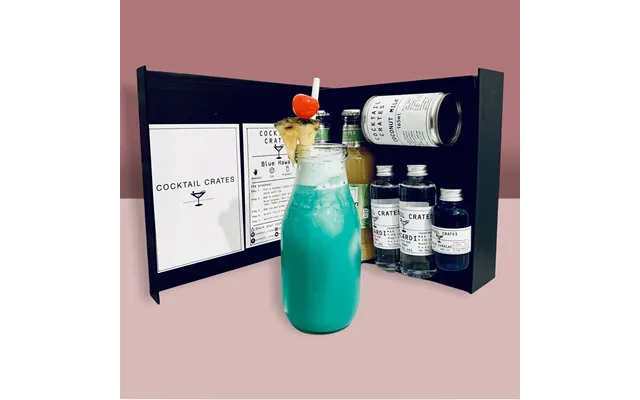
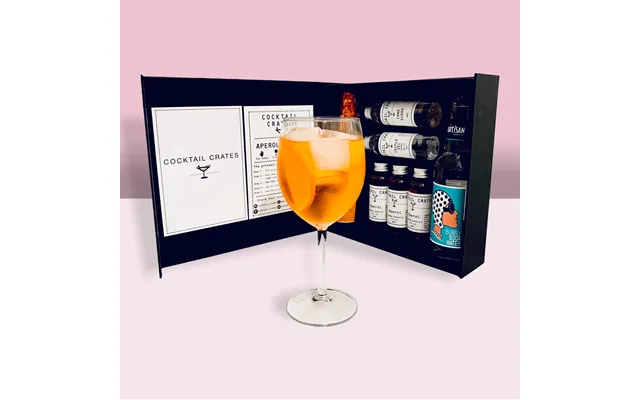
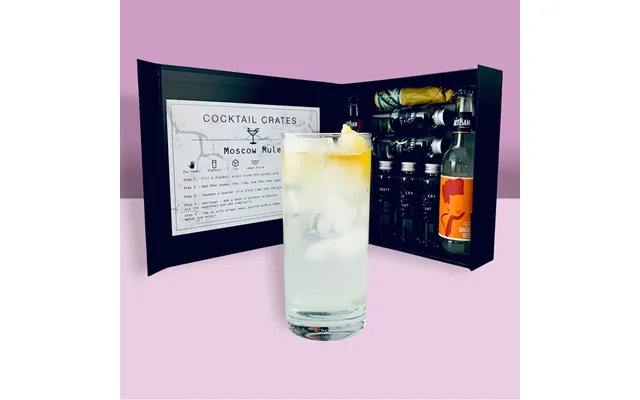
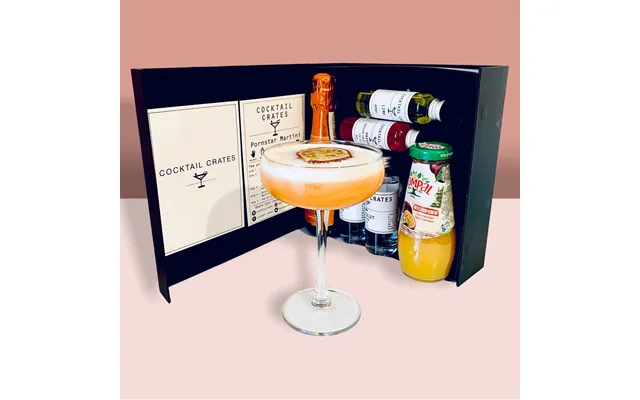
Cocktail Crates began as a simple idea: bring the cocktail bar experience into the living room. Founded in the mid-2010s by a group of friends who loved mixing drinks and hosting, the brand grew from weekend experiments into a full business. They saw a gap in the UK market for curated, ready-to-mix cocktail kits that made high-quality drinks easy, fast, and fun.
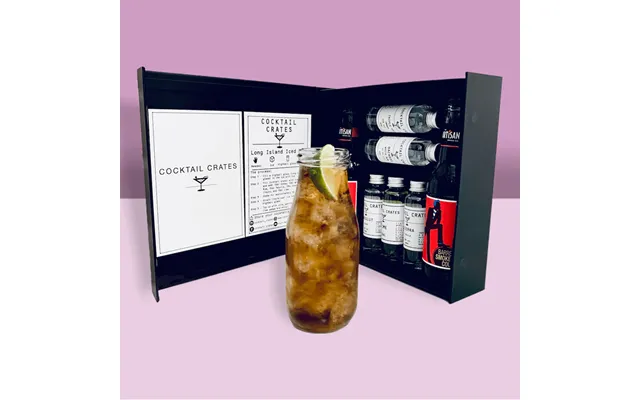
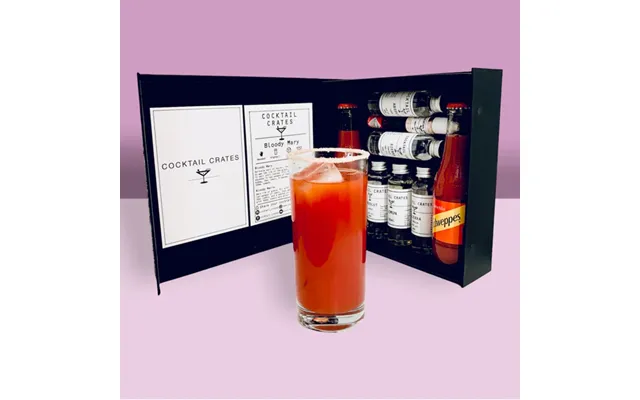
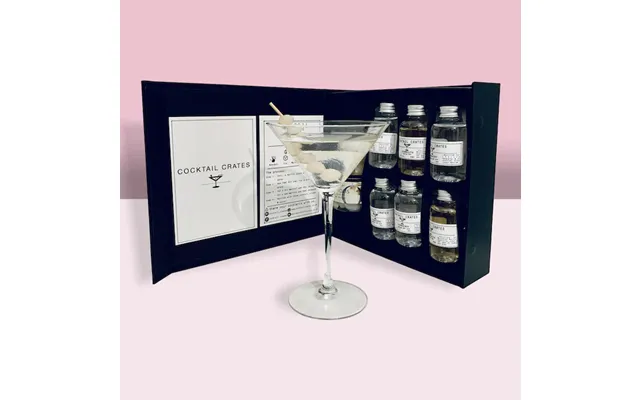
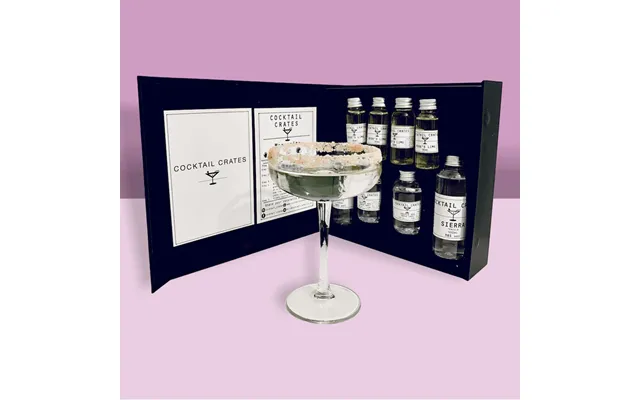
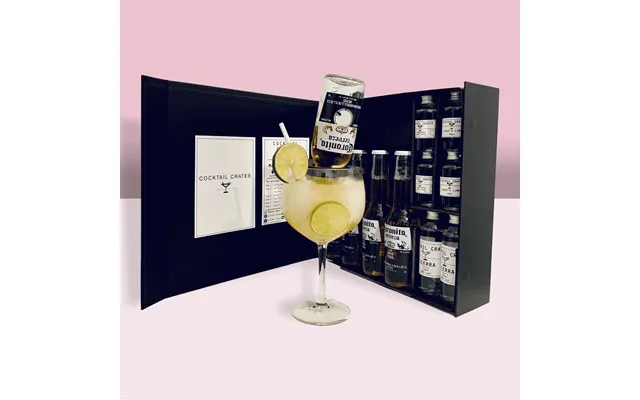
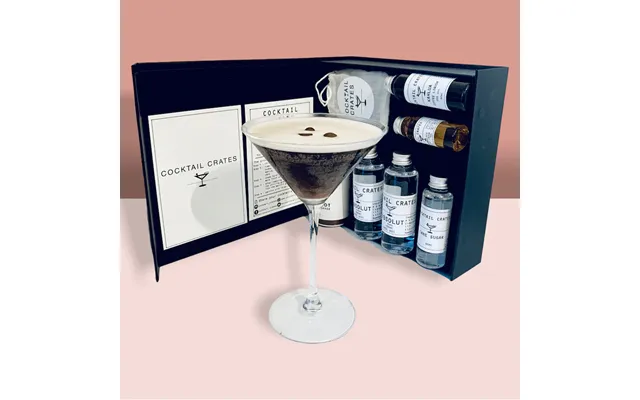
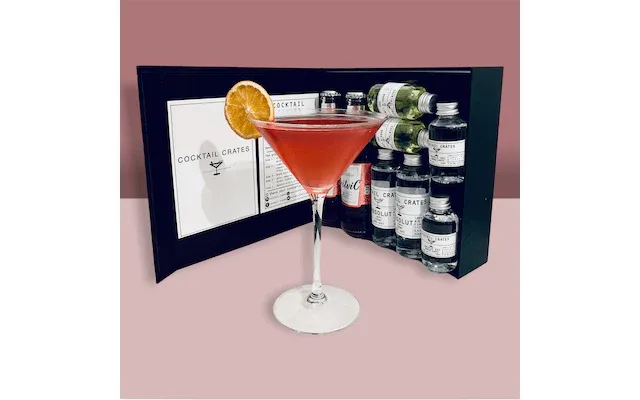
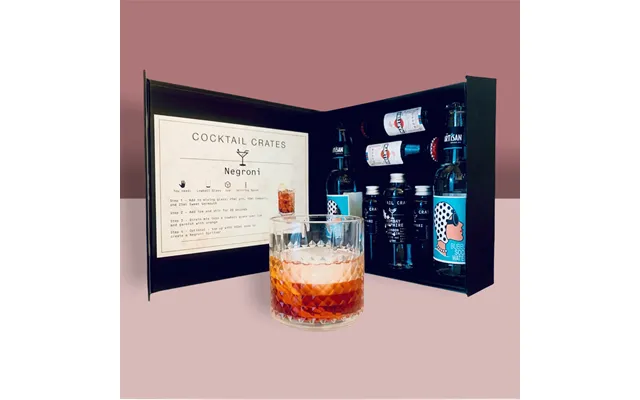
The founders started by testing recipes at home, shipping a handful of kits to friends and family. Word spread. People loved the convenience and the novelty — the box with measured spirits, fresh mixers, and recipe cards made cocktail-making approachable. That positive feedback helped the founders shift from hobby to company. The first official Cocktail Crates package focused on classic cocktails: Old Fashioned, Espresso Martini, and Negroni.
They launched online, leaning heavily on social media and influencer partnerships. Early success came from standout unboxing moments and clear, simple photography. The model was subscription-friendly but flexible: customers could buy one-off crates or sign up for monthly deliveries. This hybrid approach attracted both casual buyers and cocktail enthusiasts.
As demand rose, Cocktail Crates expanded their offerings. No longer limited to classics, they introduced seasonal menus, limited-edition collaborations, and themed crates for holidays. They also added premium options with boutique spirits, artisan syrups, and bar tools. The goal was consistent: deliver memorable drinks and an easy, educational experience.
Quality became a brand pillar. Cocktail Crates began sourcing from small distillers and artisan producers across the UK and Europe. Packaging shifted toward recyclable and reusable materials, and the team started to emphasize responsible consumption. These moves helped the brand stand out in a crowded market and appeal to eco-conscious customers.
Beyond home deliveries, Cocktail Crates moved into events and wholesale. They supplied corporate gifts, party boxes, and festival bars. Collaborations with distilleries, food brands, and pop-up bars increased visibility. Select retailers began to stock curated kits, marking the brand’s entry into brick-and-mortar spaces.
Cocktail Crates played a role in normalizing at-home cocktail kits across the UK. They proved that high-quality cocktails could be demystified and packaged without losing soul. Their focus on clear instructions, attractive presentation, and an approachable tone lowered the barrier for many people. Suddenly, host confidence rose and gatherings felt more professional with minimal effort.
Each crate included step-by-step guides and tips — not just a list of ingredients. This educational angle turned customers into repeat buyers who wanted to learn more. Cocktail Crates emphasized technique: shaking vs. stirring, ice choices, and garnish tricks. This helped people feel empowered, not intimidated.
They also influenced trends like pre-batched drinks, low-alcohol cocktails, and cocktail subscriptions. Other businesses copied elements of the crate format, but Cocktail Crates kept a loyal audience thanks to their brand voice and consistent quality.
The UK market now has several players in the cocktail kit space. Comparing Cocktail Crates to competitors helps show strengths and trade-offs. Below I’ll compare four notable names: Cocktail Crates, Make It & Sip It (fictional for context), TippleBox, and Drink Devoted. This will help you choose what fits your needs.
TippleBox is known for monthly subscription boxes that focus on variety and discovery. Where Cocktail Crates emphasizes high-quality, often premium ingredients and premium presentation, TippleBox focuses on experimentation — many small samples so customers can try a wide range. If you want consistent, bar-quality cocktails and a polished experience, Cocktail Crates often wins. If you crave variety and low-cost discovery, TippleBox might suit you better.
Make It & Sip It tends to target a younger, budget-conscious audience with playful themes and low-cost kits. They use mainstream spirits and simplified recipes. Cocktail Crates leans toward more refined choices: craft spirits, better mixers, and more detailed instructions. If you want a fun party vibe without fuss, Make It & Sip It is a fine pick. If you want a cocktail that tastes like it came from a good bar, Cocktail Crates is the safer bet.
Drink Devoted (another popular name) emphasizes bespoke and customizable kits. They let customers build their own crates based on spirit preference and dietary restrictions. Cocktail Crates offers some customization but focuses more on curated experiences and themed boxes. For someone who loves tailoring every detail, Drink Devoted offers flexibility. For someone who wants expertly chosen combinations and surprise themes, Cocktail Crates provides a ready-made delight.
Cocktail Crates positions itself in the mid-to-premium tier. Prices are higher than mass-market kits but reflect better ingredients, attractive packaging, and a polished user experience. Their target is adults aged 25–45 who enjoy entertaining and are willing to pay slightly more for convenience and quality.
Compared to going to a cocktail bar, Cocktail Crates is often cheaper per drink. You get measured spirits, mixers, and garnishes while skipping the bar markup and the queue. That said, once you factor in delivery and premium spirits, it can approach bar prices. The value comes from convenience, learning, and the home experience.
The brand’s flexible subscriptions make it easy to pause, gift, or buy single crates. This is attractive for gift buyers and occasional hosts. Occasional buyers often prefer a one-off crate paired with clear gifting options, while regular drinkers enjoy the predictability of a subscription.
Customer experience has been central to Cocktail Crates’ success. They cultivated a friendly, helpful tone in marketing. Social media posts show real people making drinks, not staged ads. That approach built trust and community. Customers share photos, swap tips, and propose new flavor ideas that sometimes make it into future crates.
Customer support is practical and responsive. They offer recipe cards, online how-to videos, and pairings for food. These resources make the kits more than a product — they become a learning tool. This aftercare keeps customers coming back.
User photos and reviews drive discovery. Seeing a friend unbox a crate is a powerful endorsement. The brand often features customer creations, motivating others to try and share their own twists. That word-of-mouth momentum helped Cocktail Crates scale faster than traditional advertising alone.
Like any business, Cocktail Crates has clear strengths and a few weak spots. Recognizing these helps understand where the brand might head next.
Quality, branding, and user experience are big wins. Cocktail Crates nails packaging, recipe clarity, and product selection. Their collaborations and event presence amplify reach. They also ride trends well — think low-ABV options and sustainable packaging.
Higher price points can deter budget buyers. Delivery costs and alcohol regulations can complicate shipping, especially for international orders. Also, as more competitors enter the market, maintaining uniqueness requires constant innovation.
There’s space to expand into cocktail education — workshops, masterclasses, and virtual mixology events. Retail partnerships and pop-up experiences in major UK cities could attract new customers. Finally, launching a budget-friendly line or travel-sized kits could open the brand to a broader audience.
Operating a business that sells alcohol comes with rules. Cocktail Crates has to follow UK licensing laws, verify customer age, and ensure safe shipping. They also promote responsible drinking, usually including guidance on standard drink sizes and suggestions to drink water alongside cocktails.
They conduct age verification at checkout and include responsible drinking messages in their marketing. That’s important for legal compliance and social responsibility. Encouraging moderation and offering low-ABV options shows the brand takes this seriously.
Switching to recyclable materials and minimizing waste helps reduce environmental impact. Cocktail Crates’ push toward reusable glass bottles and compostable inserts reflects customer demand for greener options. It’s also smart business — many buyers prefer brands that think about the planet.
The future looks promising. Cocktail Crates could become a household name for home mixology. Potential moves include international expansion, creating a permanent retail pop-up, launching a premium spirits line, or offering seasonal membership perks. Each path would build deeper connections with customers.
Using data to personalize boxes — recommending cocktails based on past choices or mood quizzes — could boost long-term retention. Apps or online communities could foster engagement and make it easy to reorder favorite crates.
Turning crates into full event packages, with virtual bartenders or on-site mixologists for corporate events, would multiply revenue streams. Imagine gifting a crate to employees along with a live mixology session — that’s a powerful combination.
Cocktail Crates grew from a friendly idea into a brand that reshaped how people in the UK drink at home. It blends quality, education, and convenience in a neat package. While the market is crowded, Cocktail Crates remains relevant thanks to clear branding, consistent product quality, and a community-first approach. Whether you want to impress guests, learn to mix, or enjoy bar-quality drinks at home, they provide a compelling option. With sensible expansion and continued focus on sustainability and education, Cocktail Crates looks set to keep stirring the home cocktail scene for years to come.