












Cottsbury price list
Last updated Friday, 18 Sept 2026






| Store | Status | today | distance |
|---|
Loading...
Loading...
Last updated Friday, 18 Sept 2026
Cottsbury began as a small family-run shop in a Cotswolds market town in the early 20th century. It started with a single storefront selling homewares and textiles, a quiet place where locals found dependable goods and friendly faces. Over time, word of mouth carried its reputation beyond the village, and Cottsbury slowly grew into a recognised regional name. The shop kept its old-fashioned values—service, quality and a sense of place—while adapting to the wider retail world.
The founders were a couple with an eye for textiles and housewares. They stocked practical items at fair prices and paid attention to their customers’ needs. That attention earned loyalty, the kind that lasts through generations. As the family added new lines—kitchenware, bedding, seasonal gifts—the business expanded to neighboring towns. Growth was careful and deliberate, not a flashy race to scale, which helped preserve the store’s character and made Cottsbury feel like an extension of the community.
Cottsbury’s history is a story of steady adaptation. Each era brought a new challenge: wartime shortages, post-war rationing, the rise of supermarkets, and later the internet. Cottsbury navigated these by mixing tradition with practical innovation. For example, during wartime they focused on essentials and mended goods for customers. In the 1960s and ’70s they introduced ready-made curtains and patterned fabrics that matched changing tastes. The store modernised its retail footprint slowly—updating fixtures, adding seasonal displays, and later creating a mail-order catalog before going online.
When the web became central to retail, Cottsbury didn’t rush into flashy e-commerce. Instead, it built a straightforward online shop that mirrored the in-store experience: clear product descriptions, honest photography and helpful customer service. The site was meant to extend the store’s reach while keeping its tone friendly and low-pressure. Social media was used sparingly—more to tell stories about products and staff than to push constant promotions. This conservative, human-first approach kept longtime customers engaged and attracted new buyers who craved authenticity.
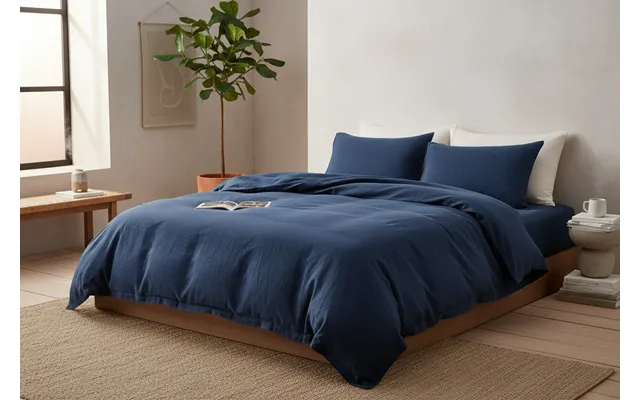
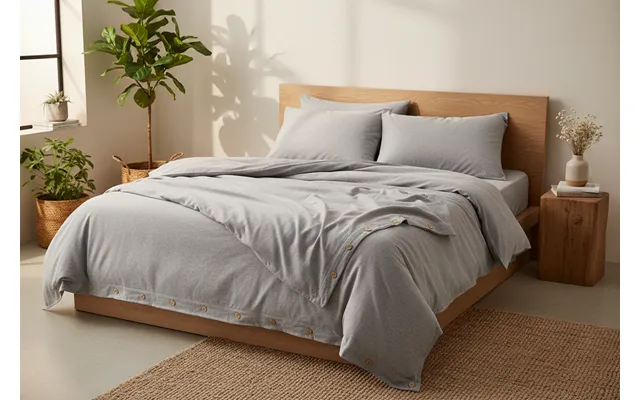
Cottsbury is known for a curated product selection, not an overwhelming inventory. Think well-made bedding, classic kitchen essentials, handcrafted gifts, and seasonal décor. The emphasis is on quality and value, not trend-chasing. Shoppers come for reliable items that will last, and for the knowledgeable staff who give straightforward advice. The store layout aims to feel warm and familiar: wooden shelving, clear categories and little touches—a cup of tea at the counter, handwritten gift notes—that make shopping feel personal.
To differentiate itself, Cottsbury developed a small range of private-label goods inspired by local crafts. These pieces reflected regional materials and traditional patterns, giving shoppers something they couldn’t find in big-box retailers. The store also collaborated with small British makers, stocking ceramics and textiles from independent artisans. These partnerships reinforced the brand’s local roots and provided unique offerings that supported the wider community of makers.
The heart of Cottsbury’s success is its customers. Many are long-term locals who have shopped there for decades. But Cottsbury also draws weekend shoppers and tourists seeking authentic British homewares. Community events—seasonal fairs, craft workshops, and donation drives—helped the store become more than a retail outlet; it became a local hub. When times got tough, customers often rallied around the shop, demonstrating a reciprocal loyalty that many national chains struggle to achieve.
Staff at Cottsbury are trained to provide practical, friendly help rather than hard sells. Need a recommendation for a duvet tog for a cold guest room? They’ll guide you. Looking for the right fabric for curtains? They’ll measure and suggest options. This kind of service builds trust. In a world of self-checkouts and automated emails, Cottsbury’s personal touch is a competitive advantage.
How does Cottsbury compare to better-known UK stores like John Lewis, Marks & Spencer (M&S), Next, Dunelm, and Habitat? Each competitor occupies a different niche. John Lewis is a department store known for broad product ranges and strong customer guarantees. M&S covers food and clothing with a recognizable brand. Next is fashion-first with home ranges. Dunelm focuses on home furnishings with aggressive value pricing. Habitat leans modern design. Cottsbury sits between specialist independent shops and larger chains—offering curated selections and local flavour rather than mass-market breadth.
John Lewis is large, offering huge choice and nationwide delivery. Its price points vary and its customer service promise is strong. Cottsbury can’t match John Lewis on scale or range, but it competes on personality and specialist knowledge. Where John Lewis is reliable and expansive, Cottsbury feels intimate and carefully curated. Customers who value unique finds and a neighborly shopping experience will prefer Cottsbury; those needing one-stop shopping or big-ticket appliances may lean John Lewis.
M&S and Next have wide recognition and strong clothing lines that complement their home ranges. Their strength is consistency: familiar styles and frequent promotions. Cottsbury’s homeware choices are less about fashion-forward drops and more about timeless pieces. If you want trend-led cushions or the latest seasonal looks, Next and M&S might win. But if you want durable tableware and classic linens, Cottsbury’s selection and staff expertise offer a reassuring alternative.
Dunelm competes on price and vast inventory. You can find very affordable items there, often in bulk. Habitat, by contrast, focuses on stylish modern design. Cottsbury positions itself between them—more curated than Dunelm and less design-focused than Habitat. It leans towards craft, quality, and local stories. For shoppers seeking handcrafted pieces and a human connection, Cottsbury can feel more meaningful than the mass-market feel of larger stores.
Cottsbury’s strengths are its heritage, customer service, curated assortment and local ties. It offers a sheltered shopping experience—less noise, more guidance. These attributes create loyalty and repeat visits. On the flip side, Cottsbury struggles with scale, meaning limited economies on pricing, smaller nationwide reach, and fewer marketing resources. It may miss out on customers who want the convenience of same-day delivery or an enormous variety in one location.
Small stores like Cottsbury face rising rent, staffing, and supply costs. Seasonal demand can be unpredictable. Technology improvements require investment, from e-commerce platforms to inventory software. Still, targeted investments—improving the online presence, flexible shipping options, and partnerships for exclusive products—have allowed Cottsbury to survive and sometimes thrive. The shop’s agility is an asset: it can trial new ideas quickly and pivot when needed.
To grow beyond its local base, Cottsbury embraced modern marketing slowly but smartly. Content marketing became a cornerstone: blog posts about home care, videos on how to choose bedding, and seasonal gift guides. These pieces were written to answer common questions, creating natural search traffic. Local SEO was another focus: optimising Google Business listings, encouraging reviews, and featuring local landmarks in content so the store showed up for searches like “homewares near me” or “Cotswolds gift shop.”
Rather than chasing follower counts, Cottsbury used social platforms to tell stories—meet the maker posts, behind-the-scenes looks, and short how-to videos. This built an audience interested in the brand’s ethos. Paid advertising was used sparingly, mainly for seasonal campaigns. The result: steady online growth that didn’t dilute the store’s voice. Organic content, local engagement and clear product pages helped Cottsbury punch above its weight in search results.
Today’s shoppers care about where their goods come from. Cottsbury responded by highlighting sustainable practices and transparent sourcing. It developed relationships with British suppliers and showcased the provenance of materials. Packaging was simplified and often recyclable. These decisions appealed to conscious consumers and added depth to the store’s value proposition—customers felt their purchases supported ethical choices and local craft.
There’s a trade-off: ethical sourcing can raise prices. Cottsbury managed this by offering a range of price points—some artisanal splurges alongside sturdy, budget-friendly basics. This balanced approach kept the store accessible while still supporting higher-welfare products. The messaging was clear: sustainability wasn’t exclusive, it was an option customers could choose if they wanted to support it.
Looking ahead, Cottsbury has several viable paths. It could deepen digital capabilities—improve its online search features, offer personal shopping appointments virtually, or expand into subscription boxes for home accessories. Another route is regional franchising or pop-ups in urban areas to test new markets without heavy upfront costs. Continuing to collaborate with makers and to offer exclusive lines will help sustain its identity while growing revenue.
Risk comes from larger retailers expanding into local, authentic experiences and from economic uncertainty affecting discretionary spending. But opportunities are abundant: consumers seeking authenticity, the growth of stay-at-home lifestyles, and demand for quality home goods. By staying true to its roots and investing selectively in tech and partnerships, Cottsbury can stay relevant and even lead in its niche.
Cottsbury’s history is a reminder that small, values-driven stores can survive and thrive by blending tradition with smart, modern choices. It isn’t the biggest player, but it fills a space many shoppers still crave: personal service, well-made items and a story behind every purchase. For those who seek more than just a transaction, Cottsbury offers a shop that feels like home.