

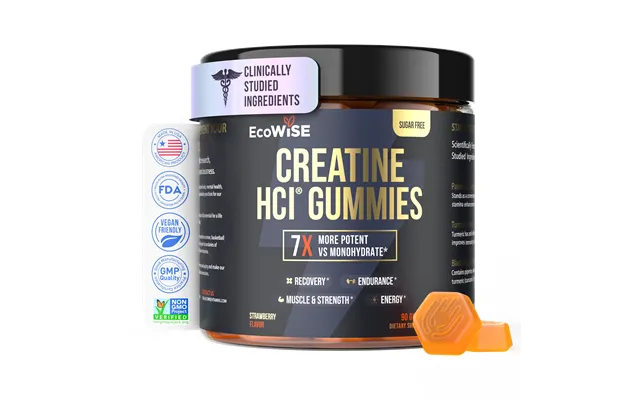
Ecowise price list
Last updated Thursday, Sep 3, 2026
| Ecowise | Price |
|---|---|
| Creatine Hci Gummies | £48.00 |






| Store | Status | today | distance |
|---|
Loading...
Loading...
Last updated Thursday, Sep 3, 2026
| Ecowise | Price |
|---|---|
| Creatine Hci Gummies | £48.00 |
Ecowise didn’t spring up overnight. It started as a single idea: sell good products without the guilt. The founders—often driven by a mix of frustration with wasteful packaging and a passion for healthier living—opened the first UK store in the early 2000s. Back then, "eco" was a niche label. Today it’s a mainstream expectation. Ecowise rode that wave, growing slowly and carefully while keeping principles in place.
The early team wanted three things: quality, transparency, and minimal environmental impact. That meant sourcing from trusted suppliers, avoiding greenwashing, and making product labels clear. The mission sounded simple, but delivering it required effort: vetting suppliers, testing ingredients, and investing in education for staff and customers alike. The aim was to make sustainable choices easy for everyday shoppers.
The first Ecowise shops tended to open in city neighborhoods where people were already thinking about health and planet-friendly living. Small, local, and community-minded, these stores became more than retail spaces; they turned into hubs for workshops, talks, and swap events. That early community focus helped Ecowise build loyal customers who felt they were supporting something meaningful.
Growth at Ecowise has been pragmatic, not frenetic. The brand gradually added more shops and expanded its online presence. Investment was aimed at systems that mattered: better supply chain traceability, refill stations, and clearer sustainability reporting. This steady approach allowed Ecowise to scale without losing the identity that made it trusted.
Like every modern retailer, Ecowise had to master online sales. But it did more than put products on a website. The store invested in content—guides, blog posts, and how-to videos—designed to help people make greener choices. Customers started to rely on Ecowise for both products and practical advice, increasing loyalty and lifetime value.
Initially focused on personal care and household items, Ecowise broadened its range to include food staples, reusable goods, and eco-friendly baby products. The expansion was customer-led: shoppers asked for items they couldn’t find elsewhere, and Ecowise responded. The result is a curated selection that balances ethical standards with real-world usefulness.
Lots of stores claim to be green. Ecowise tries to prove it. The differences are in small decisions: choosing packaging that’s actually recyclable in UK councils, working with local producers, providing refill stations, and being transparent about ingredient sourcing. These choices translate to trust.
Ecowise places weight on supplier relationships, preferring long-term partnerships to quick wins. Suppliers often provide traceability information and audits, which Ecowise shares with customers. The clarity builds credibility and allows shoppers to feel confident about the origin of what they buy.
Many Ecowise stores host events to help customers adopt sustainable habits. Instead of only selling products, the stores teach how to reduce waste, interpret labels, and choose genuinely sustainable items. This educational push helps customers make better choices and keeps them coming back.
No growing brand avoids bumps in the road. Ecowise has had to manage supply chain hiccups, rising costs, and the complexity of scaling sustainability standards across multiple sites. Balancing accessibility (affordable pricing) with ethical sourcing is an ongoing tension. But every challenge pushed the company to innovate.
Retail giants can undercut smaller chains on price. Ecowise counters that with better product curation, education, and personalized service. The goal is to retain customers who care about value beyond the lowest price—those who want products that align with their values.
As more customers look for eco-options, the risk of greenwashing increases across the market. Ecowise combats this by keeping its vetting strict and by communicating clearly about what its certifications mean—and when a product doesn’t meet their standards, they say so. Honesty becomes a brand differentiator.
To understand Ecowise, it helps to compare it with other UK players. Below are comparisons with several well-known names in the sustainable and natural retail space. Each competitor has strengths; Ecowise has a specific mix of focus and community orientation that sets it apart.
Holland & Barrett is one of the UK’s largest health and wellness chains. It has scale, range, and brand recognition. But that scale sometimes translates into a more generic experience. Ecowise offers a more curated selection, deeper local connections, and stronger emphasis on refill and zero-waste options. If you want a huge range of supplements, Holland & Barrett may win. If you want curated, sustainably vetted everyday items and an in-store community vibe, Ecowise often feels more personal.
Online eco-retailers can carry thousands of items and serve the whole UK easily. Their advantage is choice and convenience. Ecowise competes by combining online convenience with brick-and-mortar trust—customers can smell a soap, test a shampoo, or refill containers in person. Ecowise also tends to keep returns and consumer education front and center, reducing buyer uncertainty.
Lush built its brand on handmade cosmetics and strong ethics. Ecowise may stock similar brands but also includes household and grocery categories. Lush’s theatrical in-store experience is a draw, but Ecowise’s approach is more functional and educational. Ecowise appeals to shoppers who want sustainable options across many parts of life, not just beauty.
Planet Organic and other health-food supermarkets focus primarily on food and supplements, often with café or deli elements. Ecowise overlaps in bulk food and zero-waste staples but extends into home-care and personal-care categories with a stronger emphasis on sustainability certifications. For foodies, Planet Organic might offer more variety. For shoppers looking for one-stop green shopping across home and personal care, Ecowise is often more balanced.
Walk into an Ecowise store and you’ll notice the helpful staff, clear labeling, and an uncluttered layout. It’s meant to be inviting, not intimidating. Customers often say they appreciate clear guidance rather than marketing fluff. The stores aim to make sustainable living feel achievable, not preachy.
Refill stations are a highlight. Bring your containers, and you can top up cleaning liquids, hand wash, shampoo, and even some dry goods. Some sites run repair cafes, swap events, or composting workshops. These services reinforce the brand as a problem-solver, not just a place to buy stuff.
Ecowise’s e-commerce focuses on an easy, educational shopping journey. Items come with clear sustainability notes, suggested replacements for single-use items, and bundling options to encourage greener habits. Delivery options include low-carbon choices like consolidated shipments and minimal packaging on request.
Certifications matter to many customers. Ecowise typically works with recognized certifications—organic, Fair Trade, cruelty-free, and specific eco-labels relevant to individual categories. But certifications are only part of the story; Ecowise also audits suppliers and prefers traceable supply chains. The aim is to support products that deliver environmental and social benefits, not just satisfy a label.
Packaging is a practical battleground. Ecowise prioritizes recyclable materials, compostable alternatives, and refillable formats. The brand also pushes suppliers to reduce unnecessary layers of packaging and to use materials that local councils can actually recycle. This avoids the common pitfall where "recyclable" on a label doesn’t match local recycling capabilities.
Logistics can be a hidden source of emissions. Ecowise seeks to minimize these through regional distribution centers, consolidated delivery options, and encouraging in-store pickup. While not carbon-neutral by default, the company reports on progress and invests in mitigation where possible.
Ecowise attracts a broad mix: young professionals, families trying to reduce waste, and older consumers seeking healthier products. The common thread is intentionality. These shoppers want clearer choices and are willing to pay a bit more for products that align with their values. Ecowise’s marketing leans on storytelling—real supplier stories, transparent ingredient breakdowns, and practical how-tos.
Local partnerships—think small producers, urban farms, and community groups—strengthen Ecowise’s local credentials. Collaborations help bring unique products into stores and reinforce the brand’s local presence. Customers often notice these collaborations and appreciate the distinctiveness they add to each shop.
On the web, Ecowise invests in content designed to answer real questions: “How do I reduce plastic in the kitchen?” “Which shampoo bars are best for sensitive scalp?” This practical content drives organic search traffic and builds trust. A good blog strategy combined with product pages that answer intent helps Ecowise rank for key eco-friendly search terms in the UK.
The future for Ecowise is about scale with soul. There’s room to grow by opening more community-focused stores, expanding refill networks, and deepening online education. Collaboration with local councils on recycling and partnering with producers for lower-carbon logistics offer clear opportunities. The challenge will be to keep standards high while reaching more customers.
Look for more subscription models (regular refills), rental or reuse schemes, and community hubs that combine retail with repair and learning. Technology can also help: better traceability through blockchain-like tools or apps that tell customers where each product came from and its environmental impact.
Demand for green products will keep increasing. The test for Ecowise will be whether it stays authentic. That means continuing strict vetting, honest marketing, and local engagement. If it does, Ecowise can grow while still feeling like a trusted neighbour rather than a faceless chain.
Ecowise’s story in the UK reads as a steady commitment to practical sustainability. It didn’t chase hype. Instead, it built systems—refills, clear sourcing, community events—that make sustainable living doable. Compared with large chains and online marketplaces, Ecowise wins on curation, education, and local ties. The road ahead involves balancing growth with credibility, but the brand’s foundations look solid: people want better choices, and Ecowise works to make those choices simple and real.