


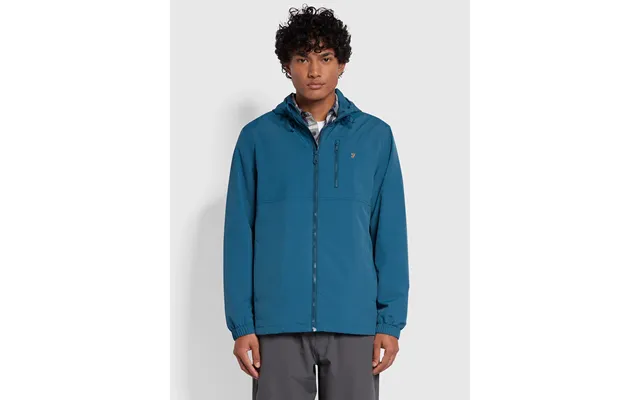
Farah price list
Last updated Sunday, 27 Sept 2026


| Store | Status | today | distance |
|---|
Loading...
Loading...
Last updated Sunday, 27 Sept 2026
Farah started as a small, determined idea and grew into a symbol of smart, approachable menswear. The brand has roots stretching back to the early 20th century, when immigrant entrepreneurs looked to craft clothing that blended durable workwear with a clean, modern look. In the UK, Farah became known for its straightforward styling and reliable quality. That mix of practicality and flair helped it find a loyal audience who wanted something more polished than plain high-street basics.
Every brand has a beginning that shapes its character. Farah’s early story centers on family-run operations and a strong emphasis on tailoring. The company leaned into classic silhouettes—smart trousers, sharp shirts and practical outerwear—that were easy to wear and easy to pair. That backstory gave Farah a reputation for solid design and a no-nonsense approach to style.
Brands don’t stay still. Farah evolved with the times, moving from work-focused clothing to pieces that fit social life, nightlife and weekend culture. In the post-war years and through the swinging sixties, menswear shifted dramatically. Farah adapted its patterns, cuts and fabrics to reflect changing tastes, while keeping its signature clean lines. That blend of continuity and change is a big reason the brand stuck around.
In the 1960s and 1970s, fashion got bolder. Farah leaned into that atmosphere with slimmer fits and sharper collars. Later, during the rise of casual dressing, the label introduced knitwear, polos and more relaxed trousers. Each shift opened the brand to new customers: young men exploring style for the first time, office workers wanting comfort and function, or older shoppers who valued quality without fuss.
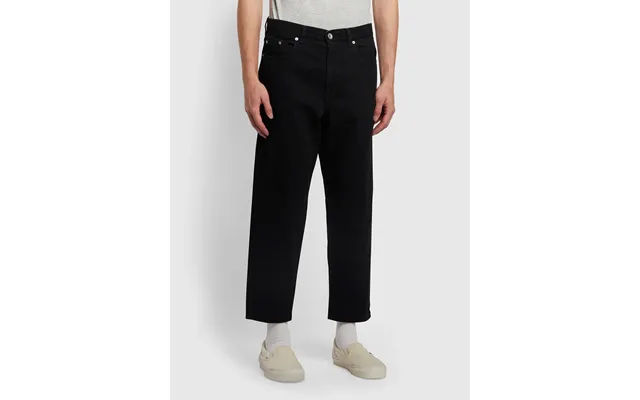
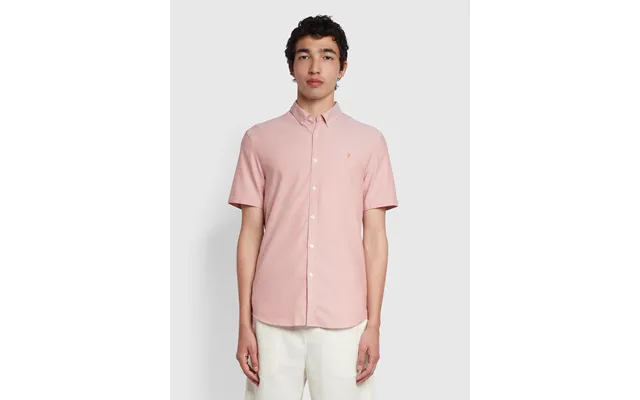
When people think of Farah, certain images come to mind: tidy tapered trousers, sharp button-down shirts, and classic outer layers. These items aren’t flashy. They’re consistent. That consistency is itself a selling point—Farah pieces mix and match easily, making a wardrobe feel more coherent with minimal effort. Think of Farah as the reliable toolbox of menswear: essential, solid, and dependable.
Farah tends to favor hard-wearing fabrics that still feel comfortable. Cotton twills, breathable shirtings and treated outer shells feature in many collections. The tailoring leans toward practicality: reinforced seams, clean hems and cuts that flatter without being tight. The result is clothing that holds up to daily wear and still presents well for casual or semi-formal occasions.
Expanding from a small label to a household name in the UK took strategy. Farah used partnerships with department stores, clever window displays and consistent advertising to build recognition. It also embraced subcultures—especially in Britain, where music, scooters and street style influenced menswear choices. By aligning with cultural touchpoints, Farah stayed relevant without losing its classic identity.
Farah’s approach balanced online channels with physical retail. High-street concessions and multi-brand shops helped customers try before they bought, while an improving e-commerce presence made the brand accessible beyond city centers. Farah’s pricing strategy—mid-market, not bargain-basement but not luxury—hit a sweet spot for many shoppers looking for value and style.
There are several UK labels and retailers that play in the same space as Farah. Think of brands like Ben Sherman, Ted Baker, Jack Wills, and Reiss. Each has its identity, and comparing them reveals what sets Farah apart—and where it faces the toughest competition. Let’s break it down on key points shoppers care about: price, style, quality and customer base.
Farah sits comfortably in the mid-market. It’s generally more affordable than Reiss and often slightly cheaper than Ted Baker, though sales and collections vary. Ben Sherman competes closely on price, especially during promotions, but tends to focus more on shirts and heritage patterns. If you want good value—a durable shirt or a pair of smart trousers without paying designer prices—Farah often delivers.
Style-wise, Farah is understated. Where Ted Baker plays with bold patterns and distinctive branding, Farah stays reserved. Ben Sherman leans into mod and heritageshirts, while Jack Wills targets a younger, preppy audience with campus-ready looks. Reiss positions itself as a more fashion-forward, premium option. If your taste runs to classic, wearable wardrobe staples, Farah is a comfortable match.
Quality varies across these brands but the differences are telling. Reiss often uses finer fabrics and more sculpted tailoring, targeting a premium shopper. Ted Baker invests in unique detailing and finishes. Farah prioritizes robustness: seams that last and fabrics that handle everyday wear. The brand doesn’t aim to be luxury; it aims to be reliable. That makes Farah an attractive option for practical buyers who still want a polished look.
Farah pieces tend to respond well to simple care—regular washing, occasional ironing, and basic repairs when needed. Higher-end brands might need more delicate handling or specialist cleaning to maintain their finish. For everyday durability, Farah usually scores higher for people who want garments that can withstand the pace of modern life.
Who buys Farah today? The customer base is broad. You’ll find older shoppers loyal to the brand’s legacy, young professionals building work wardrobes, and style-conscious customers who prefer subtlety over flash. The brand’s perception is modern-traditional—trustworthy without being boring. It has earned a reputation as a brand you can depend on for well-cut, sensible clothing.
People pick Farah for several reasons: consistent sizing, useful designs, and a look that fits multiple settings. Shopping habits also play a role. If you value clothes that don’t shout but make you look put-together, Farah fits the bill. It’s a safe choice that still says you care about how you present yourself.
Competition is fierce. Fast-fashion brands undercut prices and trend-driven labels chase attention with seasonal marketing. Farah’s challenge is staying current without losing its identity. That’s also an opportunity. By leaning into sustainability, transparent sourcing, or limited-edition collaborations, Farah can attract younger shoppers while keeping older customers happy.
Online visibility matters. Farah has invested in e-commerce and social media, but the digital race never stops. Brands that personalize shopping experiences, offer virtual fittings, or create compelling storytelling will win more loyalty. Farah’s story—heritage meets modern life—can be amplified through smart content, influencer partnerships, and improved online tools.
Over the years, Farah has dipped into collaborations and cultural tie-ins to stay relevant. Working with music scenes, creative directors, and capsule collections helps refresh the brand without a complete overhaul. These moves echo earlier decades when fashion and culture mixed on the streets—an approach that keeps the brand visible and interesting.
Farah walks a line between streetwear relevance and heritage charm. Brands that lean too hard on either side risk alienating the other audience. Farah’s strength is balance: it nods to vintage influences while offering modern fits. That balance can be its competitive edge in a market where extremes attract attention but may lose steady customers.
Like every clothing brand, Farah must navigate sustainability pressures. Consumers expect better materials, fair labor practices, and transparent business models. Farah can respond by adopting recycled fabrics, reducing waste in production, and communicating progress clearly. These changes are practical and market-smart: they improve brand trust and open new sales channels.
Real change doesn’t need to be dramatic. Start with clearer labelling, better repair services, and small capsule collections made from sustainable fibers. These moves show customers that the brand takes responsibility seriously, and they provide tangible reasons to choose Farah over cheaper, less ethical alternatives.
Farah’s journey in the UK is a lesson in steady evolution. It didn’t explode overnight, nor did it stay stuck in one era. The brand adjusted thoughtfully, maintained a clear identity and offered clothes that fit real life. Today, Farah stands as a reliable middle ground between budget labels and high-end designers—a brand that values practicality as much as style.