

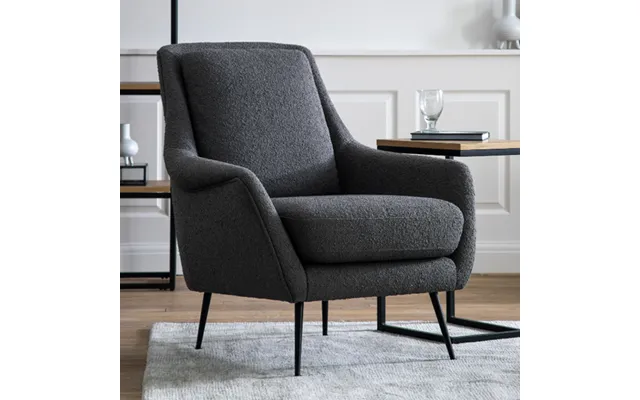
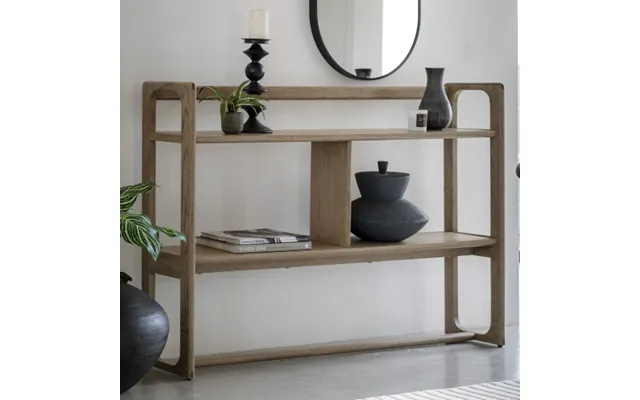
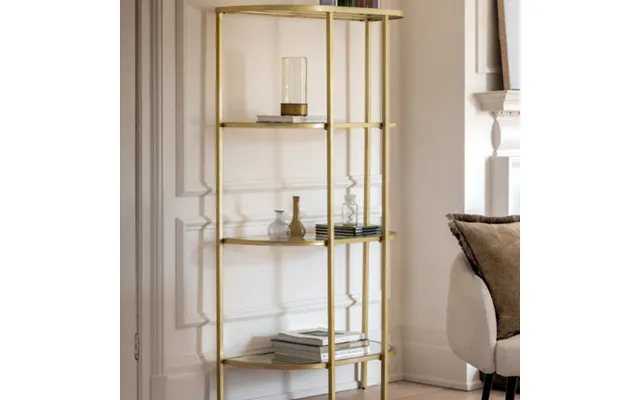
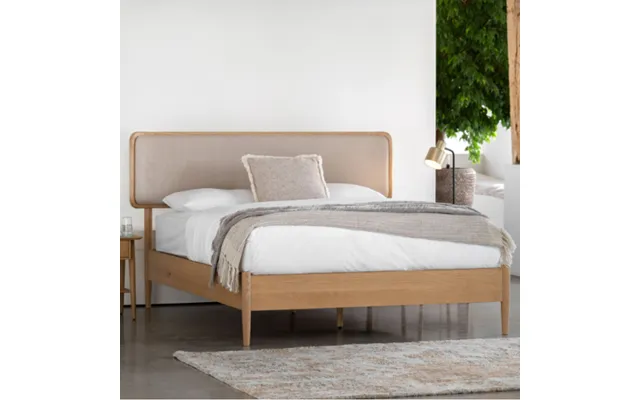

Furniture in Fashion price list
Last updated Saturday, 19 Sept 2026






| Store | Status | today | distance |
|---|
Loading...
Loading...
Last updated Saturday, 19 Sept 2026
Furniture in Fashion began as a small, determined venture in the UK furniture scene. Founded by people who cared about style but also about sensible pricing, the store aimed to bridge the gap between mass-market chains and expensive boutique designers. Think of it as the friendly neighbor who knows great taste but doesn't want to empty your bank account.
The founders focused on three simple ideas: quality, style, and affordability. They believed that good furniture should not be a luxury reserved for a few. Instead, it should be reachable for families, first-time buyers, and anyone wanting to refresh a room without stress. From day one, those principles shaped sourcing, design choices, and customer service.
In the early years, Furniture in Fashion grew steadily. Small showrooms opened up across several UK towns. The store built a reputation for timely deliveries and friendly staff who could guide customers through material choices and room layout tips. Word-of-mouth helped, and soon local interiors blogs and community groups were mentioning the brand.
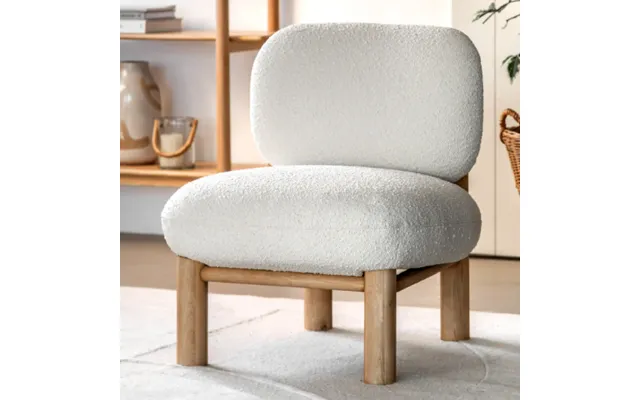
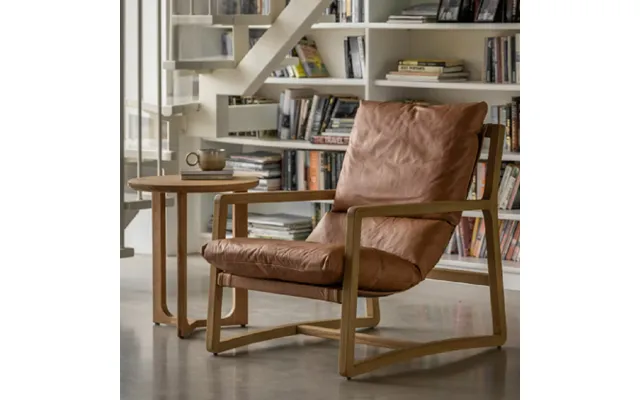
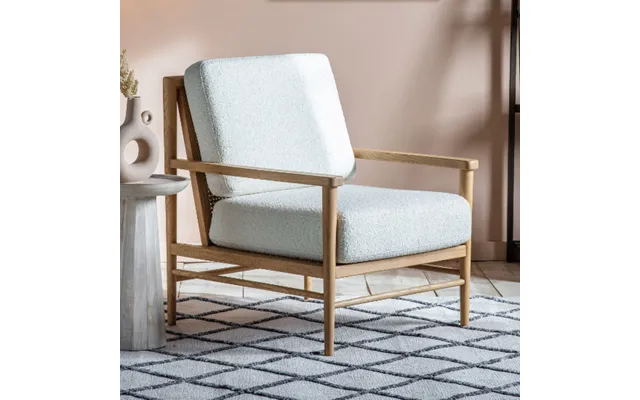
What sets Furniture in Fashion apart is its commitment to balanced design. Their collections aim for a middle ground: modern without being cold, classic without being predictable. The offer covers living room sofas, dining sets, bedroom furniture, and accessories. They often mix natural materials like oak with softer fabrics to create pieces that feel both modern and welcoming.
You'll notice recurring themes: clean lines, practical storage, and muted colors. These choices are not accidental. They make pieces versatile so they fit into many homes easily. Whether a flat in Manchester or a cottage in Cornwall, Furniture in Fashion’s styles aim to be adaptable.
The store sources from a mix of local and international suppliers. Solid wood frames, durable fabrics, and smart joinery techniques are common in their mid-range lines. They aren’t claiming bespoke craftsmanship like a high-end maker, but they emphasize durable engineering that lasts through daily life and kids’ rough-and-tumble.
Furniture in Fashion operates both physical showrooms and an online shop. The hybrid model fits modern shopping habits. Some customers like to feel a sofa in person before committing. Others prefer the convenience of online browsing with home delivery. The store works to serve both types well.
Showrooms are designed to feel like real rooms. Instead of isolated displays, they stage living areas so customers can imagine how pieces look together. Staff are trained to offer quick design advice and to suggest matching accessories, helping buyers leave with a confident choice.
Online, the site focuses on clear photos, room-style shots, and straightforward delivery information. They offer options like room-of-choice delivery and assembly. This convenience makes them a sensible pick for busy families or people moving homes.
Customer service has been a cornerstone of Furniture in Fashion’s reputation. Many customers praise the store for helpful staff and responsive after-sales support. That human touch—answering calls, resolving delivery hiccups—builds trust, and trust is everything in retail.
They provide standard warranties and have clear return policies. While they don’t have the decade-long guarantees of premium brands, their support tends to be practical and customer-oriented. If something goes wrong, they usually act fast to repair or replace items where appropriate.
Furniture in Fashion often participates in local fairs and charity events. This grassroots connection reinforces the brand’s image as approachable and community-minded. Local partnerships, such as working with interior stylists and small builders, broaden their reach without losing personality.
How does Furniture in Fashion stand up against big names? Let’s compare it to IKEA, DFS, Made.com, Habitat, John Lewis, and Furniture Village. Each competitor has strengths and trade-offs, and Furniture in Fashion occupies a distinct niche between budget chains and premium retailers.
IKEA is famous for low prices and flat-pack practicality. It’s great for students and quick setups. Furniture in Fashion, by contrast, focuses more on ready-to-use pieces and slightly higher quality finishes. You’ll pay a bit more, but you get more assembled comfort and often better materials. If you want convenience and low cost, IKEA wins. If you want a step up in look and feel without designer pricing, Furniture in Fashion is worth a look.
DFS specializes in sofas and offers a wide range of options and fabrics. Their showroom approach is similar, but DFS often pushes heavy promotions and finance deals. Furniture in Fashion competes by offering stylish sofas that feel curated rather than overwhelming. For someone wanting fewer choices but clearer guidance, Furniture in Fashion simplifies the selection process.
Made.com is an online-first brand known for trendy, designer-led pieces. It targets shoppers who want statement items. Furniture in Fashion is more mainstream. You won’t find ultra-contemporary art-piece sofas, but you will find reliable options that last. Made.com is a playground for trend chasers; Furniture in Fashion is a toolbox for everyday homes.
Habitat mixes modern design with mid-range pricing and has a design heritage. Their pieces can feel a touch more sophisticated. Furniture in Fashion borrows some of that modern simplicity but emphasizes broader appeal and value. If you want heritage flair, Habitat might appeal. If you want straightforward value with style, Furniture in Fashion fits better.
John Lewis is a department store with strong customer service and a reputation for quality. Its furniture lines often come with longer warranties and premium options. Furniture in Fashion can’t match John Lewis’s depth or guarantees but competes on more attractive prices and quicker trends. For premium assurance choose John Lewis; for friendly value pick Furniture in Fashion.
Furniture Village positions itself as a near-premium retailer with large showrooms and a wide range. It aims at customers who want a full-scale shopping experience. Furniture in Fashion provides a smaller, more curated selection. That’s an advantage if you dislike being overwhelmed. Instead of hours in a cavernous showroom, you get focused choices that help you decide faster.
Price is often the deciding factor. Furniture in Fashion aims to offer competitive mid-market pricing. They aren’t the cheapest, but they avoid premium markup. The idea is transparent pricing: you see the value in materials and design without feeling upsold. This clarity appeals to budget-conscious buyers who still want a good-looking home.
Like many retailers, Furniture in Fashion uses seasonal sales to move stock. Black Friday and January sales are common, and these events can bring pieces into really attractive price ranges. They also sometimes bundle items—for example, dining set plus chairs—making it easier to buy a coordinated room at a discount.
They typically offer straightforward finance plans and card payments. Finance can be helpful, but it’s worth checking the terms. Some customers prefer saving for a purchase rather than paying interest. Either way, the store keeps payment options flexible to match different buyer needs.
Consumers care about sustainability now more than ever. Furniture in Fashion has taken steps to improve transparency and reduce waste. They source FSC-certified woods when possible and choose suppliers who comply with basic labor standards. It’s not a full eco-brand, but they are moving in the right direction.
They encourage recycling of old furniture through partnerships with local charities and offer guidance on responsible disposal. They also aim to reduce packaging waste and to work with logistics partners that consolidate deliveries to cut emissions.
There’s more to do. Clearer life-cycle information on products and stronger commitments to low-VOC finishes or recycled fabrics would strengthen their sustainability story. But compared to many mid-market retailers, Furniture in Fashion is showing progress and awareness.
Who buys from Furniture in Fashion? The typical customer wants dependable style without risk. That includes young professionals setting up their first home, families refreshing a living space, and older homeowners seeking comfortable updates. The store’s offerings are broad enough to appeal to different tastes but focused enough to avoid confusion.
Primarily UK-based, the store serves urban and suburban markets. Delivery networks cover England, Scotland, Wales, and parts of Northern Ireland. They’re well-suited to buyers who want a national brand with a local feel.
Customer reviews tend to be positive on themes like value and helpful service. As with any retailer, negative mentions often relate to delivery delays or occasional product defects. Overall, repeat buyers cite the pleasant buying experience and functional design as key reasons to return.
The furniture market is competitive and changing fast. E-commerce, supply chain issues, and rising materials costs are ongoing challenges. Furniture in Fashion must balance growth with quality control. If they maintain their focus on customer service and expand selectively, they can sustain momentum.
Expanding the online catalog, adding virtual room-planning tools, and launching a modest premium line could attract a wider audience. Collaborations with interior designers or small-batch artisans could also add flair without huge risk.
Large competitors with deeper pockets can undercut prices. Supply chain disruptions can delay deliveries and harm reputation. Rising raw material costs can squeeze margins. Staying agile, transparent, and customer-focused will help Furniture in Fashion navigate these threats.
Furniture in Fashion has carved a clear spot in the UK furniture landscape: a friendly, mid-market brand that prioritizes style and sensible prices. It’s not the cheapest, nor the most luxurious, but it’s the go-to place for shoppers who want attractive, reliable furniture without drama. Will it become a market leader? That depends on how well it adapts to changing customer habits and global pressures. For now, it remains a solid choice for everyday living.