

iHoverboard price list
Last updated Sunday, Sep 13, 2026





| Store | Status | today | distance |
|---|
Loading...
Loading...
Last updated Sunday, Sep 13, 2026
Have you ever wondered how a store like iHoverboard became a familiar name in the UK personal mobility scene? It did not happen overnight. iHoverboard grew from early interest in electric personal transport to become a notable retailer in the UK. This article traces its history, explores what made it stand out, and compares it with similar stores in the British market. If you care about hoverboards, electric scooters, or simply curious about small-business agility, this guide is for you.
iHoverboard began as a small e-commerce venture focused on self-balancing boards and hoverboards. Back when hoverboards were the hot new gadget, the store saw an opportunity. The founders were enthusiasts who knew the tech and the risks. They focused on sourcing products that balanced price and quality. Instead of riding trends blindly, they picked models that passed basic safety checks. That early caution helped build trust.
The very first catalog had a narrow lineup. That was deliberate. iHoverboard chose to specialize, offering a handful of reliable models rather than hundreds of low-quality options. They targeted customers who wanted fun but also safety. That niche focus helped them stand out in a crowded online marketplace where many sellers chased volume over value.
From early on, iHoverboard offered clear warranty terms and a responsive support channel. This mattered. Hoverboards had a reputation for mishaps—some poor batteries caused fires and recalls. iHoverboard made a visible effort to work with certified suppliers and offered replacements when necessary. That approach reduced buyer anxiety and encouraged repeat customers.
Once iHoverboard established a foothold, it began to expand its range. Electric scooters, accessories, batteries, and safety gear found their way into the shop. They also upgraded their website, improved product pages, and invested in search engine optimization. The company started targeting keywords like “hoverboard UK,” “self-balancing board,” and “electric scooter store” to attract organic traffic.
UK rules around electric personal transport evolved. iHoverboard stayed agile, adjusting its product lineup to meet local regulations. That meant focusing on models compliant with UK safety standards and providing clear documentation. When local authorities cracked down on unsafe imports, iHoverboard’s vetted inventory gave it an edge.
Growth also meant better logistics. iHoverboard partnered with UK warehouses and local couriers to speed up delivery times. Faster shipping is a silent trust-builder. Customers prefer sites that promise quick, reliable delivery. By improving logistics, iHoverboard improved conversions and repeat business.
One of the reasons iHoverboard stuck around was its voice. Marketing was casual, direct, and consumer-friendly. Instead of technical jargon, they talked like a friend recommending a toy or a commuter tool. That tone won them a certain type of buyer—people who wanted clarity without pressure.
iHoverboard invested in guides, buying tips, and maintenance content. That helped the site rank for helpful long-tail searches. Videos showing unboxings, real-world rides, and safety checks increased social engagement. They also ran promotions aligned with peak buying seasons—summer for leisure devices and the run-up to holidays for gifts.
Reviews can make or break a modern retailer. iHoverboard actively encouraged honest feedback and responded publicly to complaints. This transparency helped create a reputation for accountability. When customers saw prompt responses to issues, they felt more confident buying from the store.
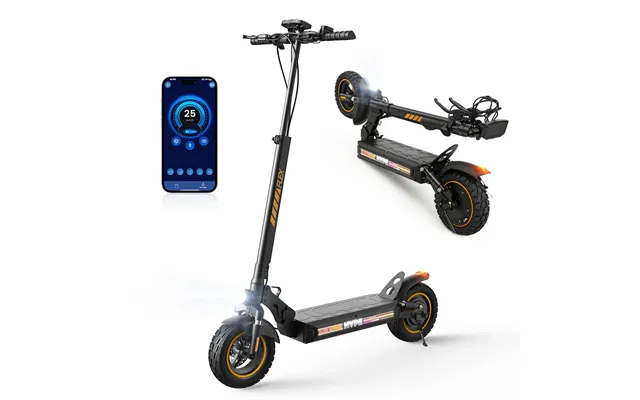
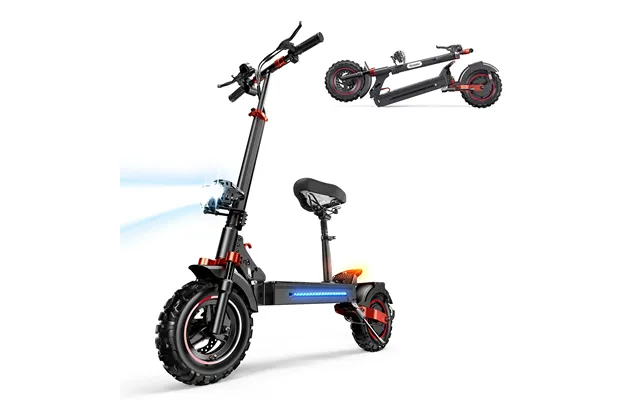
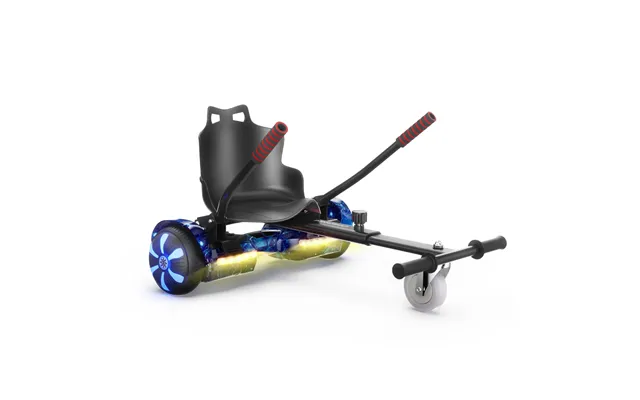
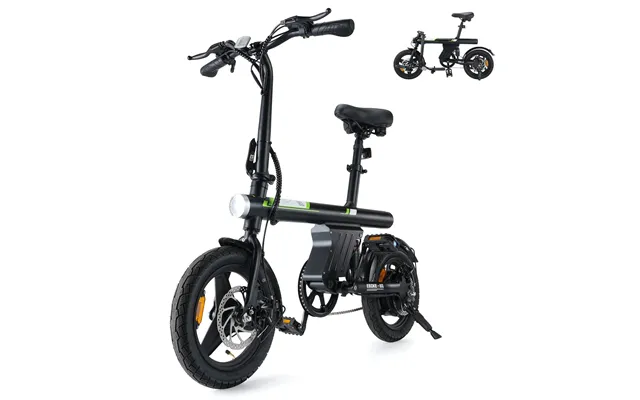
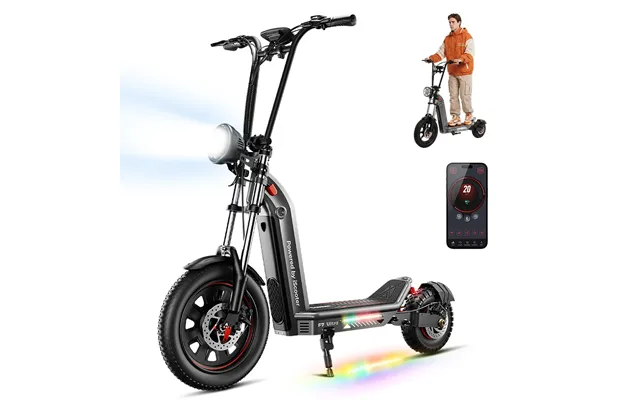
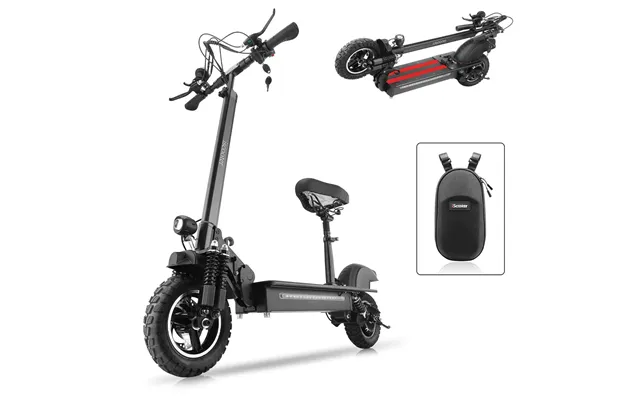
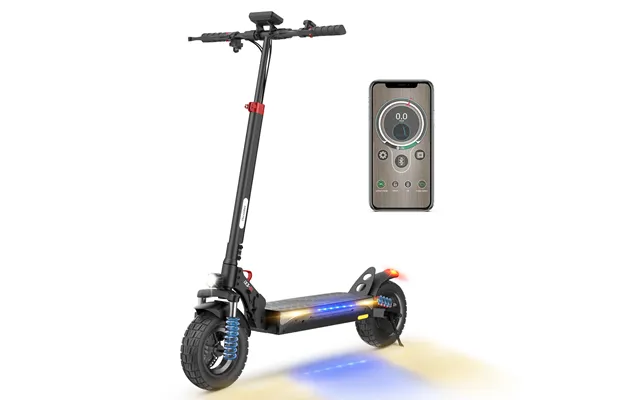
As the market matured, so did iHoverboard’s product range. They added higher-end models, off-road hoverboards, lightweight commuter scooters, and accessories like helmets and carrying bags. The store didn’t invent new tech, but it curated it. Think of iHoverboard as a trusted friend who knows which model will survive everyday use.
At one point, iHoverboard introduced private-label products. These allowed them to control quality and margins better. Exclusive models were marketed as curated picks for UK riders—designed to meet local preferences for battery life, weight, and portability. These private-label items improved brand identity and often offered better value for money.
Battery tech drives the experience with electric boards and scooters. iHoverboard paid attention to battery management systems, charger quality, and safe-cell sources. They often highlighted these improvements in product descriptions, giving buyers concrete reasons to choose their inventory over cheaper imports.
How does iHoverboard stack up against other names in the UK market? Let’s look at several types of competitors: large marketplaces, specialist e-tailers, and physical retailers. Each has strengths and weaknesses.
Large marketplaces offer massive selection and fast delivery. They also host thousands of sellers of varying quality. iHoverboard’s main advantage over marketplaces is curation. Where Amazon lists everything, iHoverboard filters out risky products, helps customers choose, and handles after-sales more personally. However, marketplaces often win on price and urgency—Prime shipping is hard to beat.
Specialist e-tailers focus narrowly on personal electric vehicles. These competitors might match or even exceed iHoverboard in product depth. The difference often comes down to buyer experience. iHoverboard emphasizes clear warranties, friendly support, and curated picks. Some rivals focus on professional-grade equipment or niche subcultures. If you want the widest array of off-road models, a specialist might be better. If you want a safe everyday pick and good advice, iHoverboard is competitive.
Physical stores let you see and test devices. That tactile experience is valuable. iHoverboard, being primarily online, can’t offer that—unless it partners with local showrooms. But online stores often beat physical shops on price and convenience. Instead of paying for showroom space, iHoverboard invests in customer service and shipping. For buyers who prefer to test first, local shops still have the edge.
Price matters. But so does value. iHoverboard built a reputation for fair pricing combined with sensible aftercare. They often priced competitively while ensuring replacement parts and service advice were available. That matters because hoverboards and scooters need upkeep. A cheap price is meaningless if replacement batteries or chargers are impossible to find.
iHoverboard’s warranties and repair policies are straightforward. Many competitors offer one-year warranties with optional extended plans. What differentiates stores is how they handle failures. iHoverboard’s policy was to diagnose quickly and offer replacements or refunds when issues arose. That reduced buyer stress and encouraged word-of-mouth recommendations.
Accessories are a steady source of revenue. iHoverboard stocked helmets, pads, chargers, and carrying bags, often bundling them with main products. Bundles helped beginners get everything they needed. This simple strategy boosts the perceived value and helps customers feel supported.
Customer reviews paint a mixed but mostly positive picture. Buyers praise the clear product descriptions and support responsiveness. Complaints usually center on shipping delays or occasional stock issues. Compared to anonymous marketplace sellers, iHoverboard’s personal touch is frequently mentioned. The store feels human rather than robotic.
Praise: helpful customer service, good value-for-money models, clear warranty terms. Complaints: stock shortages during peak demand, occasional delivery hiccups. These are typical for growing e-commerce brands. The good news is that most complaints are resolved, and the store learns from them.
Feedback is treated like gold. iHoverboard tracks common issues and adjusts suppliers or product specs accordingly. That feedback loop—customer pain points turning into product changes—keeps the catalog relevant. It’s an example of incremental improvement done well.
Where is iHoverboard headed? The company’s future depends on several factors: regulatory shifts, battery technology, and consumer interest in micromobility. If urban transport trends continue—people seeking flexible, eco-friendly last-mile options—stores like iHoverboard will remain relevant. Adaptation will be key: more commuter-focused models, better batteries, and partnerships with local retailers could expand reach.
Growth can come from exclusive models, subscription services for battery replacement, or trade-in programs. Imagine a subscription that covers wear-and-tear and battery swaps. That would reduce long-term ownership costs and appeal to urban commuters who want hassle-free service.
Competition from larger retailers, rapid tech updates, and regulatory uncertainty are real challenges. iHoverboard must keep an eye on these while staying rooted in clear customer support and quality control. That’s their strongest suit right now.
In short, iHoverboard carved out a practical niche in the UK by focusing on curated products, clear communication, and sensible aftercare. It may not offer the broadest inventory or the cheapest price every time, but it offers trust—something that matters when a battery-powered device is in your hands. Like a reliable friend, the store helps you choose what works and stands behind that choice.