

Kaytea price list
Last updated Thursday, Sep 3, 2026
| Kaytea | Price |
|---|---|
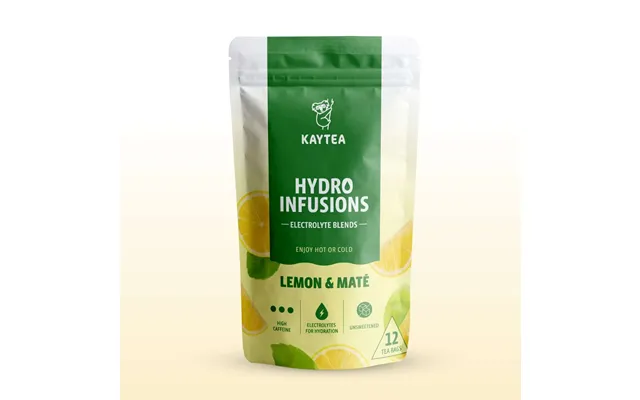
| Hydro Infusions - Lemon & Mate | £7.99 |
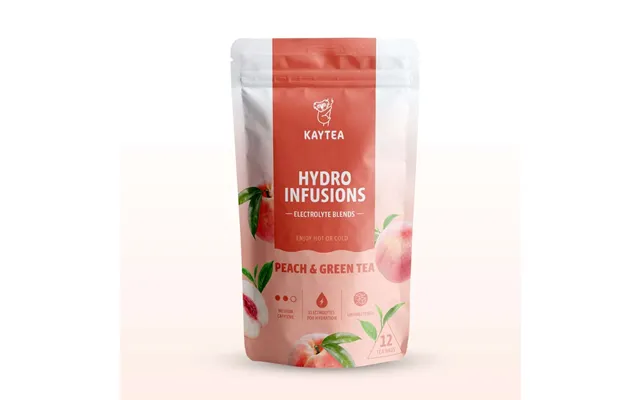
| Hydro Infusions - Peach & Green Tea | £7.99 |
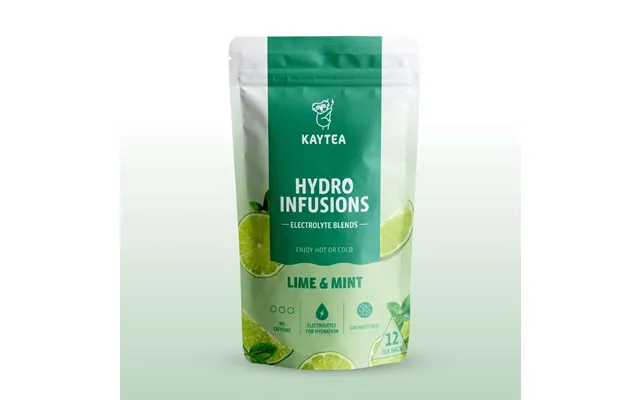
| Hydro Infusions - Lime & Mint | £7.99 |






| Store | Status | today | distance |
|---|
Loading...
Loading...
Last updated Thursday, Sep 3, 2026
| Kaytea | Price |
|---|---|
| Hydro Infusions - Lemon & Mate | £7.99 |
| Hydro Infusions - Peach & Green Tea | £7.99 |
| Hydro Infusions - Lime & Mint | £7.99 |
Kaytea began as a small, passionate project built around a simple idea: make tea that mattered. It started with a single storefront and a tight-knit team who believed tea could be both traditional and playful. That first shop drew curious locals who loved the warm, inviting space as much as the drinks. Word spread by word-of-mouth and social chatter. People came for the tea and stayed for the atmosphere.
The founders wanted to bridge classic tea culture with modern tastes. They looked at the tea market and noticed a gap: many places sold either very traditional loose-leaf teas or flashy drinks with little authenticity. Kaytea aimed to combine quality leaves, transparent sourcing, and contemporary flavors. The result was a menu that felt familiar yet fresh—simple black and green teas alongside creative blends and signature milk teas.
The original menu was lean. A few core loose-leaf options, expertly brewed; a handful of flavored infusions; and a selection of milk-based teas with house-made syrups. The goal was clarity: each cup should tell a story about taste and origin. Staff were trained to explain leaves and brewing times. Customers appreciated this educational approach. Kaytea quickly became more than a store—it became a place to learn about tea.
Once the concept proved itself, Kaytea expanded. New locations opened in busy high streets, shopping centres, and near universities. Each shop kept the same feel: cozy seating, wood accents, and clear menus. As followers grew, so did the product line. Seasonal flavors and limited editions kept things exciting. The brand tapped into social platforms to share its visual style and reach younger tea drinkers.
Scaling a beverage business is tricky. Kaytea focused on replicating its core practices: consistent brewing methods, careful ingredient sourcing, and staff training. Central kitchens helped maintain product standards. Quality-control checks ensured that customers got the same cup whether they visited the first shop or a new branch across town. The brand treated its recipes like a craft—documented and protected but still adaptable to local tastes.
Kaytea didn’t grow in a bubble. The stores partnered with local suppliers, artists, and student groups. Pop-up events and collaborations helped embed Kaytea into neighbourhood culture. This gave each shop a local identity while staying true to the brand’s overall vision. Many locations hosted small workshops on brewing and tea tasting, turning customers into repeat visitors and loyal advocates.
Innovation kept Kaytea interesting. The menu expanded into bolder territory—signature milk teas, fruit-infused brews, and even tea-based desserts. Experimentation happened in limited runs: botanical blends, low-sugar versions, and dairy alternatives. Kaytea listened to customers and adjusted accordingly, which helped it stay relevant in a market that values both novelty and health.
Kaytea’s design philosophy was simple: honor tea's heritage while embracing modern flavor trends. That meant offering a true English breakfast alongside a trendy matcha latte. Seasonal specials used local fruit and herbs. The brand avoided gimmicks for gimmick’s sake and instead looked for ways to make tea accessible and exciting. This approach attracted both traditional tea lovers and a younger crowd seeking Instagram-friendly drinks.
One of Kaytea’s standout moves was treating tea education as part of the customer experience. Detailed menu notes, staff-led tastings, and short guides on how to steep tea properly turned casual buyers into informed fans. People who understood the craft were more likely to appreciate the subtleties and return for the experience—not just the caffeine.
Kaytea’s stores are designed to feel approachable. Natural materials, warm lighting, and clear signage create a relaxed atmosphere. Menu boards are simple and helpful. Staff wear casual but branded attire to appear friendly rather than formulaic. The company invested in packaging that looked good in photos, which helped social media traction. Ultimately, a cup from Kaytea had to feel like an experience, not just a purchase.
Recognising modern habits, Kaytea embraced online ordering and delivery. The brand built an easy-to-navigate website and partnered with popular delivery apps. These steps made the product accessible to customers who preferred to drink at home or in the office. Kaytea also used digital channels to announce limited releases and to collect customer feedback—creating a loop of continuous improvement.
Loyalty schemes and simple surveys kept customers coming back. Kaytea encouraged feedback through tasting cards and social media polls. Each piece of input was taken seriously; changes to sweetness levels or cup sizes were often direct results of customer suggestions. This responsiveness built a sense of ownership among patrons, which is powerful in hospitality.
The UK tea and bubble tea market is diverse. Kaytea competes with chains and independents that range from long-standing tea houses to modern bubble tea chains. How does Kaytea compare? It sits somewhere in the middle: more contemporary than a traditional tea room, more craft-focused than many quick-serve bubble tea spots.
Traditional tea rooms emphasise ceremony and historic recipes. They often focus on loose-leaf and formal service. Kaytea borrows the respect for quality from these places but strips away the formality. If you want an easy, friendly environment and clear explanations without rigid rituals, Kaytea fits better. It’s less about etiquette and more about enjoyment.
Bubble tea chains are trend-driven, offering bold flavors, tapioca pearls, and flashy signage. They often aim at fast service and youthful markets. Kaytea overlaps with this group through its milk teas and modern flavors, but it leans toward better-sourced tea and balanced sweetness. Where bubble tea chains might prioritise novelty, Kaytea prioritises depth of flavor. That appeals to customers who like the bubble tea format but want higher-quality ingredients.
Specialty cafés often emphasize craft—single-origin beans, expert brewing, curated food menus. Kaytea shares the craft approach but focuses solely on tea drinks rather than a broad café offering. For someone who loves tea first and pastries second, Kaytea is a dedicated alternative to a generic specialty café. It gives tea a starring role rather than a supporting one.
No brand grows without friction. Kaytea grappled with supply chain challenges, especially when specific leaves or flavour ingredients became trendy and scarce. The company also had to adapt to changing health trends, offering low-sugar and dairy-free options while keeping flavor strong. Competitive pressure from both big chains and nimble independents required constant innovation.
As more locations opened, keeping quality consistent became harder. Kaytea invested heavily in training programs to ensure every barista understood steep times, syrup ratios, and customer service standards. The company also created manuals and video training to speed up onboarding. These investments helped preserve brand integrity as the operation scaled.
The UK beverage market is crowded. Standing out required Kaytea to lean into its unique blend of tradition and trend. That meant storytelling—sharing sourcing stories, hosting tastings, and putting a face to the founders and suppliers. It also meant launching signature offerings that competitors couldn’t easily copy without losing their own identity.
Customers increasingly care about where their food and drinks come from. Kaytea responded by building transparency into sourcing. They worked with suppliers who used sustainable farming practices and fair labour standards. Packaging moved toward recyclable materials where possible. These steps resonated with mindful customers and helped Kaytea build trust beyond flavour alone.
Some Kaytea shops ran local initiatives to reduce waste—cup return programs, discounts for reusable cups, and composting of organic waste. These small efforts didn’t change the world overnight, but they signalled a commitment to better practice. Customers noticed, and those actions enriched the brand story in a market where ethos matters.
Rather than hiding processes, Kaytea highlighted them. Menus noted leaf origin and suggested steep times. Seasonal items listed key ingredients. This transparency helped customers make choices aligned with their values—whether that meant choosing fair-trade leaves or less sugary drinks. It also built credibility and repeated visitation.
Looking forward, Kaytea faces both opportunity and risk. The appetite for premium, craft beverages is strong, and Kaytea is well-positioned to grow further. Potential next steps include deeper digital integration, subscription boxes for at-home brewing, and expanded wholesale partnerships. But growth must be balanced with care: preserving quality, local identity, and customer trust will determine long-term success.
Imagine a Kaytea subscription with monthly curated tea packs and brewing tips, or pop-up tasting rooms in cultural festivals—scenarios that extend the brand beyond physical cafés. Innovations like these let the company reach new customers while keeping the core mission intact: great tea, made thoughtfully, enjoyed by many.
As the brand grows, its human touch will be key. Customers come for flavour, yes, but they also come for warmth and conversation. Maintaining that human connection in a digital age—through in-store events, personalised service, and community partnerships—will keep Kaytea relevant and relatable.
Kaytea’s story is about more than tea. It’s about a simple idea executed with care: blend good ingredients, teach your customers, and create a welcoming space. In the crowded UK market, Kaytea stands out by balancing respect for tradition with a fearless embrace of new flavors and experiences. That balance has helped it grow and stay relevant—and that momentum can carry it into new neighbourhoods and formats in the years ahead.