




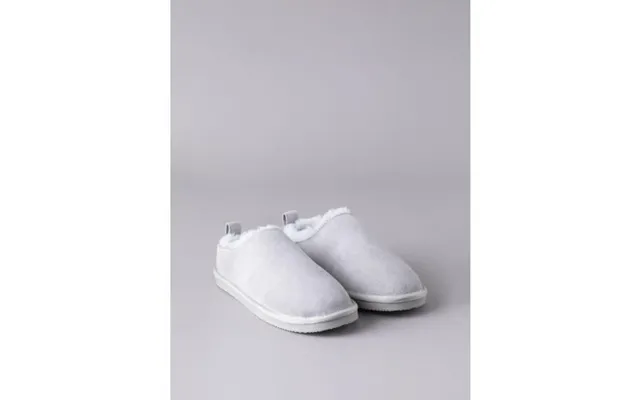
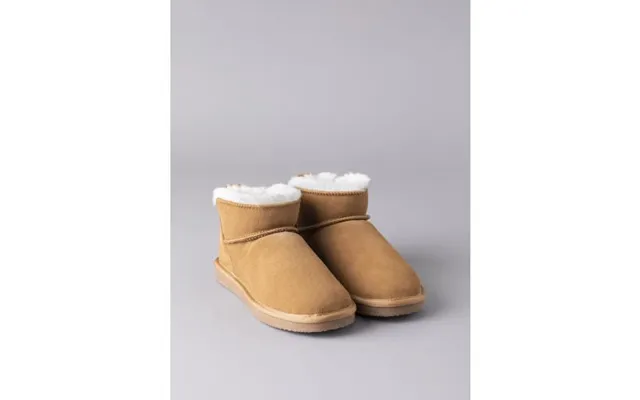
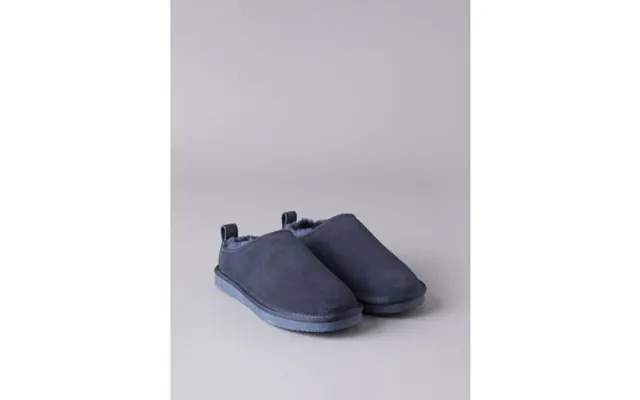
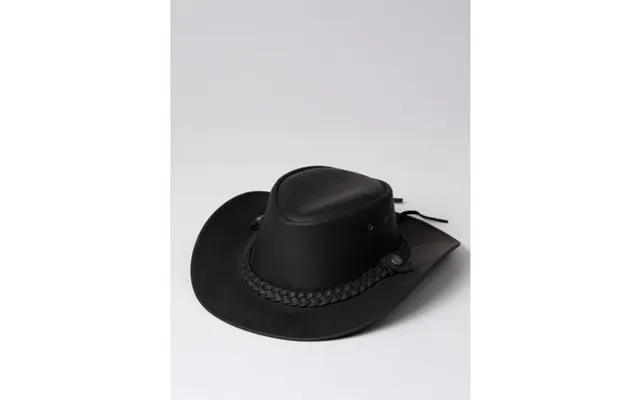
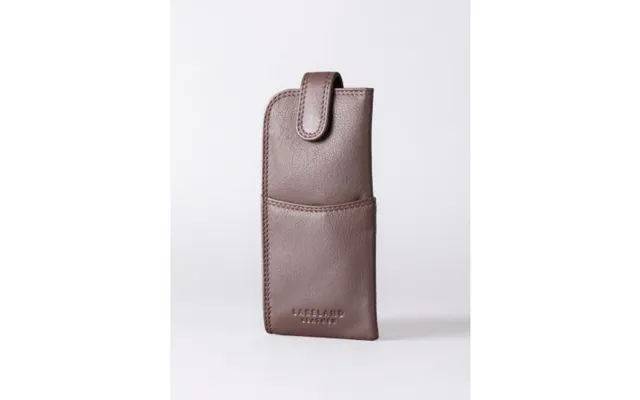
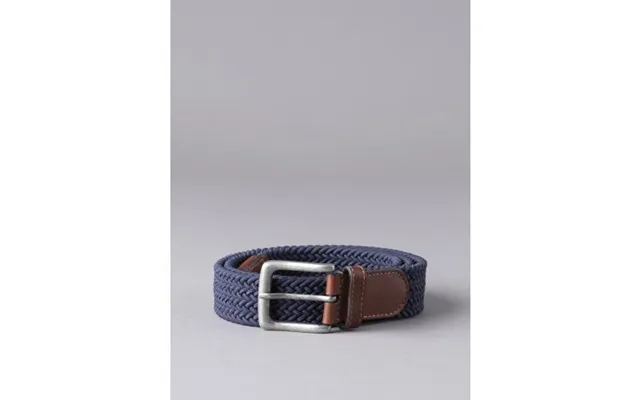
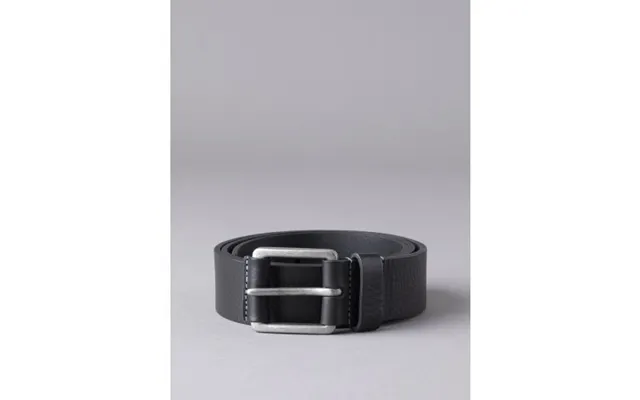
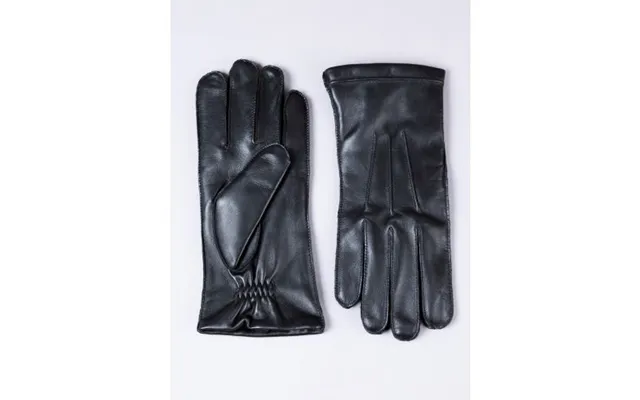
Lakeland Fashion price list
Last updated Thursday, Aug 13, 2026
Last updated Thursday, Aug 13, 2026
Lakeland Fashion has become a familiar name in parts of the UK retail landscape. It mixes regional charm with contemporary styles, and over the years it has carved out a niche among shoppers who want good value without sacrificing personality. This article tells the store’s story, tracks its growth, and compares it to similar UK fashion retailers so you get a clear idea of where it sits in the market.
Lakeland Fashion started as a small regional retailer, born from local roots and a simple idea: sell clothes that fit everyday life. The founders focused on approachable designs, decent quality, and friendly service. Like many successful independents, it grew through word of mouth and repeat customers. You could call that old-school retailing—personal, predictable, and focused on community.
From the start, Lakeland Fashion emphasized the community. Stores were opened in market towns and high streets where local shoppers wanted reliable options. Staff often came from the area, which created a sense of trust. This grassroots approach allowed the brand to adapt quickly to local tastes—an edge larger chains sometimes lack.
Early assortments leaned toward everyday essentials: smart-casual tops, durable knitwear, work-friendly trousers, and seasonal outerwear. The price point aimed to be accessible—higher than fast-fashion low-cost chains, but lower than boutique labels. That balancing act helped draw both budget-conscious buyers and those who wanted slightly better construction.
As Lakeland Fashion grew, it shifted from purely local outlets to a multi-store presence across regions. Expansion brought challenges: maintaining brand identity, managing supply chains, and keeping quality steady. Yet the brand used its local credibility as a compass. Instead of copying big-name strategies, it evolved slowly—tweaking design lines, improving fabrics, and experimenting with seasonal collections.
The shop layout changed with time. Early stores were cozy and practical; later stores adopted cleaner, brighter layouts with clearer categories and improved fitting rooms. Customer service stayed personal. Staff training emphasized styling tips and honest advice rather than hard selling. That approach helped retain customers as the retail environment became more crowded.
Like every retailer, Lakeland Fashion had to embrace online retail. They launched a website, and later improved it to include clearer product photos, size guides, and a basic loyalty system. The online move was essential but careful—keeping the in-store personality alive in emails, social posts, and site copy. The challenge was converting local shoppers who liked seeing and touching garments into confident online buyers.
Lakeland Fashion is not about fast trends. Instead, it centers on wearable, well-thought-out items that work for daily life. Think capsule pieces rather than runway statements. This simple design philosophy reduces returns, helps customers build wardrobes, and suits people who want style without drama.
Seasons matter—spring classics, summer linen, autumn layers, and winter coats. Lakeland tends to release restrained seasonal lines that update colors and fabrics without changing silhouettes every few weeks. Quality control focuses on fit and fabric resilience; they avoid thin fabrics that wear out quickly. That cautious approach builds trust with repeat buyers.
In recent years Lakeland Fashion has begun to address sustainability. The steps are modest but meaningful: using more natural fibers, reducing packaging, and partnering with suppliers who adhere to basic labor standards. It’s not an eco-brand, but it’s moving in that direction—slowly and pragmatically.
Marketing has been pragmatic and local. Lakeland Fashion uses regional advertising, social media targeting, and in-store events to reach customers. The voice in communications is straightforward and friendly—no flashy celeb endorsements. That’s part of the appeal: a brand that feels like the helpful neighbor rather than an aggressive marketer.
Pricing stays competitive through smart promotions: seasonal sales, bundle offers, and loyalty discounts. The aim is steady footfall rather than massive spikes during big sale events. Loyalty programs reward repeat customers with early access to sales and small discounts, which helps turn casual buyers into regulars.
Feedback is taken seriously. Stores collect opinions at the point of sale and via online reviews. Lakeland uses this feedback to tweak sizing, reorder bestsellers, and phase out items that don’t work. That practical attention to customer needs is part of why locals keep coming back.
Now let’s compare Lakeland Fashion to other UK names you might know. We’ll look at value, style, quality, store experience, and online presence. This gives a quick, clear sense of where Lakeland stands in a crowded market.
Primark sells extremely low-priced fashion with fast turnover. Lakeland is pricier but focuses on longevity and fit. If you want bargain basics and don't mind replacing them often, Primark is ideal. If you want pieces that last a season or two longer and that fit well, Lakeland is a better bet. Primark’s scale wins on price; Lakeland wins on perceived value and service.
Next is more of a national player with a broad product range, strong online capability, and frequent trend-led pieces. Next often feels more polished and more fashion-forward. Lakeland is smaller in range, more conservative in design, but often more personable in stores. If you want the latest styles and a seamless online experience, Next is strong. If you prefer local service and reliable basics, Lakeland holds its own.
M&S is known for quality, especially in workwear and classic lines. Price points can be higher, and M&S often emphasizes quality claims. Lakeland competes by offering similar functional items at slightly lower prices and with a community touch. For formal wear and premium materials, M&S often leads. For everyday smart-casual and friendly in-store service, Lakeland is more approachable.
H&M targets a younger, trend-conscious crowd with frequent new drops. Lakeland is less trend-driven and slower to change collections. H&M’s fast-fashion model is great for fast-changing wardrobes; Lakeland appeals to shoppers who want fewer, better-picked pieces. H&M’s sustainability initiatives are large-scale; Lakeland’s are smaller but personal and evolving.
Putting it plainly, Lakeland’s strengths are local trust, approachable pricing for better-than-basics quality, and good customer service. Weaknesses include less broad selection than national chains, smaller online reach, and slower trend response. Some customers love the slower pace; others want flashier choices or a bigger online catalogue.
Lakeland wins on fit, familiarity, and sensible styling. The team knows regular customers by name in many stores, and that kind of relationship builds loyalty. The product mix avoids gimmicks and focuses on reliable garments that survive a busy life—washing, commuting, and workdays.
Improvements could include widening the online range, clearer sustainability claims, and occasional collaborations to refresh the image. Updating the loyalty system and speeding up delivery options would also help compete with major players who have perfected e-commerce logistics.
Customer feedback tends to highlight friendly service, good-value basics, and trustworthy fits. Some shoppers note that the selection can be conservative and that sizes sometimes vary. Overall, repeat buyers praise durability and comfort. Negative comments often point to limited online options or slower uptake of fashion trends.
Read a mix of reviews and you’ll see patterns. Positive reviews praise staff helpfulness and the longevity of pieces. Constructive criticism mentions a desire for more color options and better online photos. Many customers recount dependable experiences: finding an item that works and being able to return it easily if it doesn’t.
Lakeland’s core customers tend to be adults aged 30–60 who prefer classic styling. Younger shoppers visit for occasional bargains or specific items, while older customers value fit and service. This demographic mix shapes product choices—more practical cuts, sensible colors, and fabrics that wash well.
What’s next for Lakeland Fashion? Expect cautious modernization. The brand will likely strengthen online tools, invest in targeted social marketing, and expand sustainable options. It might open a few lifestyle-focused stores or pop-ups to build buzz. The path forward is steady growth rather than rapid scaling.
Areas with potential include better online sizing guides, limited-edition collaborations to attract younger shoppers, and improved loyalty perks. Expanding plus-size options and investing in comfort-driven collections could also bring in new customers. These moves would keep the brand relevant while staying true to its roots.
Risks include rising competition from discount giants, supply-chain volatility, and changing shopper habits toward fast fashion or premium direct-to-consumer brands. Lakeland must balance cost control with quality to avoid losing its core customer base.
There’s a clear thread through Lakeland Fashion’s story: steady, local-first growth focused on value and service. It’s not the flashiest brand, but it earns loyalty through dependability. In a market crowded with extremes—ultra-cheap fast fashion on one side and luxury on the other—Lakeland sits in the middle, serving practical shoppers who want clothes that fit, last, and feel familiar.