

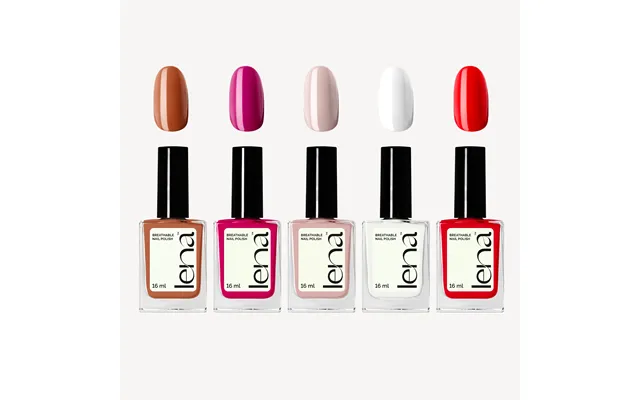
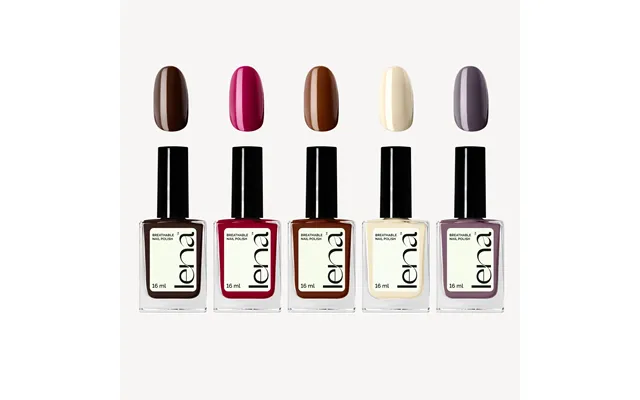
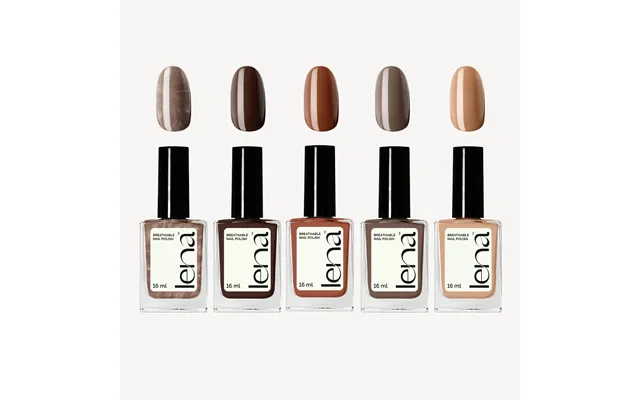
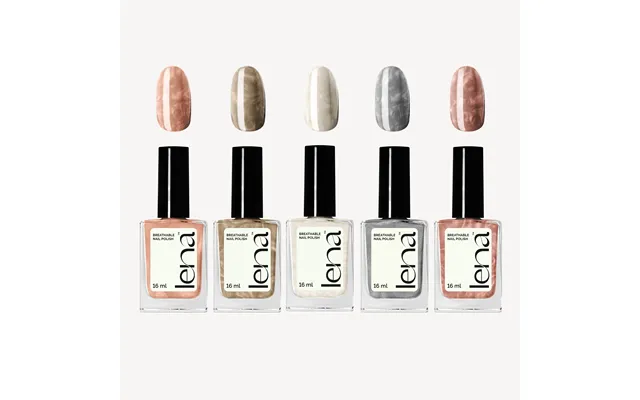
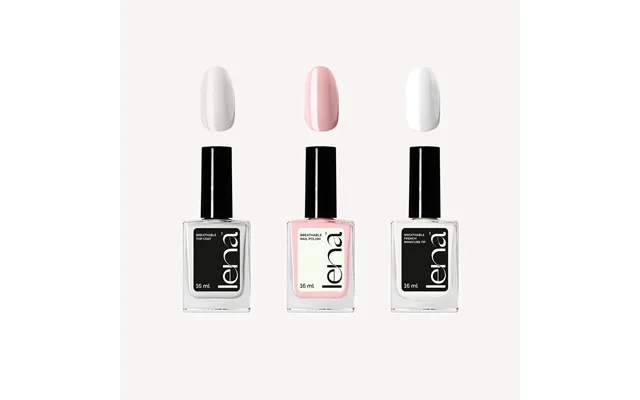
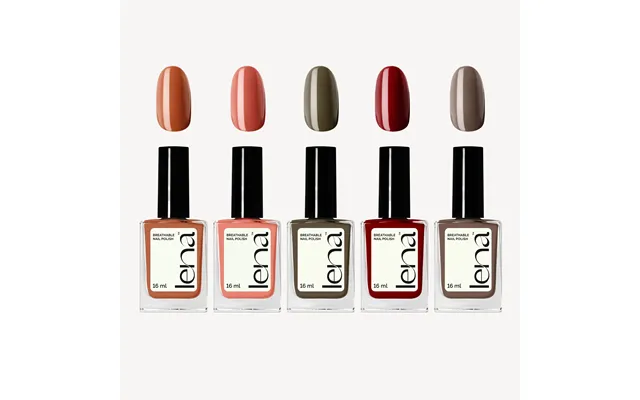
LENA Nail Polish price list
Last updated Thursday, Sep 3, 2026






| Store | Status | today | distance |
|---|
Loading...
Loading...
Last updated Thursday, Sep 3, 2026
LENA Nail Polish arrived on the UK beauty scene with the quiet confidence of a signature shade. It didn’t roar or launch with a massive celebrity endorsement. Instead, it grew from a simple idea: make beautiful nail colour that feels personal, reliable, and easy to love. This article traces the history of LENA Nail Polish in the UK, explores how it expanded, highlights what sets it apart, and compares it to other nail brands on the market. Along the way, you’ll get a clear picture of why LENA matters to everyday users and beauty professionals alike.
LENA began as a passion project. A founder—often described in interviews as a creative with a background in fashion and product design—wanted polish that combined bold colour with long-lasting wear. Early on, LENA focused on building shade stories, creating palettes inspired by British cities, seasons, and everyday moments. The initial offering was modest: a curated range of core shades and a few seasonal launches. The approach was hands-on: small-batch production, careful quality checks, and listening closely to customer feedback.
The UK was a natural home for LENA. Customers here value craftsmanship, and there’s a strong culture of independent beauty brands. By starting locally, LENA could test trends, respond to demand quickly, and build a loyal base. Early stockists included independent salons, local boutiques, and online platforms. Word-of-mouth and social media buzz did the rest. The brand’s story — personal, authentic, and accessible — resonated with shoppers tired of mass-market sameness.
LENA invested heavily in formulation. The brand aimed to deliver polishes that were pigmented, applied smoothly, and resisted chipping. They worked with chemists to refine brush shapes and polish viscosity. The result: a polish that glides on, gives even coverage in one or two coats, and retains shine for days. They also paid attention to drying time and compatibility with salon systems like gels and top coats. Simple fixes—like a slightly wider brush or a thicker gloss—made the user experience noticeably better.
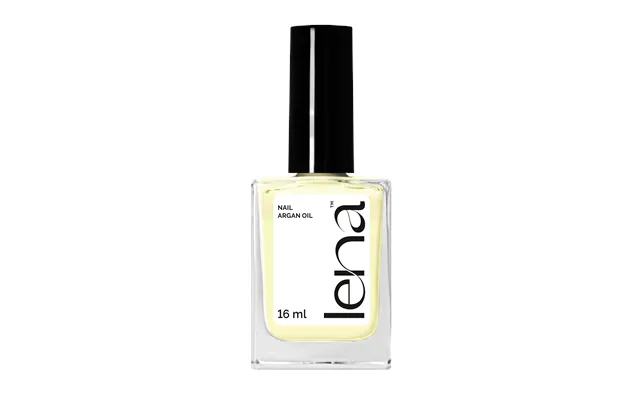
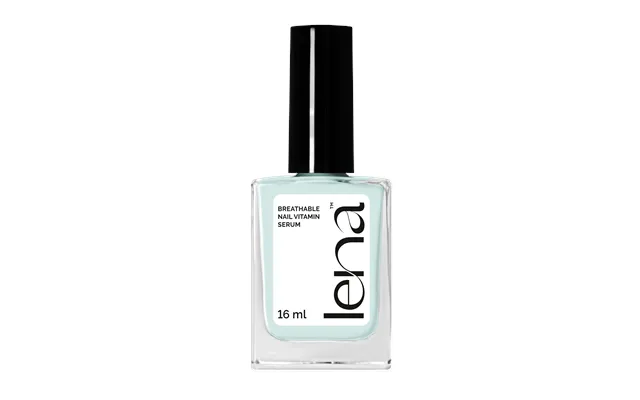
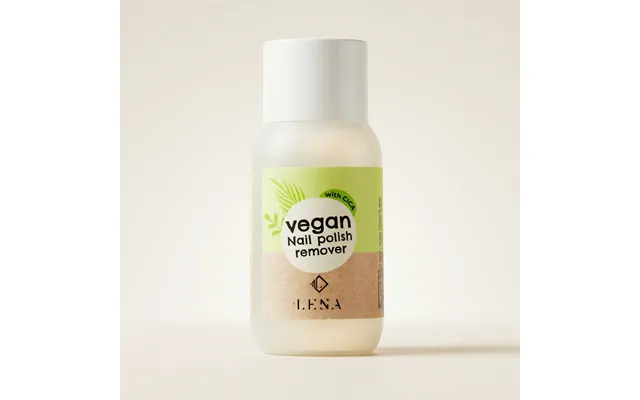
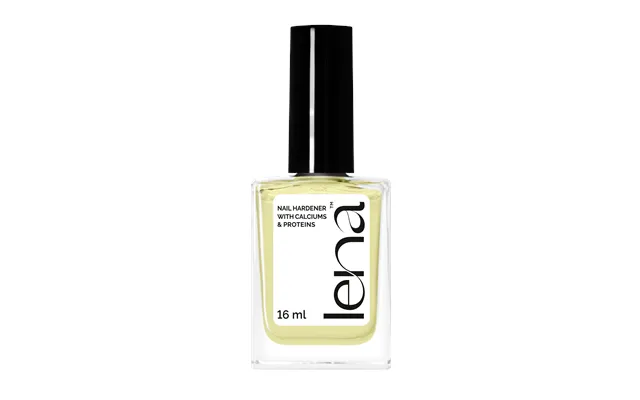
After establishing a core range, LENA expanded into themed collections. Seasonal launches tied to British trends—think moody autumn tones, spring pastels, and summer metallics—kept customers engaged. Limited editions created urgency without straying from the brand’s aesthetic. Accessories, such as cuticle oils, nail treatment boosters, and branded removal wraps, rounded out the offering and encouraged repeat purchases.
The retail strategy was deliberate. LENA started small, placing products in partner salons and independent shops to create an aura of discovery. Online sales complemented physical retail, giving customers easy access across the UK. Smart collaborations with salon chains and beauty subscription boxes broadened reach. Pop-up events in cities like London, Manchester, and Brighton created in-person moments that turned casual buyers into brand fans.
LENA’s marketing favored conversation over hype. Social channels featured real people—salon techs, customers, and the founder—talking about colour choices and polish performance. Tutorials, behind-the-scenes clips, and user-generated content made the brand feel approachable. Occasional influencer collaborations amplified visibility, but LENA kept control over creative direction to maintain an authentic voice.
Loyalty came from two places: product quality and genuine customer engagement. LENA listened. When customers asked for frostier finishes or more neutral shades, the brand delivered. When users posted swatches, LENA reposted them with thank-you notes. This two-way dialogue built trust. Many customers cited consistent polish performance and pleasant interactions as reasons to return.
LENA didn’t forget salon professionals. The brand offered bulk discounts, training sessions, and early access to new colours for technicians. This B2B focus strengthened relationships and increased shelf space in influential salons. Stylists who used LENA often recommended it to clients, creating a steady referral loop that felt organic and authentic.
Sustainability became part of LENA’s narrative as consumers grew more eco-conscious. The brand took measured steps: reducing plastic in packaging, offering recycling guidance, and exploring cleaner formula options with fewer harmful solvents. While LENA didn’t claim to be the greenest brand on the market, it communicated progress transparently—an approach that resonated with customers who appreciate honesty over greenwashing.
LENA emphasized cruelty-free practices and conformed to UK and EU regulations. Where possible, they sourced ingredients responsibly and ensured suppliers met ethical standards. For customers who prioritize product provenance, these practices reinforced the brand’s credibility.
High-street brands are everywhere. They offer quick, affordable options and massive shade ranges. Compared to them, LENA positions itself a notch above in terms of formulation and customer care. The polishes tend to have better pigment and wear, and the brand invests in small-batch quality control. Price-wise, LENA may sit slightly higher than budget lines, but customers often say the extra cost is worth it for durability and finish.
The UK hosts many indie polish makers, each with a unique personality. LENA competes well here because it balances creativity with consistency. Some independents push the envelope with avant-garde finishes or experimental textures; LENA leans toward wearable, salon-friendly colours. If you want statement nails or niche finishes, a smaller indie might be more adventurous. If you want dependable, pretty colours that blend creativity with everyday wear, LENA is often the safer pick.
Brands designed strictly for salons typically have formulations optimised for long wear under salon systems and higher price points. LENA bridges the gap: it’s strong enough for salon use but accessible to the general public. That makes LENA attractive for salon owners who want quality without the steep costs of premium professional-only lines. However, for large-scale salon chains that require specialized gel systems, those professional brands may still be preferred.
Prestige brands often trade on heritage and high-fashion collaborations. Their polish offerings sometimes carry a luxury markup. LENA’s strength is authenticity and value. It doesn’t attempt to compete on couture cachet, but it does deliver a flattering finish and consistent wear, making it a pragmatic choice for shoppers who want aspirational quality without flashy status signaling.
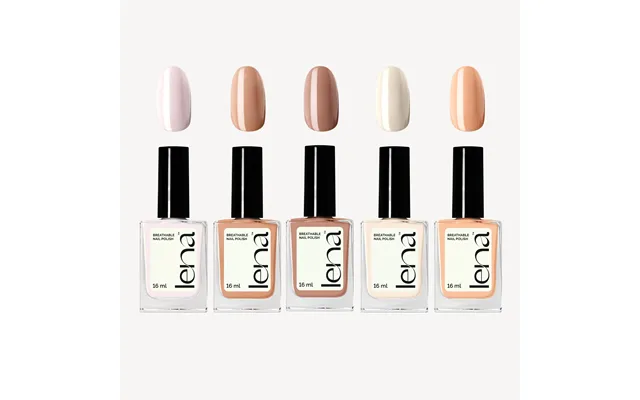
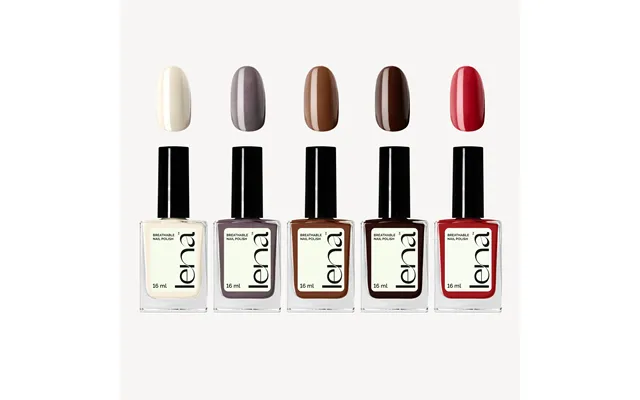
LENA’s clear advantage is consistency. Customers often praise its smooth application, even pigmentation, and glossy finish. The brand’s palette choices are thoughtful—enough variety to satisfy trends but curated enough to avoid decision fatigue. Packaging and branding are tidy and friendly, creating an experience that feels both stylish and approachable.
LENA stands out for how it treats partners and customers. The brand’s hands-on approach with salons, staff training, and direct customer engagement builds loyalty. This relational model works especially well in the UK, where word-of-mouth and local reputation carry weight.
Growth creates tension. As LENA scales, there’s a risk of losing the intimate feel that first drew customers in. Maintaining small-batch attention to detail while increasing output is a challenge. Customers sometimes worry about reformulations or supply chain shortcuts when a brand grows rapidly.
For those seeking experimental textures—micro-glitters, flakies, or holographic explosions—LENA offers fewer extremes. The brand opts for timely, wearable trends instead of chasing every niche. That’s a choice, but it may leave highly trend-driven nail enthusiasts looking elsewhere.
Many customers treat LENA as their go-to polish for workweeks and weekend plans. Reviewers often mention how a single coat looks professional yet polished, and how the colours resist chipping on busy hands. This reliability makes LENA popular among professionals who need their manicure to look presentable across demanding schedules.
Salons appreciate LENA because it’s easy to work with and offers predictable results. Technicians like the polish’s opacity and finish, which reduces time spent on corrective coats. Some salons create signature LENA-led services—colour bars and seasonal mani-pedi themes—that help build repeat business.
LENA’s next steps include expanding its polish ranges and exploring selective international distribution. The UK will likely remain the core market, but tasteful partnerships in adjacent European markets make sense. The brand may also broaden its treatment products, leaning into nail health with strengthening polishes and nourishing oils.
Technological upgrades—like improved formula longevity, faster drying, or hybrid-friendly blends—could be on the horizon. On sustainability, look for more recycled packaging and clearer recycling programs. LENA’s future will probably balance innovation with the same personal tone that got it this far.
Choosing a nail polish isn’t just about colour. It’s about trust, performance, and how a product fits your life. LENA Nail Polish carved out a meaningful place in the UK by offering dependable finishes, a friendly brand voice, and solid salon relationships. It’s not the loudest player, but it’s the one many people reach for when they want a reliable, flattering finish without fuss.
Whether you’re a daily polish wearer, a busy stylist, or someone who likes to switch shades with the seasons, LENA’s mix of quality and personality makes it a strong contender. It doesn’t chase every trend, but it does deliver what most people want: beautiful colour that lasts.