





Louis Boyd price list
Last updated Wednesday, Sep 16, 2026






| Store | Status | today | distance |
|---|
Loading...
Loading...
Last updated Wednesday, Sep 16, 2026
Every store has a beginning, and Louis Boyd is no exception. Founded by a pair of siblings in the late 1980s, Louis Boyd started as a small boutique in a busy market town in the UK. The idea was simple: offer high-quality goods at fair prices with a personal touch. Instead of trying to be everything to everyone, the founders focused on curated selections—clothing, homeware, and lifestyle items that felt crafted rather than mass-produced. That focus made it stand out almost immediately.
Why did Louis Boyd catch on? Because it felt human. The store opened its doors at a time when big high-street chains were expanding rapidly, and shoppers were starting to crave authenticity. Louis Boyd offered friendly service, knowledgeable staff, and a cosy shopping environment. Think of it as the neighbourhood shop that remembered your preferences—only with better coffee and a more polished aesthetic.
Growth didn’t happen overnight, but steady wins the race. Through the 1990s, Louis Boyd opened a few more outlets across the region, keeping a tight rein on product quality. They invested in local designers and sourced materials carefully. By the 2000s, the brand had become known for thoughtful seasonal collections and limited-edition pieces that fans would queue for. Importantly, expansion focused on towns and suburban centres rather than crowded city centres, which helped maintain a community feel.
Scaling a boutique business is a tricky act. Louis Boyd managed this by standardising only the essentials—inventory systems, staff training, and branding—while leaving product selection flexible at each location. That balance preserved the store’s soul. Customers in different towns still found slightly different assortments reflecting local tastes. It was smart: a national name with a local heart.
Like every retailer, Louis Boyd faced a turning point with the rise of online shopping. Initially, the brand hesitated—after all, their strength was the in-store experience. But by the mid-2010s they launched a user-friendly website, a curated online shop, and social media channels that matched the store’s voice: warm, stylish, straightforward. They used photography that felt candid rather than staged, and the copy read like a friend recommending a favourite find.
Louis Boyd’s omnichannel approach didn’t try to copy bigger e-commerce players. Instead, it offered click-and-collect, online-first limited drops, and live Q&A sessions with store managers. Customers could read product stories and see how items were made. That storytelling turned casual browsers into loyal buyers, and it kept the brand relevant without losing the tactile charm that made it special in the first place.
So what really sets Louis Boyd apart on the UK high street? It’s three things: curation, community, and honesty. The curation is about picking items with care—no clutter, no noise. The community is visible in shop events, local maker collaborations, and staff who remember names and favourite colours. Honesty appears in transparent pricing and sourcing stories—no vague greenwashing, just clear claims backed by visible supply choices.
Walk into a Louis Boyd store and you notice the light, the layout, the playlist—everything is designed to feel calm and considered. The stores use natural materials, muted colours, and well-paced displays. That sensory experience is deliberate: it slows shoppers down and makes them enjoy the products more. It’s like a well-set table inviting you to stay for a while.
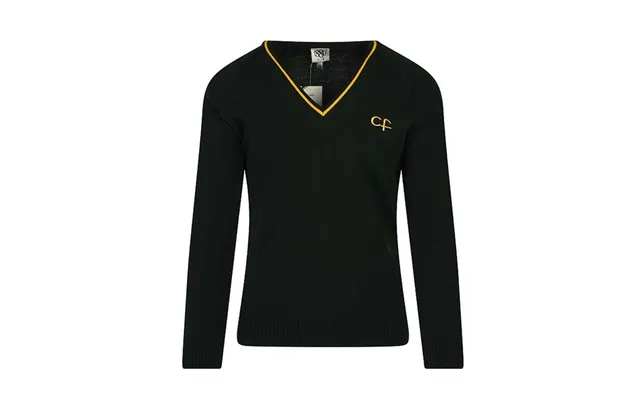
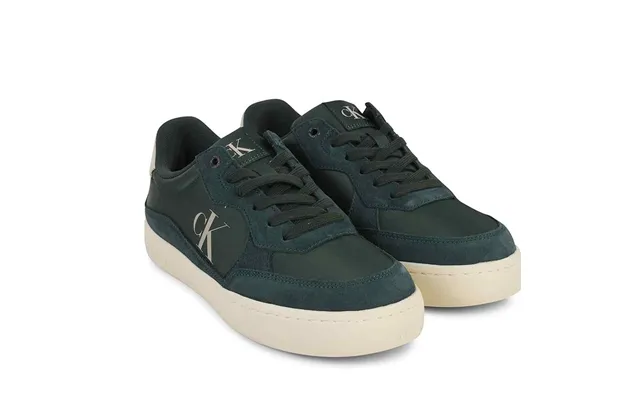
Louis Boyd’s product range spans fashion, homeware, and small gifts. They favour small-batch producers, regional artisans, and sustainable suppliers. Long-term relationships with suppliers allowed for collaborative product lines exclusive to Louis Boyd. This not only enhanced uniqueness but also supported ethical practices. When a supplier does well, the store highlights that story, giving customers a direct line to the people who made their goods.
Quality control at Louis Boyd is hands-on. Store managers and buyers visit suppliers regularly, and product tests are practical rather than purely lab-based. When issues arise, the brand fixes them publicly and quickly. That openness built trust—people know what they buy and why it costs what it costs. In a market crowded by fast-fashion and throwaway goods, this matters.
How does Louis Boyd compare to other names on the UK market? Let’s look at a few categories: independent boutiques, high-street chains, and ethical-focused retailers. Each has strengths and weaknesses in contrast to Louis Boyd’s model.
Independent boutiques offer uniqueness and local flavour—just like Louis Boyd started. The difference is scale. Small independent stores often have the edge in hyper-local taste and risk-taking product choices. Louis Boyd, however, blends that indie spirit with consistent quality and the operational backbone to support multiple locations. In short, it’s indie heart with semi-independent structure.
Big chains win on price and geographic reach. They have economies of scale that allow lower prices and broad distribution. But chains often lose personality. Louis Boyd doesn’t compete on price; it competes on experience, story, and curation. Customers who want something different—and who value service over bargain hunting—choose Louis Boyd over a relentless pattern of chain stores.
Brands that focus solely on sustainability sometimes sacrifice style or convenience. Louis Boyd tries to do both—style and sustainability—without preaching. It chooses suppliers that meet certain ethical standards and highlights those choices without lecturing customers. That middle path appeals to shoppers who care but don’t want to slog through technical certifications to make a decision.
Customer feedback paints a clear picture. Fans praise Louis Boyd for friendly staff, pleasant store environments, and products that feel long-lasting. Critics sometimes point to slightly higher prices compared with fast-fashion competitors. But most shoppers accept that trade-off—paying a little more for better design and durability. Repeat customers often mention the emotional connection: the staff remember birthdays, and the shops host local events that feel like mini-community gatherings.
Responsiveness is a hallmark. Returns are straightforward, and complaints are handled by local managers empowered to sort issues quickly. That fast resolution builds loyalty; people remember when a problem was fixed with empathy instead of corporate scripts. That’s the kind of detail that transforms one-time buyers into regulars.
Louis Boyd’s marketing is low noise and high signal. Instead of expensive TV ads, the brand invests in community workshops, pop-up collaborations, and storytelling on digital platforms. Their social media feels like friendly advice, not a sales push. The result: a community that shares product finds enthusiastically. When a small brand gets this right, word-of-mouth becomes its strongest advertising channel.
Workshops on upcycling, seasonal maker markets, and designer talk evenings are part of the calendar. These events don’t just sell products; they cultivate loyalty. Collaborations with local artists produce limited items that sell out but also reinforce the store’s commitment to local culture. It’s a virtuous cycle: community involvement builds brand identity, which attracts more engaged customers.
No business is without challenges. Rising rents, supply-chain disruptions, and competition from fast online retailers are ongoing pressures. Louis Boyd addresses these by tightening inventory, deepening supplier ties, and leaning into the in-store experience that can’t be replicated online. They are also experimenting with subscription boxes and curated seasonal collections to create recurring revenue and keep customers engaged between visits.
Growth opportunities include more targeted online marketing, better data use to understand customer preferences, and selective expansion into complementary product areas like artisanal food or wellness. The brand could also explore franchising with strict quality controls to scale without diluting character. The key will be choosing growth that enhances rather than erodes the brand’s core values.
There are clear lessons here for other retailers. First: curate, don’t clutter. Second: keep your human touch even as you scale. Third: transparency builds trust faster than any ad campaign. Louis Boyd shows that blending emotional appeal with solid operations is not just romantic thinking—it’s good business. Retailers that forget the human element risk becoming interchangeable.
In retail, the small decisions—how a salesperson greets a customer, how a product is packaged, how quickly a refund is processed—create the big picture. Louis Boyd wins because it treats each interaction as meaningful. It’s a reminder that behind every sale is a person, and people remember how they were treated more than the discount they received.
Louis Boyd’s story is not a fairy tale of instant success. It’s a pragmatic narrative of careful choices, community focus, and willingness to adapt. The brand has found a place in the UK retail landscape by valuing design, ethics, and simple human connection. It faces challenges—as all retailers do—but its clear identity gives it a compass to navigate change.