


Minerva price list
Last updated Monday, 19 Oct 2026



| Store | Status | today | distance |
|---|
Loading...
Loading...
Last updated Monday, 19 Oct 2026
Minerva has become a familiar name for many people who sew, knit, quilt, dressmake and create textile projects in the UK. The store is best known for its broad range of fabrics, haberdashery, sewing patterns, yarn, craft tools and creative supplies. Yet Minerva is more than a place to buy material. It reflects the changing story of British craft retail: the move from local shops and paper catalogues to online shopping, social media, digital tutorials and worldwide communities of makers.
Why has Minerva stayed relevant while many traditional craft shops have disappeared? The answer lies in a useful mix of choice, specialist knowledge and a strong understanding of what home crafters actually need. A customer might visit looking for cotton fabric, then discover thread, buttons, lining, elastic, a pattern and a new project idea. That complete experience gives Minerva an advantage over retailers that focus on only one part of the sewing market.
This article explores the history of Minerva in the UK, its development as a modern craft retailer and its place beside competitors such as John Lewis, Hobbycraft, Abakhan, Fabric Land and specialist online sewing shops. It also considers what makes the store different and where it fits in the future of British crafting.
Minerva’s roots are linked to the long British tradition of textile making. For generations, people in the UK have sewn clothes, repaired household items, knitted garments and made gifts at home. Fabric shops were once a common sight on high streets. Customers could feel the cloth, compare colours, ask for advice and buy exactly the amount they needed.
Minerva grew within this practical and creative culture. The business became known as a specialist supplier for dressmakers and textile enthusiasts, offering products that were often difficult to find in ordinary department stores. Instead of treating fabric as a minor product category, Minerva placed it at the centre of its business identity.
That focus mattered. Sewing customers rarely want just a piece of cloth. They want the right weight, stretch, texture, drape and colour. They also need compatible thread, suitable needles, fastenings and perhaps a pattern that matches their skill level. A specialist retailer can answer those needs more effectively than a general shop.
Minerva’s development also reflects the importance of mail-order retail in the UK. Before online shopping became normal, customers often bought craft supplies through printed catalogues and postal orders. This model allowed a specialist business to serve customers beyond its local area. It also created a relationship based on trust: buyers depended on accurate descriptions, clear prices and reliable delivery.
The sewing market can look simple from the outside, but it is full of detail. A lightweight viscose behaves differently from cotton lawn. A stretch jersey needs a different needle from a woven linen. A lining fabric can change the way a finished garment feels and hangs. Minerva built its reputation by serving customers who cared about these differences.
This specialist approach helped the store appeal to both experienced makers and beginners. Skilled customers could search for unusual cloth and professional-quality tools. New sewists could find guidance, project ideas and basic supplies without visiting several different shops.
The internet transformed Minerva’s relationship with its customers. An online shop could display far more products than a small physical store. It could show fabric photographs, product details, pattern information and related items at any time of day. A customer in Cornwall, Scotland or Northern Ireland no longer needed to live near a specialist fabric shop.
Online retail also changed the way people planned sewing projects. Instead of starting with a shopping trip, many makers began with an idea. They might see a dress on social media, search for a similar fabric, compare colours and order everything in one session. Minerva was well placed for this behaviour because its product range covered many stages of the creative process.
The move online did not remove the need for trust. In fact, it made trust even more important. Customers cannot touch fabric through a screen. They rely on photographs, descriptions, measurements and reviews. They want to know whether a material is sheer, stable, soft, heavy, stretchy or suitable for a particular garment.
Minerva’s online presence helped turn the store into more than a catalogue. Its website and wider digital content have supported a community atmosphere, where shoppers can explore projects and learn from other makers. This is important because sewing is not only a buying activity. It is a skill, a hobby and, for many people, a way to express identity.
A strong craft retailer understands that customers think in projects, not isolated products. Someone making a summer dress may need fabric, interfacing, thread, a zip, buttons and a pattern. Someone quilting may need several coordinating fabrics, rotary-cutting tools, batting and binding supplies.
Minerva’s broad catalogue supports this project-based approach. The shopper can move from inspiration to preparation without constantly changing retailers. That convenience is one reason specialist online shops have remained popular, even when large marketplaces offer cheaper basic products.
Minerva’s identity rests on variety. Its offer has traditionally reached across dressmaking, quilting, knitting, embroidery and general crafts. This gives the store a wider appeal than a business focused only on fashion fabric or only on yarn.
Fabric remains central to the brand. Customers may find cotton prints, jersey, denim, linen, velvet, lace, satin, fleece and dressmaking remnants. The range changes over time, as trends, seasons and supplier collections change. This constant movement encourages repeat visits. A regular customer may return not because a previous project failed, but because a new print has sparked another idea.
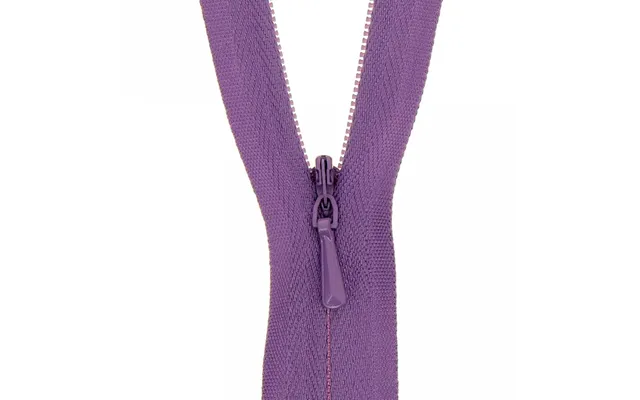
Patterns and haberdashery add depth to the range. A fabric purchase becomes more useful when the customer can also buy matching thread, elastic, bias binding or a concealed zip. This is a little like a well-stocked kitchen shop: the main ingredient matters, but the small tools and finishing touches often decide whether the recipe works.
Minerva also benefits from serving different levels of experience. Beginners often need reassurance and simplicity. They may look for easy patterns, basic cotton and clear instructions. More advanced makers tend to search for special fibres, higher-quality tools, technical fabrics and distinctive prints. A retailer that serves both groups can build a broad and loyal customer base.
Craft shopping is rarely purely practical. A customer may buy fabric because it reminds them of a childhood dress, a favourite garden or a holiday. Colour and texture can create an emotional response before a project even begins. Minerva’s visual product range supports that sense of discovery.
This emotional element is especially valuable in a crowded online market. Price is important, but it is not the only reason people choose a craft shop. Customers also want inspiration, confidence and the feeling that their project matters.
John Lewis is one of the best-known UK retailers and has long carried fabrics, sewing machines, haberdashery and selected craft products. Its biggest strengths are brand recognition, customer service and a broad general merchandise offer. Customers may also appreciate the ability to combine a craft purchase with homeware, clothing or other items.
Minerva is more specialised. A shopper looking for an extensive selection of dressmaking fabric, trims, patterns and sewing accessories will usually find greater depth at Minerva. The specialist retailer speaks more directly to the maker rather than treating sewing as one department among many.
John Lewis can be attractive for customers who value physical department stores and want to see selected products in person. Minerva is often better suited to someone who wants a large online choice and a stronger concentration on fabric and textile projects.
There is also a difference in atmosphere. John Lewis feels polished, broad and dependable. Minerva feels more focused and hobby-led. Neither model is automatically better. The right choice depends on whether the customer wants convenience from a large department store or depth from a specialist supplier.
Hobbycraft has a major presence in the UK craft market, with physical shops and an extensive online operation. It sells products for cardmaking, painting, cake decorating, children’s crafts, sewing, knitting and seasonal projects. Its greatest advantage is range across many types of hobbies.
Minerva competes by going deeper into textiles. A Hobbycraft shopper may want a general craft basket containing paint, glue, paper and a small sewing kit. A Minerva customer may be planning a complete handmade wardrobe or a detailed quilting project.
Hobbycraft’s physical branches are a clear advantage for shoppers who want to browse locally and take goods home immediately. Touching a fabric roll, comparing colours under shop lighting and asking a member of staff can make buying easier. Minerva’s online model, however, can offer a broader specialist selection, particularly for customers who know what they need.
Price comparisons can vary. Both retailers run promotions, seasonal offers and clearance events. The best value depends on the product, delivery cost and whether the customer needs one item or a complete project bundle. A low price on fabric may not be the cheapest overall choice if the shopper must order matching supplies elsewhere.
Abakhan is another important name in the UK fabric and craft market. It is recognised for fabrics, dressmaking supplies, yarn, haberdashery and clearance materials. Its shops often appeal to customers who enjoy browsing large quantities of cloth and searching for bargains.
Abakhan’s physical presence can be a powerful attraction. Fabric shopping is tactile. Many customers want to unfold material, inspect the reverse side and judge the weight before buying. Abakhan can offer that hands-on experience in a way that a purely online transaction cannot.
Minerva, by contrast, offers the convenience of shopping from home and ordering products from a broad digital catalogue. It may appeal more strongly to customers who already understand the fabric they need or who live far from a specialist shop.
The two retailers also encourage different styles of shopping. Abakhan can feel like a treasure hunt, particularly when customers explore remnants and end-of-roll pieces. Minerva often supports a more planned purchase, where the shopper searches by fabric type, colour, project or pattern.
Fabric Land is well known among UK dressmakers and is particularly associated with a strong fabric selection, competitive pricing and physical retail locations. Its stores can be useful for customers who want to see a large amount of fabric in person and buy immediately.
Minerva has a similar appeal for textile enthusiasts but places greater emphasis on online accessibility and an extensive digital shopping experience. A customer who lives close to Fabric Land may prefer to visit the shop, while someone elsewhere in the country may find Minerva more convenient.
Fabric Land may attract bargain-focused shoppers, especially those searching for affordable dressmaking cloth. Minerva can appeal to customers who want to combine fabric shopping with patterns, tools, yarn and broader craft supplies.
Both retailers demonstrate an important truth about the UK market: fabric shoppers do not all want the same thing. Some want the lowest possible price. Others want unusual designs, reliable descriptions, specialist support or a single place to buy every component of a project.
The UK also has many online specialists, including stores that concentrate on sewing patterns, sewing machines, dressmaking fabric or individual brands. These businesses can offer expert product knowledge and highly focused ranges.
A specialist pattern retailer may provide better technical support for a particular pattern company. A sewing-machine dealer may offer stronger advice about servicing, feet and machine accessories. A fabric specialist may have a carefully selected range of luxury cloth.
Minerva’s advantage is breadth. It brings many categories together. That makes it especially useful for customers who do not want to divide an order across several websites. It also suits makers who move between hobbies. A person might sew a blouse one month, knit a scarf the next and begin a patchwork project later in the year.
The trade-off is that a highly focused competitor may sometimes provide deeper expertise in one narrow field. Customers searching for a professional machine, rare couture fabric or advanced technical advice should compare several retailers before ordering.
Convenience is one reason. A well-organised online store saves time, especially for customers who live far from a high street or have limited mobility. It allows people to shop late at night, compare options slowly and keep a project moving without waiting for a local shop to restock.
Choice is another reason. The right fabric can make a project exciting, while the wrong fabric can make it frustrating. A broad selection gives customers more freedom to match their personal taste, budget and skill level.
Minerva also benefits from the renewed interest in handmade clothing and mindful hobbies. Sewing offers a break from fast fashion and disposable buying. It can be creative, practical and economical. People can alter garments to fit their bodies, reuse old textiles and make pieces that feel personal.
The pandemic period brought many new people into home-based hobbies, but the interest in sewing has continued beyond that moment. Social media has made it easier to share finished garments, recommend patterns and learn techniques. Retailers such as Minerva benefit when they become part of that conversation rather than simply presenting a list of products.
Value in craft retail is not only about the cheapest metre of fabric. It includes product quality, accurate descriptions, delivery reliability, useful customer support and the chance to avoid expensive mistakes. Buying suitable cloth at a fair price can be better value than buying cheap material that cannot be used successfully.
Customers should still compare prices, delivery charges and return policies. Fabric is a personal purchase, and colours may look different on different screens. Reading product details carefully remains essential.
Minerva’s future will depend on how well it combines specialist retail with community and education. Customers increasingly expect more than a transaction. They want tutorials, project inspiration, honest information and a smoother digital experience.
Sustainability will also matter. Textile waste is a serious issue, and shoppers are becoming more aware of fibre content, production methods and garment longevity. Minerva can support more thoughtful making by highlighting durable fabrics, encouraging careful buying and showing how one material can be used effectively.
Personalisation may become another important area. Online shoppers want search tools that understand colour, composition, stretch, weight and intended use. Better filters can turn an enormous catalogue from a maze into a helpful map.
At the same time, physical craft shops will continue to offer something online retail cannot fully replace: touch. The strongest future for the UK craft market may involve both models. Customers can discover ideas online, visit a shop when they need to handle fabric and return to the internet for specialist products.
Minerva is well placed in this changing market because its history connects traditional textile retail with modern digital shopping. Its story is not simply about moving products from a warehouse to a customer. It is about helping people turn an idea into something they can wear, use, give or keep.
Minerva’s place in British retail comes from its focus on makers. Compared with John Lewis, it offers greater textile specialism. Compared with Hobbycraft, it provides deeper attention to fabric and sewing. Compared with Abakhan and Fabric Land, it offers a convenient online route to a wide project-based range. Each competitor has clear strengths, but Minerva stands out by combining choice, craft knowledge and inspiration.
That combination explains why the store remains relevant. Sewing trends may change, websites may evolve and customers may move between online and physical shops, but the basic desire stays the same: people want to make something that feels like their own. Minerva continues to serve that desire, one pattern, reel of thread and length of fabric at a time.