

Muddy Puddles price list
Last updated Thursday, Sep 3, 2026



| Store | Status | today | distance |
|---|
Loading...
Loading...
Last updated Thursday, Sep 3, 2026
Muddy Puddles started as a small idea with big heart. It began when parents looked for hard-wearing, cheerful outerwear for kids and couldn’t find exactly what they wanted. So, they made it. The brand grew from a simple need: keep children warm, dry, and smiling while they explored the outdoors. That humble beginning shaped how Muddy Puddles approached design, service, and community—always practical, always playful.
Like many beloved British brands, Muddy Puddles didn’t open with a grand plan. Early pieces were often designed at kitchen tables, sampled in small batches, and sold at local markets. Word-of-mouth did the heavy lifting—parents recommending rain suits and wellies that lasted, teachers noting the durability, neighbours admiring the bright prints. Slow, steady growth followed, with the brand moving from market stalls to independent shops and then to online retail.
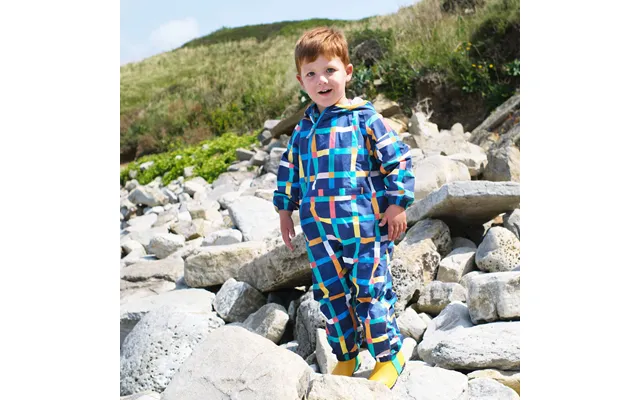
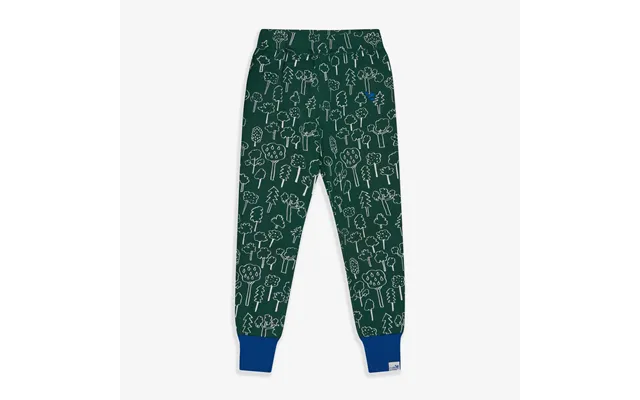
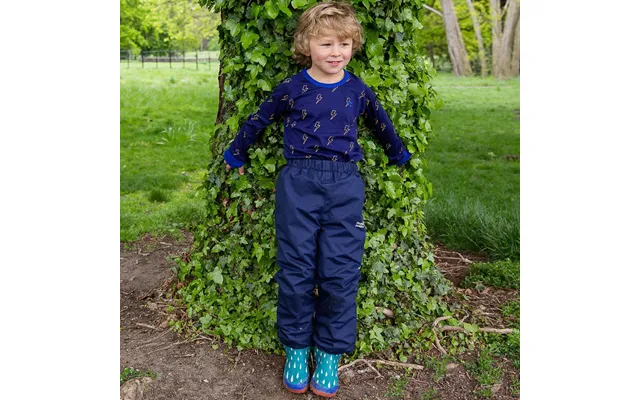
Muddy Puddles’ DNA comes down to two words: function and fun. Raincoats must repel rain; boots must keep feet dry; seams must stay sealed. But appearance matters too. Muddy Puddles balanced strong practical features with playful patterns—dinosaurs, dots, stripes, and colours that kids wanted to wear. The result? Clothing that parents trust and children choose.
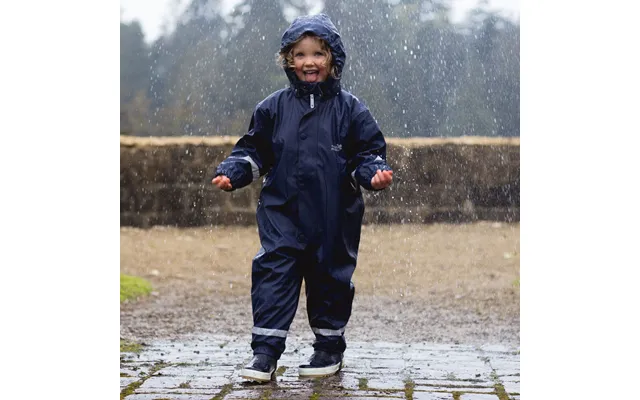
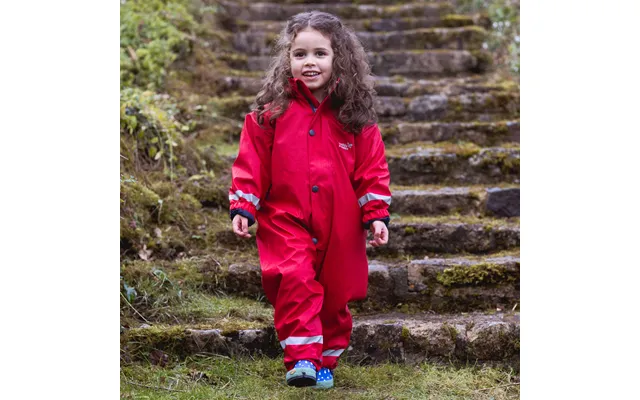
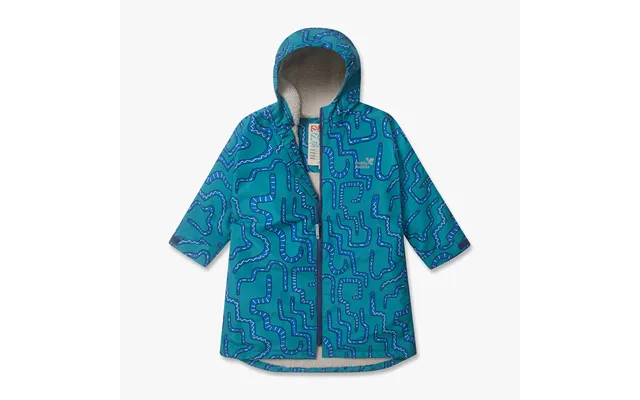
Over time, the product range broadened. What began as a handful of essential rain items grew into complete ranges for outdoor play. Think waterproof coats, fleeces, insulated jackets, wellies, hats, and gloves, plus backpacks and waterproof seat covers. Each new item answered real-life parent questions: Will this wash well? Will it last more than one season? Can my child move freely?
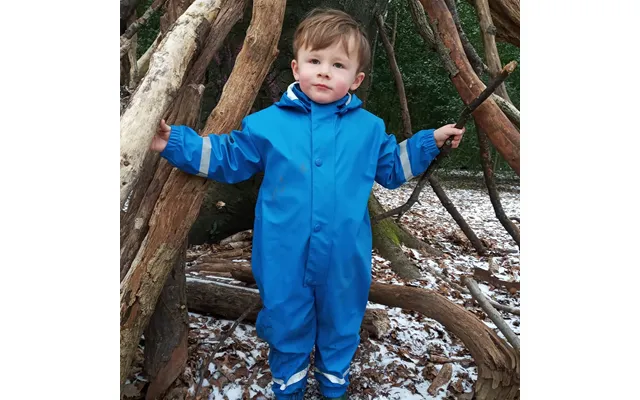
Muddy Puddles introduced features aimed at making everyday life simpler—tap-resistant fabrics, reflective trims for safety, reinforced knees for climbers, and adjustable cuffs for growing children. They also paid attention to practical details like easy fastenings and roomy pockets. These small innovations often make the biggest difference when you’re juggling groceries and a wriggling toddler.
Quality matters when children are involved. Muddy Puddles established testing routines that simulate real-world wear: repeated washing, stretch tests, seam checks, and outdoor trials by active families. This isn’t just marketing; it’s a promise. When a coat lasts through multiple siblings, it becomes more than clothing—it becomes part of family memory.
Muddy Puddles moved carefully into retail. They worked with independent retailers, partnered with larger chains at times, and established a direct online store. Why diversify? Different customers shop differently. Some still love the high street experience—touching fabric and trying sizes—while others prefer the convenience of online shopping and home delivery.
In physical shops, the Muddy Puddles display often aimed to feel playful and practical. Stores used bright, eye-catching displays with product groupings that made sense to busy parents: rain gear near footwear, layered outfits for seasonal changes, and accessories at eye-level for kids. Friendly staff who could explain sizes and washing tips helped turn browsers into buyers.
On the web, Muddy Puddles invested in easy navigation, clear size guides, and helpful photos. They used customer reviews to build trust and often featured style guides or short videos showing garments in real settings. Email offers, targeted promotions around the start of term, and quick delivery options helped them keep pace with modern shoppers’ expectations.
Today’s customers ask more than “how much?” They ask “where from?” and “what happens next?” Muddy Puddles responded by highlighting responsible material choices, durable production, and local community involvement. Durability itself is a sustainability win—clothes that last mean fewer items in landfill.
Muddy Puddles worked to use recycled fabrics where possible and to source materials with lower environmental impact. They focused on reducing waste during production and choosing suppliers who met basic ethical standards. While not every item could be fully sustainable, the trend was clear: make better choices where they made sense.
Community matters to brands built by parents. Muddy Puddles often supported local initiatives—school events, playground refurbishments, and charity drives that matter to families. These activities weren’t flashy marketing; they were a way to keep the brand rooted in the towns and regions it served.
How did Muddy Puddles keep customers returning? It wasn’t just the product. Smart promotion, seasonal reminders, and a genuine relationship with shoppers played a big part. Loyalty isn’t bought; it’s earned through consistent quality and thoughtful service.
Instead of high-pressure adverts, Muddy Puddles used helpful content—how to layer for British weather, washing guides, and tips for outdoor play. This content positioned the brand as a friendly expert. Social media amplified family photos and customer stories that felt real rather than staged.
Rainy seasons, back-to-school, and holiday sales shaped the calendar. Muddy Puddles timed new releases and promotions around these moments. Limited-edition prints and collaborations with illustrators kept the range fresh and gave families reasons to return each season.
The UK market for children’s outdoor clothing includes strong competitors. Let’s compare Muddy Puddles to several well-known options: JoJo Maman Bébé, Frugi, Mamas & Papas, Next, and Marks & Spencer. Each competitor has strengths that appeal to different shoppers. How does Muddy Puddles stack up?
JoJo Maman Bébé is known for classic designs, a focus on maternity as well, and a slightly higher price point on some ranges. Where JoJo leans traditional with a refined aesthetic, Muddy Puddles emphasizes playful prints and rugged functionality. If you want heritage-inspired looks, JoJo fits; if you want robust rainwear that kids actually wear outdoors without fuss, Muddy Puddles often wins.
Frugi is a strong competitor on sustainability and organic materials. Their bold colours and eco-credentials attract eco-conscious parents. Muddy Puddles competes by offering similar bright designs and durable construction but may not match Frugi’s focus on organic cotton across the entire range. For buyers prioritising certified organic fabric, Frugi leads. For those wanting long-lasting waterproof gear at good value, Muddy Puddles remains appealing.
Mamas & Papas focuses heavily on nursery furniture, babywear, and wider parenting solutions. Their clothing lines are stylish and well-made but tied closely to the broader parenting ecosystem. Muddy Puddles is more narrowly focused on outdoor clothing and play—this focus can mean better technical features and more attention to weather-proofing. Families shopping for a complete nursery package might lean to Mamas & Papas; those seeking specialised waterproofs will look at Muddy Puddles.
Next offers wide distribution, very competitive pricing, and frequent fashion-forward updates. They operate at scale, so customers often find fast delivery and consistent returns processes. Muddy Puddles, by contrast, positions itself on characterful designs and durability. If you want mainstream convenience and trend-led options, Next is strong. If you want outdoor clothes built to withstand rough play with distinctive prints, Muddy Puddles competes strongly.
Marks & Spencer brings trusted quality and broad adult and children’s lines with strong in-store networks. M&S often nails basics with consistent quality and good fabric choices. Muddy Puddles differentiates through specialist waterproof know-how and playful kid-first designs. For classic, dependable staples, M&S is excellent. For imaginative outerwear that’s engineered for muddy play, Muddy Puddles has the advantage.
Price matters, but value is about more than the ticket. Muddy Puddles targets families that want reliable, well-made clothing without breaking the bank. Their price point normally sits in the mid-range: higher than budget high-street knockoffs, lower than some premium organic brands. The real selling point is longevity—a coat that survives seasons is cheaper per wear than a cheaper coat that falls apart.
Think practical parents who love the outdoors. They want clothes that survive farms, parks, and puddle-heavy commutes. They shop with one eye on quality and one eye on style—bright colours and patterns for kids, sensible features for adults. These buyers value clear size guides, easy returns, and real customer service.
Promotions often come around school term changes and seasonal shifts. Loyalty schemes, email discounts, and bundle deals on sets (coat + wellies, for example) make purchasing easier. By offering good aftercare advice and responsive customer service, Muddy Puddles keeps the relationship going beyond the first sale.
Customers remember how brands treat them after purchase. Muddy Puddles built a reputation for helpful service—clear exchange policies, washing tips, and support when things go wrong. This kind of human-to-human help turns frustrated buyers into loyal ones.
Generous return windows and practical repair advice go a long way. Instead of pushing immediate replacement, helping parents fix a seam or patch a boot extends product life and builds trust. Muddy Puddles often encourages repair where possible—an approach that saves waste and keeps families happy.
Customer feedback helped shape new collections. Muddy Puddles listened—parents suggested better sizing, zipper guards, or stronger ankle seals—then the brand iterated. That loop—listen, test, improve—keeps the products relevant and useful.
No brand is without challenges. Muddy Puddles must navigate rising production costs, supply chain pressures, and growing consumer demand for transparency. Yet each challenge opens opportunity: more emphasis on repair, clearer sustainability reporting, and local partnerships could strengthen the brand.
Scaling up while keeping sustainability credible is tricky. Muddy Puddles can grow by choosing circular approaches: repair services, trade-in schemes, or take-back programs that resell or recycle outgrown items. These moves would cut waste and deepen customer loyalty.
New waterproof fabrics and recycled synthetics offer ways to maintain performance while cutting environmental impact. If Muddy Puddles invests in these material innovations, they can keep delivering the durability parents expect while meeting modern ethical standards.
The history of Muddy Puddles is a story about parents, play, and persistence. It’s about turning small practical needs into products that hold up to muddy adventures and toddler energy. Through steady product development, a sensible retail approach, and attention to customer needs, Muddy Puddles carved a niche in the UK market. Compared to competitors, it stands out for focused outdoor gear, playful designs, and a family-friendly approach. Its future depends on balancing growth with responsibility—continuing to make clothing that lasts, supports play, and keeps pace with what modern parents care about.