




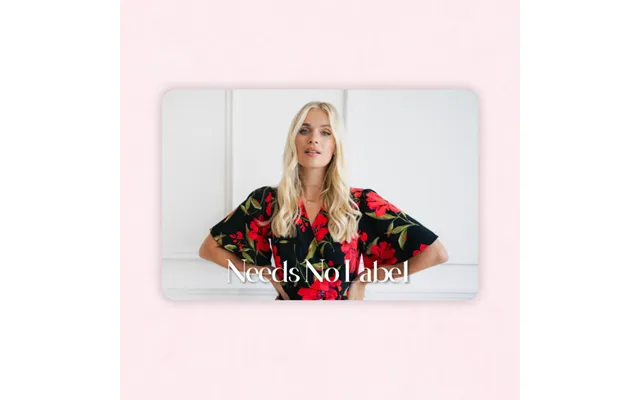

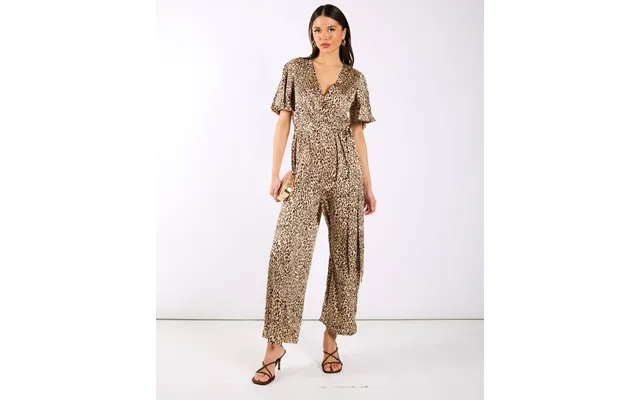
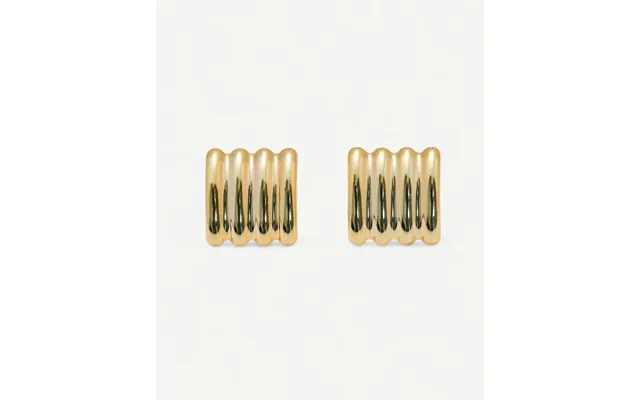
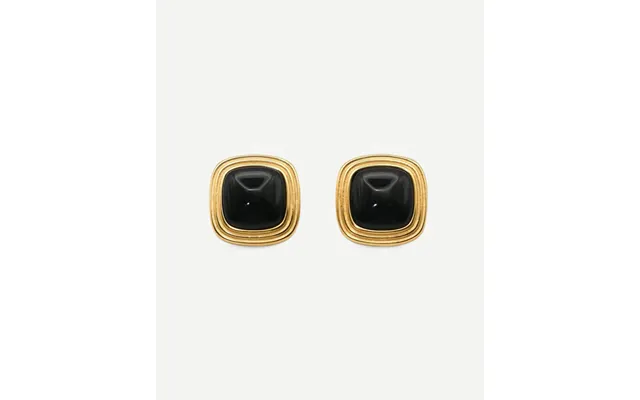
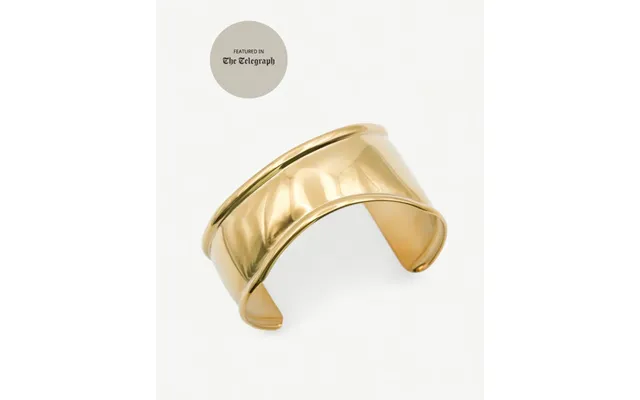
Needs No Label price list
Last updated Thursday, Aug 13, 2026
Last updated Thursday, Aug 13, 2026
Needs No Label started as a modest idea: sell clothes and goods that speak for themselves, without the heavy noise of big logos and flashy marketing. It wasn't born from a fancy boardroom. It grew from conversations on street corners, from a handful of designers who wanted their work to be noticed for craft and character rather than brand emblems. In a market dominated by names and neon signs, this shop carved out a different identity — one where the product does the talking. That shift in mindset became the heart of its brand and set the stage for the store's history in the UK retail scene.
Why did that idea matter? Because shoppers were tired. They wanted authenticity. They wanted quality that didn’t come with a price tag stamped by a global logo. Needs No Label met that demand. Early customers saw something familiar yet fresh: clothes and accessories that felt personal, not prescription. The shop’s layout, quiet packaging, and soft-spoken staff all reinforced a message — you don’t need a label to stand out.
As the store found its footing, it focused on curation over expansion. Instead of chasing rapid growth, Needs No Label chose products that fit a narrative. The aisles became carefully edited galleries of textiles, local makers, and select international designers who embraced understated design. That curation created a loyal community. People came back not just to buy but to discover. The shop began to host small launches, local maker nights and styling sessions — activities that turned customers into regulars and regulars into ambassadors.
Partnering with local artisans amplified the store’s message. Makers got a platform; customers got stories. This two-way exchange strengthened neighborhood ties and made shopping feel like a social act. For a lot of shoppers, buying at Needs No Label wasn’t simply a transaction. It felt like supporting a small ecosystem where craft mattered.
The retail world shifted fast. Online platforms disrupted traditional shopping, and the pandemic accelerated change even more. Needs No Label had to evolve. Rather than abandon its in-store charm, the store extended that voice online. The website mirrored the physical space: clean, human, and straightforward. Product pages included maker notes, care instructions, and styling ideas — content that made the online experience less cold and more like a conversation.
Omnichannel was not just a buzzword for Needs No Label; it became a survival plan. Click-and-collect, local delivery, and virtual styling sessions bridged distance for customers who could no longer drop by in person. The store used email newsletters and social media to tell stories rather than simply push sales. That approach kept the audience engaged and brought new customers who appreciated the brand’s transparent voice.
One of the most defining features of Needs No Label’s history is its stance on sustainability. From day one, the store emphasized better materials, fair working conditions, and longevity over disposable fashion. This didn’t mean everything was expensive or elite. It meant choices were made with care: fewer throwaway garments, more durable staples, and an emphasis on repair and reuse. For many buyers, that ethics-first approach was the reason they chose Needs No Label over bigger chains.
The store took practical steps that resonated with customers. It offered repair services, accepted returns for reuse, and prioritized brands with clear supply chains. Packaging was minimal and recyclable. The point was simple: live the values the store promoted. Consumers noticed, and that attention turned into credibility. Ethical fashion stopped being a niche label and became a reason to shop there.
Needs No Label leaned into a design aesthetic often called “quiet luxury.” That doesn’t mean things were ultra-pricey. It means garments were thoughtfully made, with a focus on cut, fabric, and fit. The shop celebrated subtlety: a well-placed stitch, a unique weave, or a clever pocket. Shoppers learned to read quality in small details. This philosophy attracted people who wanted to invest in pieces that last, pieces that age well and tell a story.
From everyday tees to seasonal outerwear, the product mix was purposeful. The shop avoided chasing trends and instead stocked items with staying power. That helped customers build wardrobes that worked together — versatile, practical, and refined. The result? Shoppers felt more confident in their choices, and the store built a reputation for dependable style rather than fleeting hype.
No path is clean. Needs No Label had to navigate supply chain issues, rising costs, and the constant pressure to scale. There were tough decisions — whether to expand to new locations, how to price items fairly, and when to bring in new designers. Each setback taught something valuable. For instance, managing stock more tightly reduced waste and sharpened curation. Investing in staff training improved customer experience. The brand learned that resilience came from staying true to core values while being flexible in tactics.
Feedback played a key role. The store listened closely to what customers said — about fit, prices, and service. That feedback loop informed buying choices and helped shape marketing that felt honest. In short, customer voices influenced strategy, and that kept the store grounded.
How does Needs No Label stack up against other players in the UK market? Let’s break it down. There are big department stores like Selfridges and Liberty, online giants like ASOS and Boohoo, and niche platforms such as Wolf & Badger and Oi Polloi. Each has strengths, but Needs No Label holds a unique place between mass-market reach and high-end curation.
Department stores offer scale, variety, and big-name brands. They can be destinations for luxury shopping and seasonal events. But they can also be overwhelming and less personal. Needs No Label, by contrast, focuses on a tighter edit and a more intimate shopping experience. You won’t find hundreds of competing versions of the same jacket. What you will find are selected items with clear stories. That gives Needs No Label an advantage for shoppers who value discovery over endless choice.
Fast-fashion sites dominate with low prices and rapid trend turnover. They are convenient and cheap, but often at the cost of sustainability and longevity. Needs No Label does the opposite: it asks shoppers to invest in fewer, better things. Price points may be higher, but the lifetime value of products is often greater. If you care about making clothes last or knowing where your items come from, Needs No Label is a more appealing option.
Curated marketplaces and independent boutiques are perhaps the closest competitors. Wolf & Badger and Oi Polloi also champion designers and thoughtful products. The difference lies in tone and community. Needs No Label tends to be quieter and more neighborhood-focused, while some marketplaces aim at a global audience and trend-forward customers. Both models work, but Needs No Label’s smaller scale fosters a deeper local connection and a stronger focus on craft over flash.
People return for several reasons. First, the staff know the products and explain them like friends. Second, the store atmosphere is comfortable — it doesn’t pressure you to buy. Third, the product quality usually matches expectations. That combination creates trust. Purchasing becomes less about impulse and more about building a personal wardrobe. In that sense, Needs No Label acts as a style partner rather than a sales machine.
Small events create big loyalty. Pop-ups, workshops, and meet-the-maker nights turn customers into participants. These events are simple but effective: they provide context for products and make shopping social. Personal touches like handwritten notes or tailored recommendations give customers reasons to come back and to recommend the store to friends.
The future is about staying relevant without losing the original promise. That means continuing to build a sustainable supply chain, growing community ties, and using digital tools to deepen the relationship with customers. Expansion is possible, but the smart kind: slow, deliberate, and rooted in the brand’s core values. Think more thoughtful pop-ups than rapid nationwide rollouts.
Opportunities include expanding online storytelling, partnering with other ethical brands, and offering services like styling subscriptions or repair memberships. Each of these moves capitalizes on what the store already does well: build trust, curate thoughtfully, and foster community. If executed with care, these steps can increase reach while preserving authenticity.
Needs No Label is an example of how a small store can make a big cultural mark. It shows that in a noisy market, a clear voice and steady values win attention. The store’s history is less about dramatic pivots and more about steady refinement — a lesson in staying focused while adapting. For shoppers tired of loud logos and disposable fashion, it offers an alternative that feels honest, practical, and human. Stores like this remind us shopping can be an act of taste and conscience combined.