



Online Home Shop price list
Last updated Thursday, Sep 3, 2026





| Store | Status | today | distance |
|---|
Loading...
Loading...
Last updated Thursday, Sep 3, 2026
Have you ever wondered how a small online retailer becomes a household name? Online Home Shop is one of those UK-based stores that quietly grew into a go-to destination for home goods. This article traces its history, explores what makes it different, and compares it with similar British stores. Along the way, we’ll look at product range, pricing, customer service, and the online shopping experience. Ready? Let’s walk through the story of Online Home Shop together.
Online Home Shop started modestly. Founded by entrepreneurs who spotted a gap in the UK market for affordable, stylish homeware, it launched as a purely online venture. The founders focused on curating a range that balanced trend-driven items with everyday essentials. Early on, they prioritized simple navigation, mobile-friendly pages, and fast shipping. Those decisions helped them gain traction quickly among young professionals and families looking to refresh their homes without breaking the bank.
The early model was lean: stock a focused selection, outsource warehousing, and rely on social media and SEO to build awareness. This allowed low overheads and competitive prices. Marketing leaned into lifestyle photography and straightforward product descriptions—no fluff, just useful info. Many shoppers appreciated the honest approach. The founders also invested in customer feedback loops to iterate quickly—if something wasn’t selling, it was swapped for a better-performing item.
Within a few years, Online Home Shop expanded its catalog, introduced own-brand items, and improved logistics. Key milestones included a redesign of the website for faster checkout, launching a loyalty program, and adding same-day dispatch for popular items. Each move tightened the company’s grip on the market. Collaborations with UK-based interior influencers helped the brand reach larger audiences and gain cultural relevance.
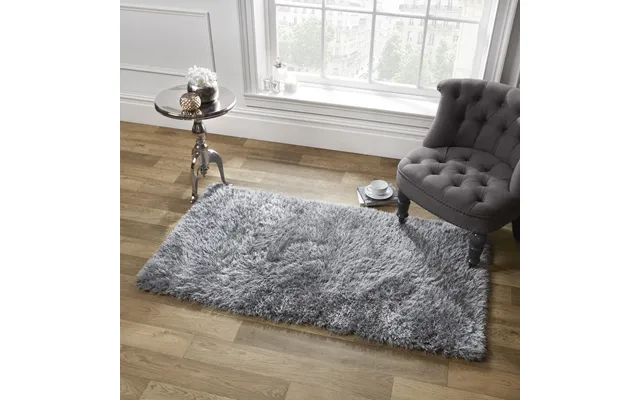
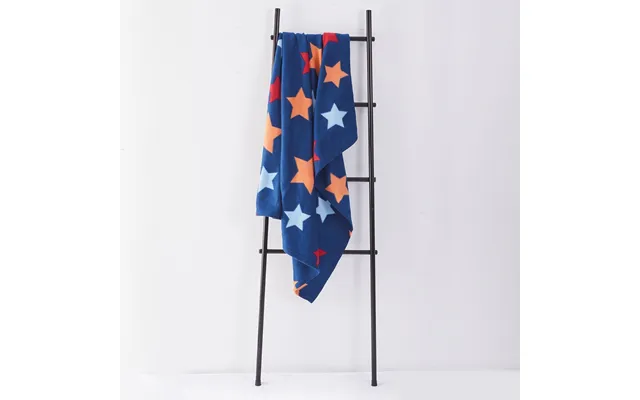
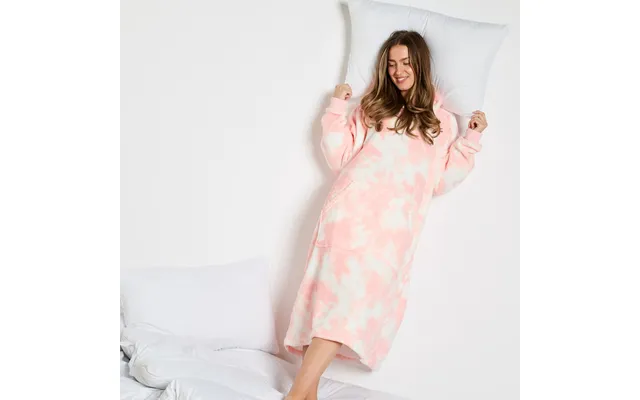
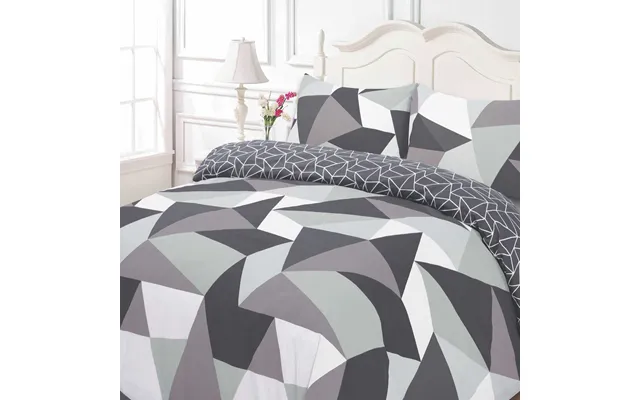
From bedding to lighting, kitchenware to small furniture, Online Home Shop covers most corners of the home. The range is broad but curated—think modern styles with neutral palettes alongside bolder accent pieces. They stock seasonal items, quick redecorating kits, and functional staples. Whether you want a new duvet set, a bedside lamp, or a compact storage unit, you’ll likely find it here.
Online Home Shop carries both third-party brands and its own private-label ranges. Own-brand products are designed to offer good value and match popular trends. Third-party brands provide variety and depth in categories like cookware and designer lighting. This mix gives shoppers flexibility: high-value essentials and occasional splurge items. The store often highlights best-sellers and customer-rated favorites to guide buying decisions.
Like many modern retailers, Online Home Shop has been nudged toward greener practices. The company has introduced eco-friendly product ranges and improved packaging to reduce waste. Sourcing transparency varies by product, but the store increasingly features items made from recycled materials or sustainably sourced wood. It's an ongoing journey rather than a finished story, and customers can see that through product labels and sustainability commitment pages.
Shopping at Online Home Shop is built around simplicity. The website uses clean layouts, easy filters, and clear product photos. For many users, the checkout process is quick and intuitive. Delivery options include standard, express, and click-and-collect in some areas. Dispatch times improved over time as the retailer invested in warehousing and partnerships with courier services.
Customer service is where online retailers live or die. Online Home Shop offers typical channels: email, phone, and a chat system. Response times are generally solid for routine questions, though complex issues can take longer. The returns policy is clear—most items can be returned within a set window if unopened or unused. Return shipping fees apply in certain cases, but the store provides step-by-step guides to make the process smooth.
Mobile-first design helped the store early on. Shoppers browse and buy on phones more than ever, and Online Home Shop’s site adapts well. While there isn’t always a dedicated app, the responsive website and saved account features make repeat purchases fast. Features like wishlists and saved delivery addresses reduce friction and help convert browsers into buyers.
The brand voice of Online Home Shop is accessible, friendly, and practical. Marketing emphasizes real homes, not staged showrooms. Social media features user-generated content—customers showing their purchases in real spaces. Email marketing focuses on helpful tips, seasonal trends, and exclusive deals. SEO plays a big role too, with product pages and blog content optimized for search terms related to home decor, furniture, and UK shipping.
Influencer partnerships were a turning point. Local interior creators shared honest reviews and styling tips that resonated with followers. These collaborations often boosted specific product lines and created viral moments. Partnerships with smaller UK designers also added credibility and diversified the product mix, appealing to shoppers who want something different from mass-market offerings.
Public financial details vary, but Online Home Shop has shown steady growth. Revenue increased as the e-commerce market in the UK expanded. The company’s focus on margins, logistics optimization, and repeat customers helped build sustainability. While not the largest player, it carved out a mid-market niche—affordable but stylish home products with reliable service.
Competition is fierce. Large platforms like Amazon and Wayfair, plus high-street brands with online stores, push prices and delivery standards. Supply chain disruptions and rising shipping costs have been headwinds. Online Home Shop had to respond by tightening supplier relationships, forecasting demand better, and offering targeted promotions to keep customer loyalty.
Let’s compare Online Home Shop with a few notable UK alternatives: Wayfair UK, Dunelm, Made.com, and Habitat. Each fills a slightly different niche, and understanding those differences helps shoppers choose the right store.
Wayfair is a giant with a massive catalog and fast delivery options. Wayfair’s strength is scale and variety. Online Home Shop competes by being more curated and personal. Where Wayfair offers everything under the sun, Online Home Shop focuses on a handpicked selection, easier navigation, and a friendlier price point on core items. If you want endless choice, Wayfair wins. If you want curated options and simpler decisions, Online Home Shop often feels better.
Dunelm is a high-street brand with strong textile offerings and in-store pickup options. Dunelm’s customers like seeing products in person and have trust in the brandbuilt over decades. Online Home Shop matches Dunelm on value for bedding and soft furnishings but leans more online-first. For shoppers who want immediate in-store returns or to touch products before buying, Dunelm is preferable. For those who prefer online browsing and trend-led pieces, Online Home Shop is a solid alternative.
Made.com focuses on contemporary design and higher-end pieces, often at mid-luxury prices. It’s design-led and appeals to shoppers seeking statement furniture. Online Home Shop targets affordability and versatility. If you want designer originals and are willing to wait for production, Made is compelling. If you want quicker, budget-friendly, and on-trend items, Online Home Shop is the practical choice.
Habitat mixes design heritage with on-trend pieces and has physical stores. Habitat often targets style-conscious customers who want brand cachet. Online Home Shop, on the other hand, is more about straightforward choices and value. Habitat’s designs can be more distinctive, while Online Home Shop keeps things neutral and broadly appealing. It’s a matter of taste: personality vs practicality.
Reviews show a pattern: customers praise Online Home Shop for good value, modern styles, and reliable delivery. Criticisms revolve around occasional stock issues, long wait times for certain large items, or mixed experiences with customer service for complex issues. Overall, the brand scores well with repeat buyers who appreciate clear product descriptions and fair pricing.
Trust is built through transparent policies, verified reviews, and clear delivery timelines. Online Home Shop has invested in showing product provenance, care instructions, and realistic photos. Post-purchase emails with tracking updates and care tips help reduce anxiety and encourage repeat purchases. Aftercare—like warranties or hassle-free replacements on some items—adds trust for larger purchases.
The future looks steady but competitive. Expect more private-label lines, smarter personalization on the website, and faster delivery options. Sustainability will continue to shape sourcing and packaging choices. The company may open more physical touchpoints like pop-ups to let customers see key products in person and bridge the gap to full omnichannel retail.
Tech will matter. Better site search, AI-powered recommendations, augmented reality (to preview furniture in your home), and improved inventory systems will help Online Home Shop stay relevant. Investments in mobile UX and checkout flexibility—like buy-now-pay-later—will bring in younger customers who value convenience and payment options.
Online Home Shop has navigated a crowded market through focus and adaptability. It’s not the cheapest, nor the most luxurious, but it occupies a sweet spot: accessible design, clear shopping experience, and reliable service. Shoppers choose it for dependable value, simple choices, and a friendly online experience. If the company continues to evolve—especially in sustainability and tech—it can keep growing in the UK homeware scene.