












OutIn price list
Last updated Thursday, Aug 13, 2026
Last updated Thursday, Aug 13, 2026
OutIn arrived on the UK retail scene as a fresh voice. It started small, not as a flashy chain but as an idea—bring together bold design, inclusive values, and practical shopping for everyday people. The founders wanted a place that felt like a neighbourhood friend: warm, open, and tuned into what customers actually wanted. That voice is part brand identity and part mission: make shopping easy, honest, and stylish.
The core idea was straightforward. Instead of chasing fast trends, OutIn aimed to build a steady collection of pieces that looked good for longer. Think timeless cuts, clean patterns, and materials that hold up in daily life. The emphasis was on design that fits real lives—work, weekends, and everything in between. This approach helped the store stand out from outlets chasing only the hottest seasonal hype.
No new store grows without bumps. OutIn faced supply chain puzzles, tight budgets, and the constant need to find customers’ trust. Early customers were the lifeblood—friends, neighbours, and local shoppers who appreciated a friendly atmosphere and useful products. The store learned quickly: listen to feedback, simplify returns, and make staff accessible. That early responsiveness built a loyal following that spread by word of mouth.
As OutIn matured, it shifted carefully from a single shop to a recognisable brand. Expansion was purposeful rather than aggressive. They chose locations that matched the store’s vibe—urban pockets and suburban high streets where people value quality and service. Each new outlet carried the same calm, tidy layout, consistent colours, and helpful customer service that made the original store feel familiar.
Walk into an OutIn store and you notice the same things: clear signage, uncluttered displays, and staff ready to chat without pressure. The layout is a deliberate mix of boutique charm and practical organisation. This design philosophy aims to reduce decision fatigue—customers find what they want fast and still feel comfortable exploring new items.
OutIn complemented its physical growth with an online presence designed to extend the in-store experience. Their website mirrors the store layout and delivers reliable product information, customer reviews, and responsive support. They invested moderately in digital marketing, prioritising search-friendly content and easy checkout. The result: customers get the community feel of the store whether they shop on the high street or at their kitchen table.
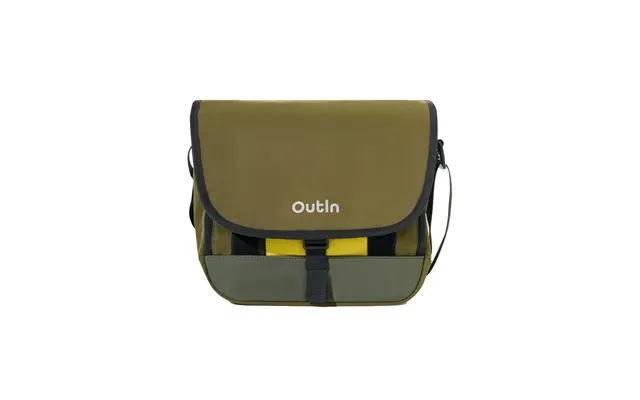
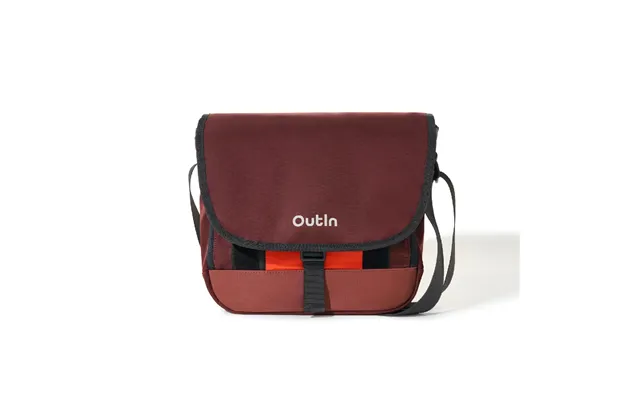
OutIn’s product lines kept a clear focus: clothes and lifestyle items that mix comfort with subtle style. Collections included everyday wear, seasonal highlights, and a selection of accessories. The store also introduced limited capsule drops—small, curated ranges that refreshed the floor without overwhelming regular stock.
A growing number of shoppers care where products come from. OutIn leaned into transparency, sharing stories about makers and materials. They didn’t promise perfection but communicated realistic steps: better materials, fairer partnerships, and incremental improvements. This transparent voice resonated with customers tired of greenwashing and vague claims.
OutIn targeted a middle ground: not discount price wars, but not luxury markups either. The aim was value—durable pieces that justify their price over time. Promotions were thoughtful: seasonal reductions, loyalty perks, and occasional collaborations rather than constant markdowns that undermine perceived value.
OutIn’s marketing leaned on simple, human storytelling. Instead of celebrity endorsements, they showcased real customers and local events. The brand organised in-store workshops, styling sessions, and community meetups to build lasting relationships. This grassroots approach kept marketing costs efficient and engagement genuine.
On social platforms, OutIn stuck to regular, useful posts: outfit ideas, behind-the-scenes looks, and care tips for fabrics. They used search-friendly language and consistent tags to improve visibility. Content was short, helpful, and honest—what you’d expect from a neighbour telling you about a new café or a good pair of shoes.
Partnering with local artists, small producers, and charities helped OutIn anchor itself in communities. These partnerships were reciprocal: local partners gained exposure, and OutIn enriched its product mix with unique items. Events tied to these partnerships drew footfall and strengthened the store’s reputation as a place that gives back.
The UK market is crowded with retailers—from high-street giants to clever independents. OutIn doesn’t try to be everything to everyone. Instead, it sits in a particular lane: thoughtful design, clear pricing, and community-driven retail. Let’s compare it to the main types of competitors.
Big chains offer wide ranges, deep discounts, and national reach. They win on price and ubiquity. OutIn competes differently: it emphasizes a curated range and a friendlier shopping experience. You won’t find every trend in OutIn, but you will find items chosen to last and staff who can guide you. If you want uniform choices and budget prices, chains win. If you want curated picks and supportive service, OutIn often wins.
Boutiques focus on unique, often higher-priced items and a strong aesthetic. OutIn shares some boutique traits—curation and personality—but is more accessible on price and scale. Boutiques can be trend-forward and niche; OutIn bridges that niche with mainstream usability. In short, OutIn is less exclusive but more dependable for everyday wardrobes.
Online-only retailers compete on convenience and price. They often undercut bricks-and-mortar stores by saving on physical overheads. OutIn balances this by offering both online ease and in-store touchpoints. The advantage: customers can try before they buy, return items locally, and get real-time advice—not possible with pure-play e-tailers. For customers who want certainty and a personal touch, OutIn has the edge.
Customer service is central to OutIn’s brand. Training emphasises helpfulness, not hard-selling. Staff are encouraged to listen, suggest, and follow up. This human-first approach fosters loyalty and reduces returns. Many customers report appreciating a staff member’s honest opinion rather than a pushy salesperson.
OutIn’s loyalty scheme is simple: points that turn into discounts, early access to capsule drops, and occasional personalised offers. It’s not a flashy system, but it’s clear and useful. Simple loyalty beats complicated tiers for many shoppers—especially those who prefer convenience over gaming the system.
No retailer gets it right all the time. OutIn handles complaints with a focus on speed and fairness. The policy is: acknowledge quickly, fix what’s reasonable, and explain transparently. This approach avoids mistrust and helps maintain long-term customer relationships.
OutIn isn’t standing still. Innovation is more about small improvements than headline-grabbing tech. They’re investing in smarter inventory systems to reduce waste, improving fabric traceability, and refining omnichannel logistics for quicker delivery. These steps are practical and focused on creating a smoother customer experience.
Sustainability at OutIn is iterative: swap to better fabrics, work with factories that provide clearer records, and promote repair over replace. The store doesn’t claim radical transformation overnight. Instead, it prioritises meaningful actions that customers can see and understand.
On the digital side, OutIn is improving search on its site, adding richer product details, and refining mobile experience. These are quiet upgrades but essential in a market where shoppers expect fast, relevant results. It’s less flashy than a viral campaign but more reliably valuable.
People pick OutIn for several simple reasons: approachable staff, clear quality, and a shopping experience that doesn’t pressure you. It fits those who want style without drama and practicality without compromise. For everyday shopping with a touch of care, OutIn hits the sweet spot.
If you like durable basics, moderate prices, and human service, OutIn is a match. It’s ideal for people who prefer curated choices and honest advice. Families, professionals, and older teens who value simplicity often become loyal customers.
If you seek the absolute lowest prices, the flashiest trends, or ultra-luxury labels, OutIn might not be your go-to. Other retailers target bargain hunters or fashion-first shoppers more effectively. OutIn’s strength is balance—practical style with a steady focus on quality.
OutIn’s story is one of steady purpose. It didn’t explode overnight or promise to be everything; it carved a niche and nurtured it. The brand speaks to shoppers who want a simple, human retail experience—curated products, clear values, and staff who treat you like a neighbour. That quiet, steady growth is OutIn’s strength.