



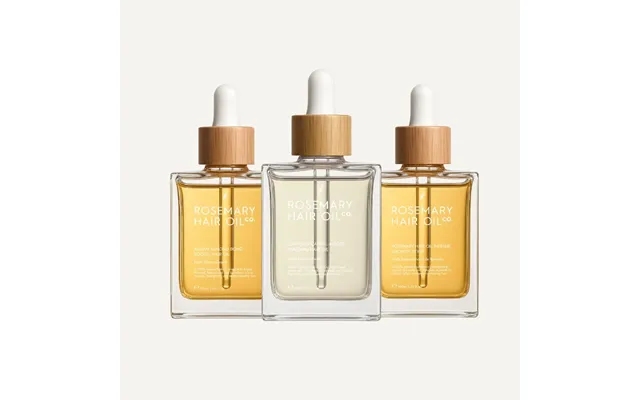
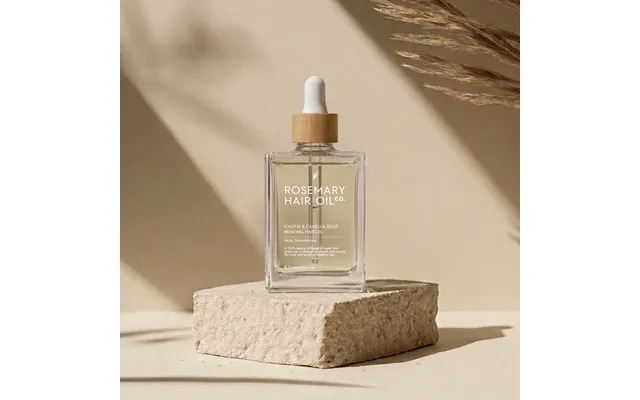
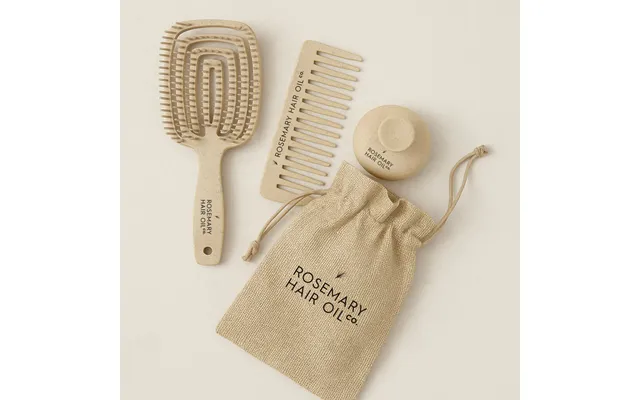
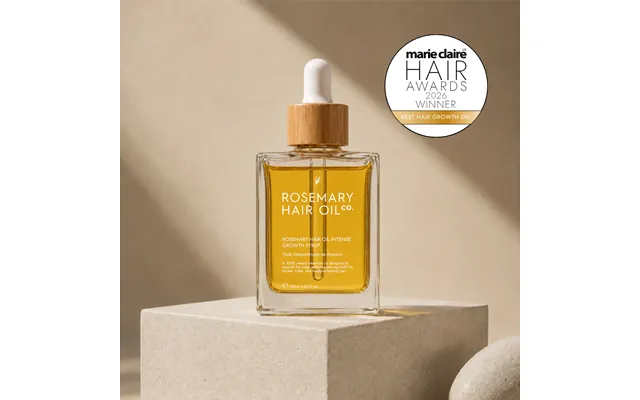

Rosemary Hair Oil price list
Last updated Monday, 5 Oct 2026






| Store | Status | today | distance |
|---|
Loading...
Loading...
Last updated Monday, 5 Oct 2026
Rosemary Hair Oil began as a small, passionate project. It started when a handful of hair care enthusiasts in the UK noticed the rise of natural remedies and traditional botanicals. They wanted a product that worked and felt honest — no wild claims, just ingredients that make sense. So, Rosemary Hair Oil was born, blending centuries-old knowledge about rosemary with modern, clean production methods.
Rosemary isn’t a random herb picked from the garden. For centuries, rosemary has been linked to hair health. People used it in folk remedies to boost circulation, strengthen strands, and soothe scalps. The team behind Rosemary Hair Oil took that lore and backed it with science where possible, using rosemary extract and oil known for antioxidant and circulation-supporting properties. The result felt like a bridge between grandmother’s remedies and contemporary hair science.
When the store first opened in the UK, it had humble beginnings — a single product line, limited stock, and local fairs. Word spread slowly at first, through farmers’ markets, pop-up shops, and recommendation chains on community message boards. People loved that the product used simple ingredients and avoided harsh chemicals. It felt personal. That small, intimate approach helped the brand avoid the “too corporate” trap and win loyal customers who appreciated the human touch.
Growth didn’t happen overnight. It came from constant listening and refining. The store invested in better packaging, clearer instructions, and small marketing pushes that emphasized quality over hype. They experimented with product sizes, introduced travel-friendly bottles, and expanded into moisturizers and scalp serums inspired by the original oil. Each step was guided by customer feedback.
Instead of chasing big distribution deals, the store chose a curated path. It partnered with independent salons, organic stores, and online boutiques across the UK. That created a brand image of authenticity and quality. Customers liked that Rosemary Hair Oil could be found alongside other trusted natural products rather than stacked in a discount aisle. This strategy helped the store retain its identity while still scaling.
Like any modern brand, Rosemary Hair Oil embraced e-commerce. The online store became a hub for storytelling — blog posts, how-to videos, and customer testimonials. SEO-focused content helped reach people looking for natural hair solutions, rosemary benefits, and scalp care tips. The result: a steady influx of new customers searching for “natural hair oil UK” and “rosemary oil for hair growth.”
The core philosophy is simple: keep it clean and effective. Ingredients are chosen for clarity — each one must have a reason to be on the label. That transparent approach resonated with customers who were tired of long, mysterious ingredient lists. The store’s formulations usually center on high-quality rosemary oil blended with carrier oils like jojoba, argan, or sweet almond oil.
Formulators focused on ratios and feel. No one wants greasy hair. So the store optimized blends to absorb well, leave minimal residue, and provide noticeable shine. They tested on different hair types — straight, wavy, curly, and coily — to ensure broad appeal. Fragrance is light and botanical, avoiding strong synthetic perfumes that can irritate sensitive scalps.
Rosemary Hair Oil emphasized responsible sourcing. The brand sought suppliers who provided traceable rosemary and ethical carrier oils. They reduced plastic use where possible, favored recyclable materials, and designed refill options later on to cut waste. Sustainability wasn’t just marketing; it was baked into product decisions from day one.
The UK hair care market is crowded, with big brands, indie labels, and niche natural lines. Rosemary Hair Oil carved a niche by sticking to a focused promise: effective, botanical-driven hair care. Its price point is mid-range, appealing to buyers who want more than drugstore basics but don’t want premium salon prices. The brand’s voice is practical and friendly — the kind of advice you’d get from a trusted hairdresser or a well-informed friend.
Typical buyers include eco-conscious shoppers, people searching for natural solutions for thinning hair, and those with sensitive scalps avoiding sulfates and parabens. Millennials and Gen X customers often find the brand’s story compelling because it balances tradition and transparency. The brand also appeals to people looking for giftable, well-packaged hair care items.
Instead of flashy celebrity endorsements, the store invests in community. It collaborates with hair stylists, runs local workshops, and supports online forums about natural hair care. The brand leans into user-generated content — before-and-after photos and honest reviews — which drives trust. That strategy taps into word-of-mouth, which is powerful in the hair care world.
The UK market has several players offering rosemary-based or natural hair oils. Let’s compare Rosemary Hair Oil with a few types of competitors: big brands, indie natural labels, and specialized scalp-care boutiques.
Mainstream brands often offer rosemary-scented products in large retail channels. They have deeper pockets for marketing and wide distribution. However, they may use lower concentrations of active botanical extracts and include more synthetic preservatives and fragrances. Rosemary Hair Oil competes by offering a purer formula and better ingredient transparency. While big brands may undercut on price, Rosemary Hair Oil wins on perceived quality and ingredient ethics.
Indie brands similar to Rosemary Hair Oil share a philosophy of natural ingredients and handcrafted vibes. What sets Rosemary Hair Oil apart here is its focus on consistency, product testing across hair types, and its early emphasis on sustainability. Some indie labels feel experimental; Rosemary Hair Oil aims for reliable, everyday results. That reliability matters to customers who want predictable outcomes.
Specialized boutiques sell clinical scalp treatments and serums targeting hair loss. These products often use peptides, minoxidil alternatives, and clinical claims backed by trials. Rosemary Hair Oil sits differently — it's botanical-first and avoids strong clinical claims. For customers seeking gentle, natural support and improved hair feel, Rosemary Hair Oil is attractive. For those needing aggressive clinical intervention, specialized boutiques may be the better fit.
Reviews often mention scent, texture, and visible improvement in hair smoothness. Customers appreciate the light rosemary aroma and the quick absorption. Many users report less breakage and an improved scalp feel, especially when the oil is used as a pre-wash treatment or overnight serum. Negative feedback tends to focus on expectations — some users expect dramatic regrowth quickly, and that’s not realistic for botanical oils alone.
People use the oil in several ways: a pre-shampoo scalp massage to boost circulation, a daily shine serum for the ends, or an overnight treatment for deep conditioning. Stylists often recommend small amounts on damp hair to tame flyaways and add softness. The flexibility of use is a plus — one bottle can serve multiple routines.
Some customers with sensitive scalps test the product first. Because rosemary is potent, a patch test is recommended. The brand typically advises diluting or using smaller amounts initially. Most customers with sensitivities find the product manageable due to the mild carrier oils and low fragrance level.
Rosemary Hair Oil sits in a competitive mid-range price bracket. It’s more expensive than supermarket oils but cheaper than high-end salon exclusives. The pricing reflects quality sourcing and sustainable packaging, not celebrity endorsements. Availability is a mix of online direct-to-consumer sales and selective retail partnerships with salons and health stores.
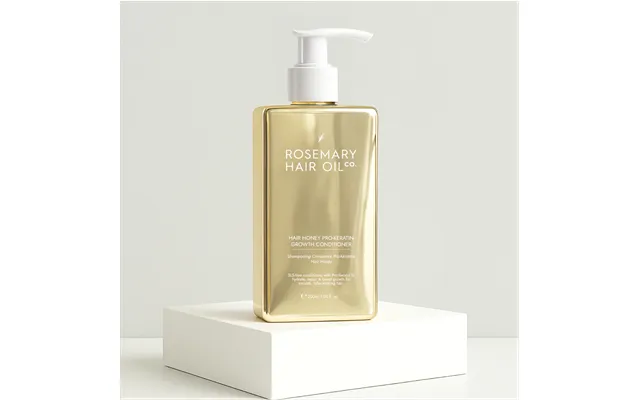
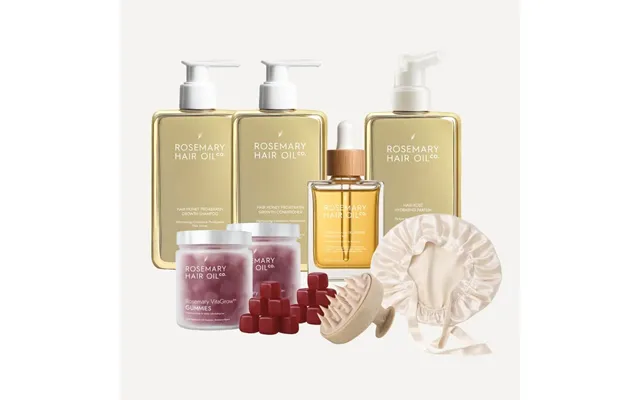
The store often offers bundles — oil plus shampoo or conditioner — to encourage complete routines. It also runs seasonal promotions and loyalty discounts for repeat customers. These strategies help customers try the full system without breaking the bank and boost lifetime value for the brand.
While focused on the UK, the brand has followers abroad. International shipping and selected distribution partners bring rosemary oil to Europe and beyond. Expansion is careful and measured to avoid losing product integrity or customer service quality.
Like any niche brand, Rosemary Hair Oil faces challenges: educating consumers about realistic results, competing on price with mass-market oils, and maintaining supply chains for quality ingredients. But these challenges also create opportunities. The growing trend toward clean beauty and sustainable products is a strong tailwind. Consumers increasingly search for natural hair care solutions, and Rosemary Hair Oil is positioned to capture those searches with clear messaging and solid content.
There’s room for product innovation — scalp masks, targeted serums, or hair supplements that complement the oil. Collaborations with stylists and dermatologists can also add credibility and reach. Mobile pop-up events and personalized consultations could strengthen the brand’s local presence and deepen customer trust.
Authenticity is the brand’s currency. To stay authentic, the store must continue transparent labeling, honest marketing, and community engagement. That means avoiding exaggerated claims and focusing on useful education — how to use the oil, what to expect, and how it complements other hair care steps.
Want to get the most from your bottle? Start with a small amount. Warm it slightly between your palms. Massage gently into the scalp for five to ten minutes — that boosts circulation and helps oil penetrate. For deep conditioning, leave it on overnight with a silk scarf and wash out in the morning. Use it on the ends for everyday shine, but avoid the roots if your hair tends to get oily.
Rosemary Hair Oil pairs well with gentle, sulfate-free shampoos and lightweight conditioners. If you use styling products, apply the oil after styling to reduce frizz and add shine. For intensive care, follow a weekly routine: oil treatment, gentle cleanse, and a nourishing conditioner or mask.
Patience is key. Botanical oils can improve hair texture and scalp condition within weeks, but dramatic regrowth may take months and is influenced by diet, genes, and health. Use consistently, and consider lifestyle factors like nutrition and stress management to support hair health.
Rosemary Hair Oil is more than a product. It’s a story of small beginnings, thoughtful growth, and steady commitment to natural hair care. In a crowded market, it stands out by staying true to its roots — both botanical and ethical — and by offering practical benefits that people can see and feel. If you want an honest, plant-forward option for scalp health and shine, Rosemary Hair Oil is a credible choice worth trying.