





Ultrahuman Healthcare price list
Last updated Thursday, 12 Nov 2026






| Store | Status | today | distance |
|---|
Loading...
Loading...
Last updated Thursday, 12 Nov 2026
Ultrahuman Healthcare started as a small, ambitious idea: blend human performance science with everyday health needs. The founders wanted a store where cutting-edge wearables, clear health advice, and a carefully selected range of supplements could coexist. They aimed to make health tech accessible, not intimidating. In the UK market, this mix felt fresh—people were ready to move beyond generic health stores toward something that felt smarter and more personalised.
Ultrahuman Healthcare didn't explode overnight. Growth was steady, driven by passionate customers and word of mouth. They focused on flagship locations in major UK cities and built an online presence that matched the in-store experience. Early adopters—biohackers, athletes, and tech-savvy shoppers—became vocal advocates. The store slowly moved from niche curiosity to a name people recognized when they thought about wearable health tech and performance-focused supplements.
The brand positions itself as a bridge between science and everyday life. Ultrahuman Healthcare pushes a mission of empowering people to understand their bodies better, using tools and products that are backed by data. They focus on transparency: clear product information, research references, and often expert commentary. The tone is modern and pragmatic. This mission helps them stand out in a crowded wellness market where claims are sometimes vague.
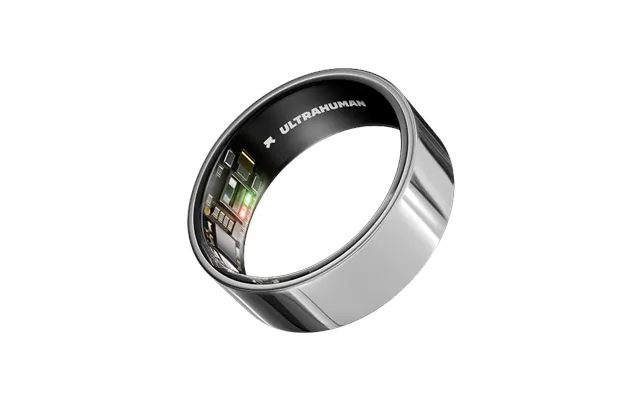
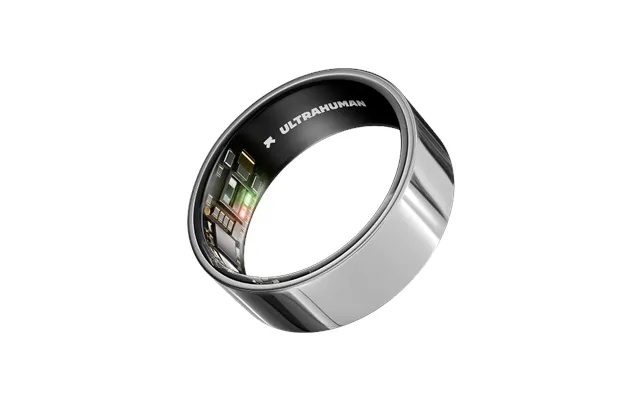
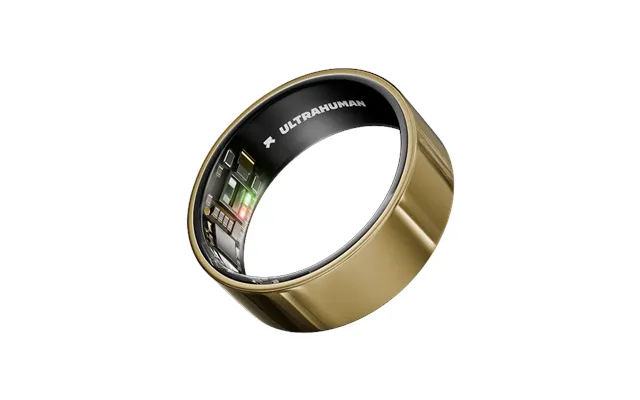
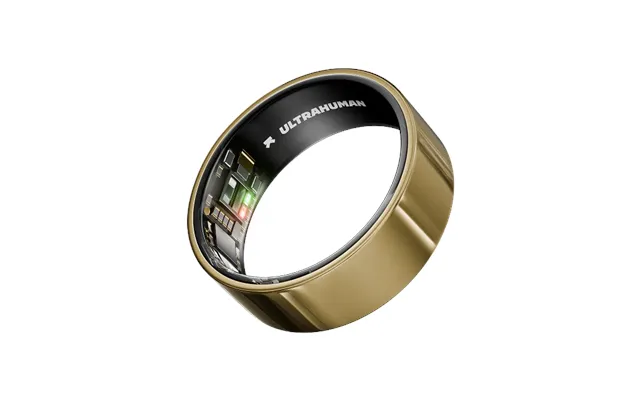
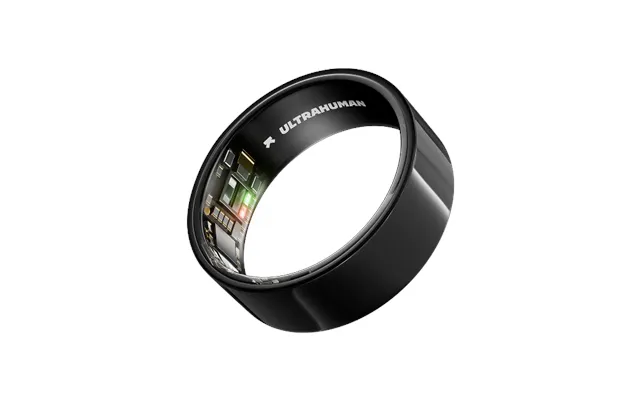
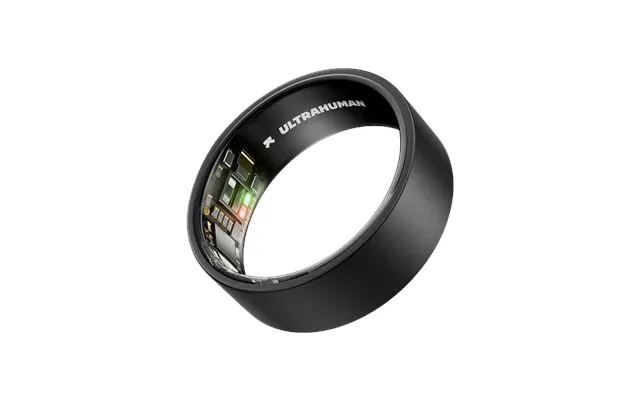
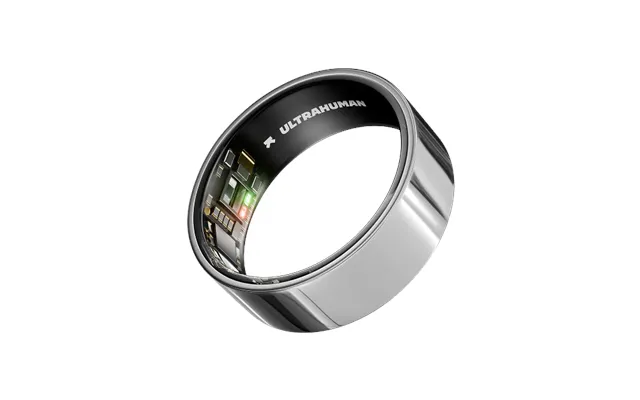
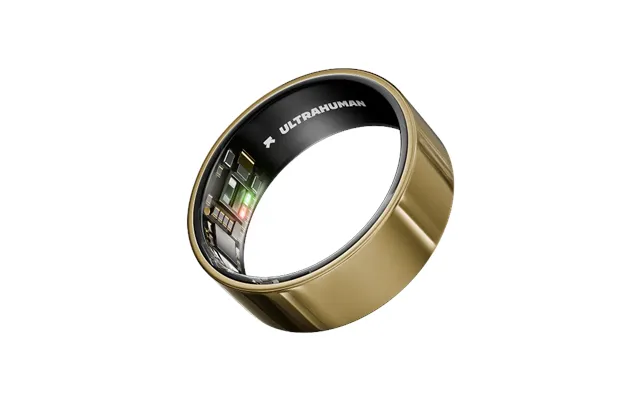
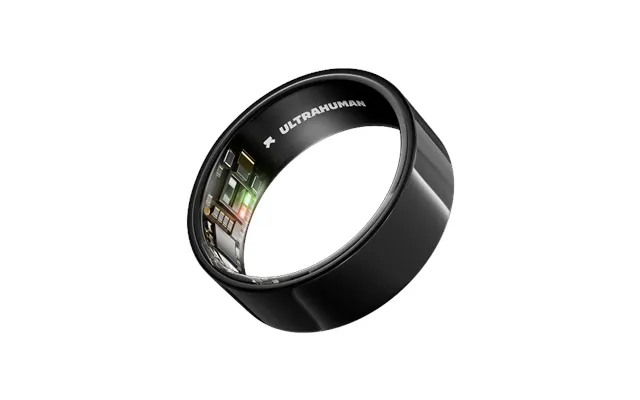
At its core, Ultrahuman Healthcare sells three main things: wearable devices (like glucose monitors and fitness trackers), targeted supplements (for sleep, recovery, energy), and educational services (workshops, testing kits, and consultations). The store curates brands and products that align with their evidence-first approach. You won’t find rows of trendy fads; instead, there’s focused variety that appeals to people who want performance and measurable results.
Walking into an Ultrahuman Healthcare store is meant to feel like stepping into a lab that’s been reimagined for everyday use. Staff are trained to explain data, show how wearables work, and help customers pick supplements wisely. The aim is consultative rather than sales-driven. That builds trust. Customers often stay for demos, quick scans, or short consultations—services that turn a simple visit into an educational experience.
Online, Ultrahuman Healthcare is clean, user-friendly, and data-focused. Their e-commerce site features detailed product pages, research links, and user reviews. Many products integrate with apps that visualise metrics like sleep, glucose levels, and activity. The digital tools extend the in-store promise: make health measurable and actionable. They invest in content—blogs, guides, and videos—that helps customers make sense of the data their wearables produce.
The UK wellness market is diverse: high-street pharmacies, boutique health stores, specialist supplement shops, and fast-growing online retailers. Ultrahuman Healthcare sits at the intersection of tech and retail. While pharmacies sell basics and supermarkets offer convenience, Ultrahuman targets people who want deeper insight and higher performance. Their angle is scientific and tech-forward, rather than purely organic or lifestyle-driven.
Traditional pharmacies—Boots, Lloyds, and others—deliver broad, accessible health services like prescriptions and over-the-counter remedies. They excel in convenience and ubiquity. Ultrahuman, by contrast, focuses on specialised wearables and performance supplements. Pharmacies rarely offer the same depth of tech integration or consultative services around data. For customers seeking measurable performance gains, Ultrahuman feels more tailored.
Boutique wellness stores in the UK often prioritise natural ingredients, artisanal products, or holistic therapies. They attract shoppers looking for lifestyle alignment and aesthetics. Ultrahuman diverges by curating products that are supported by data and clinical studies. Its shelves are less about trendy packaging and more about measurable benefits. Both types appeal to conscious consumers, but Ultrahuman’s draw is measurable results and tech-enabled personalization.
Online-only retailers such as bulk supplement sellers or specialty e-commerce health platforms compete on price and range. They can be convenient, but they lack face-to-face guidance. Ultrahuman’s hybrid model—physical stores plus robust online tools—gives it an advantage. Customers can test devices in person, then continue tracking data through apps. That continuity builds loyalty and often justifies premium pricing.
Typical Ultrahuman shoppers are curious, motivated, and data-driven. Think athletes chasing marginal gains, professionals monitoring stress and sleep, and biohackers experimenting with diets and glucose monitoring. They value clarity and expert guidance. Many become repeat customers because the brand supports longer-term tracking and iterative improvement—people don’t just buy a product; they buy a way to understand their body better.
Ultrahuman leans into education. They run workshops, produce practical guides, and partner with clinicians and coaches to validate their approach. Social media highlights real user stories and measurable outcomes, not just glossy ads. Events and partnerships—local fitness studios, sports teams, or health conferences—help them reach engaged audiences. This focus on community creates peer-driven credibility that traditional advertising rarely matches.
No brand is without bumps. Ultrahuman faces skepticism from some who worry about over-reliance on metrics or the cost of devices. Critics argue that wearables can create anxiety when data is misinterpreted. The store must also compete with cheaper online options and navigate regulatory scrutiny around health claims. Ultrahuman addresses these challenges by offering education and by being transparent about what their products can—and cannot—do.
Look for deeper integration with healthcare providers, more personalised subscription services, and an expanded range of diagnostic tests. The brand could move further into preventative care—think early detection tools and continuous monitoring. Advances in AI may let them turn raw data into tailored plans more efficiently. If they keep the balance between tech and human guidance, Ultrahuman can scale without losing the consultative feel that defines it.
The Ultrahuman Healthcare story in the UK is still unfolding. It blends retail, tech, and health in a way that matches current consumer appetite for measurable results. While the market is competitive, Ultrahuman’s hybrid model—combining tight curation, in-person guidance, and strong digital tools—gives it a distinctive position. As people demand more personalised and actionable health insights, this store is well placed to grow, but it must stay humble, educational, and transparent to maintain trust.