




W-Wellness price list
Last updated Thursday, Sep 3, 2026






| Store | Status | today | distance |
|---|
Loading...
Loading...
Last updated Thursday, Sep 3, 2026
W-Wellness began as a small idea with a big heart. Founded in the mid-2010s by a group of health-minded entrepreneurs in the UK, the store started as a single shop aimed at bringing honest wellness products to local communities. They wanted to do more than just sell items; they wanted to educate, inspire, and simplify wellbeing. The founders listened to customers, learned from practitioners, and built a brand that felt personal —like a trusted friend walking you through the health aisle.
The vision was simple: make quality wellness products accessible and understandable. W-Wellness focused on clear labeling, transparent sourcing, and staff who actually knew the products. Their mission was to demystify supplements, natural remedies, and homecare products for everyday people. Instead of flashy marketing, they emphasized real conversations and useful guidance.
W-Wellness grew its reputation one community at a time. In-store events, workshops, and partnerships with local therapists and nutritionists helped build trust. People didn’t just come to buy; they came to learn. That local-first approach gave W-Wellness a loyal base and the credibility to expand beyond a single high street shop.
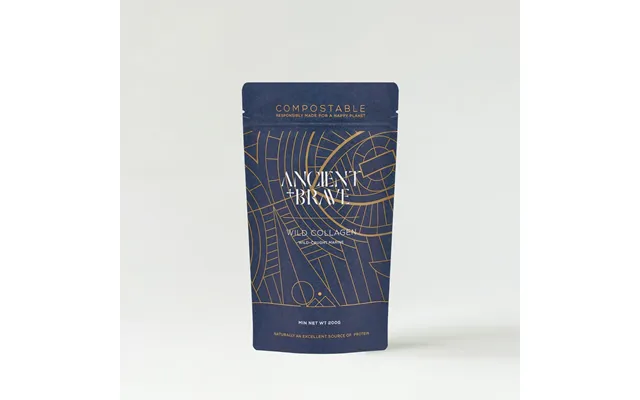
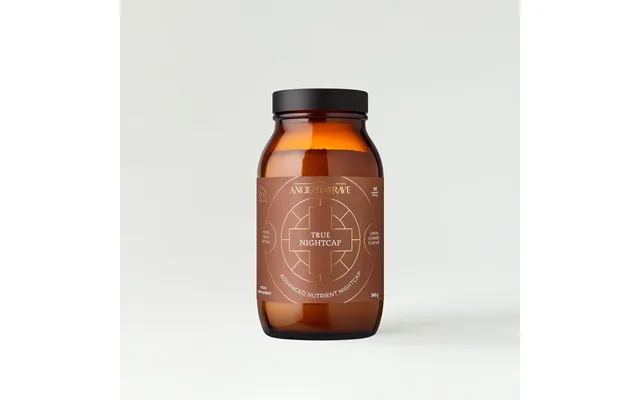
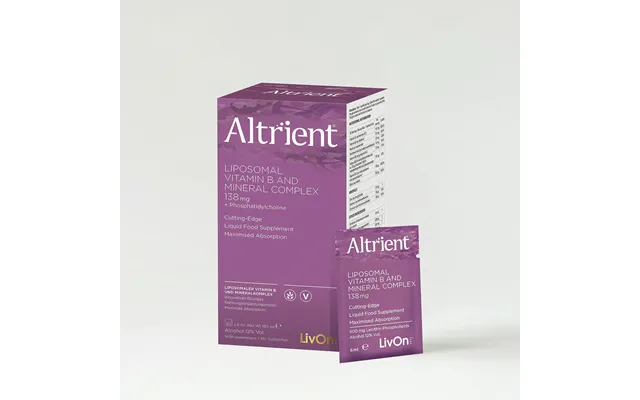
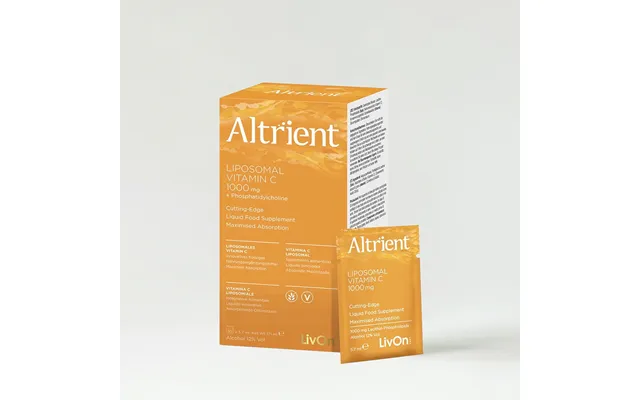
W-Wellness’s product range reads like a curated wellness handbook. It includes vitamins and supplements, organic skincare, essential oils, herbal teas, and wellness accessories like diffusers and yoga props. They intentionally keep the range focused and high quality rather than overwhelming shoppers with endless choices.
One of the brand’s strongest selling points is transparency. W-Wellness lists ingredient origins and testing standards for many of its products. Where possible, they prioritize organic, ethically sourced, and sustainably packaged goods. Customers trust the brand because it shows what’s inside the bottle and explains why it matters.
The store also developed its own label for a few star products — a simple multivitamin, a calming herbal blend, and a signature skincare oil. These own-label items let W-Wellness control quality and pricing, giving customers effective alternatives to expensive big-brand products.
Walking into a W-Wellness store feels intentional. The layout is uncluttered. Shelves are tidy and labelled with friendly guidance. Staff are encouraged to ask questions and listen, not to push the most expensive product. It’s the opposite of aggressive retail; it’s invitational.
Staff training focuses on product knowledge and empathetic communication. W-Wellness trains team members to explain benefits plainly and to recommend products based on needs, not profit margins. If they don’t know the answer, they’ll find it. That culture reduces buyer anxiety and builds repeat business.
W-Wellness invested in a clean, easy-to-navigate website. Online shoppers can access detailed product pages, blog content, and recorded workshops. The omnichannel model — combining online resources with in-store expertise — helps customers feel supported whether they shop in person or from home.
W-Wellness frames itself as a responsible retailer. They emphasize sustainability, fair supplier relationships, and community well-being. That’s not just marketing phrasing — they run recycling drives, partner with local charities, and favor suppliers who publish ethical audits.
The store uses recyclable packaging where possible and encourages customers to return empty containers. They source reusable or compostable packing for online orders and have taken steps to reduce carbon-intensive shipping by using regional distribution centres. These eco-conscious moves resonate with a British audience that increasingly expects green behaviour from retailers.
Regular events are part of the brand DNA. From mindfulness sessions to nutrition talks, W-Wellness invests in education. These events attract people who might never have shopped for supplements before but are curious about improving sleep or reducing stress. Education drives loyalty, plain and simple.
After proving the model locally, W-Wellness expanded into several UK cities. They carefully chose locations with active communities and a high demand for health-conscious retail. Expansion was steady, not explosive — a strategic decision to keep service quality consistent.
Many businesses lose their character as they scale. W-Wellness resisted that trap by standardizing core practices — like staff training and product vetting — while allowing each store to reflect its local community. This balance helped the brand grow without sounding corporate or losing customer trust.
Growth brought typical retail headaches: supply chain hiccups, rising rent in city centres, and competition from online giants. W-Wellness handled these by deepening supplier relationships, expanding their online content to drive direct sales, and doubling down on in-store experiences that algorithms can’t replicate.
How does W-Wellness measure up? Let’s look at how it compares to similar players like Holland & Barrett, Planet Organic, and independent health food shops. Each competitor has strengths, and W-Wellness fits into a clear niche between big national chains and tiny independents.
Holland & Barrett is a massive national chain, with wide product selection and strong brand recognition. It’s convenient and often cheaper due to scale. But that size comes at a cost: stores can feel impersonal and rely heavily on promotions. W-Wellness counters this by offering more curated, higher-touch service and clearer sourcing information. Customers who value personalised advice and provenance often prefer W-Wellness, even if prices are slightly higher.
Planet Organic focuses on natural foods and organic products, often with a cafe element. It’s a lifestyle destination. W-Wellness competes by being more specialist in supplements and therapeutic products while still offering organic skincare and snacks. Planet Organic’s strength is broad lifestyle appeal; W-Wellness wins when customers want focused wellness guidance and targeted supplements.
Independent shops are heartfelt and unique, but they sometimes lack consistent quality control or modern online services. W-Wellness combines the heart of an indie with the reliability of a structured brand. It offers local friendliness plus high standards in sourcing, pricing, and online ordering. For many shoppers, that mix strikes the right balance.
Is W-Wellness expensive? It depends on what you value. They don’t aim to be the cheapest, but they do aim to offer fair prices for quality. The store bundles value through starter kits, loyalty programmes, and expert-led events that add education to product purchases.
Value isn’t just the sticker price. When a staff member helps you pick the right probiotic or explains interactions with medications, that guidance saves money and time. W-Wellness builds value by reducing trial-and-error purchases. That practical help matters and makes the modest premium feel worthwhile.
Promotions are smart and not overwhelming. Rather than endless discounting, W-Wellness runs targeted sales, seasonal bundles, and loyalty points. The loyalty scheme rewards repeat shoppers and encourages healthier long-term habits — a win for both customers and the brand.
Customer feedback for W-Wellness tends to be positive. Many reviews note helpful staff, clear product information, and a calm shopping environment. Negative comments usually focus on price or limited stock of niche items. Overall, the brand enjoys stronger goodwill than many mass-market competitors.
W-Wellness takes feedback seriously. They address complaints publicly, update product information when mistakes happen, and sometimes withdraw items that don’t meet standards. That responsiveness builds trust. People forgive occasional missteps from a brand that listens and acts.
Because W-Wellness emphasizes local events and education, it benefits from word-of-mouth marketing. Customers who attend a workshop often bring a friend. Referral customers tend to convert at higher rates because they arrive with trust already established.
The wellness market is evolving quickly. W-Wellness is well placed to grow by leaning into expert content, personalized offerings, and hybrid experiences that blend online convenience with in-person care. Potential future moves include subscription services for supplements, virtual consultations, and expanded own-label ranges.
Personalized recommendations powered by store data and customer health profiles could make shopping smarter. Imagine a simple quiz that suggests a tailored starter pack and follow-up emails with tips — that’s an easy win. W-Wellness could adopt such tools while maintaining human checks to keep recommendations safe and sensible.
If W-Wellness expands further, holding onto quality will be crucial. That means careful store selection, consistent staff training, and supply chain oversight. Growth without compromise will be the toughest but most important test.
W-Wellness has carved a comfortable middle ground in the UK wellness market. It’s not the cheapest, nor the flashiest. It is steady, personable, and trustworthy. For shoppers who want honest advice, proven products, and a community feel, W-Wellness often feels like the right choice. The brand’s future will depend on staying true to that identity while adapting to new digital tools and growing customer expectations. If they keep listening to customers and focusing on quality, they’ll continue to be a meaningful voice in UK wellness retail.