

Webbs Motorcycles price list
Last updated Sunday, 27 Sept 2026





| Store | Status | today | distance |
|---|
Loading...
Loading...
Last updated Sunday, 27 Sept 2026
Have you ever wondered how a small motorcycle shop becomes part of a local riding culture? Webbs Motorcycles is one of those names that often pops up in conversations among riders, home mechanics, and community clubs across the UK. It’s not just a place to buy a bike or a helmet; it’s a touchpoint for service, advice, parts, and passion. This article walks through the history of Webbs Motorcycles, explores how it evolved, and compares it to other players in the UK market so you can see where it fits in.
Like many great motorcycle shops, Webbs Motorcycles began humbly. It started as a small workshop where a handful of enthusiasts fixed bikes, sold spare parts, and swapped stories. The early days were shaped by hands-on work, a close-knit customer base, and a reputation built on trust rather than flashy marketing. Customers came for practical help—and they stayed for the honest advice and personal service.
Family-run independence is a common thread in the story of Webbs. That kind of structure breeds continuity: the same people who service your bike are the ones who answer the phone. Those personal ties are a big part of the appeal. Webbs’ staff didn’t just fix engines; they learned riders’ preferences, watched kids grow into riders, and became a reliable resource within the neighbourhood.
As motorcycles changed and the market expanded, Webbs evolved too. They moved from purely mechanical work into sales, accessories, and more technical services. Demand for aftermarket parts and modern electronic diagnostics pushed the shop to expand its skills and inventory. That growth was often cautious and incremental—new bays, added technicians, relationships with suppliers—rather than sudden leaps.
The transition from classic carburetted machines to fuel-injected, computer-controlled bikes forced many independent shops to learn new techniques. Webbs invested in training and diagnostic tools. That allowed them to keep servicing both older beloved models and the latest motorcycles. The result: a reputation for versatility that appealed to both traditionalists and newer riders.
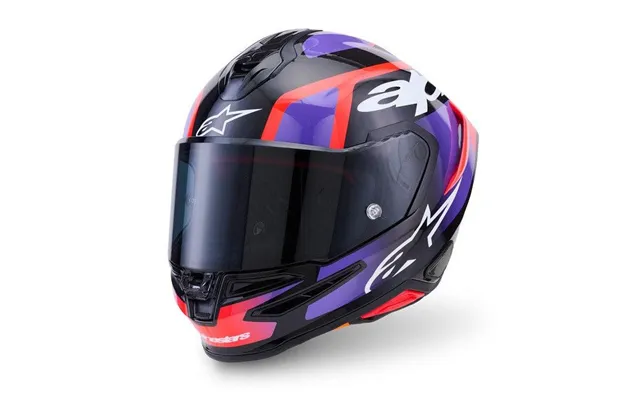
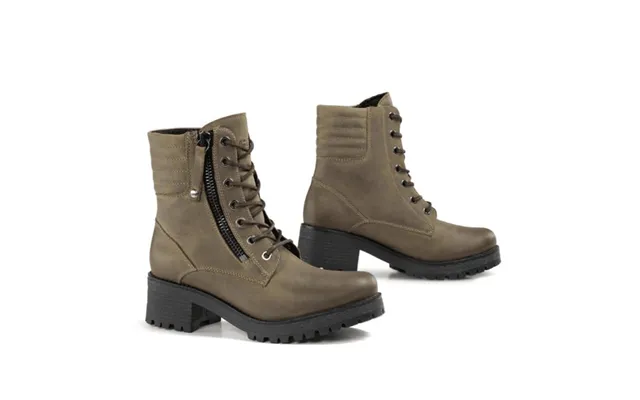
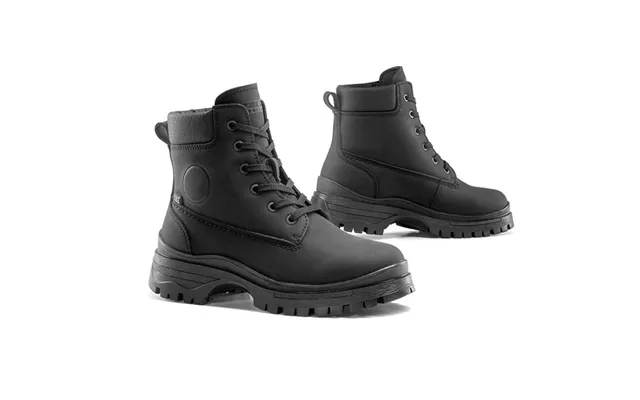
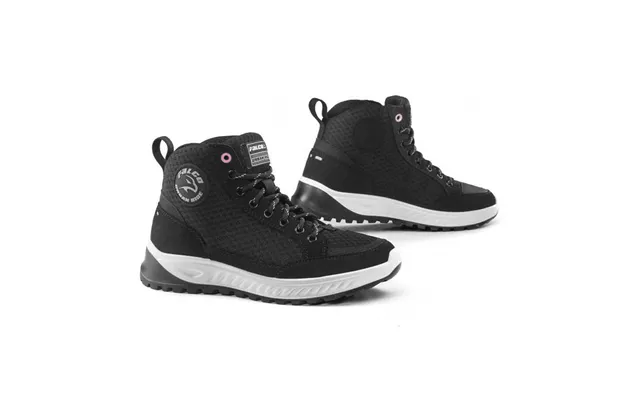
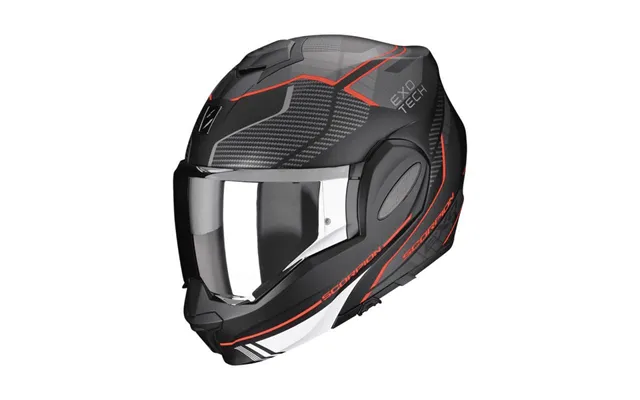
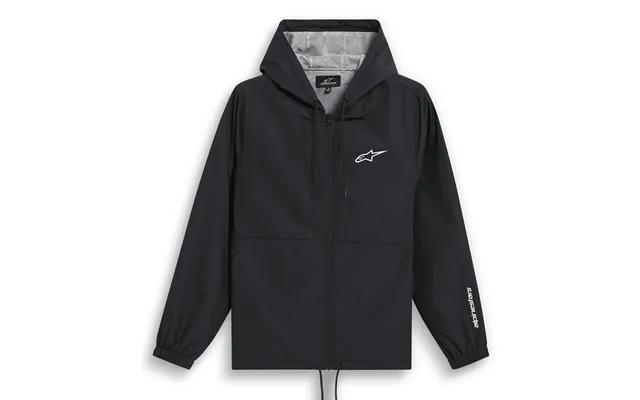
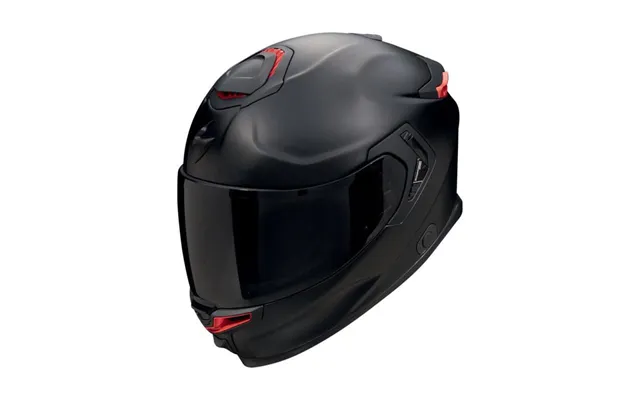
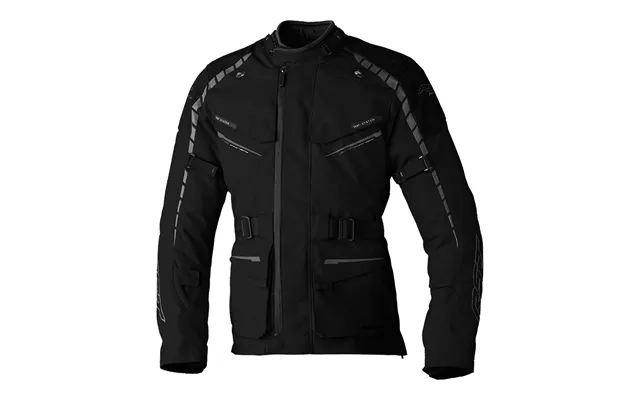
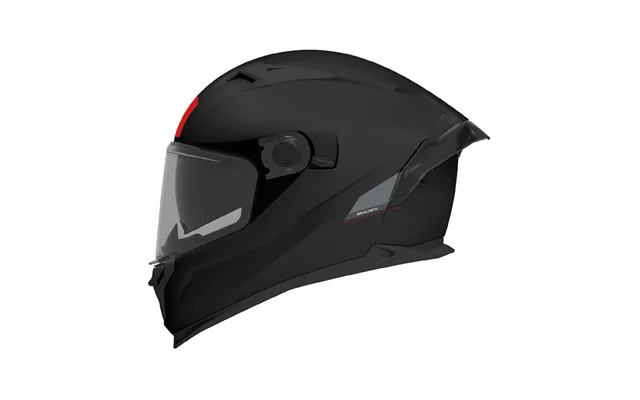
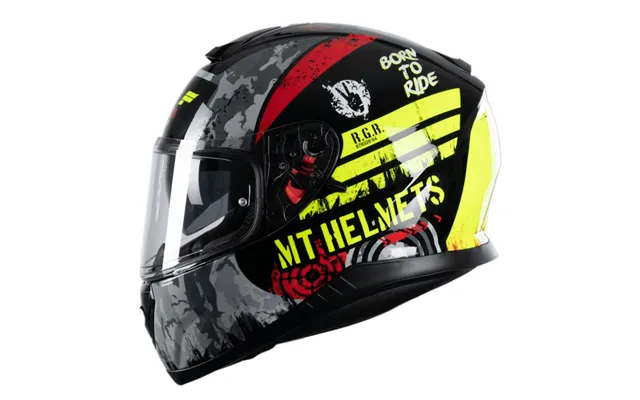
Over time Webbs expanded beyond repairs. They stocked helmets, riding kit, replacement parts, and niche components that aren’t always easy to find online. That inventory mix—spare parts for emergencies, trusted brands for safety gear, and occasional classics for restoration—made the shop a one-stop spot for many riders.
Having parts on the shelf is useful, but knowing which part fits which model is what really counts. Webbs developed a deep parts knowledge that added value to customers. Instead of sifting through cryptic online listings, riders could ask someone in the shop and get a clear, tested recommendation. That kind of service matters on a rainy evening when you really need to get back on the road.
When online retail became dominant, Webbs didn’t ignore the web. They gradually embraced online listings and started showing parts and services on a website or social channels. But they kept the shop’s personal touch. Their online presence became an extension of the counter chat—useful, friendly, and human. This hybrid approach kept long-term customers happy and helped attract new riders searching for local expertise.
Rather than flashy ads, Webbs relied on word of mouth, community events, and online reviews. Riders shared stories of being helped after a breakdown, of honest assessments from mechanics, and of a store that goes the extra mile. That grassroots marketing is often the most durable: it builds trust in a way no advertisement can match.
Service is the heartbeat of Webbs Motorcycles. Quick turnarounds, clear pricing, and an honest diagnosis create repeat customers. For many riders, finding a shop that respects their bike and explains problems in plain language is priceless. Webbs earned repeat business by being straightforward and dependable.
Post-service follow-up—like checking if a repair held up or giving a tip about a replacement part—created loyalty. That small attention to detail reinforced Webbs’ local reputation. As motorcycle communities tightened around riders’ groups and online forums, those positive stories about Webbs spread, drawing in riders from further afield.
Webbs didn’t sit behind the counter. They often hosted meetups, supported local rides, and engaged with clubs. That involvement made the shop feel like a community hub. Riders meet there before a long run, share tips, or gather to check out new gear. Such events help a store become more than a business—they make it part of the riding lifestyle.
Many independent shops support charity rides or partner with training schools. Webbs likely contributed in similar ways—offering mechanical checks before charity runs, sponsoring local initiatives, or helping new riders with starter advice. That kind of hands-on support builds goodwill and a shared sense of purpose.
The UK motorcycle market is diverse. There are large national chains, niche independent shops, and online-only retailers. Where does Webbs sit in that spectrum? Primarily, it’s an independent player with strong local roots and a balanced online presence. Let’s break that comparison down into practical categories.
Independent shops like Webbs focus on personal service and local relationships. National chains often offer wide stock, loyalty schemes, and aggressive pricing thanks to scale. Chains can be convenient and consistent, but they can lack the personal diagnosis and tailor-made advice a local shop gives. If you want a quick, predictable transaction, a chain may fit. If you want a mechanic who knows your bike by name, an independent like Webbs is the better choice.
Online retailers offer huge inventories and low prices. But picking the right part from thousands of listings can be frustrating. For emergency needs or tricky fitments, Webbs offers hands-on support. They can also fit parts, test them, and ensure compatibility. In short: online wins on price and variety, local shops win on expertise and immediacy.
Some UK shops focus narrowly—classic restorations, performance tuning, or certain brands. Webbs tends to be broader: servicing a range of bikes, selling gear, and supplying parts. Specialists may be unmatched in-depth for one niche, but Webbs offers a dependable all-round service for everyday riders who need versatility.
Customers often pick a motorcycle shop on two things: trust and convenience. Webbs builds both by offering clear pricing, transparent repairs, and a friendly team. That personal touch makes customers feel safe leaving their bike in the shop. Many riders speak of that one mechanic who always explains things in a way they can understand—that’s Webbs’ advantage over faceless services.
No shop is perfect. What matters is how problems are handled. Webbs’ long-term survival suggests they manage issues well—offering fair negotiations, timely fixes, and clear communication. That kind of reputation reduces friction and keeps riders returning even if there’s an occasional hiccup.
Modern motorcycles are more computer than carburettor. Webbs adapted by training staff and investing in diagnostic tools. That shift allowed them to keep pace with new models and to service a wider client base. Shops that failed to adapt often faded away; those that embraced diagnostics stayed relevant.
To maintain expertise, independent shops often partner with manufacturers or parts suppliers for training. Webbs likely invested in such partnerships to stay current. Ongoing training helps them serve both older bikes and newer models that require software updates or electronic calibration.
Price is always a factor. Independent shops sometimes charge more than big online retailers but less than premium brand dealerships. The added value comes in the form of advice, fitted service, and community support. Webbs’ pricing reflects a balance: fair, transparent rates for a skilled craft plus the reassurance of trustworthy service.
Choosing the cheapest option isn’t always the best. A low-cost online part might arrive damaged or be a poor fit. A skilled mechanic who diagnoses the problem correctly can save money in the long run. Webbs’ model emphasizes this long-term value: pay for expertise now to avoid repeat trips later.
The future for shops like Webbs blends tradition with innovation. Expect deeper online integration—streamlined booking systems, clearer parts listings, and better communication—while keeping the in-person expertise that riders value. Electric motorcycles and advanced rider-assist systems will require continued investment in training and tools.
Independent retailers face two big challenges: competing with big online players on price and keeping pace with fast-moving tech. Their opportunities lie in offering personalized service, building local loyalty, and specializing where chains cannot. Webbs, with its community roots, is well-positioned to leverage those opportunities.
In short, Webbs Motorcycles represents the best of what independent motorcycle shops can be: practical, trusted, and deeply connected to the riding community. It may not be the cheapest option out there, nor the largest, but it offers a combination of hands-on expertise and local loyalty that many riders value above all else.
Whether you’re a seasoned rider looking for a dependable mechanic, a beginner hunting for honest advice, or someone needing a part quickly, Webbs sits comfortably among UK retailers as a reliable, human-centered choice. It’s the sort of place that makes the motorcycle world less about transactions and more about people and rides shared under open skies.