

xbloom price list
Last updated Sunday, 27 Sept 2026
| xbloom | Price |
|---|---|
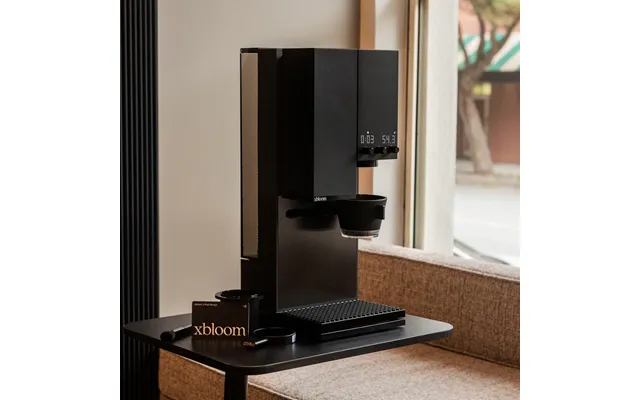
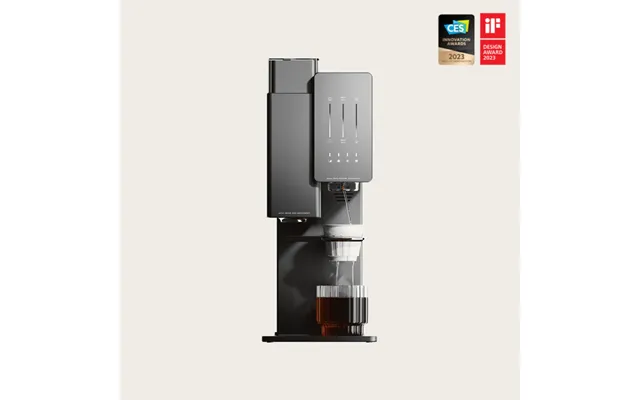
| Xbloom Studio Coffee Machine - Midnight Black | £499.00 |
| Xbloom Original Coffee Machine - Galaxy Black | £699.00 |





| Store | Status | today | distance |
|---|
Loading...
Loading...
Last updated Sunday, 27 Sept 2026
| xbloom | Price |
|---|---|
| Xbloom Studio Coffee Machine - Midnight Black | £499.00 |
| Xbloom Original Coffee Machine - Galaxy Black | £699.00 |
Every brand has a beginning, and xbloom reads like a modern small-business story. Founded in the early 2010s by a team of florists and tech-minded friends, xbloom began as a local pop-up stall that sold hand-tied bouquets and houseplants at weekend markets. The founders wanted fresh flowers without the fuss: beautiful arrangements, clear pricing, and fast delivery. That simple idea—good design, fair price, and speed—became the foundation of the xbloom identity.
The leap from markets to a full online store came fast. xbloom used early customer feedback to refine its product range and built a clean, mobile-friendly website. They leaned hard into photography, showing bouquets in real-life settings rather than on white backdrops. That choice helped customers imagine flowers in their homes. By coupling an easy-to-use site with reliable delivery, xbloom captured a local audience and steadily expanded its reach across the UK.
What does xbloom stand for? Simplicity, sustainability, and style. The brand emphasizes seasonal flowers, eco-friendly packaging, and partnerships with local growers when possible. xbloom's collection typically blends classic stems—roses, lilies, carnations—with seasonal accents like foraged greens, dried blooms, and unique fillers. The result: arrangements that feel contemporary but approachable.
Many shoppers today care about where their flowers come from. xbloom responded by reducing plastic use and opting for recyclable wraps. They also started offering potted plants as alternatives to cut flowers—plants that live longer and reduce waste. These moves weren’t just marketing; they were practical steps that matched an audience increasingly attentive to environmental impact.
xbloom operates with a hybrid model: a strong online shop supported by a few curated physical locations. The stores are small but thoughtfully designed—think warm wood, neutral tones, and visible floral prep areas. This transparency gives customers a peek into how arrangements are made. If you enjoy watching artisans at work, xbloom’s shops feel friendly and honest.
Beyond single bouquet purchases, xbloom offers subscriptions, event florals, and corporate programs. Subscriptions target regular buyers—people who want fresh flowers in their home every week or month—while event services handle weddings and corporate events. These services soften the seasonality of flower retail and create stable revenue streams for the business.
xbloom succeeded partly because it knew how to tell a story online. Their content mixes how-to guides (flower care, arranging tips) with lifestyle shoots and behind-the-scenes videos. These pieces build trust and keep customers returning to the blog and social channels. Email marketing focuses on offers and new seasonal collections, while search engine optimization helps people find xbloom when they search for terms like “fresh flowers UK” or “flower delivery near me.”
Like any retail brand, xbloom lives and dies by its reviews. Early customers praised the design and delivery times. When hiccups happened—late deliveries or wilted stems—xbloom responded promptly, offering refunds or replacements. That responsiveness helped build a reputation for reliable customer service, which in floral retail is often as valuable as the flowers themselves.
Growth brings new questions. How fast should xbloom expand its physical footprint? Should it move into more international shipping? The brand’s cautious approach—scaling online first, testing stores in target neighborhoods—kept risk moderate. Still, the industry has challenges: supply chain disruptions, seasonal price swings, and competition from larger players.
Flowers are perishable and often imported. xbloom mitigates this with a mix of local sourcing and trusted import partners. They also adjust offerings based on season: expect tulips in spring, peonies in early summer, and hardy fillers in winter. By communicating these limits clearly to customers, xbloom turns constraint into a selling point—seasonal blooms feel fresh and curated rather than scarce.
Bloom & Wild is one of the UK’s biggest online florists and is known for letterbox flowers—arrangements delivered flat-packed to fit through a letterbox. Compared to Bloom & Wild, xbloom is more focused on in-person retail atmosphere and local sourcing. Bloom & Wild excels in scale, clever packaging, and logistics. xbloom leans on boutique styling and local relationships. Which is better? It depends on what you value: convenience and scale (Bloom & Wild) or local charm and in-store experience (xbloom).
Bloom & Wild often positions itself with competitive pricing across a broad market. xbloom sits slightly higher in price, reflecting artisanal touches and sustainable packaging. If you want a low-cost arrangement for quick gifting, Bloom & Wild might win. If you want a hand-tied, locally-inspired bouquet with a story, xbloom feels worth the premium.
Interflora is a long-established network that offers nationwide delivery through local partners. Interflora’s strength is reach—if you need flowers delivered almost anywhere in the UK, they can often help. Local independent florists provide deep customization and personal service but might lack online convenience. xbloom sits between these two: more modern and digitally fluent than traditional shops, but with a personal touch that giant networks struggle to copy.
For weddings and events, local florists remain a go-to for detailed, relationship-driven work. xbloom competes here by offering design consultations and packages, while still relying on its online booking and portfolio. If you need heavy customization and a florist who will meet you repeatedly, a dedicated local shop might be better. If you want a streamlined booking process with creative design options, xbloom is a strong choice.
Supermarkets like Tesco, Sainsbury’s, and Waitrose sell flowers at lower price points and are convenient for everyday purchases. The trade-off is often quality and uniqueness. xbloom’s bouquets tend to be more distinctive and longer-lasting. Compared with supermarket Bunches, xbloom offers better design and eco-friendly packaging. But supermarkets win on price and immediate availability—grab-and-go convenience you can’t beat when you’re in a hurry.
If you’re buying everyday stems to brighten your kitchen, a supermarket bunch may be adequate. For gifts, special occasions, or to create an interior statement, xbloom brings creativity and presentation that often justifies the extra cost.
Good floristry depends on good logistics. xbloom invested early in inventory systems that track availability by the stem, not just by bouquet. That reduces waste and cuts costs. Their delivery network combines in-house couriers in major cities with third-party partners for wider coverage. This hybrid approach maintains control where it matters and scales where needed.
On the customer side, xbloom uses simple tools: an order tracker, SMS notifications, and flexible delivery slots. The subscription model includes an online dashboard where users can pause, skip, or change deliveries. These small conveniences add up—customers like feeling in control, and xbloom delivers that feeling without complexity.
xbloom keeps a pulse on design trends—dried flowers, muted palettes, and architectural stems have crept into their collections. They also test new categories: botanical homeware, flower-care kits, and seasonal DIY arrangements. Innovations aren’t always revolutionary, but they keep the brand fresh and give customers reasons to return beyond the standard bouquet purchase.
Collaborations have been a smart move. xbloom partners with local cafes, wedding planners, and lifestyle brands for pop-ups and cross-promotions. These events build local awareness and create social media moments. A weekend pop-up in a busy neighborhood can do more for brand visibility than months of broad digital ads.
xbloom focuses on building local communities. They host small workshops, teach flower-arranging classes, and share seasonal tips. These activities turn shoppers into advocates. Loyalty programs—points for purchases, birthday discounts, referral bonuses—help retain customers. In floral retail, repeat business matters: people who buy regularly provide steady income between big event bookings.
Authentic storytelling matters in a crowded market. xbloom highlights growers, shares sourcing stories, and shows human faces behind the bouquets. That transparency builds trust. People buy from brands they like and trust—not just because of price, but because the brand fits their values.
Looking forward, xbloom has room to grow. The brand can expand its physical presence in carefully chosen markets, deepen its sustainability commitments, and refine its delivery logistics to improve margins. Competition will remain fierce. But with a strong local identity, clear values, and practical tech, xbloom is well placed to thrive in the UK’s floral market.
Ultimately, xbloom’s journey is about balancing craft with scale. It’s about keeping the florist’s heart while using tech and smart logistics to serve a modern audience. If you love mindful shopping, seasonal design, and flowers that tell a story, xbloom is one of the UK options worth exploring.