



Yale price list
Last updated Sunday, 27 Sept 2026





| Store | Status | today | distance |
|---|
Loading...
Loading...
Last updated Sunday, 27 Sept 2026
Yale is more than a name on a key. In the UK, Yale stands for home security, easy installation, and products you can trust. Whether you’re fitting a new front door lock or shopping online for a smart lock, the Yale brand pops up everywhere. But how did Yale become so familiar across Britain? And how does it stack up against other security and DIY retailers? This article walks you through the history of Yale in the UK, the brand’s evolution, and how it compares to similar stores and suppliers on the British market.
The roots of Yale reach back to the 19th century when lock innovation was a global need. Linus Yale Jr., an American inventor, developed the pin tumbler cylinder lock that would form the basis of modern locking systems. Over time, Yale’s designs spread worldwide and were adopted in many markets, including the UK. The name Yale came to represent a specific style of cylinder lock, but it also became a trusted brand known for reliability and practicality.
What began as a clever mechanical idea became an industry standard. The pin-tumbler concept offered better security and easier keying than earlier locks. In the UK, locksmiths and manufacturers started to adopt and adapt Yale-style cylinders. The result: a recognizable product line that fit into British doors and standards. The brand’s early technical strengths gave it credibility with tradespeople, builders, and homeowners.
Yale’s presence in the UK grew steadily. At first, the brand was primarily part of the locksmith and hardware supply chain. Over the decades, Yale expanded its product range and distribution channels. It moved from purely mechanical locks to include digital solutions, such as keypad locks and, later, smart locks that work with phones and home automation systems.
In the UK, Yale products appeared in traditional hardware stores, specialist locksmith outlets, builders’ merchants, and large DIY chains. The brand also built a direct online presence, selling through its own site and through major online retailers. This multi-channel approach helped Yale stay visible to both trade customers and ordinary homeowners, making it an accessible choice for anyone who wanted practical security solutions.
Yale didn’t stay stuck in the past. The company continuously updated its portfolio to match new technology and customer needs. Mechanical locks remained a core product, but Yale pushed into electronic and connected security. Smart locks, keyless entry systems, and alarm integrations became part of the offer. For UK consumers aiming to modernize their homes, Yale provided options that bridged traditional locksmithing and modern smart home convenience.
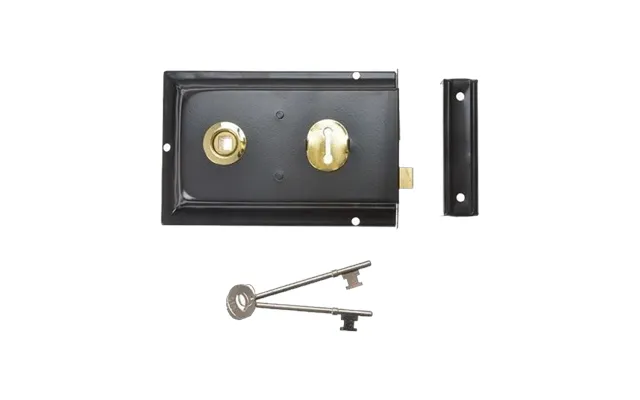
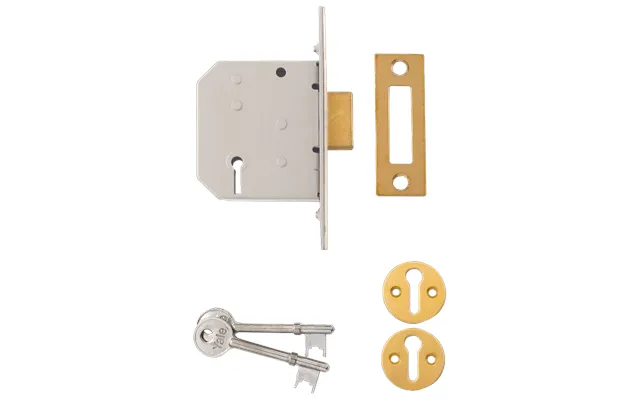
Yale’s UK lineup typically includes euro cylinder locks, mortice locks, night latches, padlocks, digital deadbolts, and smart locks. Many homeowners pick Yale for its recognizable fitting styles and easy-to-follow installation instructions. Tradespeople like the simplicity and the availability of spare parts. For those seeking smart solutions, Yale’s smart locks and alarm systems offer integration with apps and smart assistants—bringing security into the digital age.
If you’ve ever shopped for a lock in the UK, you’ve probably seen Yale on the shelf or online. Customers often report a straightforward shopping experience: clear product names, helpful guides, and an abundance of retailers. Installation guides and support material tend to be consumer-friendly. And when people choose Yale, they’re often looking for a balance of affordability, trustworthiness, and ease of use.
One reason people stick with Yale is the support network. Whether through retailers, locksmiths, or the brand’s own help resources, many users find help when they need it. Replacement keys, servicing advice, and online troubleshooting make managing locks less painful. That sense of reliable aftercare keeps customers coming back.
Locksmiths in the UK offer bespoke service: custom keying, on-site fitting, and bespoke security advice. Yale products are often recommended by locksmiths but are not a substitute for the specialist service a locksmith provides. Locksmiths have the skills to solve complex security issues and can install non-standard solutions that off-the-shelf products cannot match.
Pick Yale when you want a straightforward, cost-effective solution that you can buy and fit quickly. Choose a locksmith when you face non-standard doors, need complex master key systems, or require professional assessment after a break-in. The two aren’t mutually exclusive: many homeowners buy Yale products and still call in a locksmith for expert installation and keying.
Large DIY chains in the UK sell a wide range of security products, and Yale is a common brand in their inventory. How does Yale stand up compared to the private label products or other brands sold by these retailers? For many shoppers, Yale offers brand recognition and perceived reliability that in-house labels can’t match. The trade-off is sometimes price: retailer own-brand items may be cheaper, but they don’t always come with the same history or level of customer trust.
Pros for Yale: consistent quality, clear specifications, broad support, and proven track record. Cons: slightly higher price versus some store brands and less variety in ultra-budget categories. For homeowners who prefer peace of mind over penny-pinching, Yale often wins. For contractors on tight margins, own-brand alternatives from big retailers can sometimes be more cost-effective.
On the security spectrum, brands like Chubb, ERA, and Mul-T-Lock usually target higher-security needs. These companies often supply robust, certified locks to meet specific insurance or regulatory standards. Yale sits comfortably in the mid-market: stronger than budget locks but not always at the ultra-high-security end. If your home requires a police- or insurer-approved system, you should compare the certification levels and security ratings across brands.
Yale excels in accessibility and general home use. It offers a strong mix of mechanical and smart features suitable for most families. The brand may not be the first choice for commercial properties or specialist high-security sites where certified, high-end systems from niche manufacturers are required. In those cases, purchasers seek additional features and certifications that go beyond Yale’s standard offering.
The smart lock market has attracted new players, many focused on sleek design or app-first functionality. Brands such as August, Nuki, and Kwikset provide strong smart lock alternatives. Yale competes by offering integrated systems that often work with home hubs and voice assistants. Its advantage is the combination of a trusted mechanical heritage with modern connectivity.
Smart lock shoppers care about app reliability, battery life, compatibility, and security updates. Yale’s smart devices usually provide decent integration with popular smart home platforms. New entrants may offer unique features or fashionable design, but Yale balances traditional lock compatibility with digital convenience, which appeals to a wider audience.
Yale products typically fall into a mid-range price bracket. They are more expensive than the cheapest generic locks but cheaper than specialist, certified high-security systems. For homeowners looking for reliable value—good quality without premium pricing—Yale is a logical pick. The brand’s availability across multiple channels also keeps competition tight and prices fair.
Shop around. Compare prices at specialist locksmith suppliers, DIY chains, and online marketplaces. Check for bundle deals (lock plus handle or euro cylinder packs) to save money. If you’re unsure about fit, measure your door and check specifications before buying. For smart locks, read reviews about app reliability and long-term updates. Investing a little time saves you frustration later.
Security isn’t just about brand names; it’s about standards. In the UK, certain insurance policies and building regulations may require locks to meet particular standards or certifications. Yale offers products with various security ratings, but it’s your responsibility to check whether a specific Yale product meets insurer or local authority requirements. If you need certified protection, compare product specs carefully and consult with your insurer or a locksmith.
Look for standards like BS3621 for British standard locks or Sold Secure certification, depending on your needs. Yale’s product listings usually show such certifications if they apply. Don’t assume every Yale product meets the highest standards—verify the exact model and its rating before committing.
The security market keeps changing. Smart homes, connected devices, and integrated services are expanding. Yale seems poised to continue blending traditional mechanical reliability with digital features. Expect more connected devices, expanded integrations with home ecosystems, and perhaps subscription-style services like remote monitoring and cloud backups. The brand’s challenge will be to stay nimble in a market full of tech-first newcomers.
Watch for firmware updates, compatibility announcements, and new integrations with smart home platforms. If you’re buying a smart Yale product, make sure it will still receive software support for years. Also, look for improved battery life and stronger encryption as the market matures. These practical factors will determine the real-world longevity of your investment.
Choosing Yale in the UK usually means opting for a proven, mid-market solution that blends reliability with modern features. The brand covers simple mechanical needs and reaches into smart home convenience. It’s not the cheapest option, nor is it always the top-tier high-security pick—but it delivers consistent performance and broad availability. If you want a balance of trust, usability, and price, Yale is a strong candidate.
Still unsure? Think about your priorities: budget, certification needs, and whether you want smart features. Talk to a locksmith if you need a tailored solution. And always check product specs and reviews before buying. A lock is small, but it’s a major part of feeling secure at home.