

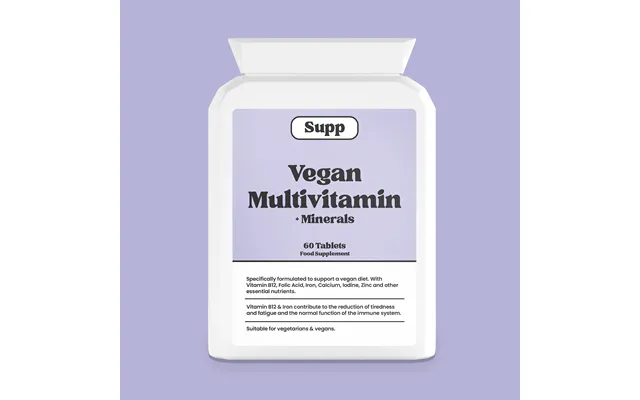
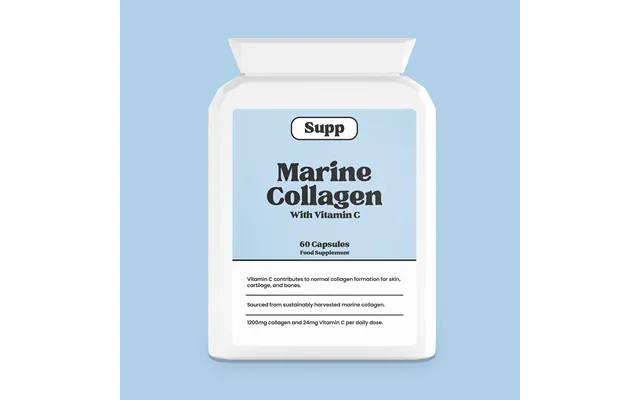
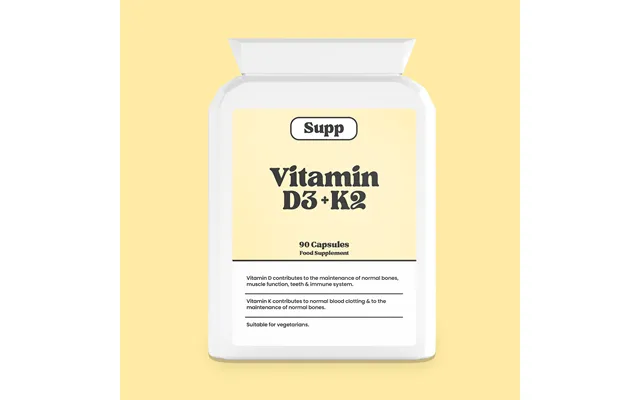
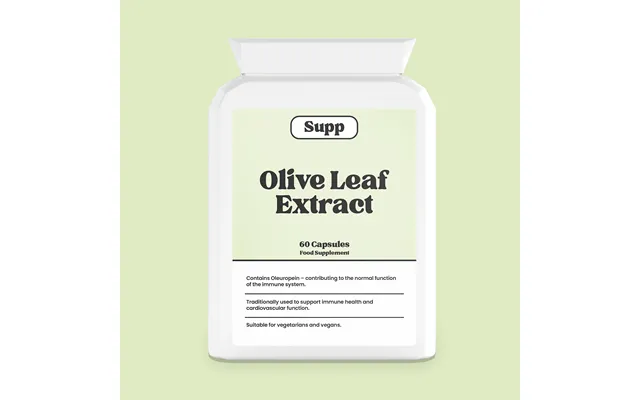
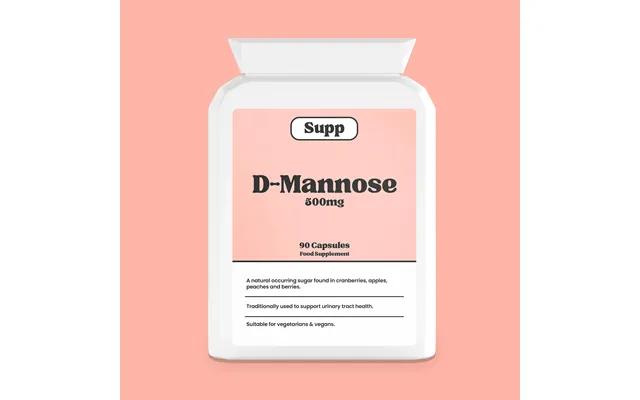
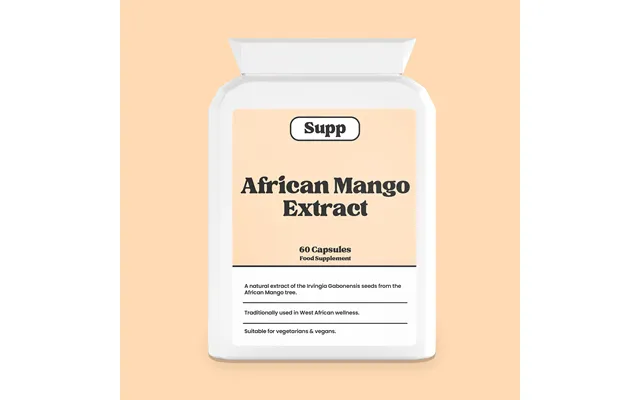
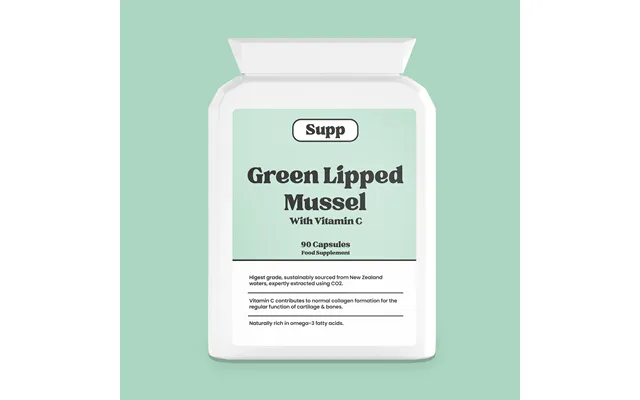
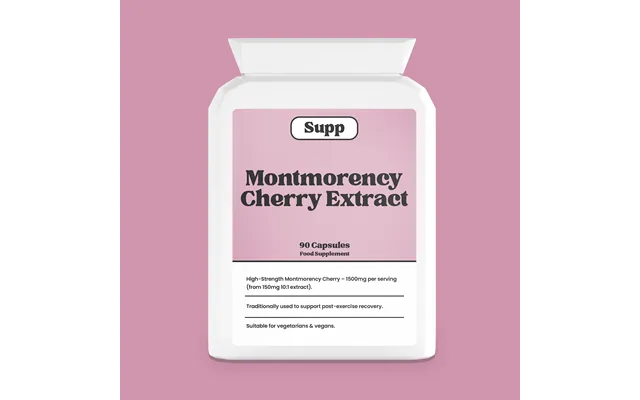
Supp price list
Last updated Thursday, Sep 3, 2026
| Supp | Price |
|---|---|
| Vitamin D3 K2 | £16.00 |
| Green Lipped Mussel | £18.00 |






| Store | Status | today | distance |
|---|
Loading...
Loading...
Last updated Thursday, Sep 3, 2026
| Supp | Price |
|---|---|
| Vitamin D3 K2 | £16.00 |
| Green Lipped Mussel | £18.00 |
Have you seen Supp popping up across high streets and online searches? It’s no accident. Supp has grown into a recognizable name in the UK, and people want to know why. This article dives into the history of Supp, what makes it different, and how it stacks up against established players. Read on if you care about quality, value, and stores that actually understand customers.
Supp didn’t emerge overnight. It started as a small independent outlet focused on targeted health products and smart customer service. Founders often share a consistent spark — a personal frustration with confusing product lines and poor customer care. That frustration led to a simple idea: make supplements and wellness products clear, accessible, and honest. From a cosy shop in a UK town to an expanding online presence, Supp’s early growth was steady and deliberate.
The early team built Supp around transparency. Ingredients listed plainly, staff who could explain benefits without jargon, and a welcoming shop layout. Customers responded. Word-of-mouth replaced expensive marketing. Local fitness groups, nutritionists, and everyday shoppers started recommending Supp because it felt trustworthy, not pushy.
Growth followed a deliberate path: first a few stores, then regional expansion, and finally a strong e-commerce platform. Important milestones included the introduction of own-brand products, partnerships with nutrition experts, and investment in a smart online fulfilment system. Each move expanded reach while keeping the original promise—simple, honest products backed by helpful people.
Supp’s shelves are intentionally curated. You’ll find vitamins, sports supplements, plant-based options, and everyday wellness items. The aim isn’t to overwhelm shoppers with thousands of SKUs; it’s to offer reliable, well-researched choices. That clarity helps both novice buyers and experienced users make faster, better decisions.
Core categories include multivitamins, protein powders, fish oils, probiotics, and performance supplements. Supp often emphasizes clean labels and sourcing transparency. For people sensitive to additives or following specific diets, that matters. The store typically offers vegan and gluten-free ranges and highlights third-party testing where available.
Supp sells both its own private-label items and established third-party brands. Private-label lines are positioned as cost-effective, quality-controlled alternatives. Third-party brands round out the range with specialist products that appeal to niche needs. This balance helps Supp serve budget shoppers and enthusiasts alike.
What often sets Supp apart is the human touch. In-store staff are trained to explain product use in plain language. Online, detailed product pages, clear ingredient breakdowns, and responsive chat support aim to recreate that face-to-face trust. The store’s marketing avoids hype and focuses on education — a breath of fresh air in a market crowded with sensational claims.
Walking into a Supp shop feels calm and functional. Shelves are uncluttered, signage is clear, and staff seem genuinely willing to help. Instead of relentless upselling, shoppers experience guided advice. That approach builds loyalty and reduces buyer hesitation.
Supp’s website mirrors the store ethos: simple menus, thorough FAQs, and easy checkout. Product pages show ingredient lists, suggested uses, and customer reviews. Fast shipping and straightforward returns round out a reliable online experience for busy shoppers.
Supp relies less on flashy ads and more on community. Local events, nutrition workshops, and collaborations with fitness coaches create real engagement. Social media posts emphasize practical tips and honest product comparisons rather than celebrity endorsements. That builds credibility — especially among shoppers tired of overly polished marketing.
Community partnerships are a major focus. Supp sponsors local runs, hosts free nutrition Q&A sessions, and supports small fitness studios. Those grassroots efforts drive loyal footfall and authentic recommendations, which are potent in local markets.
Online, Supp publishes straightforward guides, how-to articles, and ingredient explainers. SEO-friendly content helps the brand appear in searches for terms like “best multivitamin UK,” “clean protein powder,” and “which probiotic to buy.” The content educates without lecturing, which keeps readers coming back.
Boots and Superdrug are household names with deep national reach. They sell a broad array of health and beauty items, including vitamins and supplements. So how does Supp compete? First, scale: Boots and Superdrug have far more stores and a huge product breadth. But big choice can mean clutter and inconsistent staff expertise. Supp wins on focused selection and personalized service.
Boots and Superdrug use frequent promotions and loyalty schemes to attract price-sensitive shoppers. Supp often competes by offering everyday fair pricing on curated items and targeted discounts. If you prefer a quick browse and simplified shopping, Supp is faster. If you like a vast selection and discount cycles, the big chains might be better.
Holland & Barrett is the specialist health retailer most similar to Supp. H&B has a strong focus on natural products and supplements and a long heritage. Compared to Holland & Barrett, Supp tends to be younger, more modern in branding, and arguably less overwhelming in-store. H&B offers very deep assortments and long-standing trust, while Supp promises clarity and a friendlier shopping pace.
Holland & Barrett carries lots of niche, botanical, and alternative wellness products. That depth appeals to customers with specialized needs. Supp intentionally limits variety to avoid decision paralysis. People who want straightforward answers often prefer Supp’s curated approach. But if you need rare herbal extracts or obscure remedies, H&B likely has them.
Myprotein and GNC focus heavily on performance and sports nutrition. They attract athletes and gym-goers with targeted formulations, powders, and performance stacks. Supp covers performance but balances it with general wellness. For hardcore bodybuilders or pro athletes seeking specialized blends, Myprotein or GNC might be the better choice. For everyday active people and casual gym users, Supp’s blend of performance and general health is usually enough.
Myprotein shines in price-led, high-volume protein sales, often with aggressive online discounts. GNC brings specialist expertise and legacy brand trust for targeted sports supplements. Supp positions itself between these worlds: good-quality protein and performance options, but also a thorough general wellness line for families and everyday users.
Quality matters in supplements. Supp invests in supplier vetting, third-party testing, and transparent labeling. That doesn’t mean every product is premium-priced, but it does mean you can expect reliable sourcing. The company often highlights lab testing results and origin stories for key ingredients. This reduces fear for shoppers nervous about contamination or false claims.
Supp prefers reputable testing partners and clear certification for sensitive categories. Where possible, the store displays certification badges — vegan, gluten-free, or third-party tested — directly on product pages and packaging. These signals reassure shoppers and help Supp compete with bigger chains that might not emphasize testing as visibly.
Supp mixes local UK suppliers for fresh and specialty items with global suppliers for things like whey protein or fish oils. Local sourcing supports community producers and shortens supply lines. Global sourcing helps keep costs down and ensures availability. That blend creates resilience without sacrificing quality.
Price perception matters. Supp aims for honest pricing: not always the cheapest, but rarely shockingly expensive. The brand focuses on value — meaning quality per pound. Frequent bundling, starter packs, and loyalty perks help regular shoppers save while maintaining product integrity. Supp’s pricing strategy tries to avoid cheap, low-quality options that could damage trust.
Loyalty programs are pragmatic. Supp offers points, occasional member-only offers, and birthday discounts. These perks encourage repeat business while keeping the brand accessible. The strategy is subtle, not aggressive, aligning with the rest of the brand voice.
Online reviews for Supp are generally positive. Customers praise staff knowledge, clear labeling, and honest product performance. Negative feedback usually revolves around stock problems or expectations mismatches — natural for a growing chain. Supp appears to address complaints quickly, which improves long-term reputation.
Speed and transparency define Supp’s approach to complaints. Clear return policies, refund timelines, and proactive customer service are central. That responsiveness builds trust faster than advertising ever could.
Supp has several growth pathways. Expanding urban stores, deepening private-label ranges, or investing further in science-backed formulations are all plausible. International expansion is possible but tricky — it risks losing the local community feel that made Supp popular. Smart expansion would preserve the brand voice and keep community-led engagement at the centre.
Competition from big chains, supply chain pressure, and regulatory changes are realistic risks. The supplements market evolves fast, and consumer trust can evaporate quickly. Staying transparent, investing in quality, and listening to customers will be crucial for Supp’s survival and growth.
Innovation might include personalized nutrition plans, subscription boxes, and in-store micro-labs for quick checks. Digital tools that match customers with recommended products could deepen engagement. Supp’s advantage is flexibility; small, rapid changes are easier for newer brands than for large national chains.
Supp’s story is one of clarity over clutter, people over pixels, and honesty over hype. The brand carved a place by listening to customers and simplifying choices. As it grows, the balance between expansion and personality will determine long-term success. Whether you’re a regular gym-goer, a wellness-curious parent, or someone who just wants a clear answer at the counter, Supp aims to be the friendly, reliable shop you trust.