








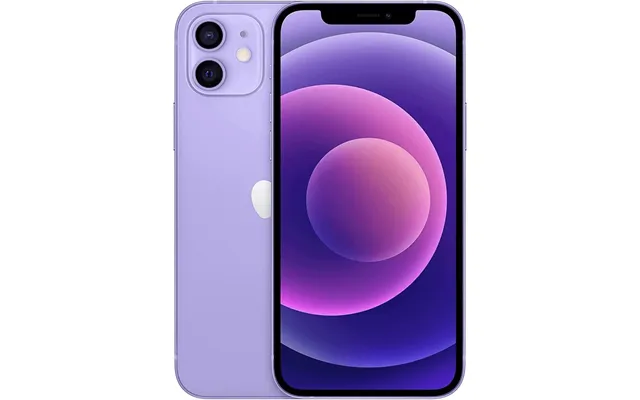
ur price list
Last updated Thursday, Aug 13, 2026
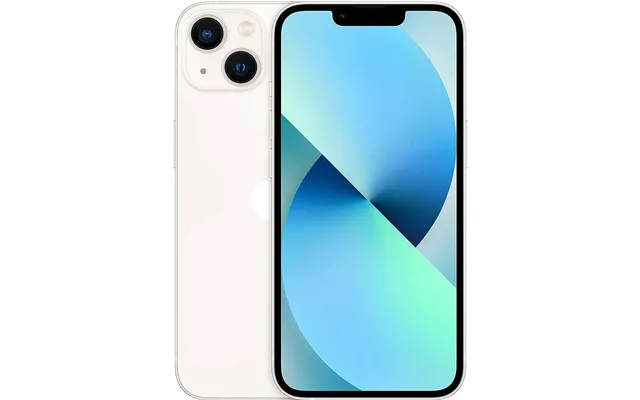
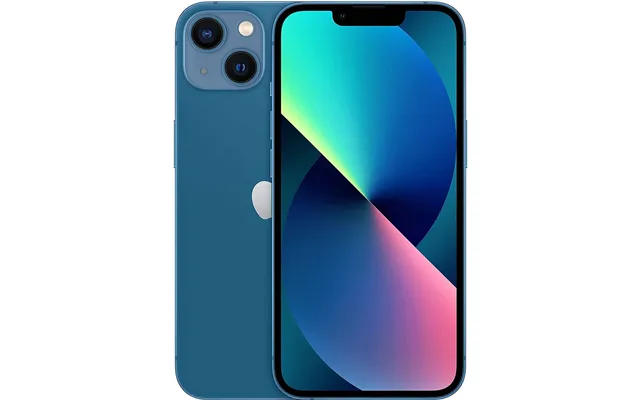
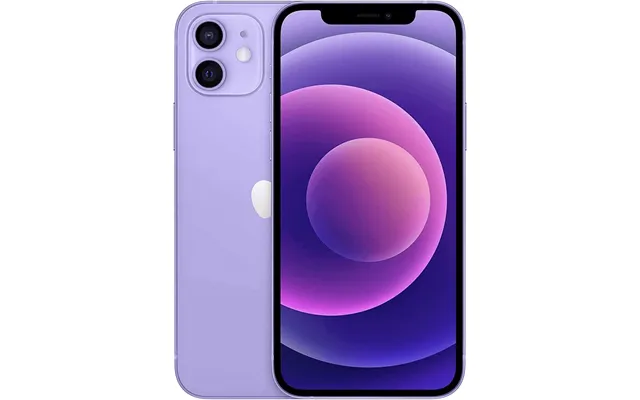
Last updated Thursday, Aug 13, 2026
UR started as a small concept in a narrow shopfront in a busy British town. The name was short, sharp, and deliberately open to interpretation — UR could mean “you are,” “urban,” or simply a unique brand name that would stick in people’s minds. Its founder was a local entrepreneur who saw a gap in the market: shoppers wanted quality basics, stylish everyday items, and an uncomplicated shopping experience. So UR began with a tight range of practical products, clear pricing, and a focus on customer relationships.
In the first few years, UR grew by word of mouth. It hosted pop-up events, partnered with nearby cafés, and supported local artisans. The shop emphasized friendly staff, flexible returns, and a no-frills loyalty scheme. That grassroots approach built trust. People loved the simplicity: no gimmicks, just useful products presented well. The early atmosphere felt like a neighbor you could count on.
UR’s visual identity was minimalist from the start — muted colours, simple fonts, and clean store layouts. That design choice wasn’t only aesthetic. It helped customers focus on products rather than flashy promotions. UR positioned itself between premium boutiques and discount chains. The message was clear: smart, honest retail without the luxury price tag.
As the brand resonated with shoppers, UR expanded beyond its first location. The story of expansion is classic: thoughtful site selection, measured investment, and steady hiring. UR chose towns and city neighbourhoods with a mix of families and young professionals. In each new location, the store kept the same small-team feel but introduced slightly larger product ranges, including homewares and seasonal lines.
When UR launched its online shop, it didn’t try to replicate the in-store experience exactly. Instead, it used the website to extend convenience. Customers could browse inventories, read clear product descriptions, and click for home delivery or click-and-collect. UR put emphasis on fast shipping and easy returns, which matched its original promise of simplicity and trust.
UR’s growth came with a stronger public role. The brand began sustainability initiatives: recyclable packaging, partnerships with ethical suppliers, and local recycling drives. These moves weren’t just marketing; they aligned with the values of many shoppers and helped UR stay relevant in a crowded market.
UR’s buying strategy is pragmatic. The brand focuses on durable basics with a few statement items each season. Think quality T-shirts, cosy knitwear, kitchen essentials, and well-crafted storage solutions. UR aims for longevity over trend-chasing, offering items that wear well and fit multiple uses — like a reliable pair of jeans or a versatile tote bag.
To keep prices fair while maintaining quality, UR built long-term relationships with selected suppliers. The chain prefers small-to-medium manufacturers that can deliver consistent quality without huge minimum orders. This approach reduces waste and allows UR to tweak product lines quickly when customers’ needs change.
UR positions itself in the mid-market: more upscale than budget chains but more accessible than designer labels. Promotions are straightforward—seasonal sales, bundle deals, and limited-time offers—without confusing coupons or layered discounts. UR’s customers appreciate the transparency: what you see is what you pay.
The heart of UR’s success is customer experience. In-store teams are trained to be helpful without being intrusive. The layout encourages easy navigation, with visible signage and intuitive product groupings. Online, the experience mirrors that clarity: crisp photos, honest descriptions, and an uncomplicated checkout.
UR’s friendly return policy and personal customer service have built loyalty. Instead of long loyalty point systems, UR often opts for simple perks like early access to sales or local event invites. This feels personal and keeps customers coming back without overcomplicating things.
To stay grounded, UR runs workshops and community events—DIY nights, seasonal craft sessions, and talks on sustainability. These events keep the store connected to local shoppers and create reasons to visit beyond shopping. It’s a smart mix of commerce and community that many UK shoppers now expect.
Let’s be blunt: the UK retail scene is crowded. UR competes with big names like John Lewis, IKEA, M&S, and H&M Home, as well as niche lifestyle chains and local independents. Each competitor has strengths and weaknesses. UR’s place is middling but distinct: it blends practicality with style, community focus with national reach.
John Lewis is a department-store heavyweight with a wide product range and strong customer service reputation. Compared to John Lewis, UR is smaller, more curated, and often cheaper. John Lewis offers premium brands and comprehensive services like furniture delivery and in-home consultations. UR can’t match that scale, but it wins on simplicity, friendliness, and agility. If you want a quick, reliable buy that looks good and doesn’t cost a fortune, UR is often the better choice.
IKEA sells functional, inexpensive home furniture with a big focus on flatpack solutions. UR isn’t trying to replace that model. Where UR differs is in curation and immediate availability. You won’t find huge sofas or full room systems in UR. Instead, UR offers smaller homewares, storage solutions, and items for everyday living. UR’s advantage is style and immediacy—items you can buy and use without a weekend of assembling.
Chains like H&M, Zara, and Primark touch on clothing and home styling. They are trend-led, high-volume sellers. UR avoids fast-fashion turnover. The brand focuses on staple pieces that last beyond a season. This appeals to shoppers tired of throwaway goods. UR may not always have the lowest price, but it offers better perceived value because its items are designed for longer use.
Local independents often win on uniqueness and story. They hand-pick items, and the shopping experience can be very personal. UR aims to combine the advantages of independents—community feel and curated selection—with the reliability of a national brand. Some shoppers prefer an independent’s quirkiness; others prefer UR’s predictability and consistent quality.
No retailer is without challenges. UR faces pressure from online giants, rising costs, and changing consumer habits. The biggest threats are price competition from discount chains and the broad convenience of major e-commerce platforms. However, UR can turn these threats into opportunities by leaning into what makes it unique: trusted quality, strong local ties, and clear communication.
Global supply chain issues and inflation raise costs for everyone. UR works to manage margins by refining supplier relationships and optimizing inventory. That said, passing costs onto customers is delicate. UR avoids steep price hikes, instead focusing on better value through thoughtful product design and reduced waste.
Younger customers want sustainability, authenticity, and digital convenience. UR is adapting by improving transparency—clearer sourcing information, eco-friendly options, and better online content. Social channels and community events also help UR remain visible to a younger audience who value brand purpose as much as products.
UR has options. It can deepen community roots, expand thoughtfully into new categories, or lean harder into sustainability. A smart next step would be better storytelling: case studies of suppliers, behind-the-scenes manufacturing, and customer stories. That builds emotional connection and differentiates UR from faceless competitors.
Services are a natural extension. Imagine UR-sponsored home styling clinics, subscription boxes with curated essentials, or repair and upcycling services. These add value, encourage repeat visits, and reduce waste. They also align with the practical ethos UR started with—helping customers live better with less fuss.
Improving personalization online—recommendations based on past purchases, better fit guides, and local stock alerts—can make UR's digital channel more useful. Technology should support the human side of retail, not replace it. The best approach mixes helpful automation with friendly, real people to turn to when you need them.
At the end of the day, shoppers choose UR because it feels sensible. The store offers quality basics, honest pricing, and a shopping experience that doesn’t waste time. It’s the equivalent of a trusted friend who gives good advice and doesn’t try to upsell you into things you don’t need. That trust is hard to build and easy to lose, but UR has kept it by staying true to its core principles.
Retail isn’t just transactions; it’s emotions. UR’s friendly staff, clean stores, and clear messaging create comfort. Customers feel understood. They don’t have to decode complicated promotions or navigate crowded aisles. That peace of mind is a powerful draw in a busy life.
UR’s story is one of quiet ambition. It didn’t seek to become the biggest; it wanted to be the most reliable. In a market noisy with flash sales and fast trends, that promise has real value. The brand’s success shows that focusing on the essentials—good products, good service, and good values—can win loyal customers over time.
So if you’re choosing between mega retailers and tiny boutiques, UR offers a sensible middle path. It’s not perfect, and it faces stiff competition, but it has a clear identity and a loyal following. That counts for a lot in a market where shoppers crave honesty and simplicity.