
Play Gyms price list
Last updated Friday, 18 Sept 2026




View 23 Offers
Loading...
Last updated Friday, 18 Sept 2026
Shopping for a baby can feel like learning a new language, right? Among the sea of gear, a play gym (sometimes called an activity gym) stands out as one of those items that actually earns its spot on your floor. Think of it as your baby’s first mini playground—soft mat, a couple of arches, and a curated world of textures, sounds, and colors. The result? More tummy time without the tears, more chances to kick, grab, and roll, and a comfy place for you to sit and narrate the world. If you want development, entertainment, and sanity-saving hands-free minutes, a play gym delivers.
From day one, your little one is working hard—lifting that tiny head, tracking shapes, kicking feet, and learning to coordinate hands and eyes. A play gym nudges all of that along. High-contrast graphics and mirrors encourage visual focus, dangling toys invite reaching, and musical elements reward movement. That’s not just cute; it’s the foundation for rolling, crawling, and more. And because the mat is cushioned, your baby has a safe, comfortable place to experiment without bumping elbows and knees on a hard floor.
Let’s be honest: parents need a minute. A thoughtfully designed play gym keeps your baby engaged while you sip a hot coffee, send a message, or fold a small mountain of laundry. Short, supervised sessions add up. The trick is picking a gym that actually captures your baby’s attention and grows with them—so you’re not rotating through toys every other week. Good news: there are models designed to evolve from newborn to sit-and-play stages, so you get months of use out of one purchase.
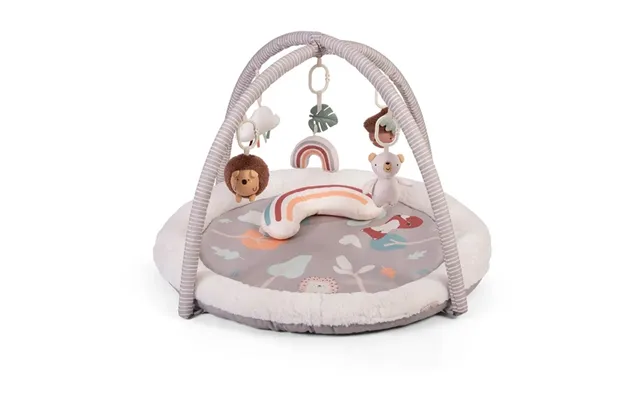
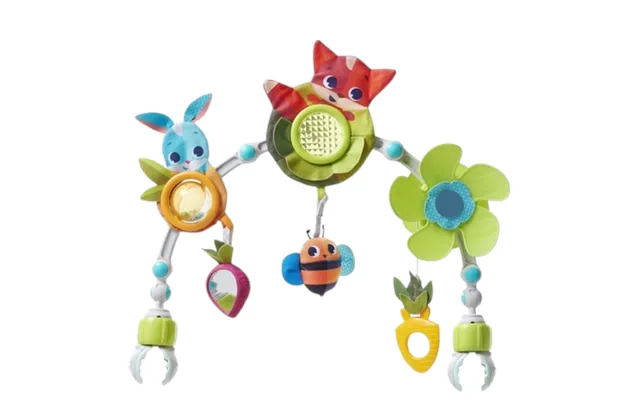
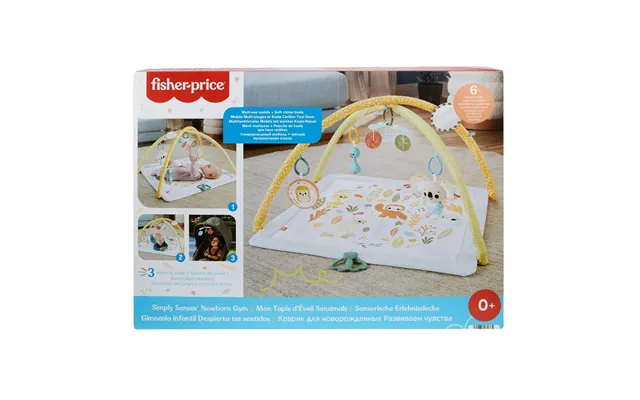
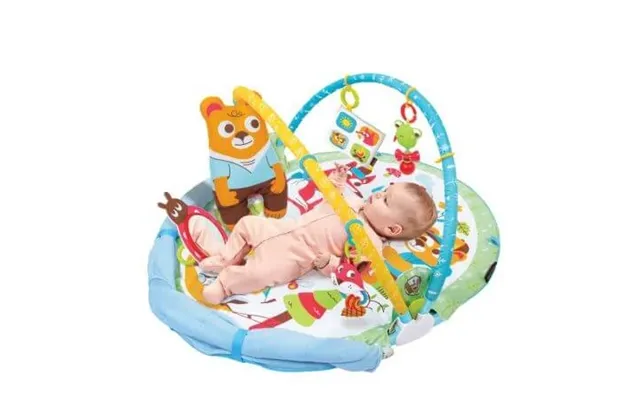
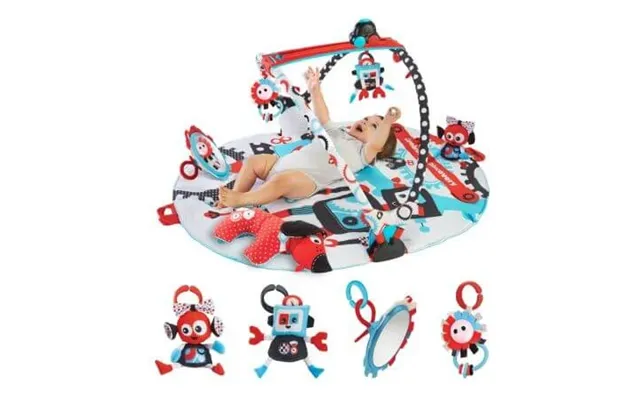
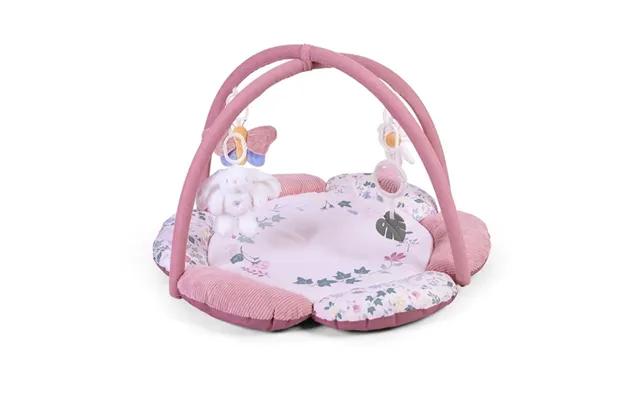
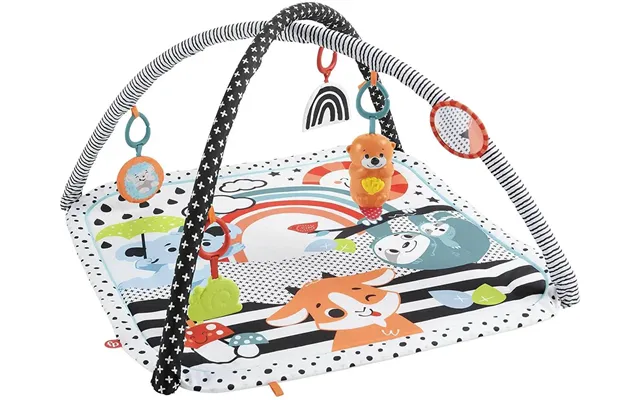
These are the crowd-pleasers: a soft mat plus two arches with dangling toys. You’ll usually get a mix of rattles, teethers, crinkle leaves, and mirrors. Many come with removable toys so you can clip them onto a pram or car seat. If you want versatility and easy setup, this format is a safe bet. Look for sturdy arches that don’t wobble, a mat with at least 0.5 in to 1 in of padding, and a good mix of textures and colors to hold attention during those early months.
Prefer a clean, natural look? Wooden gyms swap bright plastics for smooth bars and simple hanging toys. They’re often open-ended, encouraging curiosity without too many bells and whistles. The aesthetic suits living rooms where you’d rather not add a neon circus, and the toys typically emphasize tactile exploration—think wooden rings, knit rattles, and silicone teethers. Pair with a plush play mat or foam tiles for extra cushioning and you’ve got a minimalist setup that still does the job beautifully.
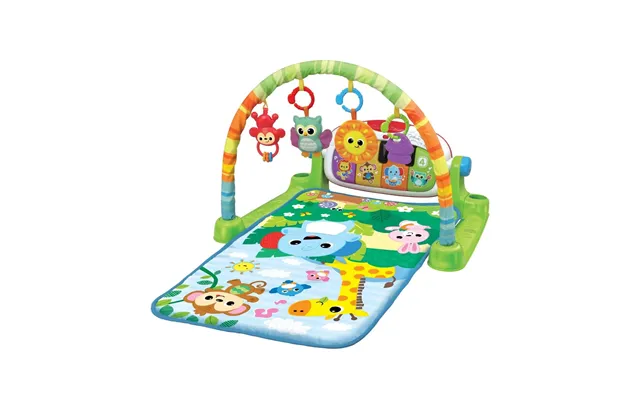
If your little one loves to kick, a piano gym can be magic. The baby’s feet tap keys to trigger sounds or songs, introducing cause-and-effect in the most delightful way. Many include removable piano modules so the toy grows from a floor kicker to a sit-and-play keyboard. Sound can get… lively, so look for volume control and a quiet mode. Also check that the piano panel adjusts so it’s reachable during tummy time and later when your baby is seated.
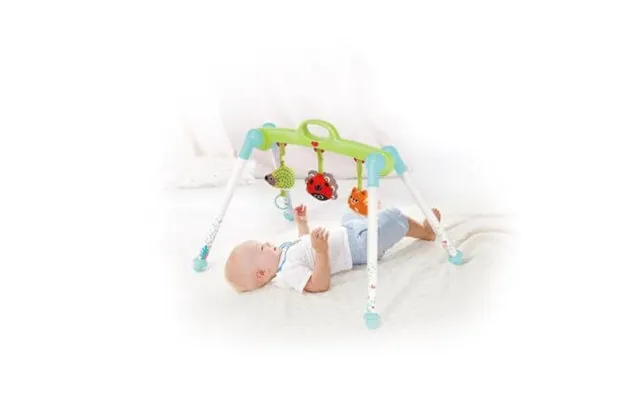
Heading to grandparents or away for a weekend? Foldable gyms pack down quickly and often come with a carry handle or storage bag. Choose lightweight arches and a mat that’s under 2 lb for easy grab-and-go. A portable gym makes it simple to keep routines consistent, even when you’re away from home. Bonus: compact designs are great for small flats where you need to fold and stash gear between uses.
Water mats turn tummy time into a mini aquarium—your baby presses and watches colorful shapes float and squish. They’re excellent for sensory exploration but usually work best paired with a standard gym or arch so you keep those overhead toys. Foam mats, on the other hand, boost cushioning and create a larger play area. Look for interlocking tiles around 24 in squares and at least 0.5 in thick if you have hard floors.
Safety sits at the top of the list. Inspect the stitching, attachments, and fasteners. Toys should be secured firmly yet easy for adults to remove, and there should be zero loose threads or small parts. If you prefer low-odor materials, consider options made without harsh dyes or with organic cotton surfaces. Wooden elements should be sanded smooth with baby-safe finishes. Always follow the age guidance from the manufacturer and supervise play sessions.
A cushy base keeps elbows, knees, and forehead bumps to a minimum. For carpeted rooms, a slimmer mat is fine; on hardwood or tile, aim for 0.5 in to 1 in of padding or layer a play mat over foam tiles. A good size for sprawling is around 36 in by 36 in or larger. Extra cushioning around the head area is helpful during those early wobbly head-lift tries.
Babies are adorable—and messy. Spit-up, dribbles, mystery spots… they happen. Machine-washable mats save time. Removable toys you can wipe down with mild soap are a win. If the arches detach, check that the connectors don’t trap grime. Pro tip: keep a small laundry bag for toy parts so nothing disappears in the wash, and spot-treat stains quickly to avoid set-in marks.
Look for gyms that adapt across stages. Can you lower or raise the toys? Rotate in high-contrast cards for newborns and switch to teethers later? Some gyms convert into a play teepee or a reading nook when your baby outgrows the arches. The more ways you can reconfigure, the longer you’ll love it. Longevity isn’t just practical—it’s more sustainable and budget-friendly.
Measure your space before you buy. In smaller rooms, a footprint around 30 in by 30 in keeps things tidy while still giving room to wiggle. If you’ll be moving the gym between rooms, choose one under 4 lb, ideally with quick-release arches. A fold-flat design slides behind a sofa or under a bed, and a carry strap is a surprising but handy bonus.
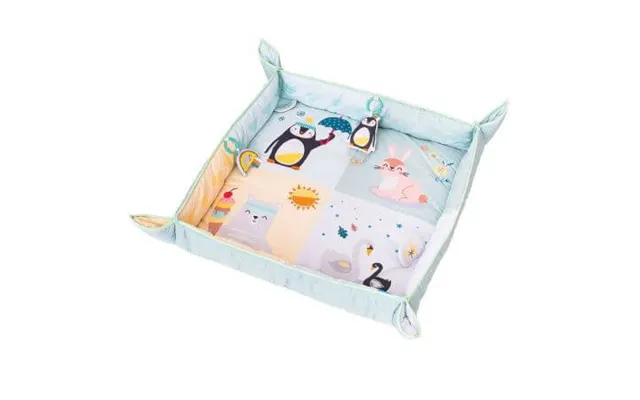
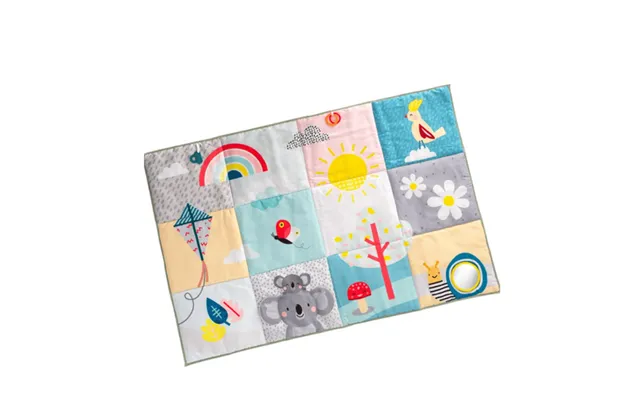
If your baby is already fascinated by a few favorite toys, a cushioned play mat alone might be all you need. Mats are easy to wash, easy to store, and often larger than standard gyms. They’re perfect for rolling practice and give you plenty of space to sprawl with your little one. Add a tummy time pillow, a mirror, and a couple of crinkle toys, and you’re set.
Once your baby has strong head and trunk control, an activity center (think spinning seat with a ring of toys) can extend independent playtime. These don’t replace floor time, but they offer a different kind of engagement. If you go this route, limit sessions and keep an eye on posture. Floor play remains essential for developing core strength and coordination, so use both strategically.
Many parents mix and match. Start with a play gym for the newborn-to-roller phase, then add a large foam mat as your baby becomes mobile. A water mat can spice up tummy time, and later, an activity center can bridge the gap before standing play tables. Rotate toys every few days to keep things fresh without buying more gear.
Well-known for its kickable piano, this gym rewards tiny footwork with cheerful tunes. The adjustable keyboard grows with your baby—first as a kicking target, then as a sit-and-play instrument. Look for versions with volume control and a quieter melody mode. Parents like the mix of soft and plastic toys and the removable arches for quick cleaning.
This one leans into soothing colors and dreamy textures—plush clouds, soft stars, and a gentle palette that blends with home decor. The mix of tactile elements and subtle lights keeps babies interested without overwhelming them. It’s also easy to pair with a separate tummy time pillow for extra head-lift practice.
A popular multi-stage option with a keyboard panel, this gym packs in sound and light features for babies who love feedback. The mat tends to be generously sized, and the toy assortment spans rattles, teethers, and high-contrast pieces. It’s a strong choice if you want lots of cause-and-effect play right from the start.
For fans of minimalist design and stage-based learning, this wooden gym stands out. It usually includes zone-based activities for different developmental focuses—visual, sensory, motor, and so on. The hanging toys are simple yet effective, and the mat often has built-in activities to flip and discover. It’s a splurge, but many parents appreciate the longevity and thoughtful design.
If you’re aiming to spend less, you can still find solid, safe gyms that tick the core boxes: cushioned mat, a few hanging toys, and basic textures. Expect simpler fabrics and fewer add-ons. Double-check stitching and washability. Even at a lower price, a gym with strong attachment points and a machine-washable mat can be a daily workhorse.
In the middle tier, you tend to get better fabrics, smarter toy assortments, and features like adjustable arches or removable piano modules. Mats might be larger, around 36 in or more, which gives your baby extra room to roll. If you want a blend of style, durability, and engaging play, this is where many families land.
Premium gyms often justify their price with superior materials, clever modular designs, and aesthetics you’ll happily showcase in your living room. Wooden frames, organic textiles, and stage-based activity guides are common. If you’re thinking long-term or plan to pass the gym down, the extra durability and design details can make a noticeable difference.
Choose a draft-free spot with good natural light so your baby can see the toys clearly. On hard floors, add foam tiles under the mat for cushioning—aim for at least 0.5 in thick tiles if you have lots of rolling practice ahead. Keep the area clutter-free so dropped toys don’t disappear under furniture, and sit down at your baby’s level to make it a shared experience.
Newborns love high-contrast black-and-white patterns and a simple mirror. Around 2 to 3 months, swap in soft rattles and crinkle toys to reward grasping. By 4 to 5 months, add teethers, rings, and textured tags. A little rotation goes a long way—try swapping 2 or 3 items every few days to keep interest high without overwhelming your baby.
Start with short bursts—think 2 to 3 minutes—and build up. Place a small rolled towel or tummy time pillow under your baby’s chest to lift them slightly. Get face-to-face, narrate, and cheer every attempt. Position mirrors and high-contrast cards within 8 to 12 in of your baby’s face so they’re easy to focus on. Those tiny wins stack up fast.
Keep a small basket nearby with baby-safe wipes, a spare muslin, and a zip bag for damp items. If the mat is machine-washable, try a weekly wash and daily spot-clean. Wipe plastic parts with mild soap and water, and let everything air-dry completely before reassembly. Clean gear is not just nicer—it’s less likely to get retired early.
Before each session, give the arches a gentle wobble test—no swaying allowed. Tug lightly on each toy to confirm it’s secure. Scan for loose threads or rough edges, and make sure the mat lies flat without curled corners. If anything looks questionable, remove it and contact the manufacturer for guidance.
Curious siblings and pets are part of family life—just set boundaries. Teach older kids to sit beside, not on, the mat and to hand toys gently. Keep pet claws and paws off the gym to prevent snags. During floor play, stay within arm’s reach and move the setup away from heavy foot traffic areas.
Once your baby pulls up or tries to use the arches for support, it’s time to transition. Some gyms convert to play mats or mini tents; others pack away until the next baby. Always follow the brand’s age and weight guidelines—these are designed with safety in mind, not just marketing.
If you’re seeking low-impact materials, look for mats that use organic cotton surfaces, recycled fillers, and water-based dyes. Fewer harsh finishes can mean fewer odors and easier maintenance. It also feels great knowing your baby is rolling across fabrics chosen with care.
Wooden gyms should have smooth, splinter-free bars and baby-safe finishes. Natural oils or water-based coatings are typical. Wooden rings and silicone teethers make a great tactile combo, and their durability means they often hold up well for multiple children.
Eco-friendly isn’t just about materials; it’s also about how long a product lasts. Sturdy stitching, modular parts, and replaceable toys extend the life of your gym. Save the box or a storage bag to keep pieces together between children—or loan the gym to a friend once your baby graduates.
Prices for play gyms can fluctuate around seasonal events, bank holidays, and baby-specific promotions. Comparison sites make it easy to scan multiple retailers quickly, so you can spot a genuine deal instead of a flashy banner. Also look for bundles—sometimes you can grab a gym with extra toy sets or a matching tummy time pillow at a better price than buying separately.
Reviews are gold, but dig deeper. Are complaints about flimsy arches or toys falling off? Do multiple people mention tricky assembly? Prioritize feedback on washability, durability, and how long the gym kept babies engaged. Photos from other parents can reveal real-world size—great for checking if it’ll fit your 36 in foam tile setup.
Some gyms shine in the newborn stage and fade later; others get better as your baby grows. Choose a design with removable arches, convertible features, or toys that clip to prams and high chairs. You’ll appreciate the flexibility when your baby starts sitting and you need new ways to play.
A small support pillow under the chest helps babies enjoy tummy time longer by taking pressure off arms and neck. Look for non-slip fabric and a washable cover. Keep it close by—but retire it once your baby can push up strongly without help.
Babies zero in on bold patterns and faces. Place a mirror about 8 to 12 in from your baby’s face during tummy time and swap in high-contrast cards with simple shapes. This boosts visual tracking and makes tummy sessions more rewarding.
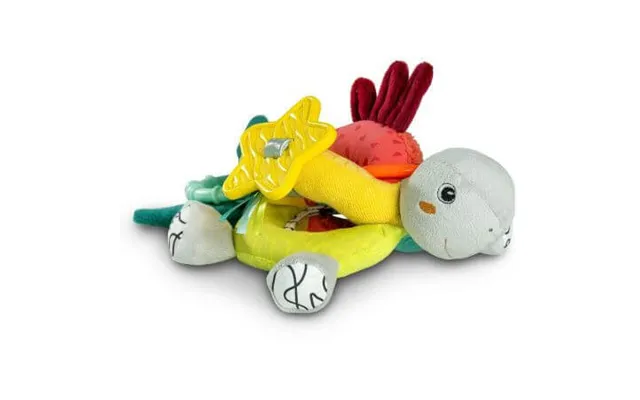
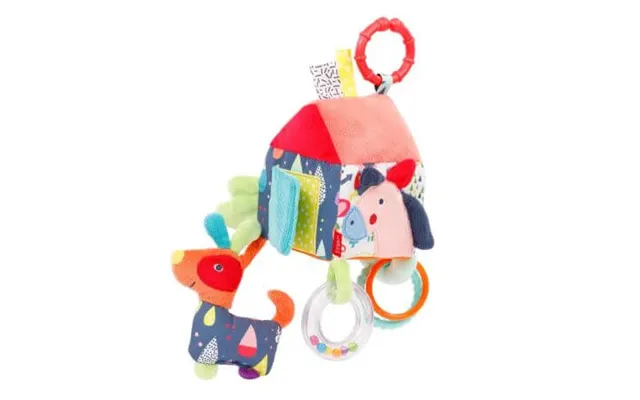
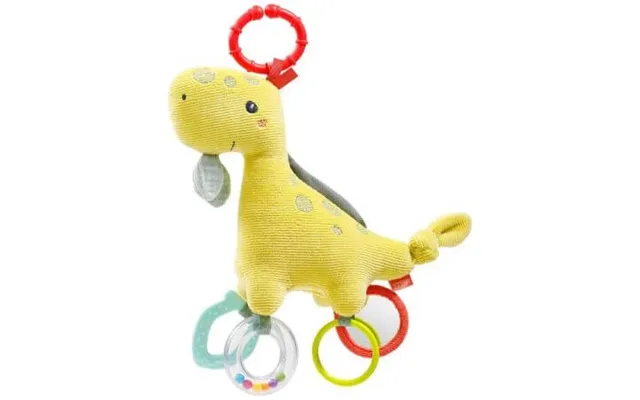
As the months roll on, little gums get busy. Soft silicone teethers and crinkle fabric toys encourage grabbing and mouthing safely. Clip them to the gym or lay them on the mat within reach. Rotating textures—smooth, bumpy, and ribbed—keeps things interesting.
Additional rings let you adjust toy height as your baby gets taller or stronger. Lower toys for brand-new reachers, raise them for seated play. If your gym accepts universal clips, you can curate a custom set of favorites that evolve with your baby’s skills.
If you can toss the mat in the washing machine, you’ll use the gym more, period. Cold wash, gentle detergent, and air dry usually do the trick. For small daily messes, keep a cloth nearby to blot spills before they set. Consider a waterproof layer under the mat for extra insurance on carpeted floors.
For quick fixes, blot (don’t rub) with a damp cloth and a dab of mild soap. For stubborn stains, a small amount of baby-safe stain remover can help—test on a hidden area first. Disassemble pieces into a laundry bag to keep straps and rings from tangling when you wash toys.
In a compact flat, a fold-flat gym is your best friend. Slide it under a sofa or stand it behind a door. A lightweight model under 4 lb is easy to move one-handed while you carry your baby in the other arm. Keep a labeled storage bin for spare toys so rotations are effortless.
Pick a gym that packs down quickly and won’t hog trunk space. A carry bag or strap is a big plus. Bring a small toy rotation—mirror, rattle, teether—so your baby gets familiar favorites wherever you go. Consistency helps babies settle into new environments faster.
In the world of baby gear, a play gym is one of those rare finds that’s genuinely useful every day. It supports early milestones, creates a safe and comfy place for exploration, and gives you a few precious hands-free minutes. Whether you prefer a classic arch design, a minimalist wooden frame, or a kick-powered piano setup, the best choice is the one that fits your space, your baby’s temperament, and your routine. Compare features like safety, padding, washability, and adaptability, then choose with confidence. Set it up thoughtfully, rotate toys with intention, and watch your little one discover the joy of play—one reach, kick, and giggle at a time.