

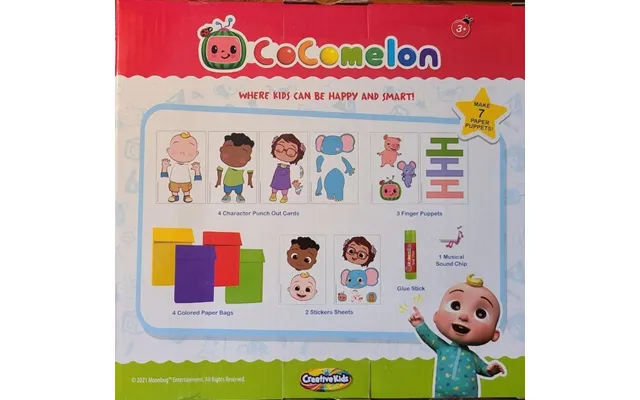
Puppet Theaters price list
Last updated Monday, 19 Oct 2026
| Puppet Theaters | Price |
|---|---|
| Cocomelon Musical Puppet Theater Kit | £3.99 |




Loading...
Last updated Monday, 19 Oct 2026
| Puppet Theaters | Price |
|---|---|
| Cocomelon Musical Puppet Theater Kit | £3.99 |
Puppet theaters have a special kind of charm, don’t they? One minute you’re setting up a small stage in the living room, and the next, you’ve got a full-blown adventure unfolding with pirates, princesses, and silly sidekicks. It’s classic, screen-free fun that sparks imagination, builds confidence, and brings families together. If you’re exploring puppet theaters in the UK and want to compare popular offers without the hassle, you’re in the right place to get the lay of the land before you buy.
Think of a puppet theater as a tiny stage for big stories. It’s the backdrop, the curtain, and the “spotlight” that nudges kids to take the lead. Whether it’s a freestanding wooden frame, a lightweight doorway curtain, or a tabletop mini stage, the goal is the same: turn simple puppets into unforgettable characters. With the right setup, even a shy storyteller can become a showstopper.
Puppet theaters come in a handful of handy formats, each with its own strengths. Choosing the right type is mostly about your space, your budget, and how portable you want it to be. Let’s walk through the most popular styles you’ll see when comparing options across UK retailers.
These are the classic centerpieces—the ones that look like a miniature stage with side panels, a marquee, maybe even a clock or ticket window. Many stand roughly 3 to 5 ft tall and around 2 to 3 ft wide, giving kids a roomy play area. They’re sturdy, stable, and perfect if you’ve got a designated play corner at home or in a classroom.
Doorway theaters hang from a tension rod or hooks and transform a standard doorway—typically about 30 to 36 in wide—into a charming stage. They’re ideal for small spaces or apartments because you can roll them up in seconds. Plus, they’re surprisingly immersive once the “curtain” is up.
Compact and quick to set up, tabletop stages sit on a coffee table, desk, or kitchen island. They’re great for younger kids who like to stand or kneel at the edge and pop puppets over the top. Many fold flat to store in a shelf or a toy box that’s about 12 to 18 in deep.
Marionette stages are taller or deeper to allow string puppets to move freely above the stage. If your child is fascinated by the mechanics of performance—pulling strings, mastering movement, practicing timing—this style turns playtime into a real craft. Expect to need a bit more headroom and a clear area in front of the stage.
Shadow theaters are magical in low light. A light source behind a screen turns silhouettes into living shapes. With cardboard cutouts or fancy sets, kids can create moody stories, galaxy scenes, or animal adventures. It’s a soothing, artful style that encourages patience and creativity.
Behind every giggle is serious growth. Puppet play builds language (kids try new words and storytelling beats), social skills (they practice turn-taking and empathy), and fine motor control (hello, finger dexterity!). Confidence skyrockets when a child sees the audience laughing or clapping—especially if that audience is you. Teachers love puppet stages for role-play, while therapists use them to help kids express feelings in a safe, playful way.
Not all puppet theaters are created equal. When you evaluate models across multiple retailers on comparison sites like ZoneOffer, pay attention to build, size, and versatility. Here’s what matters most—without overcomplicating it.
Check overall footprint (height, width, and depth) so the theater doesn’t overwhelm your space. A freestanding theater around 4 ft tall with a 20 to 30 in wide stage opening works beautifully for most kids. For tabletop models, look for a 12 to 20 in wide opening so little hands have room to perform.
Wood and MDF frames feel sturdy and last longer, while fabric and plastic keep things light and portable. Reinforced corners, smooth edges, and a tip-resistant base are good signs of thoughtful design. If it folds flat, check the hinges and joints so they stay snug over time.
If you don’t have a dedicated playroom, a foldable frame or a roll-up curtain is a lifesaver. A theater that folds to under 3 in thick slips behind a wardrobe or under a bed. Handy storage pockets for puppets? Even better.
Bonus bits like curtains, chalkboards, clock dials, and “showtime” signs elevate the experience. Some sets include a few hand puppets to get started, and others pair nicely with finger puppets, marionettes, or shadow puppets. Consider whether you want a bundle or prefer to build your own cast over time.
Most wooden theaters assemble in 15 to 45 minutes with a screwdriver. Doorway and tabletop styles are quicker. Adjustable tension rods, removable curtains, and reversible panels make a theater more adaptable as kids grow.
Look for compliance with well-known toy safety standards and age guidance. Smooth edges, non-toxic finishes, and secure fasteners are musts. For little ones under 3 years, avoid small detachable parts that could pose a choking risk. Keep taller freestanding theaters away from high-traffic areas, and consider anchoring if your model allows it. As always, supervise early sessions and help kids learn to use marionette strings so they don’t tangle.
Curious where to start? When you browse and compare across UK retailers through a comparison site like ZoneOffer, these well-loved formats tend to pop up again and again. Here’s what to expect from some standout picks and styles.
Think bright curtains, a sturdy wooden frame, and a wide stage opening. A typical model stands around 4 to 4.5 ft tall with a base that’s about 2 to 3 ft wide, making it big enough for dramatic shows but small enough to tuck into a corner. Parents love the durable build and the “instant theater” vibe that encourages siblings to co-create stories.
This space-saver is a marvel for small homes. It hangs in seconds and usually includes a window-style opening with curtains that tie back. When the show’s over, roll it up and stash it on a shelf. It’s especially good for travel because it fits in a tote and weighs less than many hard-frame stages.
If your child is just starting out, a tabletop stage transforms any surface into a performance space. Look for models with a solid base, a 12 to 18 in wide opening, and fabric curtains. It’s compact enough for playdates and easy to store in a toy trunk.
These kits pair a translucent screen with a lamp or flashlight behind it. Kids can use premade silhouette puppets or design their own with cardstock. The result? Moody, dreamy scenes that feel like bedtime stories come to life. It’s quiet play with a big creative payoff.
For string-puppet enthusiasts, taller stages with deeper frames allow more motion and fewer tangles. While they’re less common than hand-puppet models, they deliver that “theater magic” that older kids—and parents—adore. Expect a small learning curve and a lot of satisfaction once kids get the hang of it.
Measure the area where you plan to set up the theater and leave at least 24 to 36 in in front for audience seating or performer movement. For freestanding models, a corner with 2 to 3 ft of wall space works great. For doorway theaters, check the doorway width—most interior doorways in UK homes are around 30 to 32 in wide, with some up to 36 in. Tabletop models are flexible, but make sure your surface is stable and at a comfortable height for the puppeteer.
The right puppets breathe life into any stage. Hand puppets are expressive and easy to manipulate—great for voices and big emotions. Finger puppets shine in tabletop settings where the stage opening is smaller. Marionettes add that theatrical flair and challenge older kids to master movement. Don’t sleep on animal sets, fairy‑tale bundles, and community helpers (think doctor, firefighter, baker)—they’re perfect for educational play.
Not sure how to begin? Start with a three-scene story: a calm beginning, a tricky problem, and a cheerful ending. Use everyday props—like a paper “river” or a cardboard castle—to make worlds. Encourage call-and-response moments where the “audience” helps solve problems. Want a quick prompt? “The Lost Treasure” works every time: a map, a riddle, a wrong turn, a surprising ally, and a happy discovery.
Small touches turn a simple stage into a showstopper. Chalkboards for titles, felt stars and moons, a mini “box office,” or a DIY popcorn stand raise excitement before the curtain even opens. Storage pockets keep puppets ready between acts, and a battery lantern or clip light adds drama to evening shows. If your theater has a marquee panel, let your child decorate it for each performance.
Wooden frames wipe clean with a slightly damp cloth; dry immediately to protect finishes. Fabric curtains freshen up with a gentle hand wash or a quick lint roll. Keep puppets in breathable bins—mesh or canvas works well—so they don’t get musty. Fold or roll your theater carefully to avoid creasing the curtain or bending thin panels. If you store it under a bed, slide it into a soft case to prevent scuffs.
Budget sets are awesome for trying out puppet play without a big investment. They’re lightweight, portable, and perfect for younger kids. Mid-range wooden theaters bring sturdier frames and thoughtful details—those extras like curtains, chalkboards, and storage really boost the experience. Premium models often have heavier wood, wider stages, and more detailed finishing. Your best value? Pick the style that fits your space, then invest in a few great puppets you can rotate through new stories.
Prices vary across retailers and brands, but here’s a simple way to think about it when you’re scanning a comparison site. Doorway and basic tabletop theaters often sit in the lower price tier, making them a friendly entry point. Sturdier freestanding wooden theaters usually land in the mid tier, while premium or specialty marionette stages can reach the higher end. Seasonal promotions, bundles with puppets, and clearance deals can swing pricing, so it’s smart to compare options side by side before you click “buy.”
Lay out all parts and hardware before you start, and keep a small screwdriver and a soft cloth handy. Assemble on a rug or towel so you don’t scuff surfaces. For doorway theaters, adjust the tension rod to fit snugly without over-tightening. For freestanding models, tighten all screws, then do a second pass to ensure everything’s secure. Finally, test the curtain motion and stage opening so kids can slide in and out smoothly.
If you’re short on square footage, prioritize portability. A fold-flat wooden frame or a roll-up curtain gets you theater vibes without the footprint. Try rotating play zones: a puppet theater one week, a reading nook the next. And here’s a fun trick—turn the back of a freestanding theater into a pretend shop or ticket booth to double its value in the same space.
Want to make the theater feel like yours? Add velcro strips and seasonal backdrops—winter wonderland, jungle vines, or starry skies. Cut out cardboard scenery for quick scene changes. Create “show tickets” and a “program” with crayons and index cards. Have a kid who loves sound effects? A small hand bell for scene changes and a shoebox “drum” make every show feel official.
Shopping can feel overwhelming when every theater looks adorable. That’s where a comparison site like ZoneOffer shines: you can scan popular offers, check specs, and weigh styles in one place without store-hopping. Pin a few favorites, compare sizes in inches, and decide whether you want the simplicity of a doorway curtain or the presence of a freestanding stage. Add in a small starter set of puppets, and you’ve got everything you need for showtime.
Start with a mix of personalities so stories come easily: a hero, a sidekick, a trickster, and a wise guide. Animals are universally loved—foxes, bears, owls—while fairy‑tale characters make classic scripts a breeze. Finger puppets are perfect for younger kids with smaller stages, and marionettes reward older kids who enjoy mastering techniques. Consider adding a narrator puppet to stitch scenes together when little performers need a nudge.
Puppet theaters naturally blend play with learning. Act out market math (“Two apples plus two apples equals four!”), letter hunts (“Find something that starts with B!”), or kindness stories where characters practice saying sorry and making it right. In classrooms, teachers use puppet stages for language practice, storytelling circles, and social-emotional role-play. At home, a 10-minute “news show” at dinner lets kids recap their day with humor and heart.
If kids lose interest, shrink the stage: move to a tabletop theater or a quick doorway setup. When stories stall, prompt with “What happens if…?” questions or bring in a “mystery bag” prop. Tangled marionette strings? Hang them on a dedicated hook and practice simple walks before trying fancy moves. And if a curtain rod slips, add rubber pads at the ends for extra grip.
If your current setup wobbles, feels cramped, or can’t store your growing puppet family, it might be time to upgrade. Move from a tabletop to a freestanding model for taller kids, or switch from a lightweight fabric frame to a sturdier wood build. Add lighting, storage pockets, or a larger stage opening so siblings can perform together. Upgrades keep the experience fresh without starting from scratch.
Pick a doorway theater if you’re tight on space and love quick setups. Choose a tabletop stage for toddlers and early storytellers who like to be up close. Go freestanding if you want a “real theater” centerpiece with room for growth. If your child loves crafting and mood, a shadow theater is pure magic. For older kids with patience and flair, marionette stages are a creative playground.
Measure twice, choose once. Think about where the theater will live, who will use it, and how often you’ll pack it away. Prioritize safety, durability, and stage size before bells and whistles. Then add a small set of versatile puppets and a couple of backdrops to keep stories flowing. With the right match, your living room will become the most popular playhouse on the block.
Puppet theaters are more than toys—they’re tiny engines of imagination, language, and laughter. Whether you’re leaning toward a classic freestanding stage, a tidy doorway curtain, or a compact tabletop set, the best choice is the one that fits your space and invites kids to keep telling stories. Compare popular offers across UK retailers using a dedicated comparison platform like ZoneOffer, focus on the features that matter to you, and build a cast your child can love for years. Lights up, curtains back—the show is about to begin.