

See Saws price list
Last updated Monday, 19 Oct 2026




View 14 Offers


Loading...
Last updated Monday, 19 Oct 2026
Few outdoor toys pack as much giggle-inducing magic into a simple design as see saws. They’re nostalgic, timeless, and instantly turn any backyard into a mini play park. Kids get a thrill from the gentle up-and-down motion, while grown-ups love that a see saw encourages teamwork and social play. Whether you call it a see saw, seesaw, or see-saw, it’s one of those classic pieces of outdoor play equipment that never goes out of style.
Looking to bring that playground vibe home? You’re in the right place. The UK market is bursting with see saw choices—from compact toddler rockers to sturdy metal models with 360-degree spinning hubs. And if you’re browsing popular offers or a see saws price list on a comparison site, it helps to know what features matter, what to avoid, and how to pick the right fit for your space and your kids’ ages.
On the surface, a see saw is pure fun. But under the hood, it’s a sneaky learning tool. That rhythmic up-and-down motion builds balance, coordination, and core strength. Kids practice timing their push-offs and learn to adjust posture and grip—skills that support all kinds of physical activities down the line.
Then there’s the social magic. A see saw is a team sport. Children learn to communicate, take turns, and read each other’s cues. That cooperation—“ready to go up?”—turns playtime into a little lesson in empathy and leadership. In short, a see saw brings the playground benefits home, minus the queues.
Not all see saws are created equal, and that’s a good thing. Different types suit different ages, spaces, and budgets. Whether you’re after a traditional teeter-totter with a central fulcrum or a spring-loaded model for softer landings, you’ll find plenty of options to compare across retailers and brands.
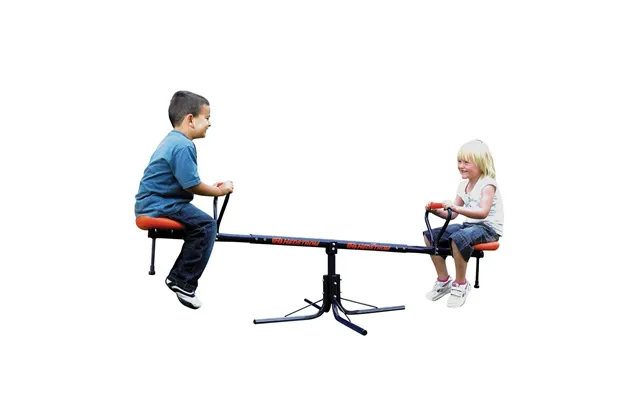
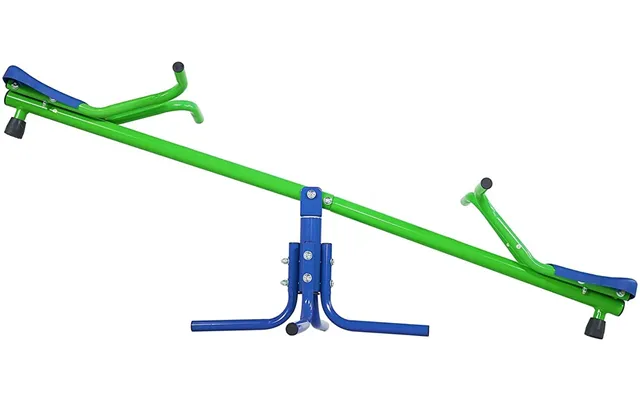
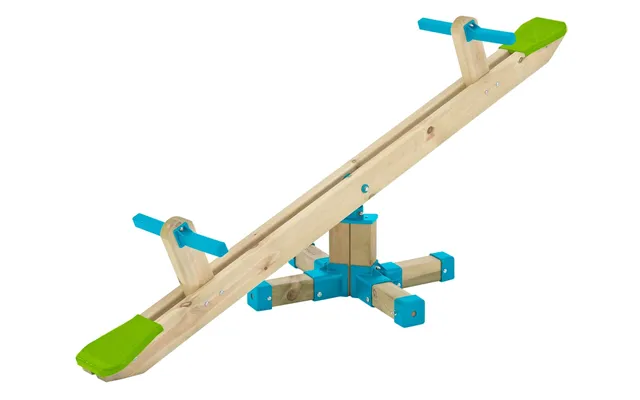
This is the traditional design: a beam balanced on a pivot in the middle. It’s simple, responsive, and fantastic for older kids who can control the ride. Typical backyard versions run around 6 to 8 ft in length, with seat heights roughly 16 to 24 inches off the ground, depending on model and rider weight. Look for smooth bushings at the pivot to reduce squeaks and jolts.
Spring models soften the drop and add a touch of bounce, which is great for younger children or mixed-age play. The springs reduce hard impacts, lessen the chance of tip-thumps, and help keep the ride controlled. They’re also often easier to anchor because many come with pre-drilled base plates.
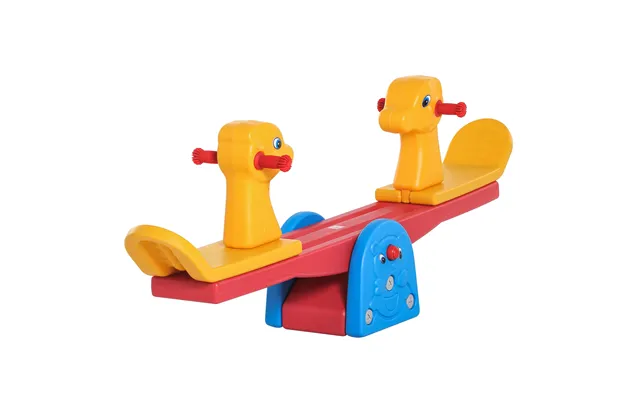
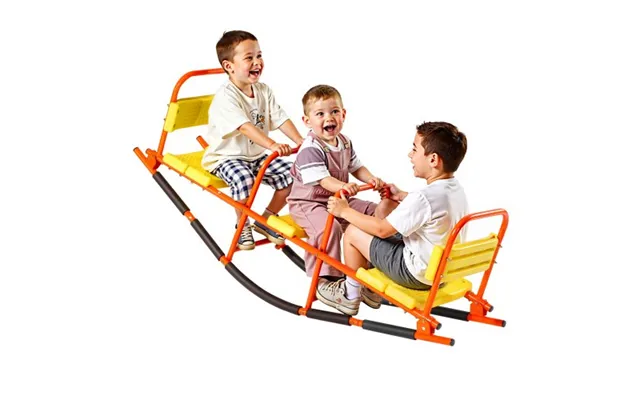
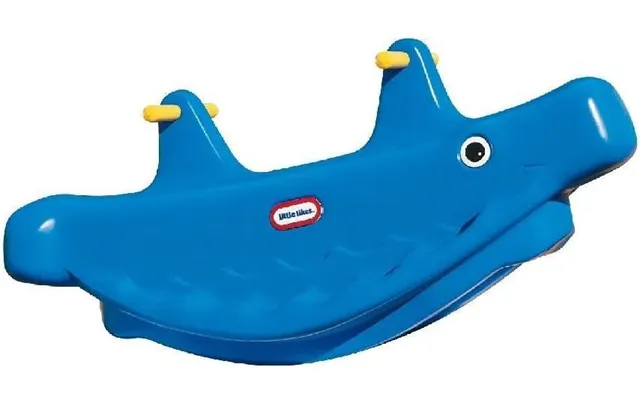
Rocker see saws typically sit low to the ground and may accommodate one to four riders. Think molded plastic bodies with integrated handles and footrests, or compact wooden rockers with a gentle arc. With a seat height often under 12 inches, they’re ideal for toddlers finding their balance—lightweight, easy to move, and simple to store.
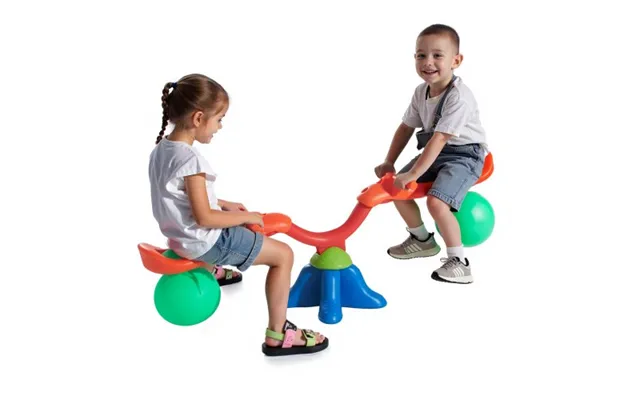
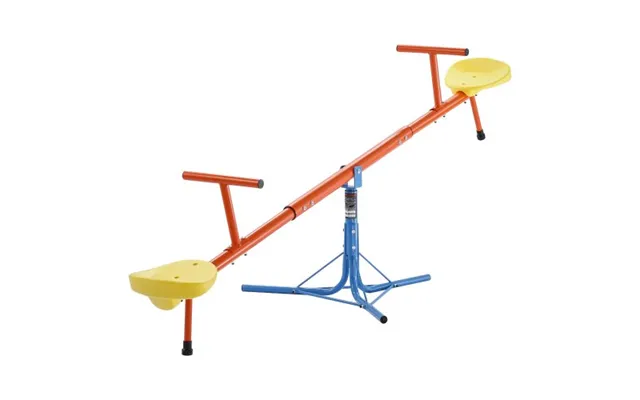
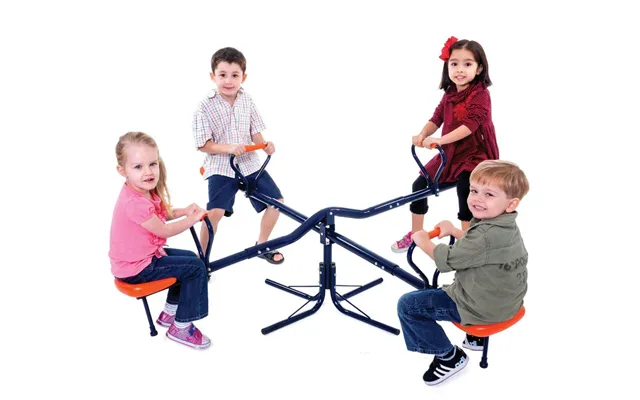
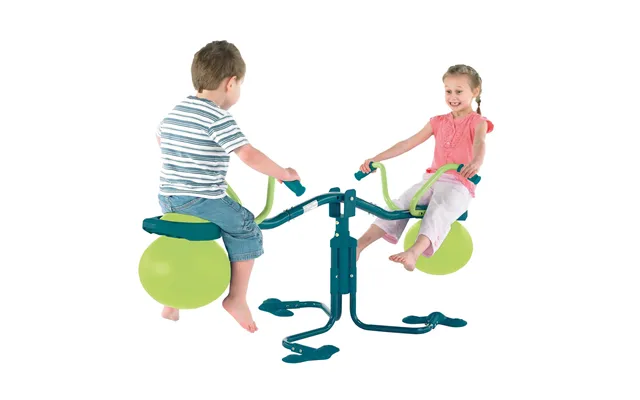
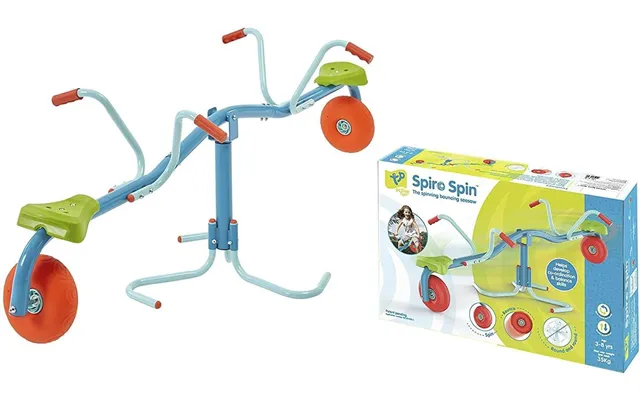
Want extra thrills? Some see saws add a spinner hub for 360-degree rotation, or feature standing platforms so kids can ride while holding tall handlebars. These designs crank up the excitement and suit confident riders. Just be sure the model includes anti-pinch covers, non-slip foot plates, and a robust bearing assembly for smooth, safe spins.
Before you fall for a bold color or a flash sale, think space, riders, and build. How big is your yard? A good rule of thumb is to leave a fall zone of around 6 ft on all sides where possible. How many riders do you want to accommodate—two, four, or more? And what material fits your climate and maintenance goals: wood, powder-coated steel, or heavy-duty plastic?
Wood looks beautiful and blends into garden settings. High-quality, pressure-treated timber can last for years, and you can refinish it to refresh the look. It may need periodic sealing to resist moisture and mildew. If you like a natural aesthetic and don’t mind the occasional weekend touch-up, wood is a great pick.
Powder-coated steel brings next-level durability, higher weight limits, and a more “pro playground” feel. It’s a smart choice for families with older kids or for those seeking a see saw that can handle frequent use. Make sure the frame is galvanized or powder-coated to resist rust. Heavy-duty plastic, meanwhile, shines for toddler rockers—lightweight, fade-resistant, easy to clean, and gentle if a child bumps into it.
Weight ratings vary widely. Toddler rockers might be rated at 40 to 60 lb per rider, while bigger metal models may support 100 to 150 lb per seat or more. Always check the per-seat limit and the total capacity if you’re eyeing 4-seater designs. Ergonomic seats with slight contouring, non-slip textures, and soft-edged handles can make a real difference in comfort and control—especially over longer play sessions.
Safety isn’t just padding and promises. It’s the sum of thoughtful design and good installation. Look for rounded edges, pinch-point guards at the pivot, and grip-friendly handles. If a see saw includes springs or a spinning hub, confirm there are protective housings so curious fingers can’t explore moving parts. And always plan for safe surfacing beneath—more on that in a moment.
Handles should be easy to grab and sized for smaller hands. A soft, textured grip beats a slick metal bar every time. Footrests help kids brace themselves and keep feet off the ground during the ride. For pivot points, check for rubber or plastic covers that block access to gaps where tiny fingers could wander. Simple details like capped bolt ends and smooth welds also matter.
Even with the safest design, the ground matters. Consider installing resilient surfacing in the fall zone—rubber tiles around 2 inches thick, loose-fill rubber, or well-maintained lawn with a deep, even base. If your model includes anchor points, use them. Anchoring keeps the frame from “walking” during energetic play and helps prevent tipping.
If you’re converting a bare patch of ground, rake it flat and remove rocks, sticks, and roots within at least a 6 ft perimeter. For freestanding toddler rockers, you can often get by with a flat lawn or a rubber mat beneath. For classic or spinner designs, especially metal frames, anchoring into compacted soil or concrete pads offers the most secure setup.
Assembly shouldn’t feel like a boss fight. Most see saws arrive with pre-drilled parts and hardware included. That said, a little prep goes a long way. Lay out all components, sort bolts by length, and read the instructions through once before touching a tool. An extra set of hands helps when balancing the beam during pivot installation.
Take a moment to protect metal-on-metal contact points. A dab of silicone grease inside bushings or bearings can reduce squeaks and prolong life. When you tighten bolts, aim for snug, not over-torqued—you don’t want to crush bushings or warp brackets. If the kit includes lock nuts or thread-locking compound, use them so vibrations don’t back the bolts out over time.
Set the see saw on level ground and check the beam sits balanced at rest. If the seat height looks uneven, re-check the pivot assembly and the anchoring. For spinner models, verify the bearing turns freely without grinding or wobble. Finally, do a shake test—if anything rattles, tighten it now, not after the kids are on.
Every couple of weeks in peak season, do a quick inspection: check bolt tightness, look for rust spots, and make sure caps and guards haven’t loosened. Wipe down seats and handles with mild soapy water, then rinse. For wood models, spot-seal any nicks; for steel, touch up chips in the powder coat with a rust-inhibiting paint. Bearings and springs appreciate a light lube every few months, especially after heavy rain.
When you scan popular offers or a price list, filter by the features that move the needle. Compare weight limits, overall length, seat height range, materials, UV protection, and whether anchors are included. Warranties vary; some brands back frames for multiple years and soft parts for shorter periods. Add-ons like spinner hubs, extra seats, or integrated shock absorbers can justify a higher price if they suit your family’s needs.
Sun, rain, and frost can do a number on outdoor toys. Powder-coated frames, UV-stable plastics, and weather-treated wood hold up better. If the seat pads or handle grips are foam or rubber, check they’re UV-resistant so they don’t crack after one sunny summer. A simple cover helps too—especially if your model includes a bearing assembly you’d like to keep dry when the forecast looks grim.
Match the see saw to your riders, and everyone wins. You don’t need the burliest model on the market if you’re shopping for toddlers, and you don’t want a featherweight rocker for a pair of energetic 8-year-olds. Use the guide below to narrow your choices fast.
Look for low, wide rockers with molded seats and high-grip handles. A seat height under 12 inches keeps tumbles minimal. Lightweight plastic designs are easy to bring indoors, wipe clean, and store. Many toddler rockers support two to four riders, which is perfect for playdates or siblings at different confidence levels.
At this age, kids love “big kid” play but still benefit from softer landings. A spring-loaded see saw with a moderate beam length and good handholds hits the sweet spot. Consider models with integrated footrests and optional ground anchors so you can dial in the stability, especially on uneven turf.
Classic fulcrum see saws shine for this range. Look for robust pivot hardware, comfortable seats, and capacity of at least 100 lb per rider. If you have the space, an 8 ft beam gives a satisfying ride arc without being over the top. A swivel option can add variety, but prioritize high-quality bearings and strong safety guards.
Older kids crave variety and speed. Spinner hubs and 4-seat designs turn a simple up-and-down into a full-on playground session. At this level, prioritize frames with thick-wall steel tubing, powder coating, and secure anchoring systems. Make sure the per-seat rating matches your riders, and check that handles and foot platforms are large enough for bigger hands and feet.
Shopping by budget? No problem. Budget-friendly see saws often lean toward plastic or lighter steel and may have lower weight ratings. They’re great for younger kids, seasonal use, or smaller spaces, and they’re usually quick to assemble. For mid-range buyers, spring-loaded metal frames with better bearings and UV-stable seats are common. Premium models tend to feature heavy-duty steel, spinner hubs, thicker coatings, and higher capacities.
Whichever tier you choose, focus on value, not just price. A modestly priced see saw with excellent safety guards and a solid warranty can beat a flashy model with weak hardware. Read the specs closely, compare weight limits and materials, and look for bundle deals that include anchors or protective surfacing.
When you’re browsing popular offers or a see saws price list on a comparison site, it’s easy to get dazzled by discounts. Step back and map features to your must-haves. Does the price include anchors? What’s the warranty on the frame versus the soft parts? Are spare parts available? A slightly higher upfront cost can pay for itself if the see saw lasts longer and requires fewer replacements.
Also keep delivery and installation in mind. A heavier steel frame might come in multiple boxes and need two adults to set up. A compact rocker could arrive fully assembled. If you’re kitting out a full play corner, look out for bundle specials where you can add surfacing mats or shade at a reduced price.
Materials and size are the biggest drivers. Longer beams, higher weight limits, and thicker steel all raise costs. Add-ons like 360-degree spinners, shock absorbers, and ergonomic seats add to the total but also improve the experience. Well-known brands may charge a premium for stronger warranties and easier access to replacement parts. Weigh those perks against your budget and how hard your kids will ride.
A few smart add-ons can transform your setup. Rubber safety tiles or mats make a softer landing zone and keep shoes from slipping. A simple shade sail over a 10 ft by 10 ft area keeps seats cool and extends playtime on sunny days. If you plan to store the see saw through winter, a fitted cover prevents rust and keeps bearings cleaner. For wooden models, a bottle of exterior sealant is a handy accessory to have on standby.
Consider a layout that layers safety and comfort: rubber tiles under the beam and seats, a shade sail to cut glare, and a breathable cover for off-season storage. If you need to move the see saw occasionally, opt for ground anchors with removable eye-bolts so you can reconfigure the play area without leaving a tripping hazard behind.
Want variety without crowding your garden? Mix in compact, complementary toys. Balance beams build coordination with a small footprint. A single-bay swing adds motion without stealing the spotlight. Spring riders (the classic animal-on-a-spring) deliver the bounce toddlers love, and they fit neatly near a see saw without overlapping the fall zones. The goal is a mini playground that grows with your kids’ skills and confidence.
A low wooden balance beam encourages careful steps and core control. A simple swing set offers a different kind of motion kids never tire of. Spring riders are superb for solo play when siblings aren’t around to partner on the see saw. Together, these pieces create a play ecosystem—each toy targeting different muscles, senses, and moods.
See saws bring instant joy to any backyard, and the UK selection makes it easy to find one that fits your space, budget, and riders. Focus on materials, weight limits, safety features, and the right design for your children’s ages. Compare popular offers and price lists with a critical eye for warranties and included extras, plan safe surfacing and anchoring, and keep up with quick maintenance checks. Do that, and you’ll have a sturdy, smile-generating centerpiece that turns ordinary afternoons into little adventures—again and again.