
Toy Boats price list
Last updated Friday, 18 Sept 2026




View 11 Offers



Loading...
Last updated Friday, 18 Sept 2026
There’s something magical about launching a little vessel, watching it glide across the bath, pool, or pond, and imagining grand adventures at sea. Toy boats tick so many boxes: they’re hands-on, they can be educational, and they’re bursting with storytelling potential. Whether it’s a rescue mission, a pirate treasure hunt, or a full-on speed race, the right toy boat turns water play into a mini blockbuster. Thinking of browsing popular offers or scanning a toy boats price list? Perfect. A quick compare of the options reveals just how varied (and exciting) the category really is.
“Toy boats” isn’t just one thing. From simple bath floaters to high-speed remote control rockets, the spectrum is huge—and that’s a good thing. It means you can match a boat to your child’s age, play style, and space. Let’s break down the major types you’ll see when browsing a comparison site or a toy boats price list.
RC boats bring the thrill factor. Picture sleek hulls, zippy acceleration, and quick turns. Beginners might prefer models that cruise at moderate speeds with easy steering, while older kids and teens can graduate to faster boats with sharper handling. Look for self-righting hulls (they flip upright after capsizing), waterproof electronics, and quick-swap battery packs for longer run time between charges. If you plan to run them in a pool, pick a size around 12 to 18 inches and keep the range within a few dozen feet so kids stay in control.
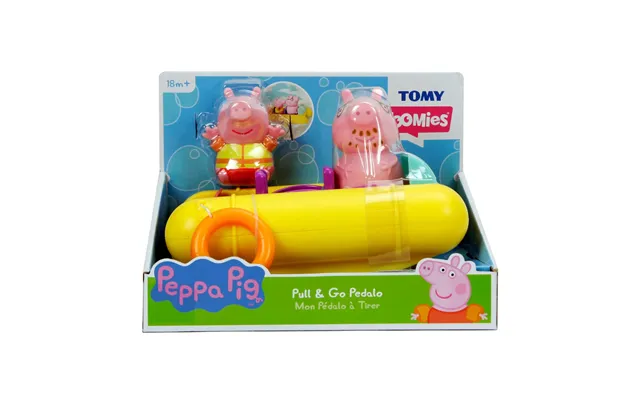
Bath boats are all about floatability, safety, and easy cleaning. Chunky shapes, smooth edges, and drainable designs are your best friends here. Some come with detachable cups or pouring spouts for sensory fun, while others light up or make gentle sounds. A sweet spot is a boat roughly 6 to 10 inches long—big enough to grip, small enough to maneuver in the tub without knocking over every bottle on the ledge.
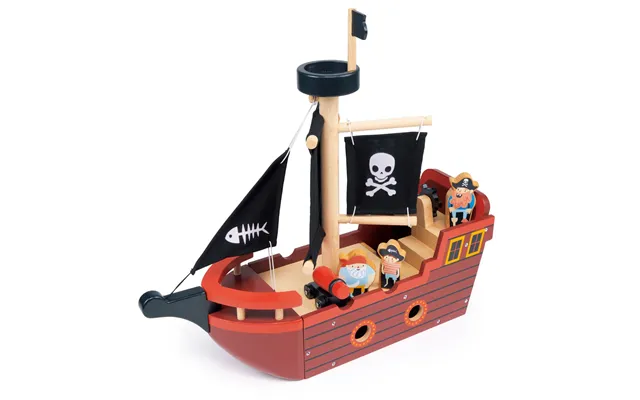
Pirate ship toys tend to be the kings of imagination. Expect masts, sails, cannons (sometimes foam-safe), and plenty of deck space for figures. Many sets float, but some are designed mainly for tabletop play. If water play is your plan, look for sturdy hulls with minimal open seams and secure joints. Bonus points if the kit includes a rowboat, a treasure chest, or a “trap door” feature that gets kids giggling.
Rescue themes are perfect for kids who love missions. These boats often include bright colors, working winches, detachable life rings, and cabins with controls. When a product page mentions “pool-ready,” double-check the size (10 to 16 inches tends to feel substantial without being cumbersome) and the stability. A wider beam (the width of the boat) helps stop tippy behavior when kids lean in with their hands.
Sailboats teach wind, direction, and patience. In calm water—like a wide sink or a kiddie pool—they’re a gentle way to learn cause and effect: angle the sail, watch the hull respond. Wind-up boats are great for smaller kids who love the simple “twist and go” ritual. If your child is fascinated by how things move, these are a fantastic gateway to STEM thinking.
There’s something wonderfully honest about tugboats. They’re built to push, pull, and do a job. Many tugboat toys are extra stable and feature rounded lines that make them bath-friendly. If imaginative play is the goal, look for removable cargo, tow lines, or click-on accessories that transform the story from harbor work to rescue op in a snap.
Construction sets that include boats deliver double fun: build mode and play mode. Some float, some don’t, so check the description carefully. For younger builders, larger bricks are easier to handle. For older kids, more detailed builds with working hatches, cranes, or mini submersibles add plenty of replay value.
Die-cast boats, usually smaller in size, are awesome for display and compact play. They’re often more about detailing than splash time, so confirm whether they’re floatable if water play is on the agenda. That said, they’re great for kids who love to line up fleets, compare shapes, and learn about different boat types.
Scanning a toy boats price list without checking the specs is like choosing a car by color alone. Yes, price matters—but the right features will make or break the play experience. Here’s how to shop smarter.
Think in inches and where the boat will live. A 6 to 10 inch bath boat is comfy for small hands and easy to rinse. For pool or pond play, 12 to 18 inches gives you a good balance of presence and control. Oversized boats around 20 to 24 inches can feel epic, but make sure you’ve got the space and a properly supervised area.
ABS-style plastics handle bumps well and usually float nicely. Silicone accents and rubberized edges help prevent tub dings. Wood boats look beautiful and can be surprisingly sturdy, but pick sealed finishes if they’re going near water. Metal components boost realism on display pieces, though they’ll need extra drying attention after watery adventures.
Match the boat to the water. Bath boats should be smooth, drainable, and mold-resistant. Pool boats can be a little bigger and faster, with stable hulls that turn tight without flipping. For ponds, think visibility (bright colors are easier to spot), retrieval options (a floating line or a buddy boat), and rules—keep to calm, clean water and supervised areas.
RCs either use replaceable batteries or rechargeable packs. Replaceables are convenient for quick swaps; rechargeables often deliver stronger performance. If a listing mentions run time, remember it varies with speed, water conditions, and how often the throttle gets slammed. A spare pack is a great “no tears” investment.
RC range should match your play space. For backyard pools, a range of a few dozen feet is plenty. Bigger water? You’ll want more range, but keep the boat where it’s trackable and recoverable. Speed-wise, beginner-friendly boats may cruise steadily, while performance boats can hit sporty miles per hour. If your child is learning, slower is safer and way less frustrating.
Nothing ends a session faster than a boat stuck upside down in the middle of the pool. Self-righting hulls are a lifesaver for new captains. Look for wide beams, low centers of gravity, and splash guards that keep water out during sharp turns. Want a simple test at home? Give the boat a gentle side push in a sink filled a few inches—watch how it resists tipping.
Always check age guidance and watch out for small parts on sets meant for older kids. In water, adult supervision is non-negotiable—no exceptions. For bath toys, sealed seams and easy-to-clean surfaces keep things hygienic. For RC boats, teach a quick pre-flight ritual: check the hatch seal, power off before handling, and keep fingers away from props.
Accessories can transform a simple float into a whole adventure. Think tug lines, rescue baskets, figures that can swap seats, light-up features, or sound effects. In building sets, look for working cranes, detachable dinghies, or sub compartments. More play points equals more ways to invent stories.
Different ages, different play needs. Here’s a quick, sanity-saving guide to matching boats with kids’ stages so you get smiles, not stress.
Chunky bath boats with soft curves are the move. Look for boats about 6 to 8 inches with easy-grip handles or pouring features. Drain holes that actually drain (and open parts that truly dry) help you avoid the mold monster. Skip tiny accessories and go big on bright colors and friendly faces.
At this age, pretend play blossoms. Simple wind-up boats, floating tugboats with tow hooks, and basic rescue themes are massive hits. If you pick a larger bath boat—say around 9 to 12 inches—it can carry figurines and “cargo” cups without sinking the fun.
Bring on the pirate ships, fire and rescue boats, and harbor playsets. If it floats and includes a few mission tools, you’ll get hours of play. Entry-level RC boats are also possible here—just keep speeds modest and controls forgiving. A self-righting hull is your secret weapon.
Now we’re talking RC finesse, more complex builds, and higher-detail models. Consider boats in the 14 to 24 inch range for bigger thrills. Features like trim control, proportional steering, and improved waterproofing will make them feel like pros in no time.
If you want a project that grows with your crew, look at advanced RC boats or detailed build-and-display kits. These can be weekend events: charge packs, pick a route, agree on “boat rules,” and film epic races from the pool edge. It’s screen-free excitement with bragging rights.
RC boats look similar at first glance, but small spec differences create huge gaps in performance and durability. Here’s how to separate the champs from the chumps.
Brushed motors are simpler and usually more budget-friendly—great for beginners. Brushless motors offer more punch and efficiency, making them perfect for speed fans. If your captain is new, start with a brushed boat that emphasizes stability over top speed and upgrade later.
V-hulls track straight and handle chop well, making them a solid all-rounder. Catamarans with twin hulls tend to be fast and stable in turns, while hydroplanes can feel lightning-quick on smooth water but need finesse. Choose based on your water: pools and calm ponds are cat and hydroplane heaven; if conditions vary, a V-hull is a safe bet.
Even “waterproof” boats need care. After each run, open the hatch, dry the compartments, and check for trapped droplets around seals and connectors. A light wipe and air dry go a long way. Treat it like a real mini vessel and it’ll reward you with smoother sailing next time.
Modern digital controllers handle multiple boats nearby without cross-talk, which is huge for family races. Always test range in a safe space first. Keep the boat within sight and within a comfortable rescue distance—you want the fun, not the swim.
Bath boats are simple joys, but a tiny design tweak can make them either wonderful or “why is this always full of water?” Here’s how to get bath-time wins consistently.
Look for hulls with big, obvious drainage paths. If parts detach, they should reattach firmly and leave no weird crevices. After bath time, rinse with clean water, shake vigorously, and let them air dry on a rack. If a boat stays soggy for hours, it’s not the right design.
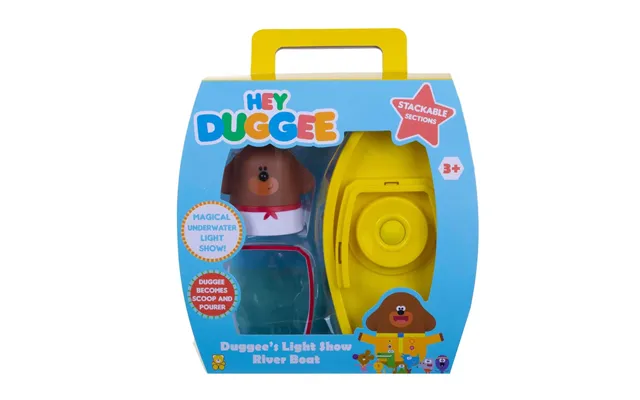
Two-in-one boats that serve as scoops or pourers make bath time feel like water lab meets story hour. Light-up boats are a mesmerizing touch, just check that seals are robust and the battery compartment stays dry even when kids get splash-happy.
Not all sets are created equal. The best ones balance sturdy builds with interactive features that kick-start stories.
Good pirate sets include more than a ship. Think rowboats, islands, and a few quirky accessories. Doors that open, masts that swivel, and secret compartments bring the “aha!” moments. If it floats, confirm the hull’s stability so the treasure arrives in one piece.
Harbor sets shine when they include cranes, docks, and cargo that actually connects. Tugboats with functional tow points add endless possibilities. With these, kids practice planning and sequencing—sneaky learning wrapped in play.
Rescue and coast themes line up beautifully with basic STEM ideas: problem-solving, cause and effect, and simple mechanics. Boats with working winches or lights encourage kids to test, iterate, and narrate. It’s hands-on learning that feels like a blockbuster.
Price tags can be deceiving. A low price on a flimsy boat is no bargain, and a premium model that outlasts three cheapies ends up the smarter buy. Use trusted comparison platforms to line up specs, filter by type (RC, bath, playset), and check genuine user feedback before you hit “buy.”
Pay attention to size in inches, hull design, waterproofing, and warranty. If a mid-priced RC includes a self-righting hull and a decent controller, it may outperform a pricier model with fewer practical features.
Some boats ship as full bundles (boat, controller, battery, charger), while others require add-ons. Factor in the cost of spare packs, chargers, and extras like stands or display cases if you’re aiming for shelf-worthy setups.
Warranty length and responsiveness matter, especially for electronics. Scan ratings and reviews with a critical eye—look for mentions of waterproofing, run time, and how the boat handles after a few weeks, not just day-one excitement.
Toy boats often peak in warmer months, but deals pop up year-round. Sales windows before holidays or during end-of-season clearances can deliver excellent value. Set alerts, compare across retailers via a comparison site, and pounce when the price dips on your short list.
A toy boats price list is a snapshot, not the whole story. It shows the numbers, but not the play value hiding behind hull shapes, materials, and accessories. Before you commit, visualize the real use: bathtub or backyard pool? Gentle laps or zippy races? Solo play or siblings competing? Answer those and the best value usually reveals itself.
Features like drainable construction, self-righting design, and robust hatches aren’t always front and center on a price list, but they’re the “invisible” factors that separate winners from regrets. If you’re on the fence between two similar boats, the one with the smarter engineering usually wins.
Take care of your boat and it will take care of the fun. A few simple habits make a huge difference in longevity and performance.
After water play, give boats a quick rinse, especially if they touched anything that wasn’t tap water. Remove hatches, shake out droplets, and let everything air dry thoroughly. For bath boats, a once-over with a soft cloth and some air time on a rack keeps them fresh.
For RC boats, follow the charger’s instructions, avoid overcharging, and store batteries in a cool, dry place. If the boat feels warm after a hard run, let it rest before charging. Treat batteries with the same respect you’d give a power tool.
Always supervise kids around water—no compromises. Keep boats within a safe, retrievable distance. Avoid wildlife areas and steer clear of crowds. If you do venture beyond the pool, bring a long-handled net or a retrieval plan so a stalled boat doesn’t end in an unwanted swim.
When you compare across categories, patterns pop up. RC specialists focus on speed, control, and waterproofing. Bath-toy leaders prioritize easy cleaning and durability. Building set makers obsess over modular play and detail. Cross-check a few favorites, read real-world feedback, and you’ll quickly see which niches each brand owns.
Budget boats can be brilliant if you manage expectations. For bath time, simple floaters with pour features are fail-safe. For RC on a budget, look for steady cruisers that prioritize stability over headline speeds. If a boat promises the moon for pennies, read reviews carefully before you bite.
This tier often hits the sweet spot: stronger materials, better sealing, and thoughtful extras like stands or spare props. If you want a boat that feels substantial without going all-in, mid-range options are where the magic often lives.
Premium boats justify their price with speed, precision control, and lasting components. They’re perfect for families who want a “wow” centerpiece or hobbyists who geek out over hull tuning and race lines. If you’re investing here, take a little extra time to compare specs and avoid impulse buys.
Choosing the best toy boat is less about chasing the lowest price and more about matching the boat to your water, your crew, and your play style. Bath boats should be drainable and durable. RC boats should be stable, recoverable, and right-sized for your space. Playsets should spark stories every time they touch the water. Use a trusted comparison approach, line up features side by side, and pay attention to those quiet details—self-righting hulls, smart sealing, and thoughtful accessories. Do that, and you’ll land a toy boat that transforms ordinary water into a world of awesome, again and again.