All categories
Business & Offices
Electronics & Media
Fashion & Accessories
Groceries & Essentials
Health & Personal Care
Home & Living
Kids & Family
Sports & Outdoors
Search in ZoneOffer
Loading...
If you’re feeding cattle, sheep, pigs, poultry, or horses, you’ve probably felt how fast feed bills can climb. The right bag at the right price can make the difference between a lean season and a profitable one. That’s why tracking popular offers and comparing a clear price list for livestock feed isn’t a luxury—it’s a necessity. With the UK market shifting, seasonal supply changing, and energy and protein costs moving all the time, having one place to compare options helps you buy smarter. And when you know exactly what you’re paying per pound, per bag, or per ton (2,000 lb), you’re in the driver’s seat.
Think of your feed plan like a well-serviced tractor. It doesn’t just need fuel; it needs the right blend to deliver power efficiently. The same goes for feed. Whether you’re choosing pellets for layers or a high-energy nut for finishing cattle, understanding nutrition and tracking prices can make your animals thrive and your budget breathe a sigh of relief.
For dairy cows and beef animals, feed usually revolves around a mix of forages, energy concentrates, and protein sources. Pelleted nuts, coarse mixes, rolled cereals, molasses blends, and mineral balancers are common. Dairy rations often focus on consistent energy and balanced fiber to support milk yield, while finishing rations push energy density so steers gain well. If you’re browsing offers and price lists, you’ll see feeds described as “high-energy,” “high-fiber,” “16% protein,” or “dairy long-life.” Those labels hint at the balance of energy and protein you’re paying for. The trick is to match the label to your animals’ stage and your forage quality.
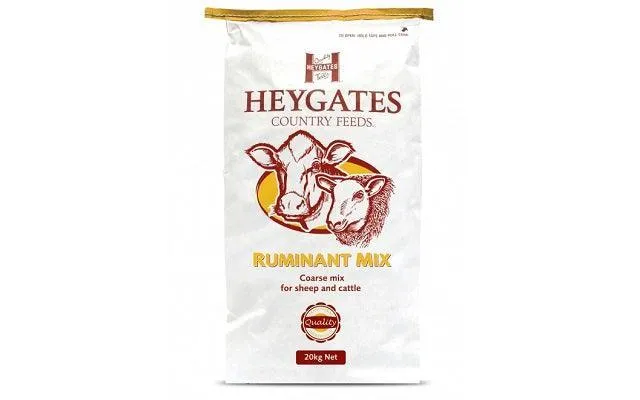
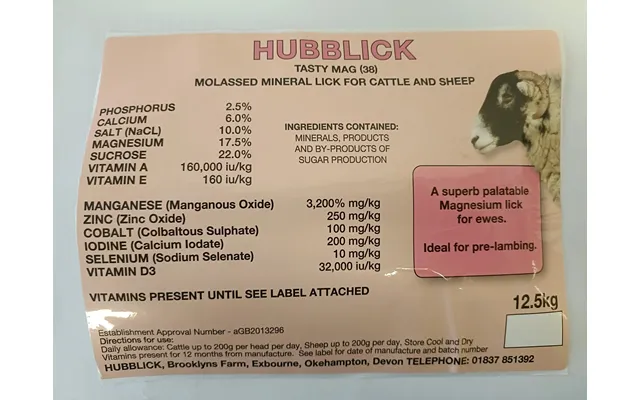
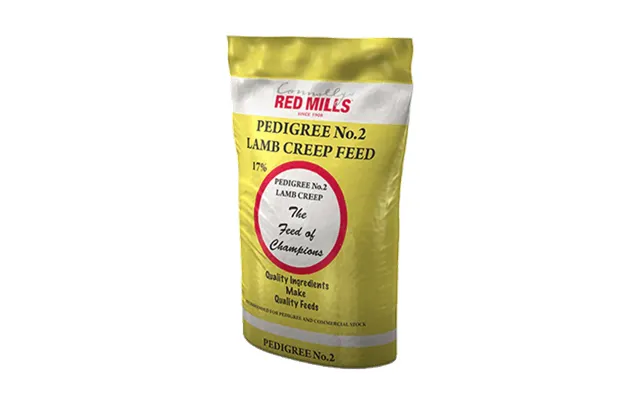
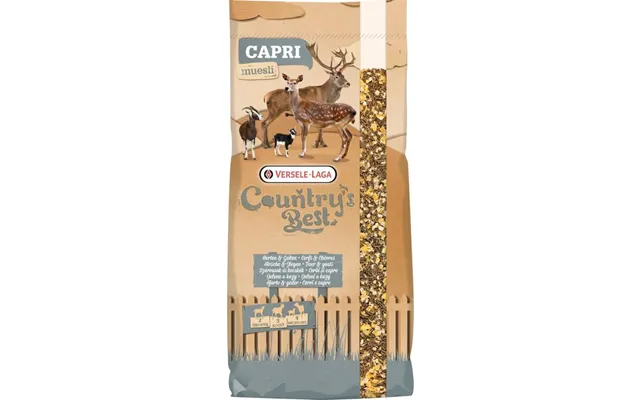
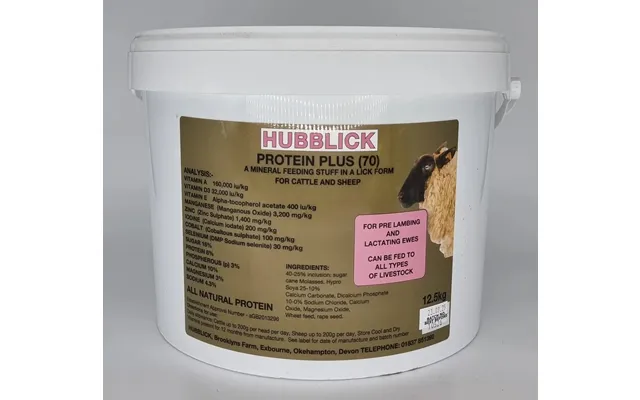
Sheep and goats need careful mineral management—especially when it comes to copper for sheep. Ewe nuts for late gestation, lamb creep feeds, and maintenance coarse mixes all show up in popular offers. Look for clean, consistent products that support rumen health, especially around lambing or when finishing lambs. Creep feeds with palatable ingredients and added yeast or buffers can help lambs transition smoothly to solids and gain efficiently. Always double-check mineral specs so you’re not overdoing trace elements.
With pigs, growth stages are everything. You’ll see creep, starter, grower, and finisher rations, often in pellets to reduce wastage. Protein levels usually step down as weight goes up, while energy remains tightly managed. Bargain-hunting? Compare cost per ton and per pound of protein so you’re not tricked by a low sticker price on a low-spec feed. Extra value can come from rations fortified with enzymes and probiotics that improve nutrient uptake and keep a steadier gut.
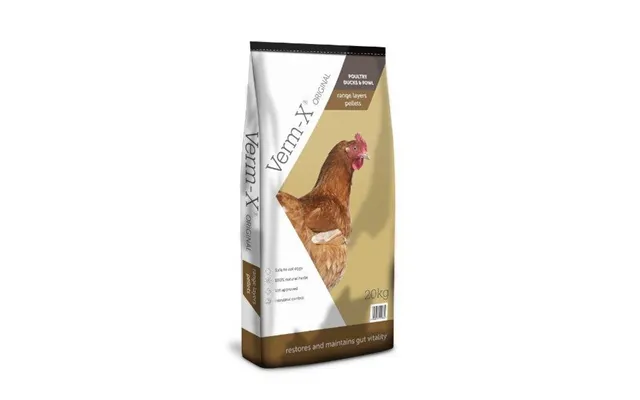
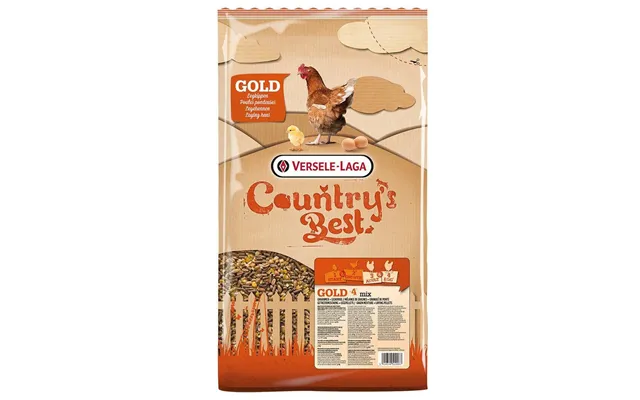
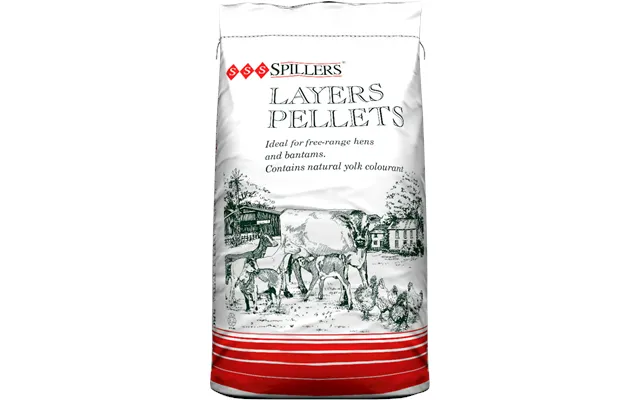
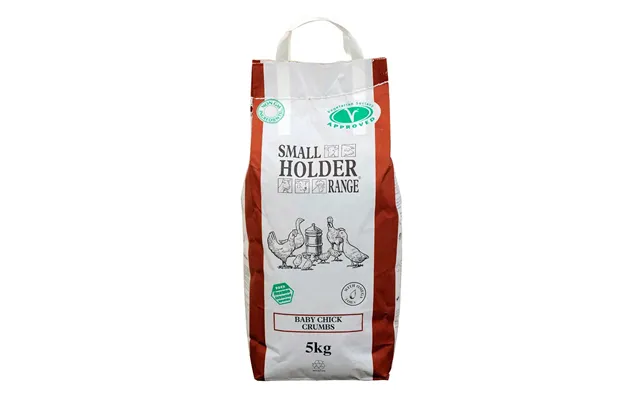
For chickens and other poultry, pellets and crumbs avoid selective feeding and keep performance consistent. Layer pellets balance calcium and protein for strong shells and steady lay. Broiler crumbs or pellets ramp up energy and amino acids to drive growth. Starter feeds for chicks are usually crumbles for easy pecking. Keep an eye on linseed oil or fish oil additions for omega-3, and watch the calcium levels if you’re mixing flocks—birds not in lay don’t need layer-level calcium.
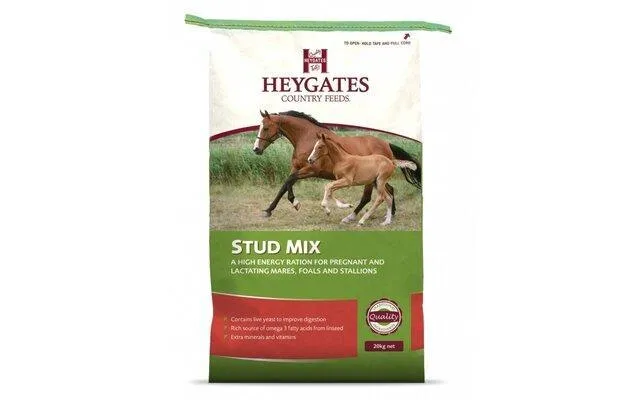
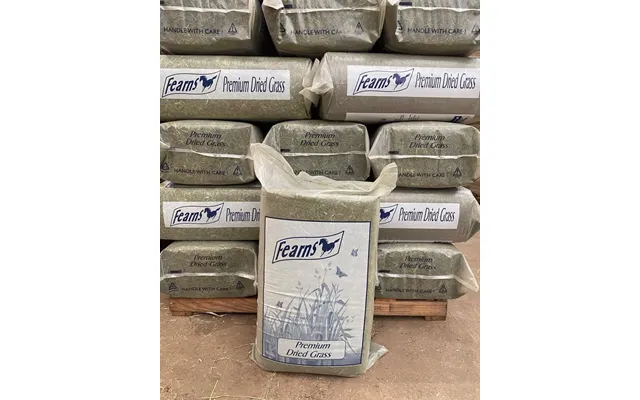
Horses are grazing machines. Most need quality hay first, then the right balance of concentrates and balancers to fill nutrient gaps. You’ll find cool mixes for hot-headed types, conditioning cubes for weight gain, and low-starch options for sensitive animals. When comparing products, think in pounds fed per day, not just bag price. A premium balancer might look costly up front but deliver better value if the feeding rate is low and the micronutrient pack is robust.
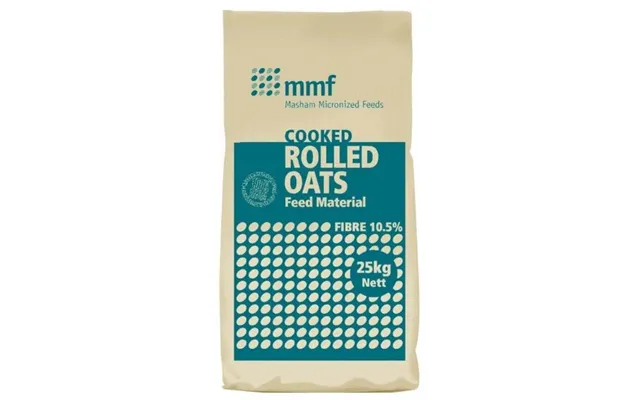
Energy is the engine. In most feeds, it’s coming from cereals like maize and barley, plus digestible fiber and sometimes added fat. When prices swing, energy sources are often the culprit. If a feed boasts high energy, look for consistent grains, clean molasses, and oils that don’t turn rancid quickly. For ruminants, balance is key: too much fast starch can rumble the rumen. For monogastrics like pigs and poultry, energy density directly fuels growth.
Protein makes muscle, milk, and eggs. Soybean meal is a classic, often backed up by rapeseed meal, sunflower meal, or distillers’ grains. Watch for amino acid specs in pig and poultry feeds and crude protein percentages in ruminant feeds. When comparing a price list, calculate cost per pound of crude protein or, even better, cost per pound of digestible amino acids if the data is available. That’s how you find the real bargains.
For cattle, sheep, and goats, fiber isn’t just filler—it’s a rumen stabilizer. Chopped forages, beet pulp, and soya hulls can boost digestible fiber levels in compound feeds. Too little fiber and you risk acidosis; too much of the wrong fiber and you stunt energy intake. If your forage is lush, high-moisture, or low in structural fiber, a compound with better chew factor could be the difference between smooth sailing and digestive potholes.
The mineral pack is where a lot of value hides. Calcium, phosphorus, magnesium, salt, and trace minerals like zinc and selenium matter daily. You’ll also see vitamins A, D, and E, plus B-complex in some mixes. Many premium feeds add chelated minerals for better absorption. If your price comparison includes a plain grain mix versus a fortified compound, don’t ignore the micronutrients. A balanced mineral profile can cut vet bills and keep performance steady through weather swings.
Modern feeds often include extras that protect performance. Yeast cultures and probiotics can stabilize the gut. Enzymes help monogastrics unlock more nutrients from cereals. Mycotoxin binders add insurance when forage or grain quality is variable. These extras can justify a slightly higher price if they prevent dips in weight gain or milk solids. Always check if the additives used have proven data and are included at effective levels, not just sprinkled in for the label.
Bagged feed is convenient and tidy, but bulk often wins on cost if you have storage. When you look at popular offers, convert everything to a simple base—say cost per pound or cost per ton (2,000 lb). That way a 44 lb bag and a bulk delivery can be compared apples-to-apples. Remember to factor delivery fees, storage losses, and wastage. If mice or damp claim a few bags every season, the cheapest option on paper may not be the cheapest in real life.
Grain markets ebb and flow. Prices often soften after harvest and nudge up when supply tightens. If you can, plan purchases around seasonal dips and lock in a few tons when the numbers look kind. Keep a simple feed calendar, note when last year’s deals popped up, and set price alerts on a comparison site so you’re first in line when a discount drops. A well-timed pallet can shave real dollars off your annual spend.
Labels can look like alphabet soup, but they’re your best tool. Focus on crude protein, oil, fiber, ash, and key minerals. For poultry and pigs, scan for lysine and methionine. For ruminants, look for digestible fiber sources and buffering agents. If two feeds look identical but one is noticeably cheaper, flip the bag and compare the spec line by line. Sometimes you’ll spot a difference in protein source quality or a missing additive that explains the price gap.
Feed hates damp. Store bagged feed off the floor on pallets, keep it away from walls to allow airflow, and rotate stock so the oldest bag goes first. Seal open bags in bins with tight lids to defeat rodents. If you’re investing in bulk, make sure the bin is clean, dry, and truly vermin-proof. A small investment in storage can save pounds of feed and plenty of cash over a season.
Forages carry the ration. With hay, think about leaf retention and mold-free bales. For wrapped forage, check for punctures and feed out promptly after opening. If you use silage additives or bale inoculants, buy them in the right format for your operation and store them cool and dry. Molasses can boost palatability and energy but needs sealed containers and tidy handling to avoid sticky waste and unwanted visitors.
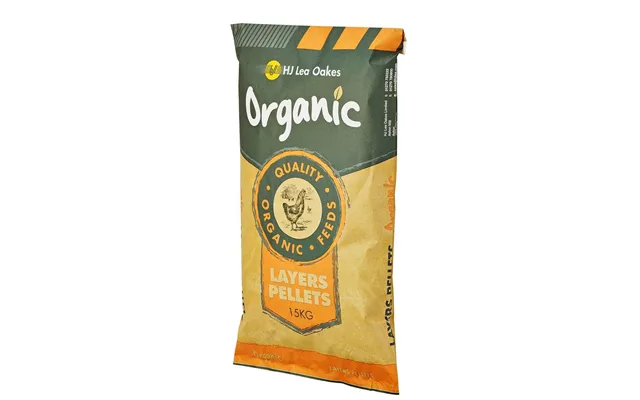
If your market or personal values point you toward non-GMO or certified organic feed, expect a higher price tag. The key is to compare not just the cost per bag but the performance per pound. Some farms find that birds or pigs on higher-quality formulations convert better, offsetting the initial premium. Always scrutinize certification details and ask for clear specs. A rigorous organic layer pellet, for instance, might need a lower feeding rate to deliver the same egg output.
Pasture is your lowest-cost “feed” if managed well. For ruminants, high-quality grazing supported by a mineral lick, strategic energy top-ups, and smart rotation can slash purchased feed costs. Consider lick tubs in tougher weather, protein blocks when grass is short, and targeted supplements only when forage tests say you need them. A well-managed acre can be like an interest-bearing account—put time in, and it pays you back.
More isn’t always better. If your compound feed already includes a full mineral and vitamin pack, adding a separate balancer can push levels too high, wasting money and potentially stressing animals. Keep a simple record of what’s in each bag or bulk load. When the spec changes, update your plan so you’re not stacking extras out of habit.
A sudden feed change can knock animals off feed or upset the gut. That slump costs you in lost gain, uneven eggs, or poor milk flow. Transition gradually over a week, mixing increasing amounts of the new feed into the old. Yes, it takes a little patience, but your animals’ guts will thank you—and your bottom line will, too.
Imagine a cow on good forage needing a moderate concentrate. You might feed 12 lb of a 16% protein dairy nut, plus free-choice minerals if the nut isn’t fully fortified. If your price list shows that nut at $440 per ton, that’s $0.22 per pound. At 12 lb per day, concentrate costs about $2.64 daily before forage. Small savings per pound add up fast across a herd.
A broiler might start on a high-protein crumble, then shift to a grower pellet. If your starter is $560 per ton and your grower is $500 per ton, timing the switch right can save money without slowing growth. Keep an eye on weight and feathering, and transition when birds hit your target rather than by the calendar alone. Clean water and steady lighting schedule usually return more than squeezing an extra day on a cheaper feed.
For twin-bearing ewes on average hay, a palatable ewe nut with boosted energy can fill the gap. If the label offers yeast and a solid mineral pack, that’s a plus. Calculate cost per head per day in pounds fed, and match it to body condition scoring. It’s often cheaper to feed a little more at the right time than to play catch-up after lambing.
Comparing feeds works best when you can filter by species, protein level, format (pellets, crumbs, mash), and additives. Price alerts and saved searches cut the legwork so you spot deals quickly. On a comparison site like ZoneOffer, you can line up similar products and see which one gives you the best cost per pound for the spec you actually need. It’s a simple way to turn a long price list into a focused short list.
Freight matters. A great feed at a fair price can become expensive if it travels too far. When you compare, consider regional suppliers with solid reputations. Read product pages closely, look for consistent specs, and check if delivery charges vary by county or minimum order weight. Sometimes the best “deal” is the one that arrives fresh, on time, and with no hidden add-ons.
Animals waste less when routines are steady. Keep feeding times consistent, ensure waterers flow freely, and adjust feeders so there’s minimal spillage. For poultry, proper feeder height reduces scratch-out. For cattle and sheep, bunk space and calm handling prevent dominant animals from gobbling the lion’s share while timid ones fall behind. These simple tweaks often pay for themselves faster than chasing another tiny discount.
You can’t manage what you don’t measure. If you’re serious about savings, get your hay or silage analyzed and use those numbers to choose a feed that fills the exact gaps. When forage is better than you think, you can buy a leaner, cheaper concentrate. When it’s lower on energy or protein, you’ll avoid performance dips by stepping up smartly instead of feeding blind.
Livestock feed isn’t just another farm purchase; it’s the backbone of animal health and farm profit. If you understand the ingredients, compare clear specs, convert everything into cost per pound or per ton, and buy when offers peak, you’ll feed better for less. Don’t let a flashy label or a rock-bottom price fool you—go by the numbers, the nutrition, and the needs of your animals today. With a good comparison site at your fingertips and a sharp eye for timing, you’ll turn a simple price list into a season-long strategy that works in the barn and on the books.
| Livestock Feed | Price | |
|---|---|---|
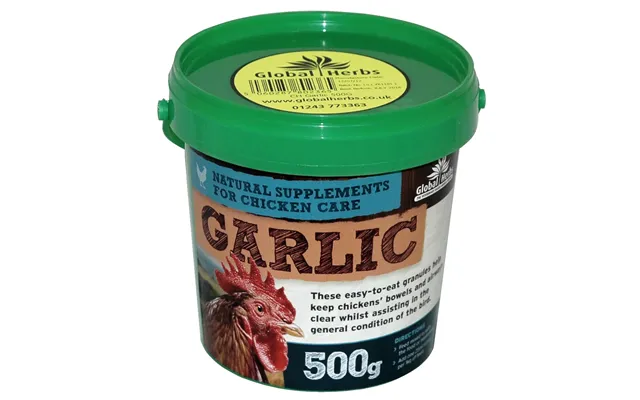
| Chicken Garlic 500g - Global Herbs | £ 6,50 | |
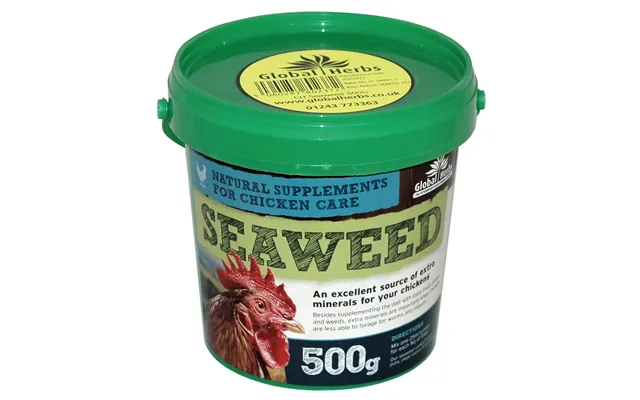
| Chicken Seaweed 500g - Global Herbs | £ 9,50 | |
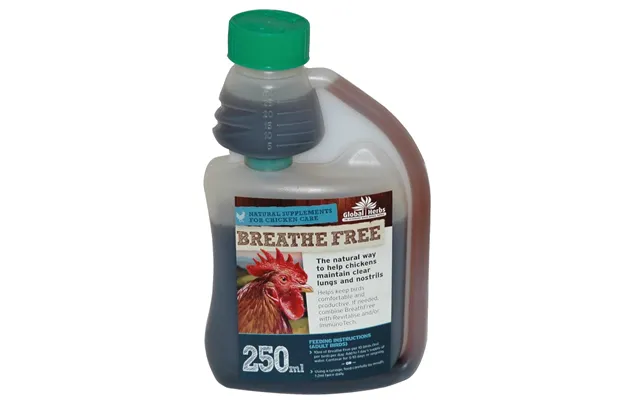
| Breathefree 250ml - For Chickens | £ 10,99 | |
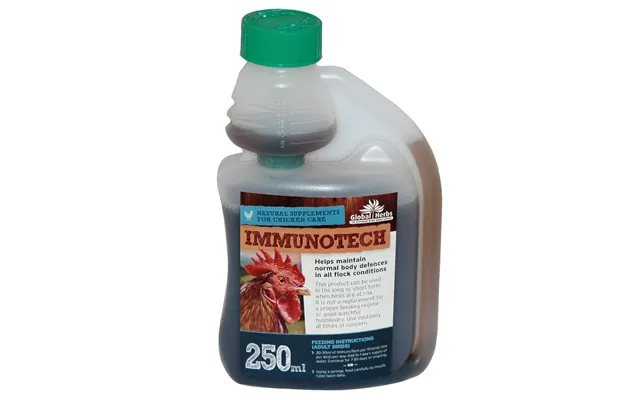
| Immunotech 250ml - For Chickens | £ 10,99 | |
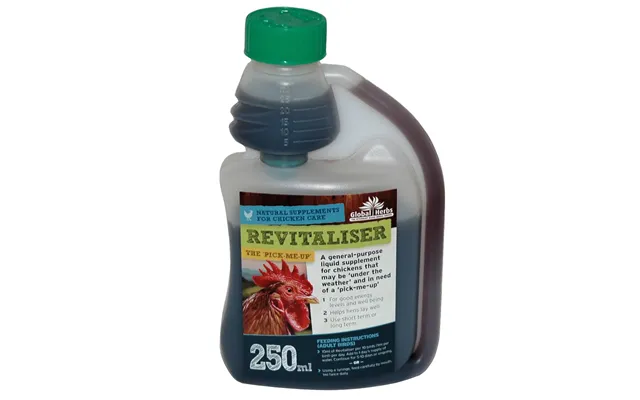
| Revitaliser 250ml - For Chickens | £ 11,50 | |
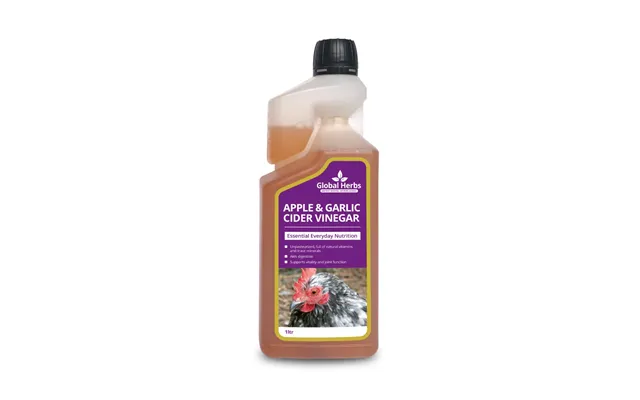
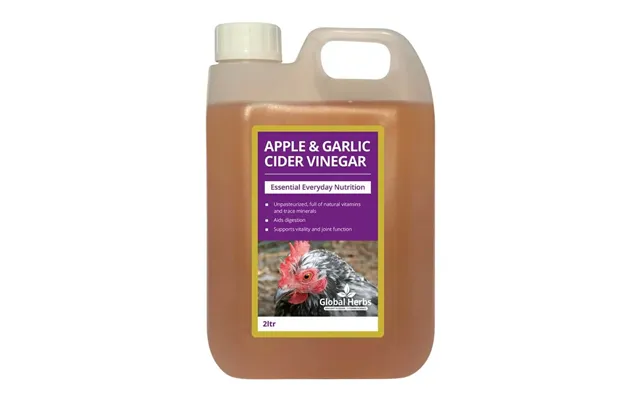
| Apple Garlic Cider Vinegar - For Chickens | £ 12,99 | |
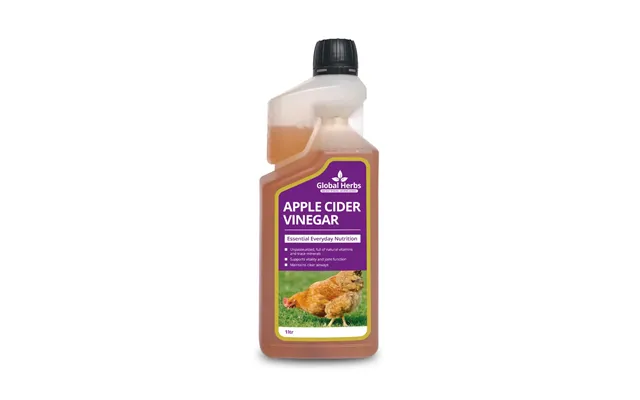
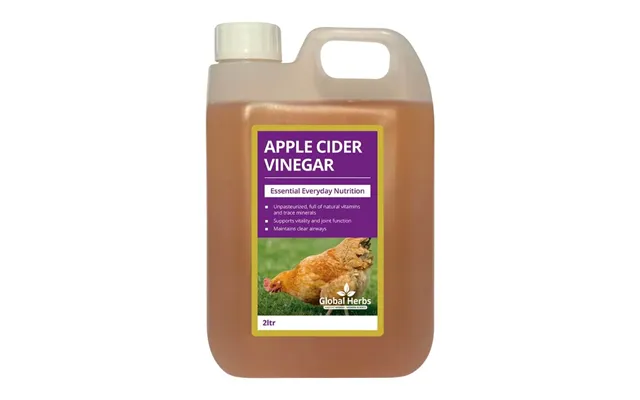
| Apple Cider Vinegar - For Chickens | £ 12,99 | |
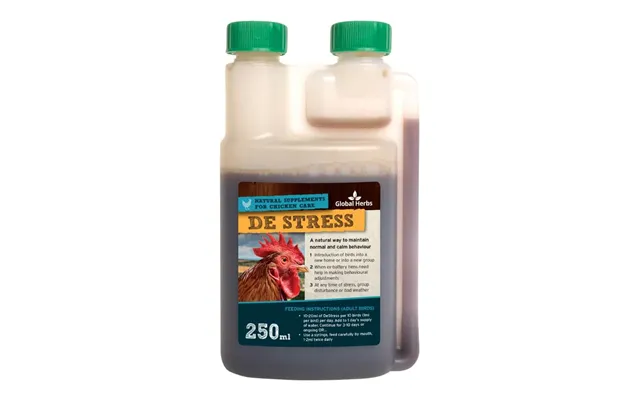
| Destress 250ml - For Chickens | £ 13,99 | |
| Apple Garlic Cider Vinegar - For Chickens | £ 23,50 | |
| Apple Cider Vinegar - For Chickens | £ 23,50 |