All categories
Business & Offices
Electronics & Media
Fashion & Accessories
Groceries & Essentials
Health & Personal Care
Home & Living
Kids & Family
Sports & Outdoors
Search in ZoneOffer
Loading...
Running a food stall, café kiosk, or event concession stands and falls on one unglamorous hero: your food containers. Get them right, and service feels seamless, portions look generous, and customers walk off smiling. Get them wrong, and you’re chasing leaks, soggy bases, and lids that pop off at the worst moment. If you’re eyeing the latest popular offers on concession food containers or comparing a detailed price list, you’re in the right place. This guide breaks down types, materials, sizes, and cost-saving tricks—so you can stock up with confidence and never compromise on presentation or performance.
Concession food containers are disposable or semi-disposable packages designed for fast-paced, grab-and-go service. Think paper food boats for fries and wings, hinged clamshells for burgers and loaded fries, soup tubs with tight-fitting lids, nacho trays with dip wells, and sturdy cups for shakes and lemonades. They’re built for speed and consistency—easy to stack, quick to open, and reliable enough to survive a busy service rush, a short walk through a park, or a ride-share delivery to a customer across town.
Why all the fuss about packaging? Because containers shape customer experience. A great portion cup keeps sauces contained. A well-vented lid prevents steam from turning crispy chicken into a soggy regret. The right size maximizes margins by making portions look abundant without overfilling. And the right material supports your sustainability goals. In short, concession food containers protect your food, your reputation, and your bottom line—three things worth taking seriously.
In the UK, popular offers on concession food containers tend to rotate around the turning of the seasons—think summer festivals, holiday markets, and sports schedules. Bulk deals are common, and price tiers often reward larger volumes. Expect competitive pricing on high-demand staples like 8 oz to 16 oz paper cups, 9 in clamshell boxes, and 1 to 2 oz portion pots. Retailers and wholesalers frequently push mixed pallets or combo cases that include bases and matching lids—handy when you’re streamlining ordering. Want a fast snapshot of the market? A good Concession Food Containers price list will show price breaks at logical case increments and flag promo bundles so you can compare at a glance.
Comparing offers isn’t just about the sticker price. Calculate cost-per-unit, check whether lids are included, and confirm material thickness and temperature tolerance. If you use a comparison platform like ZoneOffer, you can stack offers side by side from multiple retailers and keep your eye on live discounts without treating the platform like a store. When you see a tempting bundle, ask: Does it include the lid I need? Is the sizing right? Will it fit my cup holder racks, warming shelves, or delivery bags? A few minutes of cross-checking can save you hours of frustration later.
Timing matters. Stock up on cold-cup deals before spring and on soup tubs, foil trays, and insulated containers before late autumn. For event-heavy months, plan your bulk order early and look for free storage or staged deliveries from suppliers. Bonus tip: mix case sizes. Many vendors run through 12 oz cups faster than 20 oz, and portion cups can evaporate during busy sauce-heavy weeks. Balancing your cart with realistic consumption patterns keeps cash flow healthy and storage tidy.
There’s no one-size-fits-all solution. Your ideal lineup might include paper food boats for dry foods, clamshells for mains, soup tubs for hot and cold liquids, nacho trays for snacks, foil pans for oven-to-counter service, and portion pots for dips and samples. Let’s break down the standouts.
Paper boats are the backbone of street food—lightweight, stackable, and quick to load. They’re perfect for fries, nuggets, churros, pretzels, and sliders. Look for grease-resistant lining and a firm rim that won’t collapse when customers add sauces. For upsized portions, choose boats with reinforced bases. Pair these with napkins and small portion cups clipped or nested inside for a neat, upsell-friendly presentation.
Clamshells are the go-to for burgers, loaded fries, waffles, and combo meals. You’ll find them in bagasse (sugarcane fiber), paperboard, and foam. Bagasse clamshells strike a sweet balance: sturdy, heat-tolerant, and comfortable to hold. Foam versions are incredibly insulative and budget-friendly, though some operators prefer fiber-based options for a more natural look. Aim for popular sizes around 8 in to 9 in for single mains; multi-compartment versions help keep sides crisp and sauces contained.
From ramen to chili to overnight oats, tubs with secure lids keep liquids in check. Common sweet spots include 8 oz for sides, 12 oz to 16 oz for standard servings, and 24 oz to 32 oz for hearty meals. Check for double-walled paper or insulated liners for hot fills, and choose lids that resist warping. Vented lids help release steam from piping-hot soups, while tight-seal lids without vents are better for cold, saucy dishes.
Snack trays do a lot of heavy lifting at stadiums and fairs. A good nacho tray includes a dedicated dip well that fits a 1 oz or 2 oz portion perfectly. Hot dog trays should be rigid enough to support a fully loaded dog without bending—look for ribbed bases and tall sides. For pretzels, flat trays with light texturing help reduce sticking, and a small well for cheese or mustard is a nice touch when space allows.
Cold cups turn into brand billboards at outdoor events, while portion pots keep your counters clean and your costs predictable. Standard cold cup sizes like 12 oz, 16 oz, and 20 oz cover most drinks. For sauces and sides, 1 oz, 1.5 oz, and 2 oz pots are the workhorses. If you do delivery, prioritize snap-tight lids with clear tops so customers can quickly identify dips without opening them and risking spills.
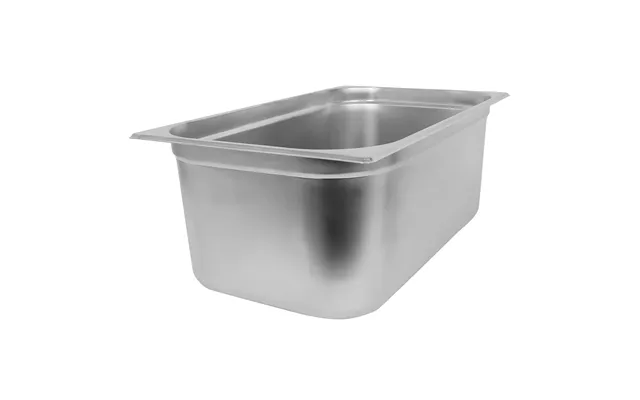
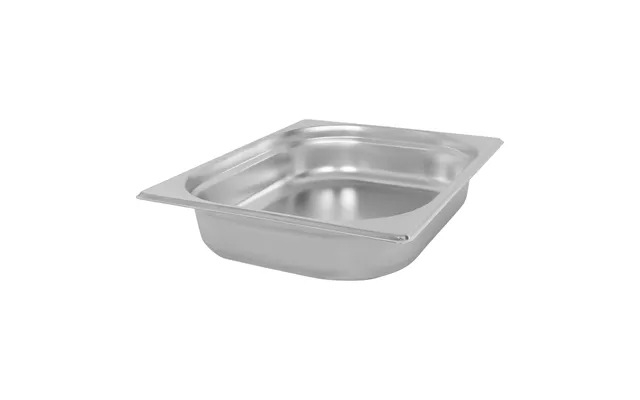
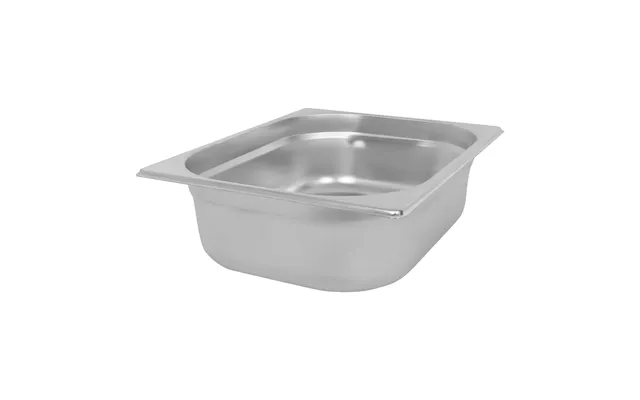
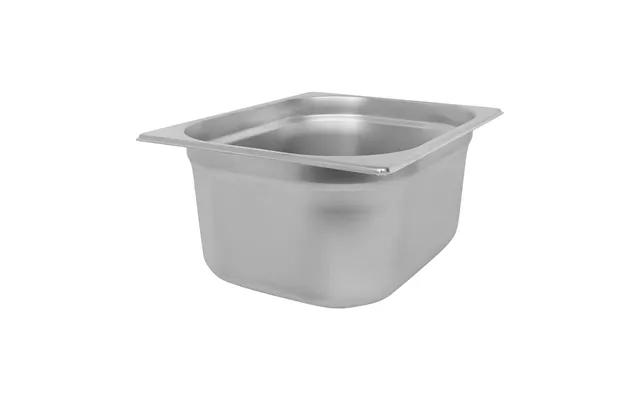
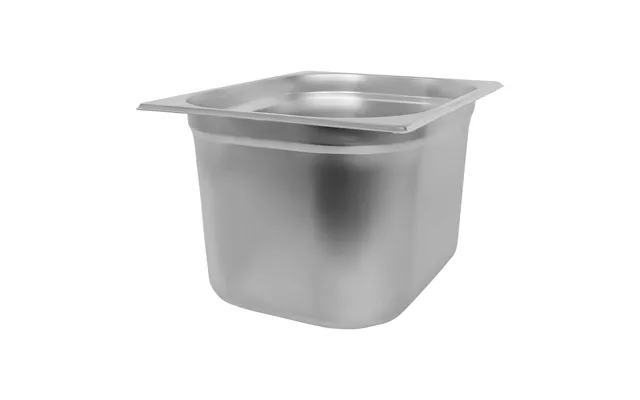
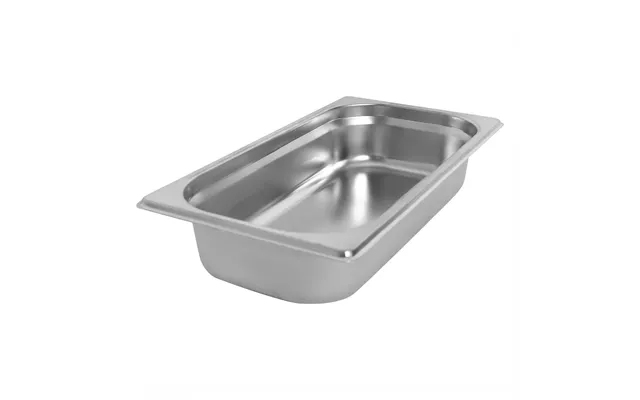
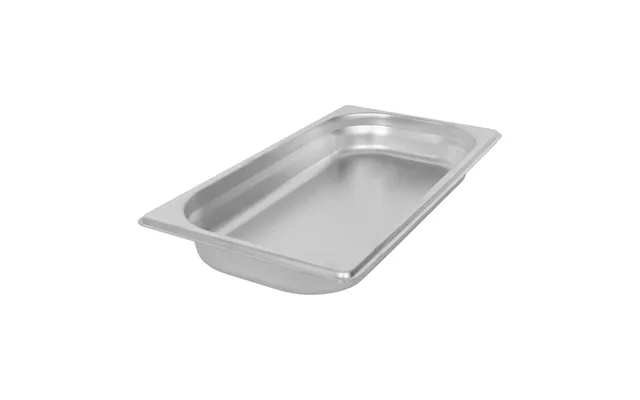
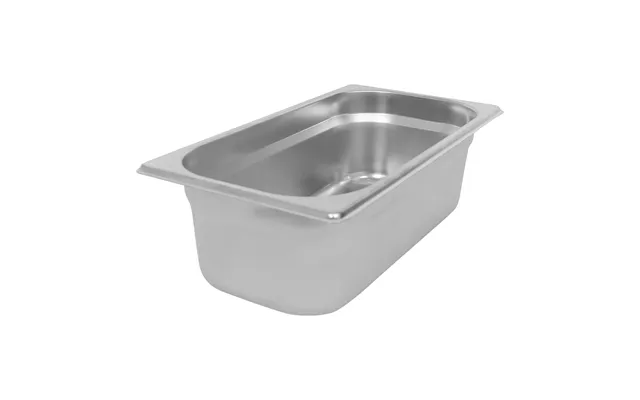
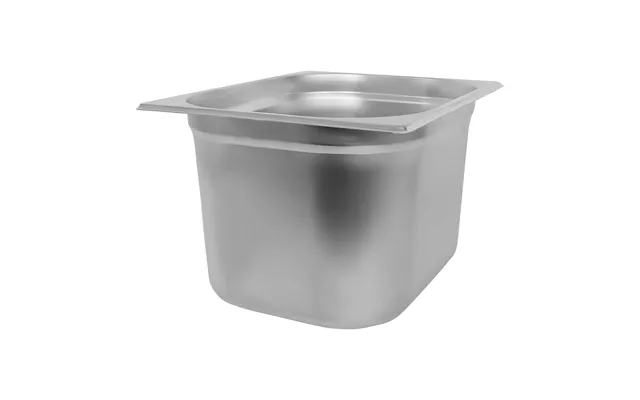
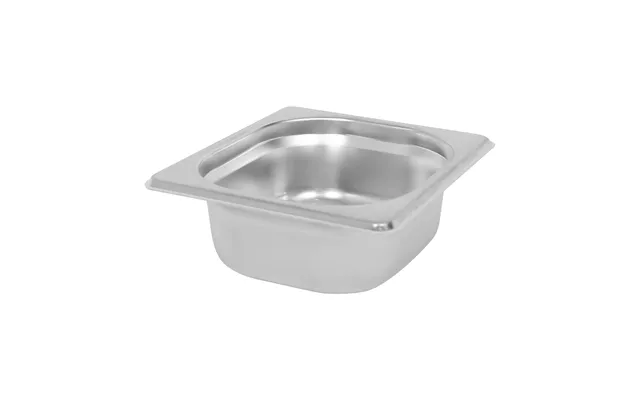
Foil pans shine for baked dishes, loaded fries, mac ’n’ cheese, and anything that benefits from a quick oven finish. The big advantages? Even heating and strong, stackable structure. Add foil or board lids for heat retention. For sauces or melty toppings, shallow pans work best; for layered dishes, go slightly deeper. They’re also a solid option for pre-prepped event catering when you need to reheat and serve fast.
Choosing the right material is part performance, part brand story, and part budget. Here’s how the big categories compare in the real world of concession service.
Paper boats, tubs, and boxes deliver a clean, familiar look and often feature grease-resistant lining. They’re comfortable to hold with hot foods and can be printed edge-to-edge for vibrant branding. Downsides? They can soften with heavy sauces if not lined properly, and lids aren’t always as secure as plastic options. For dry or moderately saucy items, they’re an easy win. For soup and ramen, pick heavier-gauge paper with snug-fitting lids.
Bagasse (sugarcane fiber) clamshells and trays are popular for good reason: they’re tough, heat-friendly, and feel premium in hand. They hold up well with hot sandwiches, crispy chicken, tacos, and loaded fries. Some versions include a subtle coating to improve moisture resistance. The main trade-off is that lids may be fiber-on-fiber or require compatible plastic lids for a perfect seal. If you’re aiming for a natural aesthetic with strong performance, bagasse hits the mark.
PET (clear plastic) showcases your food with crystal clarity—great for salads, parfaits, fruit cups, and cold desserts. PP (polypropylene) handles heat better and often pairs with microwave-safe applications, making it useful for hot sides or reheat-at-home meals. Polystyrene foam dominates in insulation and value pricing, especially for hot mains and drinks. Foam keeps food warm longer and stays cool to the touch, though presentation is more utilitarian. Your menu and service model will decide which plastic, if any, is the best fit.
Buying containers only by “small, medium, large” can backfire. Match sizes to real-world portions so your servings look generous without creeping costs. Here’s a practical cheat sheet you can tweak to your menu.
For drinks, 12 oz hits everyday sodas and lemonades, 16 oz fits tall orders, and 20 oz works for premium shakes. For soups and noodle dishes, 8 oz covers sides, 12 oz to 16 oz are standard mains, and 24 oz to 32 oz handle hearty, broth-forward bowls. Remember: the heavier the fill, the tighter the lid you need—especially for delivery.
For mains, 8 in to 9 in clamshells cover most burger-and-fries, wrap-and-salad, or waffle-and-topping combos. If you rely on compartments, choose a layout that matches your menu flow: one large well for the star of the show, one medium for a side, and a small pocket for slaw or pickles. For pizza by the slice, flat 9 in boxes or slice trays keep toppings intact without crowding the cheese.
Lid choice can make or break a customer review. Vented or not? Dome or flat? Clear or opaque? Decide based on your menu and whether customers are eating right away or traveling 20 minutes before digging in.
Vented lids help hot foods breathe, keeping crispy items from steaming into mush. They’re fantastic for fried chicken, waffles, and pastry. Non-vented lids shine with liquids and runny sauces, where you want to lock in every drop. For soups, choose tight-fitting lids with a subtle snap; for iced drinks, dome lids handle whipped toppings and straws without crushing the crown.
If delivery or click-and-collect is part of your business, tamper-evident packaging earns trust. Look for built-in locks or adhesive seals that break cleanly. Stackability also matters—flat lids and sturdy rims keep bags tidy and drivers happy. Add absorbent liners under saucy mains to guard against condensation and surprise drips during transit.
Good packaging does more than carry food. It communicates who you are, helps customers find allergens at a glance, and keeps you on the right side of safety requirements. A little planning here goes a long way.
From a bold logo on a 16 oz cup to pattern-printed clamshells, custom packaging turns every order into a mini billboard. If you’re not ready for full custom runs, start with branded stickers or stamps on lids and sleeves. Include reheating cues for PP trays, “best enjoyed fresh” messages for crispy items, and QR codes linking to your menu or loyalty perks. Clear, concise labeling builds confidence and repeat business.
Your packaging should support safe service. Use containers that tolerate the temperatures you need—hot fills for soups, chilled use for desserts, and oven-safe for foil pans. Keep allergen labels visible and consistent across all containers, especially on portion pots and mixed platters. Provide clear separation for gluten-free or nut-free items using dedicated containers or liners. If you post a Concession Food Containers price list for team ordering, include a simple key for material type, heat tolerance, and allergen notes so staff can grab the right item under pressure.
Margins matter. The trick is to cut waste without cutting corners. With a few smart moves, you can reduce leftover stock, simplify sorting, and keep your per-order costs tight.
There’s no one perfect path—choose what fits your operation. Compostable fiber boxes and paper tubs offer a natural look and strong performance for hot foods. Clear PET cups are widely recyclable in most areas and show off cold drinks beautifully. Reusable serviceware can work at contained venues with return stations, but it’s not for every concession model. Whatever you pick, keep it consistent to simplify staff training and waste sorting.
Forecasting is your friend. Track usage by the week, not the month, and bundle portion pots with boats in pre-counted sleeves for speed. Place sauce pumps near pickup points to reduce single-use dip pots when appropriate. For combo meals, standardize on a 9 in clamshell and a 2 oz dip to keep portion costs predictable. Small changes add up fast across a busy season.
Before you pull the trigger on that flashy deal, pressure test it against your real workflow. A smart checklist now beats a pallet of mismatched lids later.
Ask for samples, then run them through your menu. Fill with hot soup. Load with greasy fries. Stack them ten high. Shake like a delivery driver on a bumpy road. Do the lids stay put? Does the base resist oil? Are the seams tidy? If you need 32 oz tubs for chili, don’t settle for 24 oz just because it’s on offer—you’ll end up overfilling and losing consistency. Only buy what passes your stress test.
A competitive Concession Food Containers price list will show clear case counts, lid compatibility, and material specs. Watch for vague terms like “fits most lids,” separate lid pricing buried in footnotes, or non-standard sizing that messes with your portioning. Do the math on cost-per-serving. Compare per-unit pricing across compatible items, not just within one brand. And when comparing popular offers via a price comparison site like ZoneOffer, remember: it’s a comparison platform, not a store, so verify seller credibility, stock levels, and lead times directly with the retailer.
Great concession food containers do more than carry food—they power your workflow, protect your margins, and elevate the dining experience from the first bite to the last. Choose materials that match your menu, sizes that flatter your portions, lids that behave under pressure, and deals that hold up under scrutiny. Keep an eye on popular offers and a clean, honest price list, and use trusted comparison tools to stay ahead of the market. With the right mix on your shelves, you’ll serve faster, waste less, and give customers a reason to come back for more.
| Concession Food Containers | Price | |
|---|---|---|
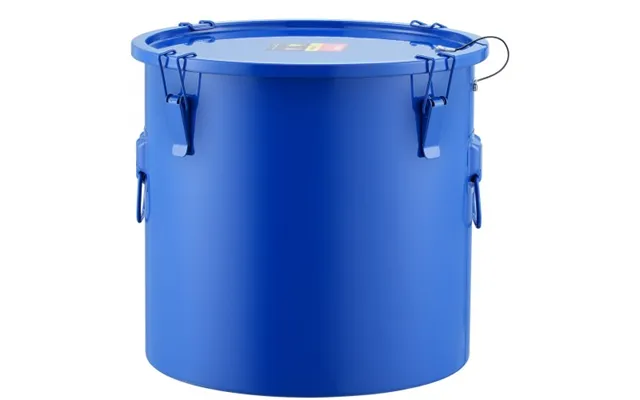
| Vevor Fryer Grease Bucket - 8 Gal Oil Disposal Caddy Carbon Steel Fryer Oil Bucket With Rust-proof Coating | £ 69,90 | |
| Vevor Fryer Grease Bucket - 10 Gal Oil Disposal Caddy Carbon Steel Fryer Oil Bucket With Rust-proof Coating | £ 75,90 |