


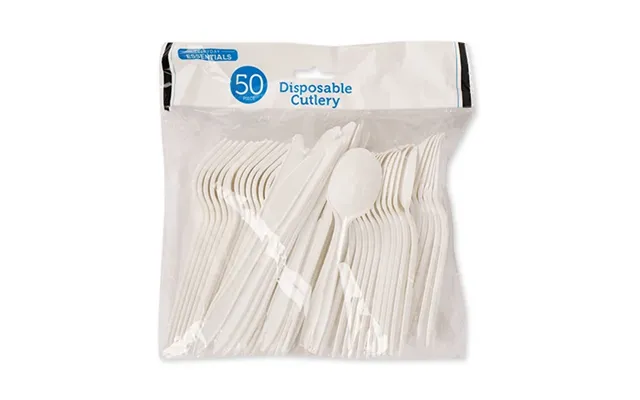
Disposable Cutlery price list
Last updated Monday, 19 Oct 2026
| Disposable Cutlery | Price |
|---|---|
| Everyday Essentials Disposable Cutlery 50 Piece | £1.29 |
| Expanding Cutlery Set | £15.99 |





Loading...
Last updated Monday, 19 Oct 2026
| Disposable Cutlery | Price |
|---|---|
| Everyday Essentials Disposable Cutlery 50 Piece | £1.29 |
| Expanding Cutlery Set | £15.99 |
Disposable cutlery is the unsung hero of food service, events, and takeaways. It keeps lines moving, saves on washing up, and helps you serve safely and quickly. Whether you run a café, a bustling catering team, or you’re planning a big wedding, picking the right forks, knives, and spoons matters more than you think.
Not all disposable cutlery is created equal. Materials, strength, heat resistance, and look vary widely. The good news? There’s a perfect option for every menu, budget, and brand style. Let’s break down the main categories you’ll see when you compare offers across the UK market.
Plastic cutlery remains a go-to for tight budgets and high-volume service. Polystyrene (PS) is stiff and sharp, great for cakes and light salads. Polypropylene (PP) is a bit more flexible and forgiving, so it won’t snap under pressure. Heavy-duty options feel sturdy in the hand and often come in 6.5 to 7.5 inch lengths for a better grip.
Looking for eco-friendly without sacrificing performance? PLA and CPLA cutlery offer a polished, modern look with solid strength. CPLA is heat-treated, so it can handle hot food, typically up to around 185°F. It’s a favourite for greener branding, especially when paired with compostable plates and bowls.
Wooden cutlery—usually birch—delivers a warm, natural feel and a surprisingly sturdy bite. It’s splinter-free, smooth, and ideal for artisan street food or rustic weddings. Bamboo options offer a premium aesthetic and impressive strength. Most pieces sit in the 6 to 7 inch range, which feels comfortable and familiar.
Beyond basic forks, knives, and teaspoons, you’ll find sporks for compact kits, deep soup spoons for hearty servings, steak knives with serrations, and tasting spoons around 4 to 5.5 inches for samples. Don’t overlook stirrers for hot drinks or cocktail picks for canapés—they bring polish to small details.
Choosing between pre-packed kits and loose boxes can seriously affect hygiene, speed, and cost. Both have their place. Think about your service style, staff time, and whether guests eat on-site or on the go—you’ll quickly see which option saves you headaches.
Kits bundle a fork, knife, spoon, and sometimes a napkin, toothpick, salt, and pepper. They’re sealed for hygiene and speed up takeaway lines. They also reduce cross-contact and waste, since guests grab one pack and go. Wrapped sets are perfect for deliveries and outdoor events.
Loose cutlery in bulk boxes is more economical for on-site dining or staffed buffets. Staff can restock dispensers quickly, and you only use what you need. It’s budget-friendly and ideal for cafeterias and venues where hygiene is managed at the service counter.
Price isn’t random—certain features push it up or down. Understanding what you’re paying for helps you balance cost with customer experience. When you compare products, look out for these performance factors and decide what’s non-negotiable for your operation.
Heavy-duty plastics, CPLA, and bamboo hold up better to dense dishes and hot meals. If you serve roasts, firm salads, or noodle bowls, flimsy cutlery will frustrate guests. For heat, CPLA and wood are safer bets, handling steamy food and drinks without bending.
Handle shape and length affect comfort. Standard forks and knives are around 6 to 7 inches; heavy-duty pieces stretch to 7.5 inches for leverage. Contoured grips and wide handles feel more premium. Crystal-clear plastics and matte wood finishes elevate presentation.
Wrapped cutlery costs a bit more for the hygiene and convenience. Colour can be practical, too: black hides stains in busy kitchens, white looks fresh and clean, and natural wood signals eco intent. Match your colour to your brand mood and menu style.
If sustainability is central, look for compostability certifications and responsible sourcing credentials. Food-safe, BPA-free, and quality-assured products protect guests and your reputation. Certifications often add cost, but they also add trust—especially for corporate catering.
Your menu, crowd size, and setting should guide the cutlery you choose. Serve ice cream to families? Wooden spoons are a win. Running a hot food festival? Go with heat-tolerant options. Let’s pair common scenarios with the smartest picks.
For pastries, light sandwiches, and salads, budget plastic or wooden forks work well. Add wrapped kits for takeaway salads and noodle bowls. Keep 5.5 inch stirrers by the coffee machine and consider compact sporks for grab-and-go packaging.
Presentation matters. Wooden or bamboo cutlery looks premium, especially with bagasse plates and linen-style napkins. For hot mains, choose CPLA or sturdy wooden knives and forks. Individually wrapped sets keep buffet lines clean and quick.
Bulk boxes of forks, knives, and teaspoons are cost-effective and easy to restock. Add a dispenser to tidy the counter. For hygiene-sensitive environments, individually wrapped items reduce touchpoints and keep things neat between cleanings.
Speed is everything. Sporks cut down on SKUs and simplify packing. Heavy-duty forks handle loaded fries and grilled meats. For drinks, keep stirrers and recyclable straws on standby. Opt for materials that stand up to movement and heat.
Get size and quantity right, and you’ll avoid mid-service shortages and overspending. Think about what you serve, your busiest hours, and how much space you have for storage. A little planning goes a long way.
Test new items with 100-count packs, then scale to 250, 500, or 1,000-count cases as you lock in demand. Wrapped kits often come in cases of 250 or 500. For big events, ordering multiple 1,000-count boxes keeps you covered without constant reordering.
Tasting spoons around 4 to 5.5 inches are perfect for samples and dessert flights. Standard forks and knives at 6 to 7 inches suit most meals. Upgrading to 7.5 inch heavy-duty pieces adds comfort for steak, hearty salads, and dense mains.
Pricing varies by material, strength, and packaging. Plastic is usually cheapest, wood sits mid-range, and certified compostable options tend to cost more. Wrapped sets add a small premium for hygiene and convenience—often worth it for takeaways and deliveries.
Entry-level plastic is ideal for light-duty needs and tight margins. If you want a better hand feel and presentation, step up to heavy-duty plastic or wood. For eco-led brands or venues with sustainability goals, compostable CPLA or bamboo is a strong long-term play.
Comparing offers saves time and money. On a comparison site like ZoneOffer, you can scan multiple brands, materials, and pack sizes side by side. Filter by material, length, and pack count, then sort by price to quickly shortlist the best-value picks.
The UK market includes well-known eco-forward names alongside value-focused suppliers. You’ll find polished compostable ranges, sturdy wooden sets, and price-friendly plastics. If you’re unsure, order a small trial pack from a reputable brand and test with your menu before scaling up.
Great cutlery deserves matching tableware. Coordinate plates, bowls, cups, and napkins to create a cohesive, professional look. It’s not just about aesthetics—compatibility with heat and portion size matters, too.
Bagasse plates and bowls pair beautifully with wooden and CPLA cutlery for hot meals. Sturdy paper plates are fine for light bites and desserts. For generous mains, use deeper bowls and wide-rim plates to prevent spills and keep lines moving.
If you serve hot drinks, stock heat-resistant stirrers and secure-fitting lids. Keep 8 to 16 fl oz cup sizes for flexibility across coffees, teas, and soups. Match cup aesthetics with your cutlery—natural tones with wood, sleek black or clear with modern plastics.
Napkins complete the guest experience. Linen-style napkins elevate events, while economy options suit high-turnover sites. Countertop dispensers reduce waste and keep things tidy, especially in self-serve areas where traffic peaks at lunchtime.
Paper or plant-based straws cover cold drinks, while wood or CPLA stirrers suit hot beverages. For iced coffees and sodas, consider wider straws for comfort. Keep stirrers at 5.5 to 7 inches to fit common cup heights and lids.
Eco claims can be confusing. Compostable, biodegradable, recyclable—each means something different in practice. The right choice depends on your waste streams, local infrastructure, and how your guests actually dispose of items.
Compostable products are designed to break down in controlled conditions, leaving no harmful residue. “Biodegradable” is broader and can be slower or less predictable. If sustainability is key, choose items with clear compostability credentials and share disposal guidance with guests.
Cutlery tossed into general waste won’t be composted. If your venue manages waste, set up labelled bins and train staff to guide guests. For events, simple signage near bins can dramatically improve sorting and reduce contamination.
Small changes add up. Offer cutlery upon request, not by default. Use sturdy, right-sized items so guests don’t double up. Pick materials that match your waste strategy, and consider reusables for staff meals or low-risk settings.
Good storage keeps cutlery clean, straight, and ready to go. A little planning helps you speed through peak hours and cut down on waste. Treat cutlery like any other food-contact item—cleanliness and organisation matter.
Store boxes off the floor on shelving, away from moisture and heat sources. Keep wrapped kits sealed until service. For loose items, use covered dispensers or lidded bins to protect from dust and maintain hygiene between rushes.
If you’re serving piping hot soups or curries, choose heat-tolerant materials like CPLA or wood. Avoid flimsy plastics for high-heat dishes—they can bend and disappoint. For hot drink stirrers, use options designed for temperature stability.
Estimate usage with simple buffers: plan at least one full set per guest and add a cushion for seconds and drops. Stage backup boxes near service points. Assign a refiller during peak windows so front-of-house staff stay focused on guests.
Too many options? Follow a simple, repeatable process. It helps you land the right balance of price, performance, and presentation—without overthinking every SKU. Keep your menu and brand at the centre of each decision.
1) Map your menu by texture and heat. 2) Choose a material that matches: plastic for budget, wood or CPLA for premium or hot food. 3) Decide on wrapped vs. loose. 4) Pick lengths (6 to 7.5 inches for mains). 5) Select colours. 6) Estimate packs (100 to 1,000). 7) Check certifications. 8) Compare offers side by side and sample before committing.
Disposable cutlery can be simple—or strategic. The right choice saves time, protects your margins, and elevates your brand in guests’ hands. From budget plastic to polished wood and heat-ready CPLA, there’s a perfect fit for every plate and price point. Compare materials, lengths, pack sizes, and hygiene features, then shortlist the best-value options across UK suppliers on a trusted comparison platform. With a smart pick, your cutlery will do exactly what it should: disappear into the background while your food and service take centre stage.