


Medical Bedding price list
Last updated Monday, 19 Oct 2026
| Medical Bedding | Price |
|---|---|
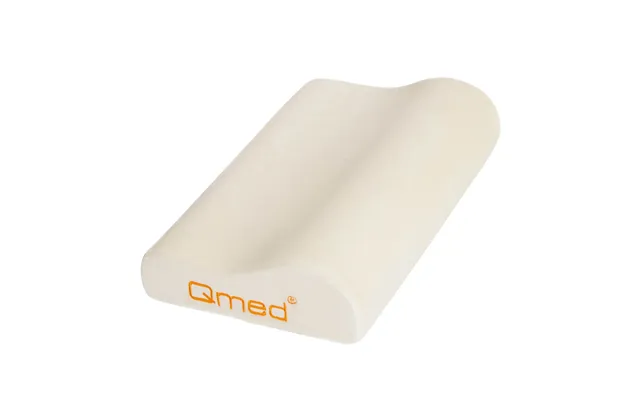
| Qmed Sleeping Pillow - Profiled | £37.80 |
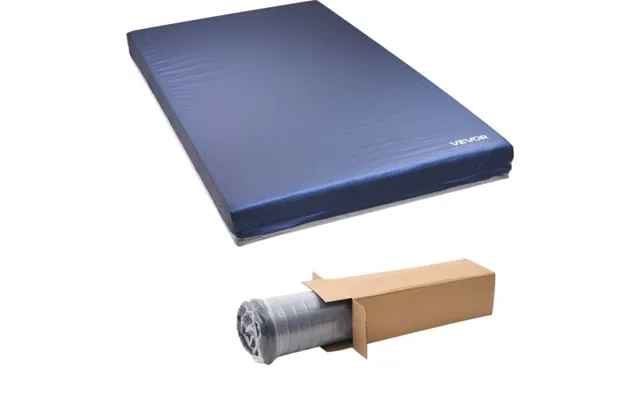
| Vevor Hospital Bed Mattress - 500 Lbs Load | £245.90 |
| Vevor Hospital Bed Mattress - 650 Lbs Load | £301.90 |





Loading...
Last updated Monday, 19 Oct 2026
| Medical Bedding | Price |
|---|---|
| Qmed Sleeping Pillow - Profiled | £37.80 |
| Vevor Hospital Bed Mattress - 500 Lbs Load | £245.90 |
| Vevor Hospital Bed Mattress - 650 Lbs Load | £301.90 |
Medical bedding isn’t just “normal sheets with a fancy label.” It’s purpose-built for healthcare environments where comfort, hygiene, durability, and easy care have to work together every single day. Whether you’re equipping a clinic, a care home, or a hospital-at-home setup, the right bedding can reduce laundry stress, support infection control, protect mattresses, and make life more comfortable for patients and carers alike. Looking to compare what’s out there and find popular offers and a medical bedding price list in the UK? You’re in the right place to learn what to look for so your comparison process is quick and confident.
The term “medical bedding” covers more than fitted sheets. Think of it as a toolkit: each item has a specific job, and when they’re used together, the bed becomes cleaner, drier, and far more comfortable. Below are the essentials you’ll encounter when browsing and comparing options online.
Let’s start with the workhorses: flat and fitted sheets plus pillowcases made for hospital mattresses and pillows. These are usually polycotton or microfiber blends designed to withstand repeated hot washes. The goal? Smooth, low-friction comfort that feels pleasant to the touch without bobbling or shrinking after dozens of cycles. You’ll often see color-coded trims or labels for easy ward or room assignment, which is a small detail that can save time and avoid mix-ups.
A draw sheet sits across the midsection of the bed to help reposition a person more safely and gently. Some are standard cotton; others are purpose-built with low-friction surfaces or handles. Slide sheets are specifically designed to reduce friction and shear during patient movement, easing the strain on both the patient’s skin and the carer’s back. If repositioning is a routine need, these are game-changers.
A waterproof mattress protector acts like a raincoat for the mattress—stopping spills, sweat, and fluids from soaking into expensive foam. Many are breathable and silent (no crinkly sounds), and you can choose fitted styles or zip-on encasements for full coverage. A high-quality protector can extend mattress life significantly, making it a smart budget play as well as a hygiene essential.
Pressure care surfaces—like foam mattresses with zoned support or alternating air overlays—help distribute weight and reduce the risk of pressure-related discomfort. When you’re comparing options, look for surfaces designed to manage moisture and heat buildup. Combine the right surface with soft, breathable bedding, and you’ve got a setup that supports skin health and better sleep.
Bed pads provide an absorbent top layer and a waterproof underside to protect sheets and the mattress beneath. Disposable versions are quick and convenient for heavy-use scenarios; reusable versions can be more cost-effective over time and kinder to the environment. If you care for someone at home, keeping both on hand can make life easier—reusables for everyday, disposables for travel or emergencies.
Thermal blankets and cellular weaves trap warmth without weighing the person down or causing overheating. In clinical settings, blankets often beat bulky duvets for temperature control and laundering ease. If you prefer a duvet, check for healthcare-appropriate covers that are easy to remove and wash hot. Breathable, quick-drying materials make turnarounds faster between uses.
Material matters more than many people realize. The right fabric can simplify laundry, keep the sleeper drier, and reduce skin friction—all while standing up to hot cycles and frequent use. Consider these common options and finishes to match your environment and preferences.
Cotton feels familiar and breathable, which is great for comfort. Polycotton blends add strength and wrinkle resistance, making sheets easier to handle and quicker to dry. Microfiber can be ultra-soft, lightweight, and quick-drying; it’s also tough in the wash. If you’re aiming for a balance of comfort and durability, a good polycotton percale or smooth microfiber sheet is a solid bet.
Some medical bedding uses special finishes to help resist fluids or reduce the growth of odor-causing microbes on the fabric. These finishes aren’t a substitute for proper cleaning, but they offer an extra layer of defense. If you’re comparing features, look out for terms like “fluid-resistant,” “moisture-wicking,” and “antimicrobial finish,” then weigh them against your laundering routine.
In many professional settings, fire-retardant bedding is essential. The idea is simple: reduce flammability risk without compromising comfort. If you’re buying for a care environment, check the product descriptions for fire-retardant credentials appropriate for healthcare bedding. It’s a safety feature you hope never to need—but it’s reassuring to have.
Hospital beds aren’t the same as standard home mattresses. A well-fitting sheet that stays put can prevent bunching and pressure points while making turning and repositioning easier. Here’s a quick guide to common sizes and what they mean in practice.
A typical hospital mattress is about 36 inches wide and 80 inches long. Extended-length options are common, such as 36 x 84 inches, while bariatric mattresses can run 42 x 80 inches or even 48 x 80 inches. When shopping, check the product listing for compatibility with 36 x 80 inches as a baseline, and look for variants if you use extra-long or wider mattresses.
Fitted sheets are convenient, but the pocket depth has to match your mattress thickness to avoid slipping. Flat sheets offer flexibility—carers can use hospital corners and tucks to secure them tightly. If you have profiling beds (where head and foot sections move), a snug but not overstretched fit helps the sheet glide as the bed articulates, reducing friction and wrinkles.
Standard pillows are usually around 20 x 26 inches. If you use larger support pillows or wedges, look for oversized cases or stretchy covers that can take repeated hot laundering. Smooth, breathable pillowcases reduce facial friction and can help with temperature control around the head and neck—small comfort wins that add up.
Think of medical bedding as a climate system for the body. Get breathability, moisture control, and friction right, and you’ll support comfortable sleep while helping protect delicate skin. Even small tweaks—like switching to a cooler weave—can make a noticeable difference.
Breathable weaves let heat escape and help keep skin dry. Moisture-wicking materials pull sweat away from the body, spreading it out so it evaporates faster. If overheating or night sweats are common, lightweight percale or moisture-wicking microfiber sheets paired with a breathable mattress cover can feel cooler and fresher.
Smooth, low-friction sheets reduce shear—the sideways drag on skin that can happen when moving in bed. Combine those sheets with a pressure-redistributing mattress or overlay, and you’ve built a comfort-first system that’s kind to skin and joints. For frequent repositioning, consider a dedicated slide sheet to make movements smoother and safer.
Clean bedding is comfort you can feel—and a hygiene standard you can trust. Medical bedding is engineered to survive repeated hot cycles without losing shape or softness, which is crucial for both home care and clinical environments.
Look for bedding that can withstand hot washes—many buyers aim for cycles of at least 160°F where appropriate—plus fast drying to keep turnaround times short. Sturdy seams, color-fastness, and shrink resistance are key. If you’re operating at scale, quick-drying microfiber and resilient polycotton can be laundry heroes.
Color trims, size labels, and care tags aren’t just nice-to-haves; they’re time savers. Coding sheets by ward, room, or patient helps prevent mix-ups and keeps inventory organized. Clear labels also reduce laundering mistakes so items last longer and maintain their fit.
After washing and drying, store bedding in clean, dry areas and avoid overstuffing shelves so items don’t get crushed or creased. Rotating stock (first in, first out) helps spread wear evenly, and sealed storage for spare waterproof pads or covers keeps them fresh and ready to deploy.
It’s tempting to chase the lowest sticker price, but total cost of ownership tells the real story. Factor in durability, laundering, replacement cycles, and mattress protection. Saving a few pounds on a sheet that wears out quickly or leads to mattress damage is a false economy.
Reusable bedding and pads pay off when you have reliable laundry access, while disposables shine for quick turnover, travel, and heavy-fluid scenarios. Many care teams use both: reusables for day-to-day, disposables for high-demand or isolation setups. Your mix depends on workload, storage, and cash flow.
Check warranties as a clue to expected lifespan. Watch for early wear signs: thinning fabric, persistent stains, loss of elasticity, or seams starting to give. For busy environments, plan replacement schedules—say, a review every 6 to 12 months—to avoid emergency restocks and rushed decisions.
Comparison platforms make it easier to line up features, prices, and deals from multiple retailers without jumping between tabs. The more you understand your needs, the sharper your comparisons will be—and the better your savings on popular offers and price lists.
Useful filters include mattress size (for example, 36 x 80 inches), material (cotton, polycotton, microfiber), properties (waterproof, breathable, fire-retardant), and use case (hospital, care home, home care). Keep an eye on pack sizes and per-item cost, especially with disposables, where volume discounts can be substantial.
Real-world reviews highlight comfort and durability truths you won’t always find in spec sheets. Meanwhile, safety and hygiene features—like fire-retardant claims or antimicrobial finishes—should be clearly described. If you’re buying for professional use, confirm the product meets the standards you need before you commit.
Setting up a hospital-at-home bed? The right bedding makes daily life smoother and more dignified. Small details matter—especially when you’re juggling laundry, comfort, and time constraints.
Build layers: waterproof protector, fitted sheet, draw sheet, then a top sheet or lightweight blanket. Keep an extra set of everything within arm’s reach so changes take minutes, not hours. For night sweats or spills, a reusable bed pad on top of the fitted sheet can be swapped fast without stripping the whole bed.
A compact kit with a spare fitted sheet, pillowcase, and a folded disposable pad can be a lifesaver for appointments or overnight stays. Toss in a small laundry bag and a travel-size fabric-friendly cleanser to handle quick spot-cleaning on the go. Preparation beats panic every time.
Sustainability and hygiene can coexist. Choose durable reusables where practical, then back them up with efficient laundering. When disposables are essential, use them deliberately and store them well to minimize waste from damage or contamination before use.
High-quality reusable pads and sheets, washed in full loads at appropriate temperatures, can significantly reduce waste. Some waterproof protectors feature replaceable tops so you keep the base longer. When it’s time to retire items, check local guidance for textile recycling or responsible disposal options.
Shopping smart is all about timing, bundles, and clarity. Watch for seasonal discounts, multi-pack deals, and value bundles that pair sheets with waterproof protectors. A medical bedding price list that breaks down cost per unit—especially for disposables—helps you compare apples to apples and prevents “deal drift” when pack sizes differ.
A steep percentage off looks great, but the baseline price and product specs matter more. Always check fabric weight, laundering limits, and size compatibility. For disposables, compare cost per pad. For reusables, consider expected lifespan and warranty. The best deal is the one that lasts and performs.
A few common missteps can undo good intentions. The good news? They’re easy to dodge when you know what to watch for. Think of this as your quick “don’t do this” checklist before you hit buy.
A fitted sheet that seems “close enough” can pop off, wrinkle, or fight the bed as it moves. Measure the mattress thickness and confirm the pocket depth. If you use profiling beds, choose sheets with enough give to glide during movement without bunching.
Washing too cool won’t remove soils effectively; washing too hot beyond the fabric’s limit can damage fibers. Follow the care label and keep loads sensible so detergent and water can circulate properly. It’s the simplest path to longer-lasting, fresher bedding.
Beyond the basics, a few accessories can round out your setup and make everyday care smoother. Think of these as the details that turn a good bed into a great one for both comfort and handling.
Soft rail covers prevent bumps and can be wiped clean. Pillow protectors add a waterproof, breathable barrier that shields pillows from sweat and spills, extending their life. Pair them with smooth pillowcases to maintain comfort without trapping heat.
Bundling is strategic: you get everything you need without multiple checkouts, and you can often save when items are grouped. A thoughtful bundle also makes restocking painless—just reorder the same set when supplies run low.
Start with two fitted sheets, two flat sheets, four pillowcases, one waterproof mattress protector, and two incontinence pads (one on the bed, one in reserve). Add a thermal blanket and, if needed, a draw sheet or slide sheet. With this lineup, you can flip a bed in minutes and keep a spare set ready.
Medical bedding is a win for hospitals and care homes, of course—but it’s equally valuable in home care, rehabilitation settings, and for anyone looking to protect an investment mattress while improving sleep quality. If peace of mind and comfort are on your wish list, these products deliver both.
Short-term recovery after surgery, long-term conditions with mobility challenges, post-natal care, and even guest rooms for relatives with special comfort needs—medical bedding can quietly upgrade all of them. The right combination turns any bed into a cleaner, drier, more supportive space.
Ready to compare? Keep it simple: size, fabric, properties, laundering, and value. If you hit all five, you’ll land on bedding that works hard and feels good. And remember—popular offers change, so a quick check of current price lists can unlock extra savings.
Does it fit my mattress size? What’s the fabric and finish? Can it handle hot washes? Is it breathable and comfortable? What’s the cost per use (not just per item)? Answer those, and your short list writes itself.
Medical bedding brings together comfort, cleanliness, and durability—exactly what you need in a healthcare setting or a hospital-at-home environment. By understanding product types, sizes, materials, and laundering needs, you can compare options confidently, spot real value in popular offers, and read a medical bedding price list with clarity. Choose well, and you’ll protect your mattress, streamline your care routine, and help the person in bed feel better, sleep deeper, and wake up ready for the day. That’s the power of the right bedding—quiet, reliable, and worth every penny.