




All categories
Business & Offices
Electronics & Media
Fashion & Accessories
Groceries & Essentials
Health & Personal Care
Home & Living
Kids & Family
Sports & Outdoors
Search in ZoneOffer
Loading...
Looking for the best medical carts in the UK without overspending? You’re in the right place. Medical carts are the unsung heroes of busy clinics, GP practices, hospitals, and surgery centers—quietly improving workflows, infection control, and patient safety from one corridor to the next. In this guide, we’ll unpack the most popular medical cart types, the features that actually matter, and clever ways to compare offers so you get the best value. Ready to roll smarter, not harder?
Think of medical carts as your mobile command center. The right cart reduces search time for supplies, keeps medications secure, and gets critical gear to the bedside fast. When minutes matter, wheels win. And with the UK’s diverse care environments—from community clinics to high-acuity wards—choosing the right cart isn’t just a nice-to-have; it’s a daily efficiency upgrade. Better organization, better hygiene, better outcomes—what’s not to love?
Whether you’re dressing wounds in a primary care room or prepping an airway kit in theatre, the cart you use must fit the job. Small practices often want a compact, versatile trolley that glides through tight rooms, while surgical teams rely on robust, lockable carts that handle heavier loads. A single misfit cart can feel like pushing a shopping trolley with a wonky wheel; the right one feels effortless and precise.
Not all medical carts are created equal. Each type is designed to solve a specific workflow problem, which is why picking the right category is half the battle. Let’s break down the most popular medical carts in the UK and what they’re built to do.
Crash carts are all about speed and standardization. Expect color-coded drawers, a breakaway lock for instant access, a dedicated space for a defibrillator, and mounts for oxygen and suction accessories. The best models balance lightweight maneuverability with rock-solid stability, so you can sprint down a corridor without a wobble. If your team runs mock codes, the fast layout and clear labeling of a quality crash cart can shave off precious seconds.
Medication carts are designed to keep meds secure and workflows smooth. Look for lockable drawers (keyed or electronic), bin-based systems for patient-specific doses, and optional barcode-ready work surfaces that support eMAR usage. A smooth-gliding, whisper-quiet drawer system is worth its weight in gold on night shifts. Bonus points for modular interiors that adapt as your formulary changes.
Anesthesia carts are tailored for theatre. They usually feature deeper drawers for larger airway devices, space for syringes and vials, and robust lock options. Organization is key—think divided trays, anesthesia labels, and easy-clean surfaces. If your operating rooms change case types throughout the day, a flexible drawer layout keeps your setup consistent and stress-free.
Isolation carts help teams maintain infection control without missing a beat. You’ll often see open-access PPE holders, glove box mounts, and smooth, non-porous surfaces that tolerate frequent cleaning. Bright, visible labeling reduces cross-contamination risks, while sealed edges prevent grime build-up. If you’ve ever fumbled for a gown outside a patient’s room, you know how much a tidy, well-placed isolation cart helps.
Procedure carts are generalists—perfect for dressing changes, IV setups, and quick bedside tasks. They usually include adjustable trays, shallow and deep drawers, and optional locking top drawers for sharps. Utility carts offer open shelves for bulk items and can double as transport trolleys for equipment, instruments, or linens. If budget is tight, a well-chosen utility cart can punch above its weight.
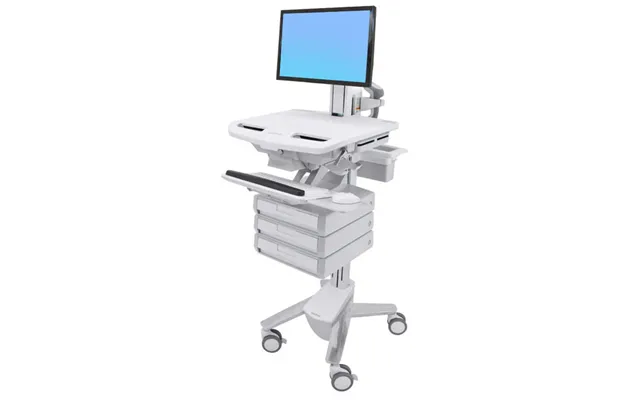
As more teams document care at the bedside, mobile computing carts are in demand. WOWs pair a sturdy base with a height-adjustable work surface, laptop or monitor mounts, and secure drawers for meds or supplies. Battery-powered options allow long run times between charges, while non-powered laptop carts are lighter and easier to move. Built-in cable management keeps everything tidy and trip-free.
Materials matter more than you think. The build of your cart influences durability, cleaning speed, and even how quiet it is on the ward. Cut corners here and you’ll pay in wobbles, corrosion, and sticky drawers. Choose wisely and your cart will feel like new for years.
Stainless steel is the durability champ—resistant to rust, tough under frequent cleaning, and great for sterile spaces. Powder-coated steel offers a budget-friendly balance of strength and style, often with bold colors for quick identification. ABS and advanced polymers keep weight down and resist dents; they’re ideal for frequent moves and busy corridors. Many teams mix materials—steel frames for strength, polymer fronts for easy cleaning and weight savings.
Smooth casters make or break your experience. Look for medical-grade casters around 5 inches, preferably with at least two locking casters and one directional caster for long corridors. Soft-tread wheels reduce noise on hard floors, while sealed bearings keep grime out. If your building has tight lifts and narrow turns, test turning performance in real spaces before committing.
A great drawer system glides quietly under load and closes with a satisfying, secure feel. Full-extension slides let you see everything at a glance—no more rummaging. For security, consider keyed central locks for simplicity, electronic keypad or RFID locks for audit trails, and breakaway tags for crash carts. Label holders on each drawer edge save time and reduce restock errors.
Get the basics right and staff will thank you. Height, footprint, and capacity all affect fatigue, safety, and speed. A cart that’s too tall or too heavy becomes the pebble in your shoe—always there, always annoying. The sweet spot is a stable build that glides effortlessly and fits your space like it was made for it.
Most teams prefer work surfaces around 34 to 44 inches high, with adjustable options keeping staff comfortable across long shifts. Measure doorways, lifts, and bed clearances, then choose footprints that slip through without shoulder bumps. If possible, test turning in a simulated patient room; a cart that pivots smoothly within a few feet makes bedside work feel effortless.
Know your load. Heavier setups—like anesthesia kits or imaging peripherals—need higher weight capacity and stronger frames. Look for published load ratings and ask about distribution: can the top drawer handle the heaviest items without sagging? A well-built cart should support hundreds of pounds overall while keeping drawers aligned and stable
If you’re adding computers or scanners, check how the cart handles power and peripherals. Non-powered carts are lighter and cheaper; powered carts keep you mobile during long rounds. Aim for reliable runtime, quick swap batteries if needed, and screens mounted at comfortable eye level. Add-on monitor arms and keyboard trays can fine-tune ergonomics without bulking up the footprint.
Messy cables create tripping hazards and cleaning headaches. Good carts hide wiring in channels and keep chargers neatly stowed. For infection control, smooth, seamless surfaces and minimal dirt traps are your best friends. Rounded corners, sealed edges, and easy-wipe materials speed up cleaning routines and keep carts looking sharp on the busiest days.
Accessories turn a basic cart into a role-specific powerhouse. The trick is to add what you’ll use daily and skip the rest. Think through a typical shift—what do your hands touch most? Put those items within easy reach and your cart becomes an extension of your workflow.
Popular add-ons include pull-out writing trays, side rails for baskets, sharps containers, glove and gown holders, and tilt bins for small supplies. Scanner cradles, label printers, and cup holders sound small, but they prevent stop-start routines that slow you down. If you teach or train on the ward, a quick-access clipboard holder and pen tray are tiny upgrades with big payoffs.
For medication and controlled substances, consider dual-lock drawers or electronic locking with user codes. Tamper-evident seals and audit-friendly systems support compliance without adding friction. In high-traffic areas, bumper guards protect walls and cart corners, while corner posts and protective skirts reduce scuffs and keep the cart looking professional.
Medical cart pricing in the UK varies widely based on materials, size, security, and power. Basic utility carts might start in the low hundreds, while specialized powered carts and premium anesthesia carts can run into the thousands. The good news? With a little homework, you can match your use case to a cart that hits the sweet spot for features and cost—without paying for bells and whistles you’ll never use.
New carts offer the latest features and full warranties. Refurbished options can save a bundle if vetted properly—perfect for clinics that want premium builds at better prices. Rentals suit short-term projects, trials, or surge capacity needs. If you’re on the fence, a short rental followed by a purchase can validate your choice and de-risk the investment.
Before you buy, compare offers from multiple sellers and brands in one place. Using a UK-focused comparison site like ZoneOffer helps you scan prices, specs, and deals quickly, so you don’t miss limited-time discounts or bundles. You’ll see how similar carts stack up on materials, locks, drawer counts, and accessories—making it easier to justify your final pick to stakeholders.
Start with the “why.” What problem should this cart solve? Then map your must-haves: security level, number of drawers, footprint, material, caster type, and accessories. Confirm compatibility with your workflow—barcode scanning, labeling, PPE access, sharps management. Check cleaning chemistry compatibility and warranty terms. Finally, pressure-test the cart in real corridors and patient rooms if possible. No wish list beats a hands-on trial.
Focus on compact footprints, quiet casters, and versatile drawers you can reconfigure as services expand. A lightweight utility or procedure cart may cover most tasks. Add a lockable top drawer for medications and a glove holder for speed. If you document at the point of care, a non-powered laptop cart offers great value without the heft.
Prioritize specialized carts for each role—crash, anesthesia, medication, and isolation—so staff know exactly where to reach every time. Look for robust frames, audit-friendly locking, color-coding by department, and heavy-duty casters for long corridors. For IT carts, choose ergonomic mounts, long runtime options, and easy battery swaps to keep rounds moving.
A well-maintained cart pays you back every shift. Regular cleaning preserves finishes, prevents stickiness, and keeps infection control on point. Tightening hardware, inspecting casters, and replacing worn bumpers prevent squeaks and rattles that frustrate staff. Treat carts like shared clinical tools—not afterthoughts—and they’ll perform like champs.
Build quick checks into shift routines: verify locks, wipe high-touch surfaces, and confirm drawers close fully. For isolation and medication carts, reinforce cleaning protocols and keep spare liners or bin inserts handy. Smooth, sealed surfaces make this easy—if your cart has tricky seams, consider protective covers or accessories that simplify wipe-downs.
Small fixes go a long way. Replace worn casters before they grind, swap out tired drawer slides, and keep spare keys or lock codes documented securely. Use corner bumpers in tight areas to avoid dings. If a cart’s role changes, reconfigure drawers and add new accessories instead of replacing the whole unit—modularity saves money and waste.
Across the UK, you’ll find respected names like Harloff, Metro, Capsa Healthcare (including Avalo), Armstrong, Waterloo Healthcare, and TouchPoint Medical. Each brings its own strengths—some excel in rugged steel builds, others in lightweight polymer or smart IT carts. Compare like-for-like: same drawer counts, lock types, and materials. You may also find strong alternatives in stainless steel instrument carts or phlebotomy carts if your needs are lighter.
Not every task needs a specialty cart. For basic transport, supply top-ups, or non-controlled items, a well-built utility cart with open shelves can be faster and cheaper. Add a small lockbox for sharps or meds, clip on a glove holder, and you’ve created a nimble solution that threads through busy corridors and tight storage rooms without fuss.
Choosing the right medical cart is about matching form to function. Start with your workflow, then pick the cart type that solves real problems—be it a crash cart for speed, a medication cart for security, or a WOW for documentation. Focus on materials, mobility, and lock systems, then layer in the accessories that elevate your daily routine. Compare offers side by side to spot value fast, and you’ll land a cart that makes every shift smoother, safer, and simpler.
| Medical Carts | Price | |
|---|---|---|
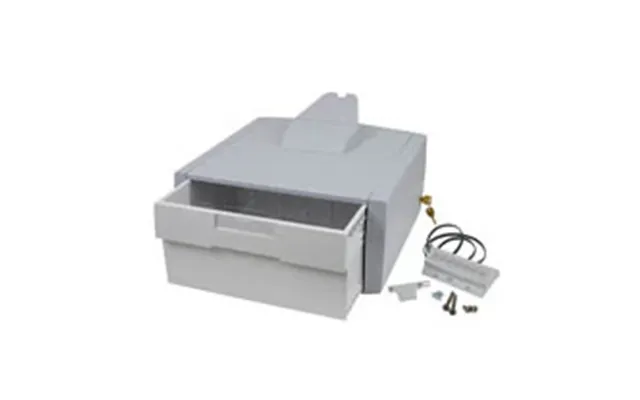
| Ergotron 97-973 Multimedia Cart Accessory Grey - White Drawer | £ 610,99 | |
| Ergotron 97-973 Multimedia Cart Accessory Grey - White Drawer | £ 610,99 | |
| Ergotron 97-973 Multimedia Cart Accessory Grey - White Drawer | £ 610,99 | |
| Ergotron Styleview Grey - White Flat Panel Multimedia Cart | £ 2.596,99 | |
| Ergotron Styleview Grey - White Flat Panel Multimedia Cart | £ 2.596,99 | |
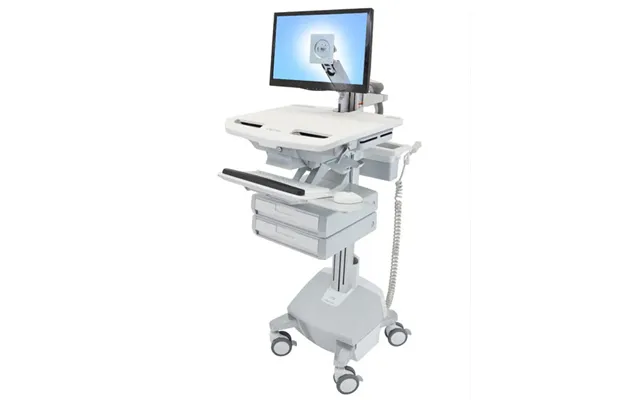
| Ergotron Styleview Aluminium - Grey | £ 5.935,99 | |
| Ergotron Styleview Aluminium - Grey | £ 5.935,99 | |
| Ergotron Styleview Aluminium - Grey | £ 5.935,99 | |
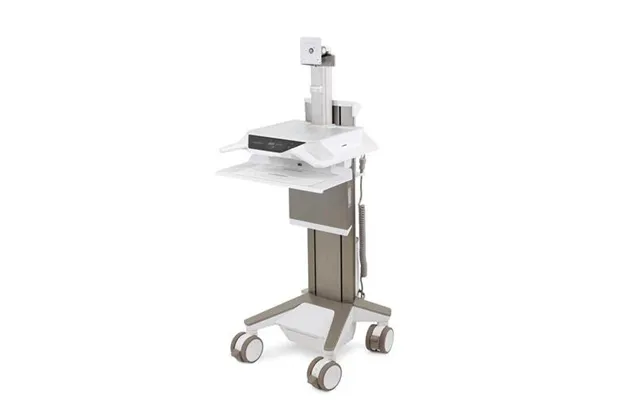
| Ergotron Carefit Pro Grey - White | £ 8.290,99 | |
| Ergotron Carefit Pro Grey - White | £ 8.290,99 |


