

Surgical Gowns price list
Last updated Monday, 19 Oct 2026
| Surgical Gowns | Price |
|---|---|
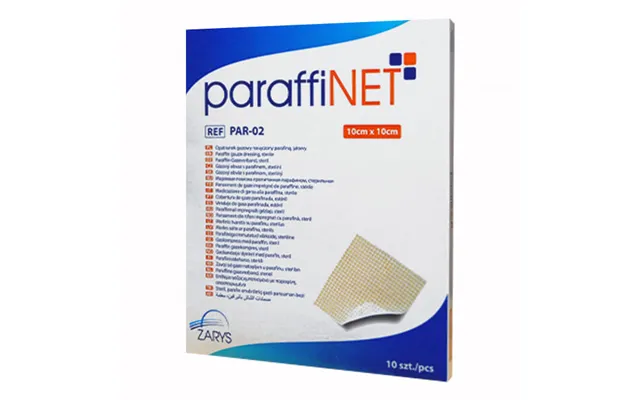
| Paraffinet - Gau Gau Gauze Dressing | £4.20 |




Loading...
Last updated Monday, 19 Oct 2026
| Surgical Gowns | Price |
|---|---|
| Paraffinet - Gau Gau Gauze Dressing | £4.20 |
Surgical gowns are the protective backbone of clinical safety. They create a clean barrier between the wearer and potential contaminants, helping to reduce the risk of cross-contamination during procedures and patient care. Whether you’re equipping an operating theatre, a dental practice, an outpatient clinic, or a research lab, choosing the right gown directly influences safety, comfort, and performance. In short, the right gown keeps teams protected, confident, and focused on patient outcomes.
Think of a surgical gown as your everyday shield. It isn’t just a piece of fabric—it’s an engineered garment designed to stand up to fluids, resist tears, and stay comfortable across long shifts. Today’s market offers a wide range of gown types, from lightweight isolation gowns for routine tasks to high-protection sterile surgical gowns designed for high-fluid procedures. Knowing the differences makes your procurement faster, smarter, and more cost-effective.
At their core, surgical gowns block fluids, reduce particulate shedding, and support sterile workflows. They also protect clothing, improve professional presentation, and help maintain a consistent infection control strategy across teams. Different wards and departments often need different gown levels: an emergency department may require a varied stock of non-sterile gowns for triage and sterile options for urgent procedures, while surgical suites typically demand higher protection levels and strict sterility. Matching gown capability to real-life use is where savvy buyers save money without compromising safety.
Most buyers start by choosing between disposable and reusable gowns. Each has its place. Disposable gowns are convenient, consistent, and easy to stock quickly for large teams. They’re typically made from nonwoven materials like SMS (spunbond-meltblown-spunbond) or SMMS, sometimes with a film coating in high-fluid zones. Reusable gowns, on the other hand, are made from tightly woven fabrics and may be treated to improve barrier performance; they’re laundered between uses and tracked across their lifecycle.
If your facility sees fluctuating procedure volumes, disposable gowns can simplify logistics and ensure consistent barrier protection without laundering bottlenecks. If sustainability and long-term cost control are front-and-center, reusable gowns can be a smart investment—especially when you have reliable laundering and sterilization processes in place. Many teams even adopt a hybrid strategy: reusable gowns for predictable volumes and disposable gowns for surges and high-fluid cases.
Sterile surgical gowns arrive individually wrapped and sterilized for use in aseptic procedures. They’re designed for the operating room and invasive interventions where maintaining a sterile field is essential. Non-sterile gowns serve as a protective barrier for general patient care, examinations, minor non-invasive procedures, and lab work. If you’re unsure, ask yourself: Will we be operating within a sterile field? If yes, choose sterile. If not, non-sterile gowns may be ideal and more economical.
To compare barrier performance across brands, many buyers refer to AAMI PB70 levels, a widely recognized standard for fluid and microbial barrier performance. In simple terms:
- Level 1: Minimal protection—basic care, standard isolation, and simple tasks with low fluid exposure.
- Level 2: Low protection—suitable for procedures with light fluid exposure.
- Level 3: Moderate protection—ideal for moderate fluid exposure; frequently used in many surgical and procedural contexts.
- Level 4: Highest protection—designed for long, high-fluid procedures and critical surgeries where maximum barrier protection is required.
Remember, higher isn’t always better. Over-specifying increases costs and can reduce comfort. The sweet spot is matching the gown to the risk profile of your procedure list.
Level 1 gowns suit basic examinations, visitor use, and supportive roles with minimal fluid risk. Level 2 works well for blood draws, suturing, or routine lab handling. Level 3 is the workhorse for many surgical teams, often balancing comfort with robust fluid resistance in general surgeries. Level 4 is the go-to for high-fluid procedures such as orthopaedics, cardiothoracic surgeries, and scenarios where splash and soak-through are real worries. When in doubt, audit procedure types from the past quarter and classify them by fluid risk to guide your purchasing mix.
The magic is in the materials. Nonwoven polypropylene is the foundation for many disposable gowns, with meltblown layers adding filtration and barrier strength. Some surgical gowns add a breathable film or reinforcement zones on the chest and sleeves to target high-splash areas. For reusable gowns, tightly woven microfibre blends and liquid-repellent finishes help maintain protection without sacrificing comfort.
Beyond fabrics, construction is key. Look for sturdy seams (ultrasonic bonding or sealed seams in critical areas), lint-minimizing designs for sterile environments, and reinforcement panels where fluid exposure is highest. Thoughtful engineering reduces the risk of pinholes, tears, or seam failures during demanding procedures—and that protects both clinicians and patients.
A gown that fits well performs better. Knit cuffs create a secure interface with gloves. Raglan sleeves improve mobility across the shoulders. Adjustable neck closures—whether hook-and-loop or tie-back—help dial in comfort for different body shapes. Waist ties that wrap and secure in the front keep the back closed without awkward reaching. For long procedures, ventilation panels or breathable materials can make a long day feel a lot shorter.
Choosing sizes isn’t guesswork, and a good fit boosts protection. For most brands, sizes range from Small to 3X or larger. As a rule of thumb, aim for a gown length that lands around mid-calf, often in the 43–52 inch range depending on wearer height and manufacturer. Sleeve length should allow gloves to overlap the cuff by at least 2 inches, so the wrist remains covered during full arm extension.
Check the chest and waist allowance, too. Many gowns provide a generous wrap to accommodate different builds; if the back openings gap or tie straps feel stretched, size up. For mixed teams with varied heights, stock a split of lengths—shorter gowns for staff under 5 ft 6 in and longer gowns for those closer to 6 ft or above. When in doubt, order a small trial mix and gather feedback before committing to bulk buys.
- Keep a range: Small to 2X covers most teams; add 3X for inclusive fit.
- Sleeve fit: Aim for cuffs to sit an inch or two above the wrist before gloves, so gloves overlap securely.
- Length matters: Too short risks splash at the shins; too long may catch at the shoes. Mid-calf is a sweet spot for mobility and coverage.
- Try-ons: A 10-minute fit session with a few staff saves headaches later. Comfort equals compliance.
If you’ve ever browsed a price list and wondered why two gowns look similar but cost differently, here’s the breakdown. Barrier level, sterility, material quality, reinforcements, and brand reputation all influence price. AAMI Level 4 sterile gowns command more than Level 2 non-sterile options, and premium reinforcements or breathable films add to the cost. Packaging also matters: individually wrapped sterile gowns vs. bulk non-sterile packs have different per-unit costs.
Volume discounts can be meaningful, particularly for clinical networks and purchasing groups. Keep an eye on seasonal demand, too—fluctuations in global supply chains can nudge prices up or down. The best approach? Decide your mix by procedure type, then hunt for competitive offers that match those specifications exactly, not “almost.” Precision saves money.
Value means matching performance to need. A slightly higher price for properly reinforced sleeves, sealed seams, or improved breathability may reduce gown changes mid-shift—and that’s real savings. Look for clear specification sheets that list material layers, protection level, sterility, and compliance with recognized standards (such as EN 13795 for surgical gowns used in operating theatres). If details are vague, keep scrolling. Transparency is a buyer’s best friend.
With so many brands and bundles, comparison platforms are your fast lane. Use filters to narrow by AAMI level, sterile/non-sterile, disposable/reusable, and size range. Scan product pages for close-up images of cuffs, seams, and reinforcement zones. Cross-check the packaging type—individually wrapped vs. bulk—and the total count per case to calculate true per-gown cost. On comparison sites like ZoneOffer, you get a panoramic view of deals from multiple merchants, making it easier to spot the perfect balance of price, protection, and comfort.
Want to move faster? Build a shortlist. Pick two or three front-runners, then request samples or order small quantities for real-world testing. Get feedback from end users—surgeons, nurses, techs. A 2-minute hallway survey after a few shifts often reveals more than any spec sheet can.
- Confirm protection level by procedure type (Level 1–4).
- Choose sterile for aseptic fields; non-sterile for general care.
- Select disposable for surge flexibility; reusable for long-term cost control.
- Check materials, seam type, and reinforcement panels.
- Validate size spread, sleeve coverage, and neck/waist closures.
- Review packaging type and case counts for accurate costing.
- Read reviews from environments similar to yours (OR, outpatient, dental, lab).
Gowns are one part of a broader protection strategy. Pair them with well-fitted surgical masks or respirators, protective eyewear or face shields, bouffant caps or surgeon caps, and shoe covers. For high-fluid procedures, consider aprons or reinforced drapes as an added layer. Don’t overlook high-grip, extended-cuff gloves to maintain a secure overlap at the wrist. For procedural efficiency, some teams create “procedure packs” that bundle a sterile gown, drapes, cap, mask, and appropriate gloves to streamline setup.
Beyond PPE, think workflow. Keep gown stations near donning areas, with glove sizes clearly labeled and easy access to sanitizer and disposal containers. The smoother the flow, the more your team can focus on patients, not supplies.
Store gowns in a cool, dry area away from direct sunlight. Rotate stock using first-in, first-out so earlier lots don’t sit forgotten. For sterile gowns, keep packages intact and check integrity before use—no tears, punctures, or moisture marks. For reusable gowns, track laundering cycles and retire items when barrier performance drops or fabric shows wear, especially at seams and cuffs.
Safety hinges on the little things. When donning, sanitize hands, unfold the gown carefully, secure the neck and waist without contaminating the outer surface, and ensure cuffs are fully overlapped by gloves. During doffing, avoid touching the outer surface of the gown; break ties, roll the gown inside out, and dispose of it according to your facility’s protocols. Doffing is where contamination often occurs, so regular refresher training is worth its weight in gold.
For high-fluid procedures, consider double-gloving, reinforced sleeves, and gowns with fluid-resistant panels. Standardize techniques across teams so everyone follows the same steps—muscle memory reduces mistakes under pressure.
Reusable gowns shine when you manage the lifecycle well. Follow manufacturer instructions for washing, drying, and sterilization. Inspect garments after each cycle, focusing on seams, cuffs, and reinforced areas. Many facilities log the number of washes per gown and retire them at a preset cycle count or earlier if damage appears. If barriers are chemical-treated, ensure laundering doesn’t degrade the protective finish ahead of schedule. A simple in-house spot-check program helps maintain consistency.
Balancing sustainability with infection control is a real challenge—but not impossible. Reusable gowns can lower long-term waste, especially in stable procedure environments. For disposables, opt for gowns made with responsibly sourced materials and smart packaging that reduces excess plastic. Training also matters: fewer mid-shift changes mean fewer gowns used, which cuts both costs and waste. If your facility tracks environmental metrics, periodic audits of gown usage can highlight opportunities to adjust protection levels or shift toward reusable options without risking safety.
The best procurement strategies blend clinical input with cost analysis. Get hands-on feedback from the people who wear gowns all day. Do sleeves ride up? Is the neck closure comfortable? Does the fabric feel clammy after a few hours? Small discomforts cause big frustrations over time—and that can lead to workarounds that undermine protection. A specimen pack and a week of testing produce insights that spreadsheets can’t. Once you find your sweet spot, lock in pricing with volume agreements and maintain a backup option to handle supply swings.
When comparing products online, don’t let flashy photos do all the talking. Read the fine print. Look for:
- AAMI level and whether the claim is tested to a recognized standard.
- Sterile vs. non-sterile status and packaging format.
- Material composition (e.g., SMS, reinforced panels, breathable film).
- Seam type (ultrasonic, sealed) and cuff design (knit cuffs vs. elastic).
- Size range and gown length in inches.
- Case counts and any per-unit cost breakdowns.
Finally, check for real-world reviews from settings similar to yours. A gown that’s perfect for dental procedures might not suit orthopaedics—and vice versa.
Browsing a list of popular offers is a great way to get started, but the right gown is the one that maps to your procedures, staff preferences, and budget realities. Shortlist a few options at different protection levels, confirm sizes and packaging, and then compare based on total value. A careful read of each product’s specification sheet will help you avoid “almost right” buys and land on best-fit choices for your environment.
Choosing surgical gowns doesn’t have to be complicated. Start with where they’ll be used, match protection levels to real-world risk, decide between disposable and reusable based on your operations, and read product details with a discerning eye. When you combine clinical insight with smart comparison shopping, you’ll end up with gowns that protect your team, respect your budget, and stand up to demanding days. Ready to upgrade your stock? Zero in on the features that matter most—then compare offers to find the ideal blend of safety, comfort, and value.