

Tattooing Machines price list
Last updated Monday, 19 Oct 2026





View 4 Offers
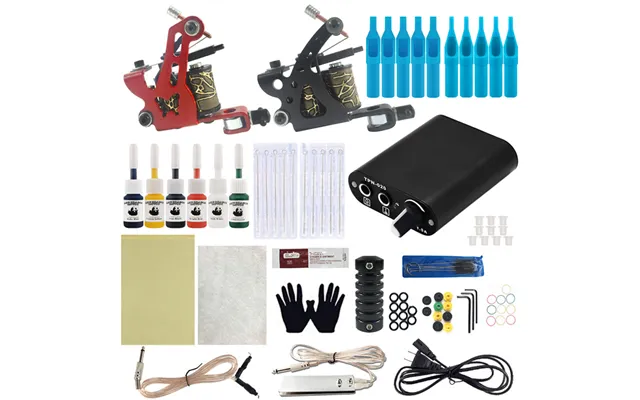
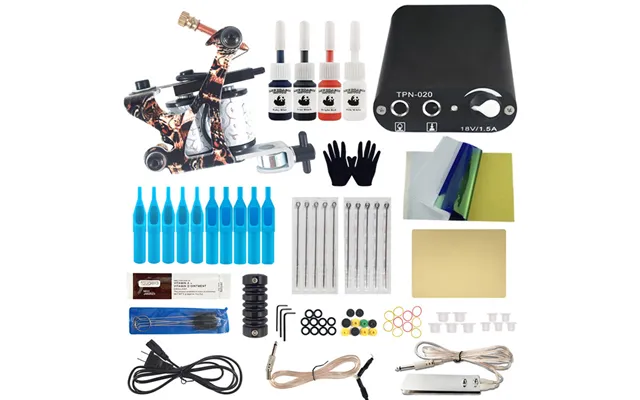
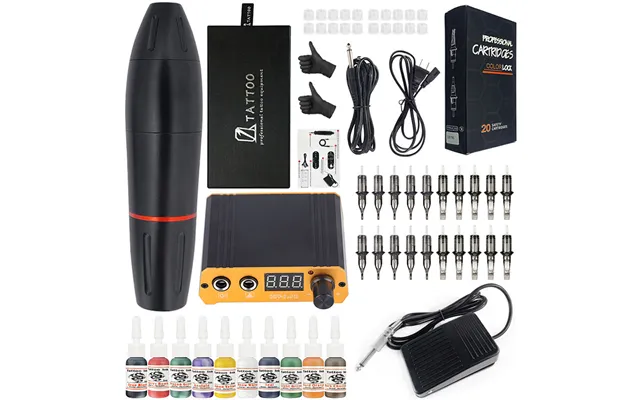

Loading...
Last updated Monday, 19 Oct 2026
Choosing a tattooing machine isn’t just about snagging a discount; it’s about finding a tool that makes your art consistent, your workflow smooth, and your clients happy. If you’ve ever fought with shaky lines or inconsistent shading, you already know the difference a reliable machine makes. The right setup feels like an extension of your hand—balanced, predictable, and powerful enough to do exactly what your design demands, without fighting back.
Whether you’re upgrading your daily driver or building your first professional kit, a smart choice starts with understanding the types of machines, the specs that actually matter, and how to compare offers in a way that saves money without sacrificing performance. Good news? You don’t need to guess. With a solid plan and a bit of savvy shopping, it’s easier than ever to match your style to the perfect machine and find great UK deals while you’re at it.
A tattooing machine is a precision instrument that pushes needles in and out of the skin at high speed to insert ink. It has to be powerful yet gentle, steady yet adaptable. Today’s machines come in different builds—coil, rotary, and pen-style—each tuned for specific techniques like lining, shading, packing, and fine detail. You’ll also see wired and wireless options, plus a wide range of stroke lengths, grips, and needle systems. The good news: there’s a machine for every style and budget once you know what you’re looking for.
Coil machines use electromagnetic coils to drive a spring-mounted armature bar. Many seasoned artists love their punch, tactile feedback, and the way they can be tuned for either crisp lining or buttery shading. They’re robust and time-tested, but they can be heavier—often in the 9 to 12 oz range—and a bit louder. If you enjoy mechanical tuning and want that classic feel, a well-set coil can be a joy to use. For beginners, the learning curve is steeper, but the payoff is serious control once dialed in.
Rotary machines use a small motor to move the needle, delivering smooth, consistent motion. They’re typically lighter and quieter, which can reduce hand fatigue and client anxiety. Many modern rotaries handle both lining and shading simply by changing needles or tweaking voltage and stroke. If you value low maintenance, versatility, and an easy learning curve, a rotary is a safe, professional-grade choice that works well for most styles and studios.
Pen-style machines are a subset of rotary machines designed to feel like holding a thick marker. The ergonomics are fantastic for precision and comfort, especially during long sessions. Many pen machines pair with needle cartridges, making needle changes fast and clean. Look for a stroke length around 0.12 to 0.16 in if you want an all-rounder, and consider adjustable give if you frequently switch between delicate shading and solid color packing.
Specs can be overwhelming, but the truth is you only need to focus on a few key features to make a great choice. Pay attention to stroke length, torque, ergonomics, needle compatibility, and build quality. Then check warranty and support. Combine that with real-world reviews and good pricing, and you’ll land on a machine that serves you well, day in and day out.
Torque matters more than raw speed. A machine with strong torque pushes needles consistently, even through tougher areas of skin or when packing dense color. If you often work on detailed designs with multiple passes, or you like running lower voltages for smooth blends, a torquey motor keeps performance steady. In practical terms, you’ll feel fewer stalls, less snagging, and cleaner lines at the first pass.
Stroke length is the distance the needle travels per cycle. Shorter strokes, around 0.10 to 0.12 in, are typically ideal for soft shading and subtle gradients. Medium strokes around 0.13 to 0.15 in are versatile and great for fine lines and general all-around work. Longer strokes around 0.16 to 0.17 in hit harder and often excel at bold lining and color packing. If you do a bit of everything, a middle-of-the-road stroke is a smart default, with adjustable options giving you extra flexibility.
Cartridge systems have become the norm for convenience and hygiene. Check that the machine accepts universal cartridges or the specific cartridges you prefer. Some brands use proprietary cartridge systems, which can be excellent but may limit your deal options. If you want the freedom to compare prices across UK suppliers, universal compatibility is a big plus.
Comfort is a performance feature. A more balanced machine—especially a pen-style around 5 to 7 oz with a comfortable grip—can dramatically reduce hand fatigue. If you’ve got smaller hands or do micro-detail work, slimmer grips can improve control. If you like a bit of heft for stability, a heavier coil might feel just right. Try to visualize your longest session and choose a weight and shape you’ll be happy to hold for hours.
Wireless machines cleared a major hurdle for artists: cable drag. With a battery pack attached to the machine, you get a tidy setup, quick mobility, and easier hygiene management. Wired setups still have their fans, especially for consistent power and lower initial cost. There’s no wrong choice here—only the choice that best fits your workflow and budget.
With wireless, consider how long your sessions usually run and how often you want to recharge. Many good battery packs cover multiple hours comfortably. Look for stable power output, quick charging, and swappable batteries if you stack long sessions back-to-back. If you’re pricing options, compare battery sets rather than single packs to get a realistic picture of what working all day will cost.
Wired machines paired with a quality power supply are rock-solid and predictable. You’ll want a power supply with steady output, clear voltage control, and a reliable foot pedal response. Good cables matter too—decent clip cords and RCA leads reduce interruptions. If you’re shopping deals, consider bundles that include a respected power unit; they can be surprisingly cost-effective and keep your bench looking clean.
In the UK market, artists often compare popular rotary pens, robust coil liners and shaders, and compact wireless setups. You’ll see familiar names and plenty of newcomers offering compelling value. A good approach is to shortlist machines by your style, then compare offers across multiple retailers using a trusted comparison site so you don’t overpay. Pay special attention to “Popular Offers” and any “price list” views that help you spot discounts fast.
Newer artists usually benefit from a lightweight rotary pen with a middle stroke around 0.14 in. It’s forgiving, quiet, and easy to manage. Starter kits that include a basic power supply, a few needle cartridges, and a grip sleeve can be great value—just make sure the machine is reputable and the needles are compatible with common systems so you can grab deals on refills anywhere.
If you’ve got a year or two under your belt, consider a stronger rotary or an adjustable-stroke pen. You’ll gain control for crisp lines and faster color packing without losing finesse for shading. Look for higher torque and better ergonomics. This is also the stage where wireless starts to shine—especially if you’re moving between stations or guest spots and want a clutter-free setup.
Experienced artists often keep multiple machines: a dedicated liner with a longer stroke around 0.16 in, a shader with a softer hit, and a versatile rotary pen for everything in between. If you’re booking long sessions, a wireless pen with swappable batteries can keep you running smoothly. For maximum consistency, a wired setup with a premium power supply remains a pro favorite. At this level, paying a bit more upfront often means better long-term reliability and support.
Prices vary widely based on brand, build quality, and whether you’re going wired or wireless. The trick is to focus on real value—torque, stroke, ergonomics, and support—rather than just the sticker price. Using a comparison site helps you see the lay of the land and catch seasonal or bundle deals you might otherwise miss.
Budget-friendly rotary machines and basic kits are where many artists start. They’re cost-effective and capable enough for learning and practice. Just verify build quality and needle compatibility, and avoid rock-bottom bundles that cut corners on power supplies or hygiene components. A solid entry-level machine can carry you much further than you expect if you maintain it well.
Mid-range machines are the sweet spot for many studios. You’ll find better motors, sturdier frames, and more refined ergonomics. This tier often includes wireless options with respectable battery life and stronger torque. If you work daily and need a dependable workhorse, mid-range is often the best mix of price and performance.
Top-tier machines provide excellent torque, low vibration, and exceptional build quality. Expect thoughtful ergonomics, advanced electronics, and premium warranties. If you’re busy and picky (and who isn’t?), a premium machine pays off in comfort, consistency, and longevity. Compare official “price list” entries across UK retailers to avoid paying a premium for the same exact model.
Great machines last longer with regular care. Inspect and clean your grip and cartridge housing between clients, follow manufacturer guidance for lubrication where applicable, and store your gear in a clean, dry setup. Consistency matters—small routines compound into smoother sessions and fewer surprises.
For rotary and pen machines, wipe down external surfaces with appropriate disinfectants and avoid flooding openings. A drop of approved lubricant can reduce wear on moving parts, but only if your model requires it. Coil machines benefit from regular spring checks and keeping contact points clean. Whatever you use, follow the manufacturer’s instructions and keep fluids away from motors and electronics.
Barrier films, machine bags, and disposable or autoclavable grips help protect your machine and your clients. Pen machines pair especially well with fitted sleeves. Keeping everything neat and protected not only improves hygiene but also keeps resale value higher if you decide to upgrade later.
Professional tattooing demands more than sharp lines—it requires safe, consistent practices. Be sure your setup meets local studio standards, including proper machine hygiene, sterile needle use, and sound electrical practices for any powered equipment. Quality machines and accessories make compliance easier.
Even the best machine can’t compensate for poor technique. Dial in your needle depth carefully—often around the range that produces clean saturation without trauma—and listen to your machine. A steady hand, gentle stretch, and correct speed beat raw power every time. If you’re learning, keep a notebook of voltages, needle types, and machine settings that work for specific styles.
Use reliable power supplies and plugs that meet UK standards and keep cables tidy to reduce tripping hazards. If you’re going wireless, buy reputable battery packs designed for tattoo machines, not generic models that could deliver inconsistent output. Consistent power equals consistent ink.
When you’re scrolling reviews, look for comments about long-session comfort, line consistency, and color packing power. Ignore vague hype. The best reviews give context: stroke length in inches, voltage ranges, needle types used, and style. Pair that insight with transparent “Popular Offers” and a clear “price list” to spot genuine value quickly.
A machine can look perfect on paper yet feel off in your hand. Balance, grip diameter, and vibration levels matter as much as torque and stroke. When possible, compare multiple offers for the same model so you can allocate budget to the version with the grip or battery setup that matches your style.
A good warranty is worth money. It tells you the maker stands behind their product and that repairs or replacements won’t derail your schedule. Before you buy, check warranty terms, availability of spare parts, and UK-based support options. Great deals mean more when they come with peace of mind.
Machines aren’t the whole story. Quality accessories make daily work smoother and safer. From needle cartridges and grips to foot pedals and power supplies, the right add-ons keep your flow uninterrupted and your results consistent.
Choose reliable cartridge lines with consistent membranes and sharp needles. For fine lining, smaller groupings are your friend; for shading and packing, larger mags speed things up. Universal compatibility gives you freedom to shop deals across UK suppliers without locking into one brand’s pricing.
Grip diameter changes everything about control and comfort. Slim grips help with micro detail; thicker grips reduce fatigue on longer sessions. Disposable sleeves add hygiene and texture. Try different diameters to match your technique, and consider a slightly heavier grip if you’re using a very light pen to improve balance.
Reliable foot pedals and sturdy cords reduce interruptions. If you’re wired, invest in quality clip cords or RCA cables that don’t kink and maintain solid connections. A stable machine stand helps keep your station organized and prevents accidental drops that can damage frames and motors.
Your machine can only shine if it’s set up right. Pair the right stroke length with the right needle and voltage, test on practice skin when trying new combos, and make small adjustments rather than big swings. Keep notes on what settings produce the best lines, gradients, and saturation for each style.
Aim for consistent penetration without overworking the skin. Many artists find a sweet spot in a narrow range that deposits ink cleanly while minimizing trauma. Your machine, needle grouping, and speed all interact, so test thoughtfully and adjust incrementally until the skin shows clean, even passes.
Let the machine do the work. If your hand pressure is doing the heavy lifting, you’re likely to cause irritation or blowouts. A well-matched stroke and needle combo should glide. If you’re pushing too hard, consider a longer stroke or a different grouping to increase efficiency without more pressure.
Buying on price alone is a classic pitfall. Another is copying a pro’s exact setup without considering your own hand size, grip preference, and style. Don’t forget aftercare for your machine—dry storage, cable care, and prompt cleaning go a long way. Finally, avoid chasing every hot new release; a dependable machine you know well often beats a flashy new tool you haven’t mastered.
Comparison platforms let you scan multiple UK offers quickly, spot genuine discounts, and verify specs across retailers. Use them to check “Popular Offers” and confirm current pricing trends so you don’t get caught by out-of-date listings. You can also watch for bundles that include batteries, grips, or power supplies—these often deliver more value than the standalone machine.
The best tattooing machine is the one that pairs with your style and stays reliable through long sessions. Decide whether you want the classic punch of a coil, the versatile smoothness of a rotary, or the ergonomic precision of a pen. Focus on torque, stroke length in inches, comfort, and needle compatibility. Then compare UK offers thoughtfully—pay attention to “Popular Offers” and scan a clear “price list” to avoid overpaying. With a bit of smart research, you’ll land a machine that feels like it was built for your hand and your art, at a price that keeps your business healthy.