All categories
Business & Offices
Electronics & Media
Fashion & Accessories
Groceries & Essentials
Health & Personal Care
Home & Living
Kids & Family
Sports & Outdoors
Search in ZoneOffer
Loading...
Need fresh reagents without torching your budget? You’re not alone. Labs across the UK are tightening belts while chasing reliable purity, fast availability, and credible certificates. That’s where smart comparison steps in—lining up top suppliers, surfacing real savings, and helping you pick the right bottle size, grade, and brand for your work. Think of it like calibrating a balance: you want accuracy, repeatability, and the best value per ounce, not just the lowest headline price.
When you compare chemical offers side by side, it’s easier to spot meaningful differences—like batch traceability, stabilizers, or whether that “bargain” solvent costs more per ounce because it ships only in tiny containers. You’re hunting for clarity: clear pricing, clear grades, and crystal-clear specs that align with your SOPs and audits.

Not all bottles on the shelf are created equal. Grades tell you if a chemical will behave nicely in a titration, keep noise low in a chromatogram, or protect fragile biomolecules. Choosing the right grade is the difference between clean peaks and chaotic squiggles.
ACS and standard reagent grades are the workhorses of many labs. They deliver dependable purity for general synthesis, teaching labs, and day-to-day QC. Want consistent titrations, predictable reactions, and fewer impurity surprises? Start here, and make sure the certificate spells out impurity limits relevant to your assays.
Chromatography demands quiet backgrounds and ultra-low residue. HPLC and LC-MS grades are filtered, low-UV-absorbing, and tested to minimize ghost peaks and ion suppression. If your method leans on trace detection, these grades pay for themselves by saving troubleshooting time and protecting instruments.
Buffers, salts, and media intended for sensitive biology need extra care—low endotoxin loads, consistent osmolarity, and clean composition. If your work involves cells or enzymes, look for bio-friendly grades and batch data that prove consistency across vials and gallons alike.
If your lab uses solvents, you’re always balancing quality, cost per ounce, and safe storage. The “essentials” list looks familiar because these are the bottles you reach for daily—so small savings and smarter formats add up fast.
These two solvents are the backbone of many HPLC methods. High-purity grades keep baselines steady and help columns last. Spot deals on 1-gallon and multi-gallon packs when your throughput is heavy, and always check UV cutoffs and residue specs before you commit.
Surface prep, DNA workspaces, and wipe-downs hinge on reliable IPA and ethanol. Explore offers for 16-ounce bottles for benches and 1-gallon jugs for refills. Want fewer headaches? Confirm denaturants, water content, and any additives so they match your application, whether it’s sterilizing, extraction, or sample cleanup.
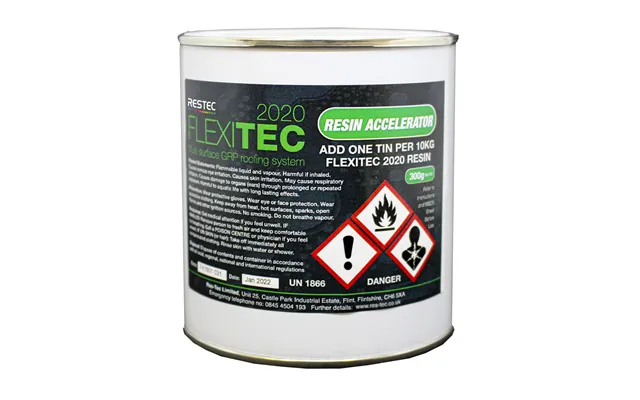
From glassware rinses to lipid extraction, acetone and hexane play different roles but share one need: consistent purity. Compare residue limits, stabilizers, and container lining (tinplate vs. HDPE) to keep quality steady from the first pour to the last.
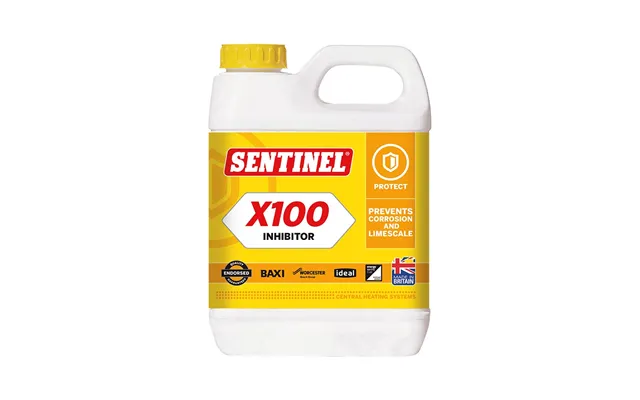
Whether you’re calibrating pH meters or running classical reactions, acids and bases should be both reliable and safe to handle. Paying attention to grade, inhibitor content, and compatible packaging helps protect your work—and your crew.
These classics drive digestion, cleaning, and synthesis. Deals often vary with packaging: 16-ounce amber glass for precision work or bigger carboys for bulk protocols. Compare assay percentages, trace metal limits, and whether the cap liner suits corrosives for longer shelf life.
From neutralizations to buffer prep, bases benefit from stable concentration and low carbonate contamination. If you’re buying solutions, verify tight concentration tolerances. Pellets? Look for anti-caking details and moisture-resistant packaging to reduce waste.
Great for titrations and specialty syntheses—but they demand respect. When comparing, check light-protective bottles for light-sensitive reagents, include batch purity specs, and consider smaller containers to reduce degradation over time.
Calibration and standardization keep your data rock-solid. The right buffers and standards cut downtime and eliminate guesswork, which is exactly why deals on multi-pack kits and ready-to-use solutions are so attractive.
Color-coded pH buffers simplify meter checks. Look for long-dated bottles, tamper seals, and lot-specific certificates. If your team calibrates daily, multipacks can lower cost per ounce while ensuring each bottle stays fresher between openings.
Electrochemistry thrives on stable standards. Whether you’re monitoring water quality or verifying sensor performance, prioritize NIST-traceable documentation and packaging that minimizes contamination with every pour.
Pre-standardized acids, bases, and silver nitrate titrants save time and lower uncertainty. When browsing offers, compare uncertainty statements, storage guidance, and protective packaging that keeps concentrations steady from first to last use.
Microbiology and cell culture don’t forgive corner cutting. If viability, selectivity, or staining clarity matters, the right media and dyes repay their cost with clean results and fewer repeats.
Powdered media stretch budgets and storage space, while ready-pour plates save time and keep batch consistency tight. Deals often hinge on pack sizes—compare cost per plate or per ounce of powder and prioritize freshness and batch documentation.
From Gram to fluorescent stains, clarity is king. Seek offers with verified stain composition, photostability data, and containers that protect against light. Smaller volumes can be cheaper long-term if you’re using them slowly.
Proteases, polymerases, and protein assays live or die by stability. Look for stabilizers, validated storage temperatures, and clear activity units. When comparing prices, verify that the activity per vial matches your protocol’s needs so you’re not paying for units you won’t use.
Your experiments are only as clean as the glassware, benches, and water feeding them. Smart buys here cut background noise and prolong instrument life—an underrated way to stretch budgets.
From routine rinsing to high-sensitivity analysis, water quality matters. Compare resistivity, TOC levels, and container materials. For storage, prefer light-protected and clean-lined containers, and consider 1-gallon or 5-gallon formats if you burn through water fast.
Disinfection is about the right chemistry for the right surface. When browsing offers, check concentration, stabilizers, and surface compatibility claims. Buying concentrates? Confirm dilution guidance and choose containers that pour cleanly to reduce waste.
Residues can sabotage sensitive assays, so chemistry-specific detergents are worth it. Compare phosphate-free options, low-foam formulas for washers, and rinse aids that prevent spotting without leaving a film.
Price lists can look like a maze, but the map is simple: purity, packaging, and performance. Train your eye to see beyond the label price and focus on the variables that actually shape value in daily use.
Pure isn’t just pure—look for impurity profiles that affect your method. Then check package sizes (16 ounces, 32 ounces, 1 gallon) and container materials (glass vs. HDPE vs. tin). Some solvents thrive in metal cans; others demand glass to maintain spec.
Longer shelf life equals fewer rush orders. If a reagent needs cool storage, confirm it’s stable around 68–77°F or specify fridge conditions near 35–46°F. Light sensitivity? Amber glass is your friend. These details often explain price differences that are easy to overlook.
Certain chemicals carry handling surcharges or special transport requirements. Those fees can tilt the equation, making a slightly pricier per-ounce option cheaper overall once all costs land on the table.
What’s the real cost of a bottle? It’s the purchase price plus what it does to your workflow—good or bad. A solvent that shortens prep time or extends column life can outsave a cheaper option, quietly and consistently.
Calculate what matters: cost per ounce, expected runs per bottle, and waste levels. Oversized containers can be a false economy if the last 10 ounces degrade before you use them. Right-sizing often wins.
Reproducibility keeps projects on schedule. Compare COAs that include impurity profiles, UV absorbance, and trace metal data. Consistent batches reduce re-validations—savings you’ll feel every week.
Deals are great until a supply crunch hits. Compare brands with resilient stock, clear documentation, and dependable lead times. Regular availability safeguards your timelines better than any last-minute scramble ever will.
Safety and performance go hand in hand. A properly stored reagent behaves better, lasts longer, and supports cleaner data. It’s not glamorous—but it pays off every single day.
Make sure every container is labeled with content, date opened, and hazards, and that SDS access is effortless. When your team knows what’s in the bottle and why it matters, mistakes drop and confidence climbs.
Keep flammables in appropriate cabinets and park corrosives where they won’t chew through shelves—or react with neighbors. Simple segregation avoids rare but costly incidents, and it protects packaging so your reagents stay on spec.
Store temperature-sensitive reagents at the recommended range—ambient around 68–77°F unless otherwise stated, fridges near 35–46°F, and freezers closer to 0°F or below when specified. Shield light-sensitive materials in amber glass or dark cabinets to slow degradation.
Sustainability isn’t just good for the planet; it’s good for budgets and audit trails. Less waste, fewer repeat runs, and longer instrument life add up to real savings.
It’s tempting to buy the biggest jug for the best per-ounce price, but if you’ll use only half before it turns, you’ve paid twice. Match bottle size to actual throughput, and consider multi-packs to reduce repeated exposure to air and light.
Where protocols allow, swap in less hazardous solvents that perform similarly. The incremental improvements—lower fumes, easier cleanup—often translate into a smoother lab day and happier instruments.
Small moves matter: use dispensing caps for clean pours, dedicate squeeze bottles to single solvents, and label partials so they get used first. Less evaporative loss and fewer contaminated bottles mean more usable ounces per pound spent.
Speed or flexibility? That’s the trade-off. Kits can accelerate routine tasks, while individual reagents keep your options open and your budgets dialed to the ounce.
Kits bundle matched reagents and instructions that shave minutes from setup and reduce variability. If your team repeats the same assay daily, kits can make sense—especially when you factor in training and troubleshooting savings.
Comfortable mixing your own buffers or solvents? Buying component chemicals often lowers cost per ounce and lets you tailor compositions. Just be sure your documentation and batch notes are rock solid for audits and reproducibility.
Trends shift with methods and audits, but a few standouts keep popping up as value leaders across labs—especially where throughput is high and downtime is expensive.
For HPLC and LC-MS, 1-gallon and multi-gallon deals are hot when the spec sheet ticks all the boxes: low residue, tight UV limits, and clean filtration. Bulk saves money and keeps your runs consistent across batches.
Calibration-heavy labs love multi-packs because they balance freshness with price. Pick packs that include certificates and tamper seals, and enjoy fewer trips to restock.
Concentrates stretch far, especially for larger facilities. The wins? Less packaging per usable ounce and steady performance when mixed as directed—ideal for routine sanitation across benches and floors.
A quick mental run-through can save you from buyer’s remorse. Consider quality, compatibility, and the practical realities of your workflow before you commit.
Ensure the grade truly fits the job. Check for stabilizers or denaturants that might interfere with your assay, and confirm trace metal limits if you’re doing sensitive work.
Glass, metal, or HDPE—each has pros and cons. Match the container to the chemical’s reactivity and your dispensing style. Smaller bottles can mean fresher contents with each opening.
Scan your SOPs for exact specs—solvent grade, acid strength, storage needs—and pick offers that match those details. It beats reworking your method around the wrong bottle.
The right laboratory chemicals deliver more than a good price—they deliver trusted performance, clean data, and a smoother day at the bench. By comparing grades, containers, certificates, and realistic cost per ounce, you’ll spot deals that genuinely fit your science. Focus on what matters most for your workflow—purity where it counts, packaging that supports stability, and vendors with consistent availability. Do that, and every bottle you buy becomes a quiet win for your budget, your instruments, and your results.
| Laboratory Chemicals | Price | |
|---|---|---|
| Dofamine | £ 0,61 | |
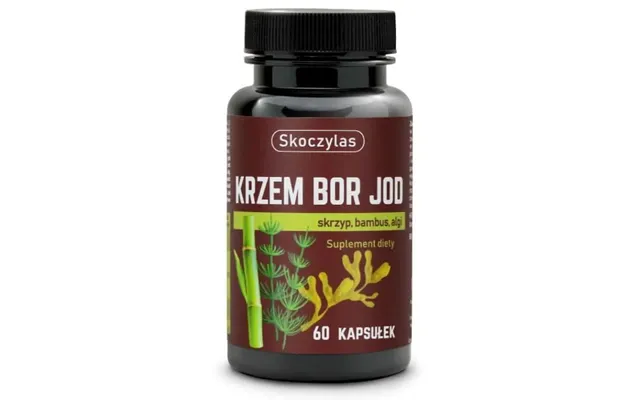
| Skoczylas Silicon - Boron | £ 9,- | |
| Bondloc B7063500 Solvent Cleaner 500ml | £ 10,20 | |
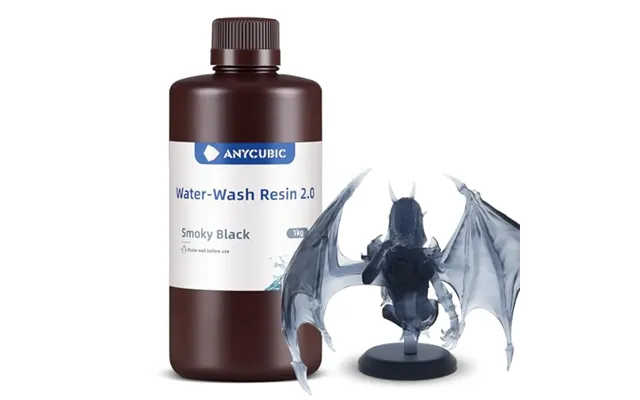
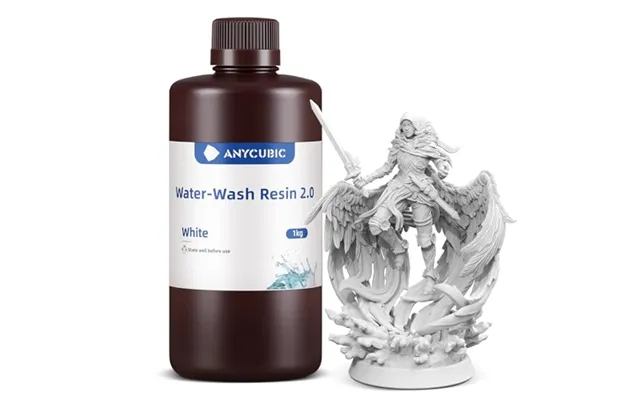
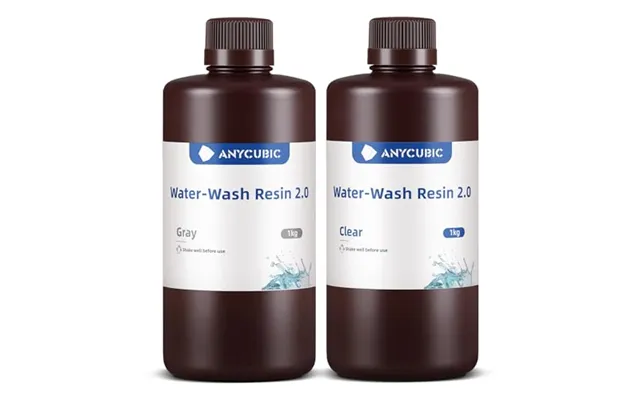
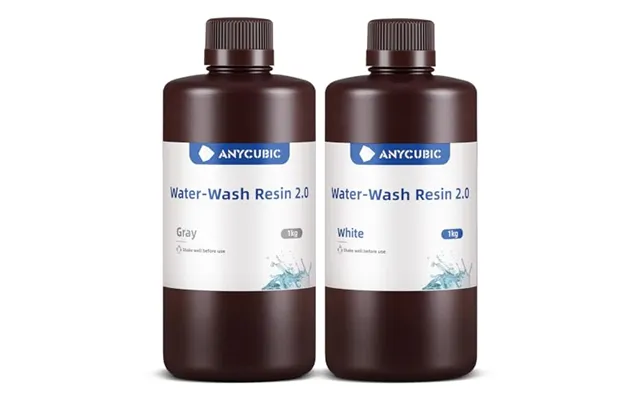
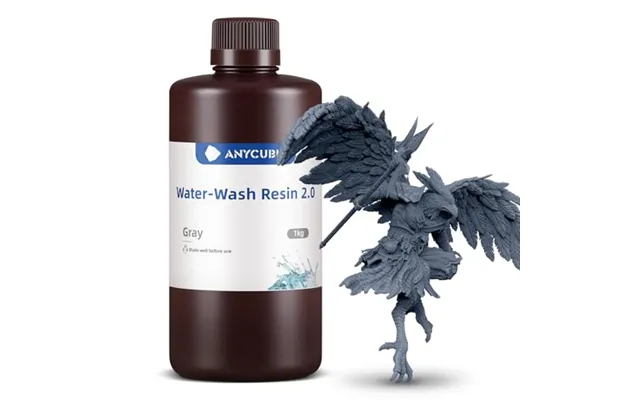
| Anycubic Water Washable 2.0 3d Printer Resin - 405nm High Precision And Anti-yellowing 3d Resin | £ 15,99 | |
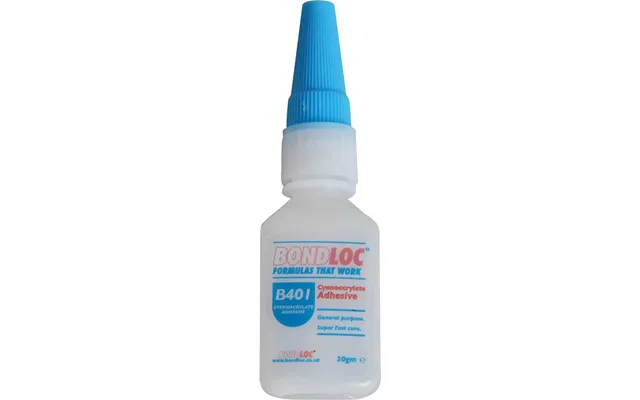
| Bondloc B40120 Medium Viscosity Cyanoacrylate 20g | £ 16,49 | |
| Anycubic 14k 3d Printer Resin Beige 1kg - Superior Precision Texture Resin | £ 18,99 | |
| Uranotest Staining Solution 2 Blue 250ml | £ 38,10 |