All categories
Business & Offices
Electronics & Media
Fashion & Accessories
Groceries & Essentials
Health & Personal Care
Home & Living
Kids & Family
Sports & Outdoors
Search in ZoneOffer

Loading...
Your head is the control center of everything you do at work, so protecting it isn’t optional—it’s essential. Whether you’re on a construction site, in a warehouse, working at height, or doing maintenance in tight spaces, a well-chosen hardhat can be the difference between a close call and a life-changing injury. The good news? There are plenty of popular offers on hardhats in the UK, and with a little know-how, you can find the right model without overspending or sacrificing comfort. Think of a hardhat as your personal force field: light enough to forget about, strong enough to trust, and smart enough to adapt to your daily tasks.
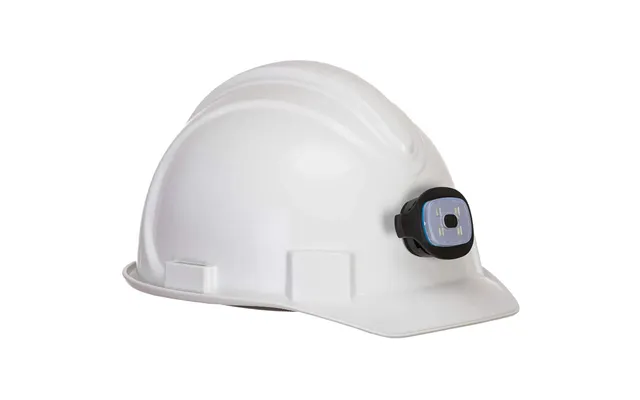
Before you dive into any hardhat price list or chase the latest deal, it pays to understand the main styles. Different jobs demand different protection, and the right choice starts with the shell shape and overall design. From classic cap styles to full-brim models and modern climbing-style safety helmets, each has strengths you’ll notice the minute you put it to work.
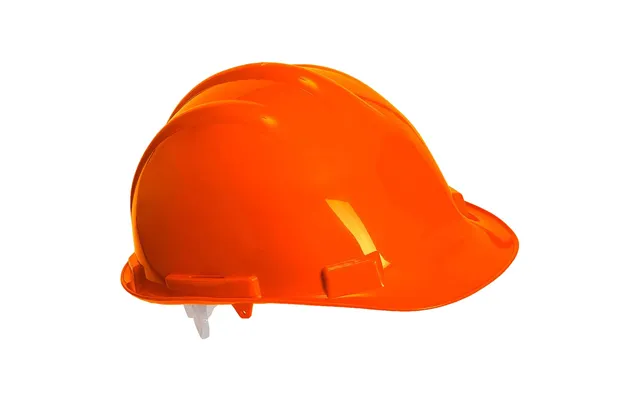
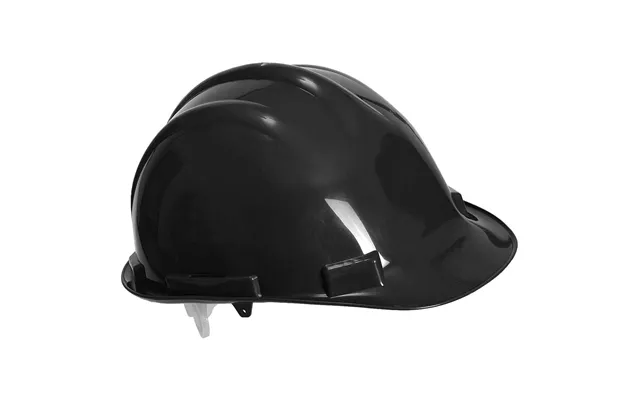
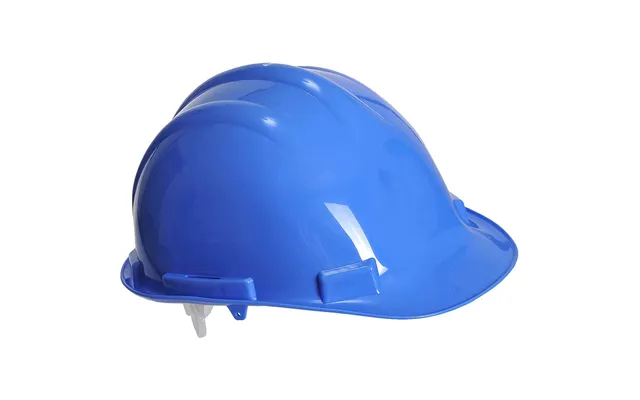
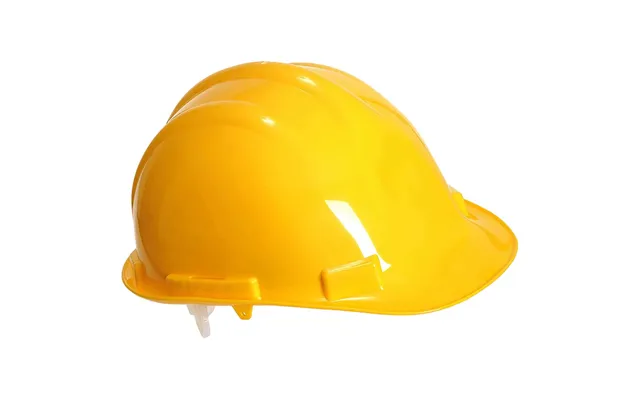
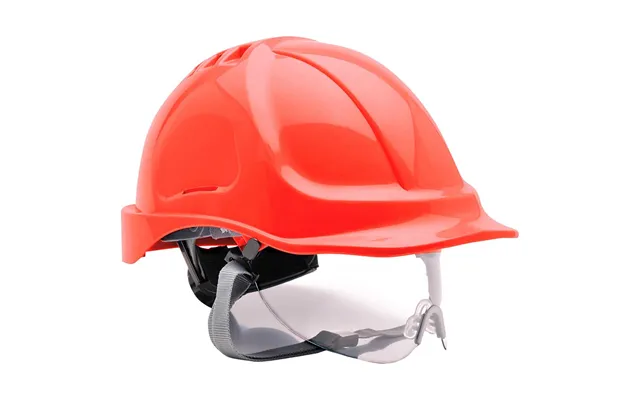
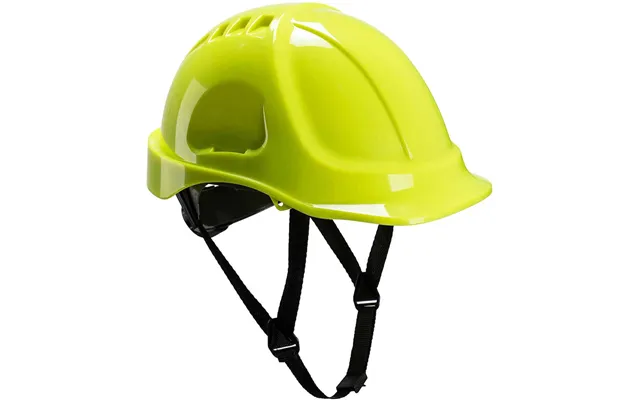
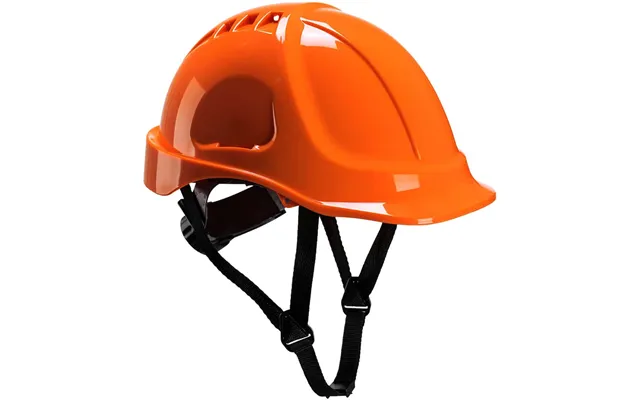
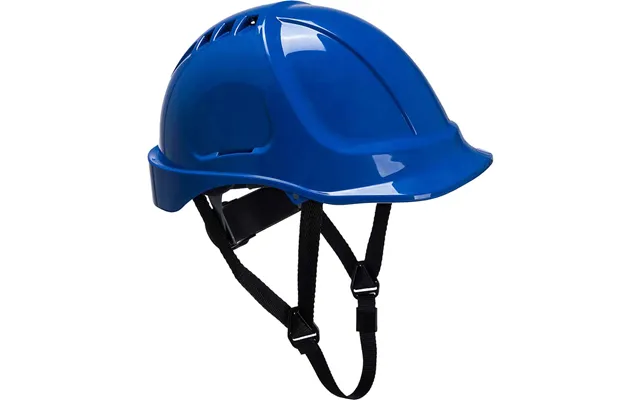
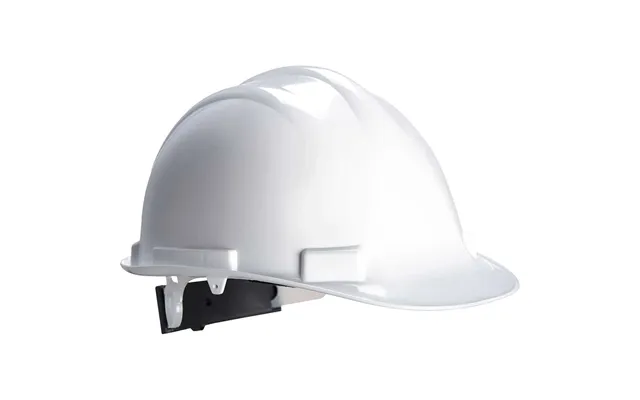
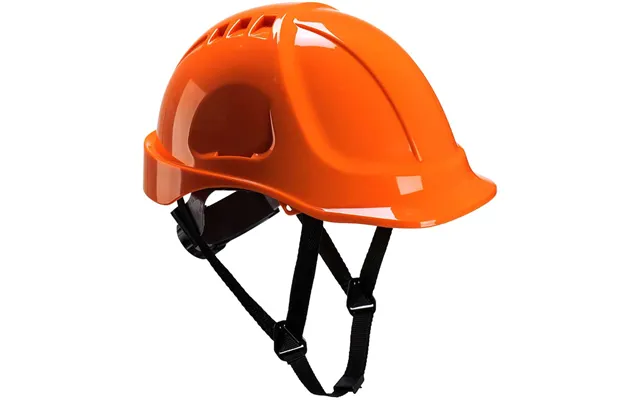
Cap style hardhats are the familiar, streamlined helmets with a short front bill. They’re a favorite for general construction, utilities, and industrial settings because they’re simple, compatible with accessory slots, and easy to pair with earmuffs or face shields. If “just works” is your vibe, cap styles offer reliable protection, quick adjustments, and no-fuss performance. They’re also often the most budget-friendly option—great if you’re scanning popular offers and want maximum value per pound.
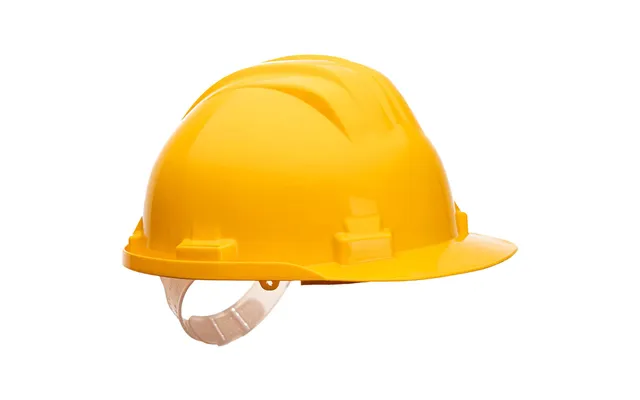
Full-brim hardhats extend a protective brim all the way around your head. That extra coverage helps shield your face, ears, and neck from sun, rain, and falling debris. If you’re outdoors a lot or wind and weather are part of your daily grind, full-brim designs are worth the small bump in price. The added shade can reduce glare, and the larger profile can help deflect material that might otherwise graze your shoulders or collarbone.
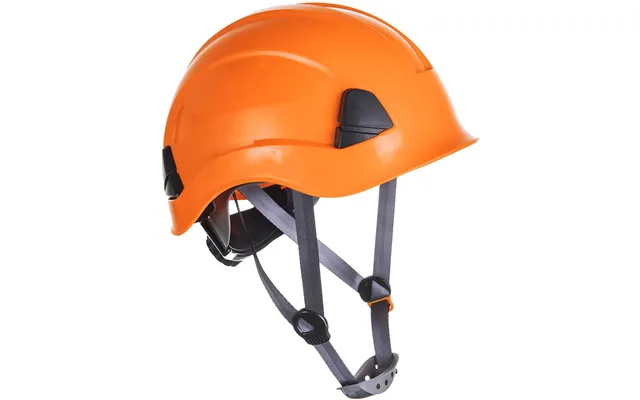
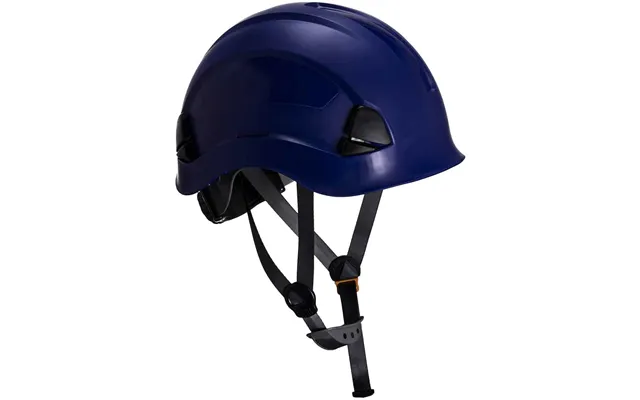
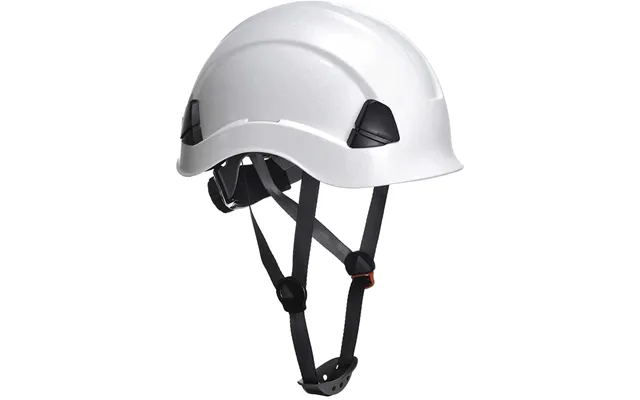
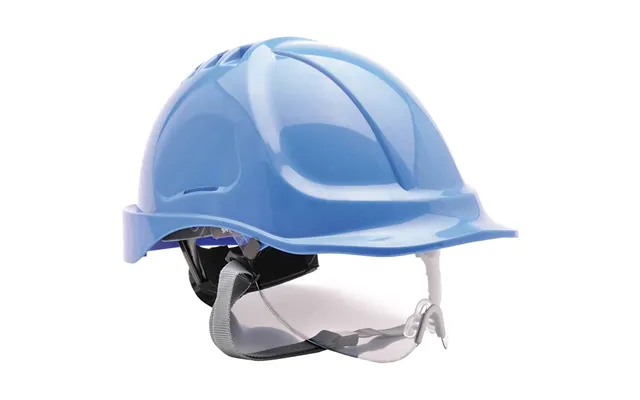
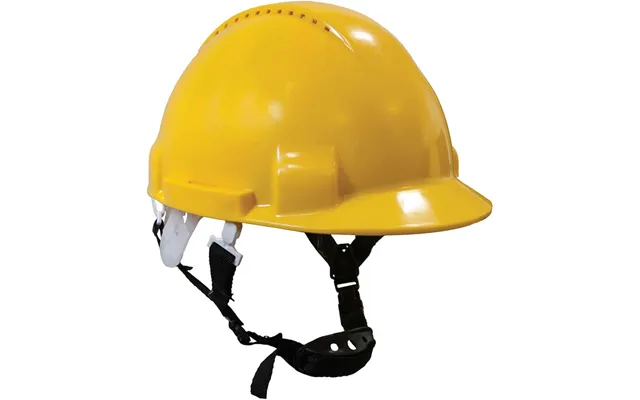
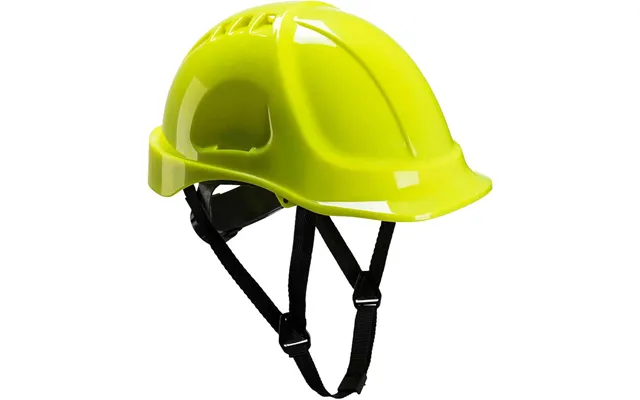
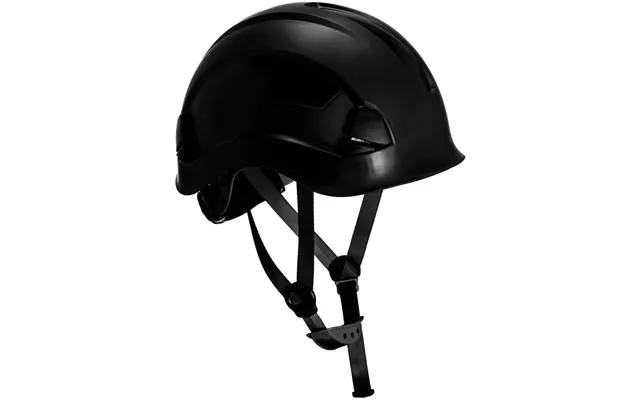
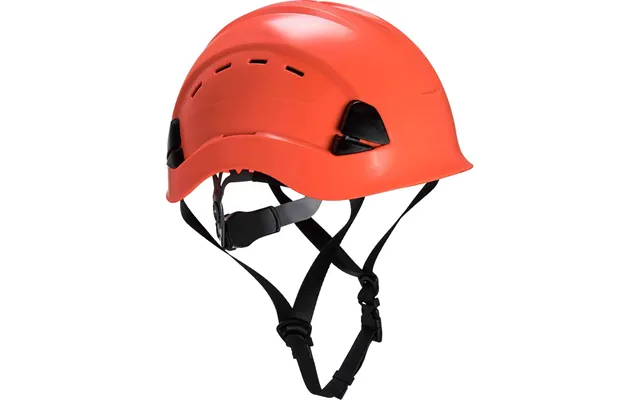
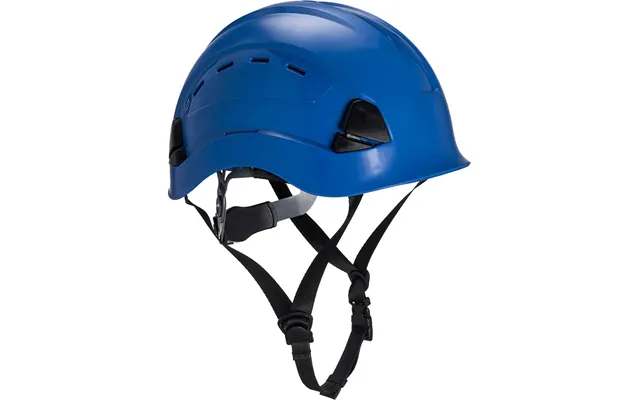
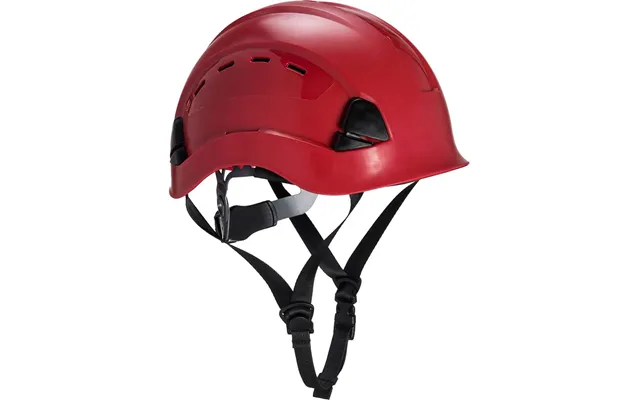
Climbing-style helmets bring a low-profile, wraparound design with a secure chin strap. They’re increasingly popular in roofing, scaffolding, tree work, and telecom—anywhere working at height is part of the job. Their snug fit helps the helmet stay put when you bend, twist, and look up, and the shell often includes additional coverage around the sides. If stability and all-day security are your top priorities, this style checks all the boxes.
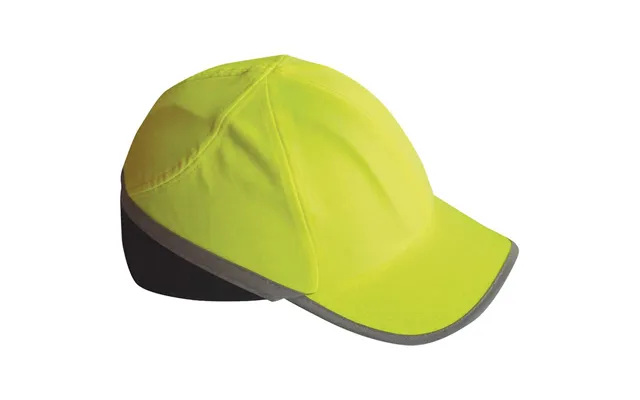
Let’s clear up a common mix-up: bump caps are not hardhats. Bump caps help prevent minor bumps and scrapes in low-clearance areas like warehouses, but they’re not designed for impact from falling objects. If your work involves overhead hazards—or there’s any chance of impact—you need a certified hardhat, full stop. Don’t let a low price tag lure you into using the wrong gear.
A hardhat’s material makes a big difference in weight, durability, and heat resistance. While most modern models are built to be both strong and comfortable, the material choice can dial in the balance you need based on your environment. Understanding the basics will help you read a product page like a pro and spot quality even when you’re scrolling quick.
ABS and HDPE shells dominate the market for a reason: they’re light, tough, and cost-effective. If your focus is everyday protection with minimal neck fatigue, these materials deliver. They also resist many common chemicals you’ll encounter onsite. For many buyers comparing popular offers in the UK, ABS and HDPE provide the best “value to comfort” ratio—especially for large crews or frequent replacements.
Working in hot zones or around equipment that radiates heat? Fiberglass and polycarbonate shells step up with better heat resistance and robust impact strength. They’re common in applications where elevated temperatures or more demanding conditions are on the table. If you’re cost-conscious, think of these as a strategic upgrade: spend a little more upfront to get performance that stands up to tougher environments, so you’re not replacing gear too often.
Here’s the truth: the safest hardhat is the one you don’t mind wearing all day. Comfort is not a luxury—it’s a safety feature. When fit, balance, and airflow feel right, you’ll wear your helmet correctly, every time. That’s why it pays to compare models not just on price, but on the little comfort details that make a big difference by lunchtime.
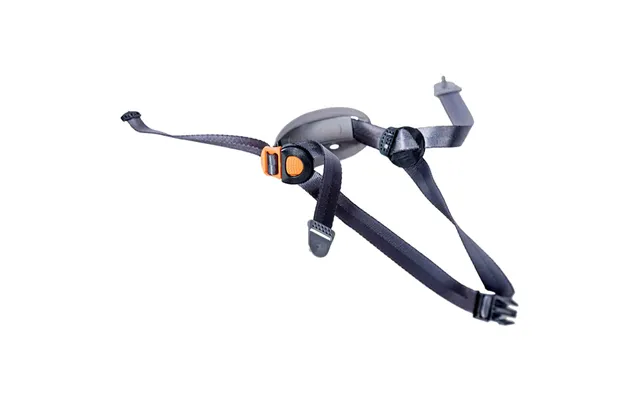
The suspension is the unsung hero of your hardhat. Four-point, six-point—what matters is how well it cradles your head and spreads out impact energy. Look for smooth ratchet adjusters that tighten and loosen with one hand, so you can tweak fit on the fly. Padding at the brow and crown adds comfort and helps with sweat control. If you ever felt a helmet “hot spot,” an upgraded suspension is your fix.
Vented shells can make a noticeable difference in hot conditions by allowing airflow across your scalp. That said, avoid vented models if you’re working around live electrical sources—closed shells are the safer choice in those environments. For sweat, soft brow pads and moisture-wicking liners are game changers. Replaceable pads also keep your helmet fresher longer, which your coworkers will silently thank you for.
If you’re climbing, leaning, or working in windy conditions, a chin strap is your best friend. It keeps your hardhat anchored so it doesn’t shift at the worst moment. Prefer a clean, classic look? Choose a cap or full-brim with optional strap points, so you can add a strap later if your tasks shift. Quick-release buckles make it easy to snap on, snap off, and keep moving.
Safety standards are your shortcut to confidence. In the UK and across Europe, EN 397 is the go-to standard for many industrial hardhats. For electrical insulation in certain low-voltage scenarios, EN 50365 applies to specific helmets designed for that purpose. Work-at-height helmets may reference EN 12492 for retention and impact characteristics. You’ll also see ANSI Z89.1 from the US on many global models; it distinguishes between Type I (top impact) and Type II (top plus lateral impact) as well as different electrical classes. The key takeaway? Match the standard to your task and environment, especially if you deal with overhead risks, side impacts, or live electrical areas.
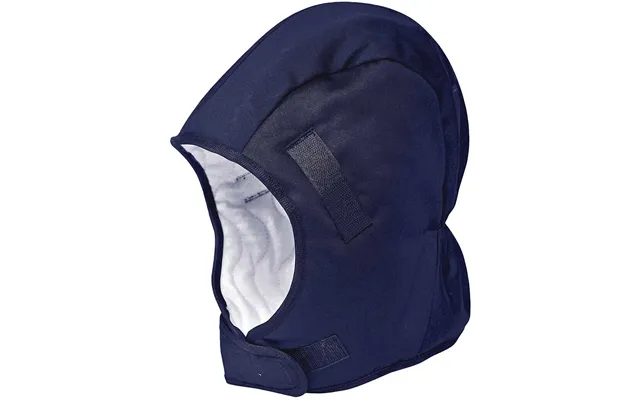
A hardhat that’s too loose wobbles and distracts you; one that’s too tight gives you a headache. To measure your head, wrap a flexible tape around your head about 1 inch above your eyebrows and ears, keeping it level all the way around. Typical adult head circumference runs roughly 21 inches to 24 inches, with some shells and suspensions accommodating a bit above or below. If you’re between sizes, pick the model with the broader adjustment range and a good ratchet system so you can dial it in over a beanie or under a hood when the cold hits.
Most adjustable hardhats cover a wide range, so you rarely need a “small” or “large” shell unless you’re at either end of the spectrum. If your tape reads about 22 inches to 23 inches, you’re usually in the sweet spot of mainstream sizes. When in doubt, check the manufacturer’s size chart to confirm the exact range in inches. And remember: hair thickness, under-helmet liners, and cap bills can affect fit, so try the helmet with the gear you plan to wear.
Low profile shells sit closer to the head, which many pros prefer for stability and a sleeker feel. High profile shells may offer a touch more internal space, which can be handy if you wear thick liners in winter. Neither is “better” in a vacuum—go with the silhouette that keeps your vision clear, your neck relaxed, and your suspension sitting level about 1 inch above your eyebrows.
The best hardhat isn’t just a shell; it’s a platform for accessories that let you work faster, safer, and with less fuss. If your tasks change from day to day, modular accessories mean your helmet transforms with you—no need for a drawer full of single-purpose gear.
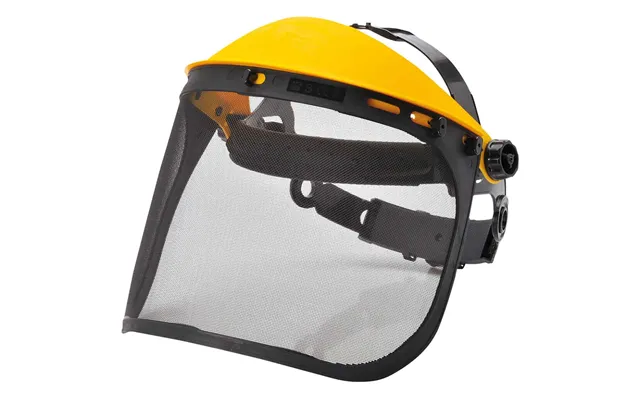
Integrated visors and face shields keep your eyes and face protected without juggling separate goggles or glasses. Clear shields are great for general tasks, while tinted visors can knock down glare in bright outdoor work. If you wear prescription glasses, look for face shields with a generous stand-off so they don’t rub against your frames.
Side slots on most hardhats are perfect for clip-on ear defenders, letting you swing them up when you need to talk and down when noise spikes. If you coordinate with a crew, consider helmet-mounted headsets that add hearing protection while letting you stay in sync without shouting over machinery. Less noise fatigue equals sharper focus and fewer mistakes.
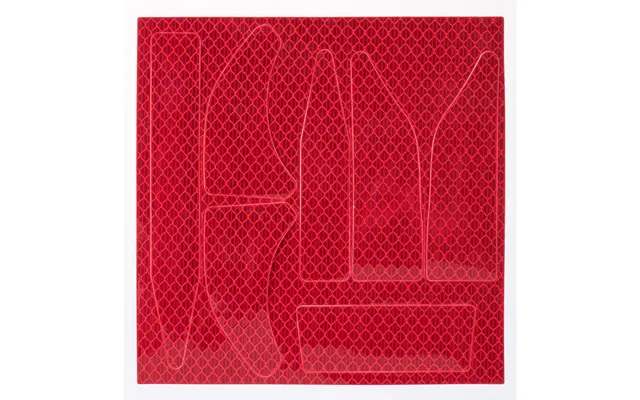
Helmet-mounted lamps keep your hands free and your beam exactly where you’re looking. For low-light or roadside work, reflective decals and high-visibility shells make you easier to spot. It’s a simple upgrade that pays off every time you step into a shadowy corridor or a foggy dawn.
There’s a reason “cheap” and “safe” don’t always go hand in hand. Still, smart shoppers know how to squeeze the most from every pound. Start by prioritizing the standard you need for your environment. Then add must-have comfort features—ratchet adjustment, decent padding, maybe ventilation if your tasks allow. After that, look at accessory compatibility so you don’t repaint yourself into a corner later. This approach keeps you safe today and flexible tomorrow.
Entry-level hardhats are perfect for general tasks and tight budgets. Mid-tier models add features like upgraded suspensions, better padding, and accessory integration. Premium helmets step up with side impact ratings, work-at-height configurations, and advanced materials. If the hardhat price list feels overwhelming, narrow by your environment: indoors vs. outdoors, at height vs. ground, electrical risk vs. none. Then compare two or three shortlisted models on comfort—because if you love wearing it, you’ll wear it right.
If your helmet took a hit, shows deep cracks, feels brittle, or the suspension looks tired, it’s time to replace. Sweat, sun exposure, and everyday knocks add up. Even if it looks fine, follow the maker’s guidance on service life—helmets aren’t forever. An affordable upgrade beats gambling with your most important asset.
With so many brands and models out there, smart pros compare prices, specs, and offers before buying. That’s where a dedicated comparison site helps. On a platform like ZoneOffer, you can scan popular offers, quickly evaluate features, and spot genuine value across multiple retailers without the guesswork. Remember, ZoneOffer is not a store—it gathers deals so you can make a faster, better-informed choice from the sources that sell the gear.
Start by filtering for the standard you need (EN 397, EN 50365, EN 12492, or ANSI Z89.1). Next, set a budget range and lock in essential features—like full brim, chin strap, or non-vented shell. Then compare comfort details: suspension style, padding, and adjuster type. Finally, check compatibility for the accessories you rely on, so your new helmet plays nicely with your face shields, earmuffs, and lamps.
Treat your hardhat well and it will return the favor. Dirt, grime, and solvents can degrade plastics over time, so a simple cleaning routine pays dividends. The goal is to keep the shell strong, the straps reliable, and the padding comfortable—so you always reach for it with confidence.
Clean the shell and suspension with mild soap and water, then air-dry. Avoid harsh chemicals or high heat. When the day’s done, store your helmet out of direct sunlight and away from dashboards, heaters, and windows. UV exposure can age plastics faster than you think. If your shell has a UV indicator, check it regularly; if it fades, pay attention and consider replacement sooner rather than later.
Give your helmet a quick once-over before every shift. Look for cracks, chalky spots, brittle edges, frayed straps, or broken clips. Replace worn suspensions and brow pads as needed—they’re inexpensive and make your helmet feel new again. Follow the manufacturer’s timeline on service life—if they recommend retiring a shell after a set period, add a reminder and stick to it.
Don’t drill holes in the shell to “improve ventilation.” Don’t store your helmet in the back window of a truck where it bakes all afternoon. Don’t slap stickers everywhere unless the manufacturer says it’s okay—some adhesives can weaken plastics. And don’t wear a baseball cap under your helmet unless it’s designed for it; you’ll lift the shell too high and compromise the fit. Small habits add up to big differences in protection.
Finding the right hardhat doesn’t have to be complicated. Start with your environment and the safety standard it calls for. Choose a style that matches your tasks—cap, full-brim, or climbing-style. Prioritize comfort so you’ll actually enjoy wearing it. Then compare popular offers to get the best price without cutting corners. With the right pick, your helmet becomes a trusted teammate: barely noticeable when the day runs smoothly, but invaluable the moment you need it. That’s money well spent and peace of mind you can feel the minute you suit up.
| Hardhats | Price | |
|---|---|---|
| Hardwar | £ 1,51 | |
| Portwest Replacement Helmet Sweatband - Black | £ 11,80 | |
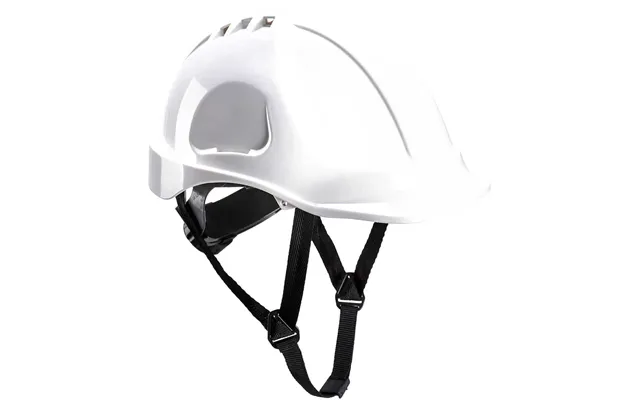
| Portwest Height Endurance Helmet - White | £ 15,42 |