All categories
Business & Offices
Electronics & Media
Fashion & Accessories
Groceries & Essentials
Health & Personal Care
Home & Living
Kids & Family
Sports & Outdoors
Search in ZoneOffer

Loading...
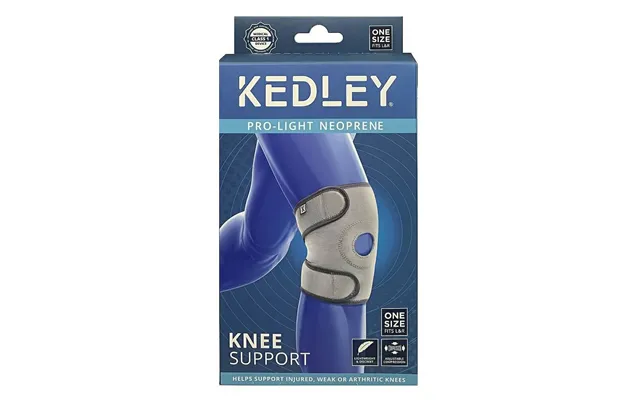
Ever dropped to your knees on rough concrete and felt that lightning bolt of pain shoot up your leg? That’s your body telling you to invest in safety knee pads. Whether you’re laying tile, framing a wall, roofing, or just tackling a DIY project that keeps you grounded, the right knee pads are like shock absorbers for your joints. They spread pressure, reduce impact, and keep sensitive structures in your knees protected so you can focus on the task, not the discomfort.
Think of your knee pads as the tires on a work truck: the right tread makes all the difference. You wouldn’t take slick tires onto a gravel road, and you shouldn’t take the wrong kneepads onto a gritty floor. With the right pair, long days become manageable, injuries are less likely, and productivity rises. Sounds dramatic? Not when you consider how much of your day is spent kneeling, squatting, and pivoting.
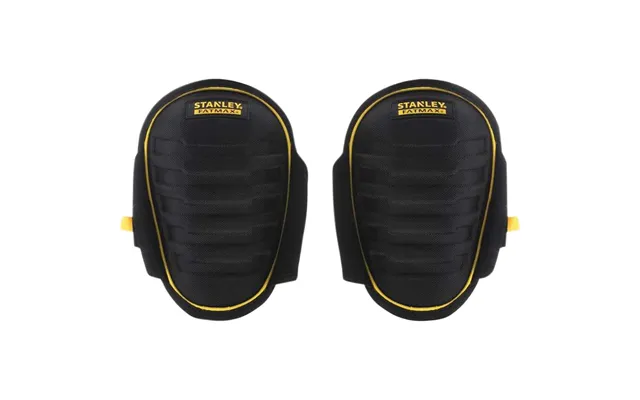
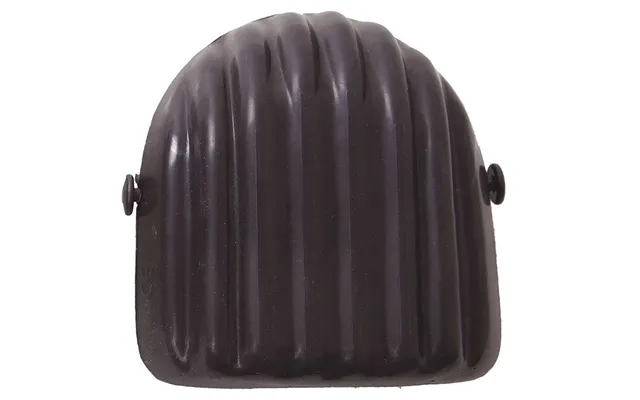
Hard-cap knee pads feature a tough outer shell—often a durable plastic—that lets you pivot and slide without snagging. If you’re working on rough concrete, framing lumber, or gravelly surfaces, these are your go-to. The hard shell keeps sharp edges at bay while the internal padding handles impact. They’re like skid plates for your knees, letting you move without grinding down the padding underneath.
Worried about scratching finished floors? That’s the one place hard caps aren’t ideal. Save them for gritty, unfinished spaces where toughness beats finesse every time.
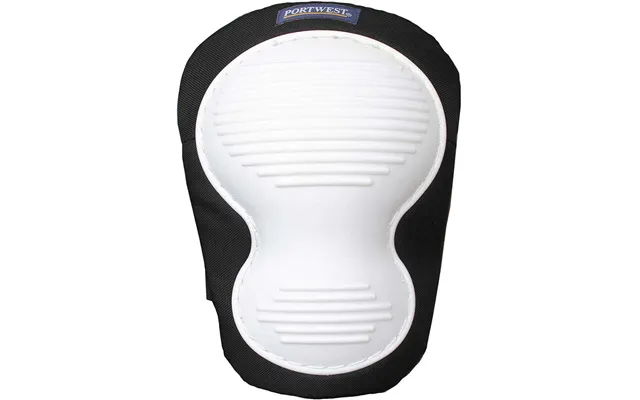
Soft-cap knee pads use a rubbery or fabric face over cushioning foam. They offer grip and stability without the risk of surface scratches, making them perfect for hardwood, vinyl, and painted finishes. If your day involves a lot of crawling or prolonged kneeling on delicate surfaces, soft caps provide a stable, non-marring platform that won’t slide out from under you.
They won’t glide like hard caps, so if you need to reposition frequently with quick turns, soft caps may feel a bit “stuck.” But for finish work, that controlled traction is a feature, not a bug.
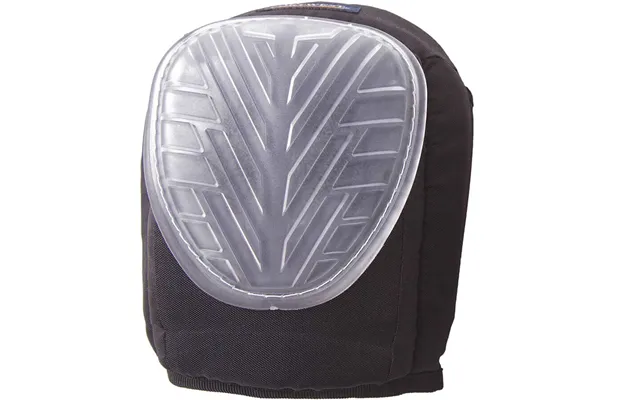
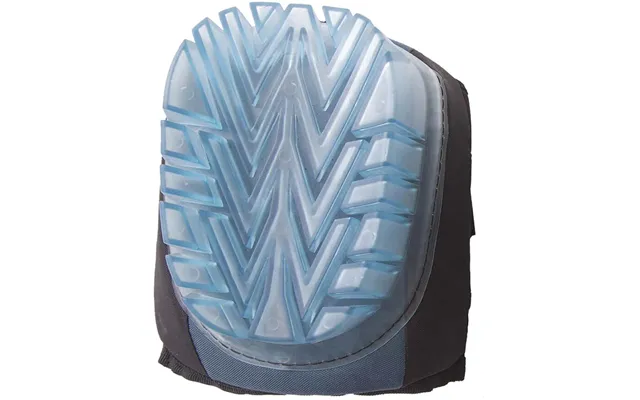
Gel knee pads cradle your knees with a soft, conforming layer that spreads pressure more evenly than standard foam. If you’ve got long hours on the floor—think flooring installers, tilers, or maintenance pros—gel padding can feel like a memory-foam mattress for your knees. It reduces hot spots and pressure points, helping you last longer with less fatigue.
Look for designs that keep the gel stable so it doesn’t shift to the sides when you kneel or lean. A well-placed gel core paired with supportive foam gives you the best of both worlds: plush comfort with firm support.
Stabilizer knee pads spread your weight over a larger area with a wide, flattened base—great for stationary tasks like tiling or detailed carpentry. They act like a stand for your knee, minimizing wobble and reducing pressure. If your knees feel wobbly or your balance suffers during long holds, stabilizers can deliver rock-solid confidence.
They can be a bit bulkier, so if you’re navigating tight spaces or climbing ladders all day, balance the added stability with how much space you have to move.
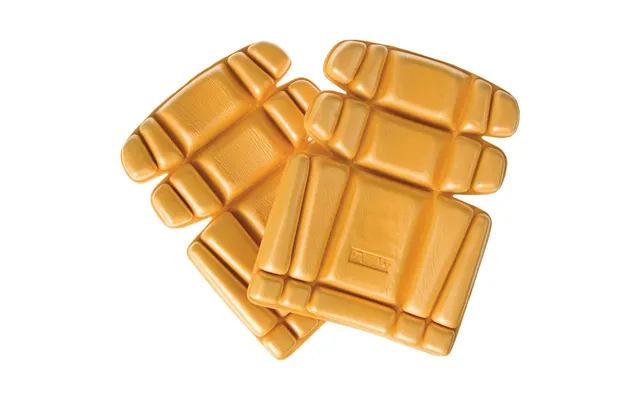
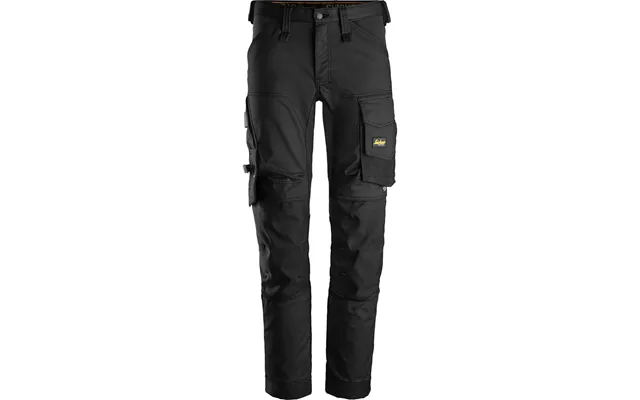
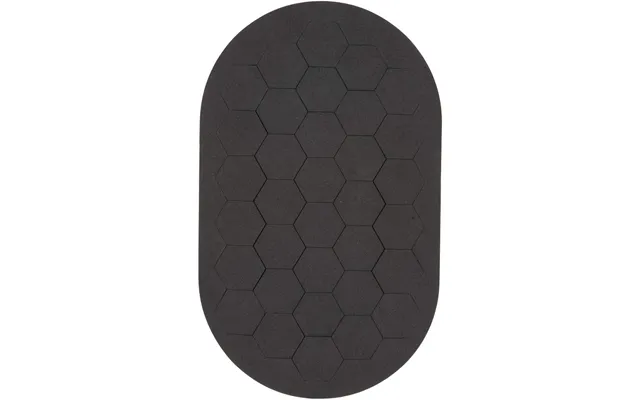
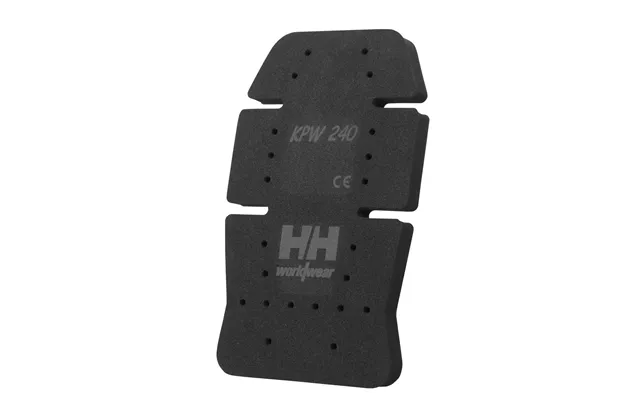
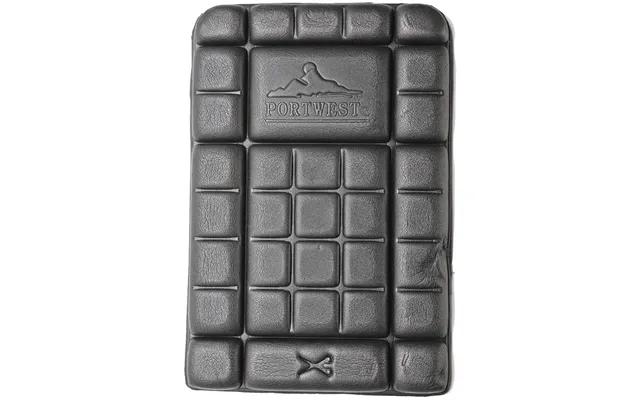
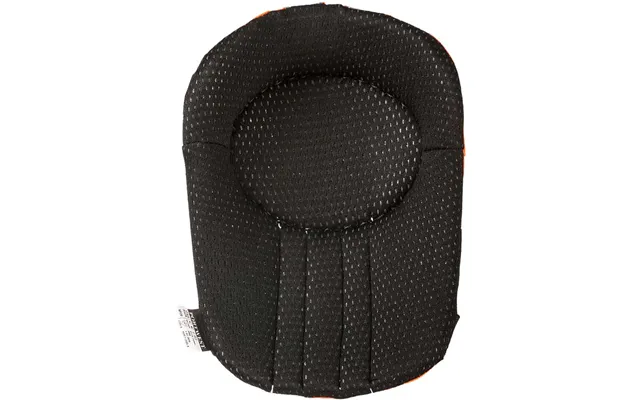
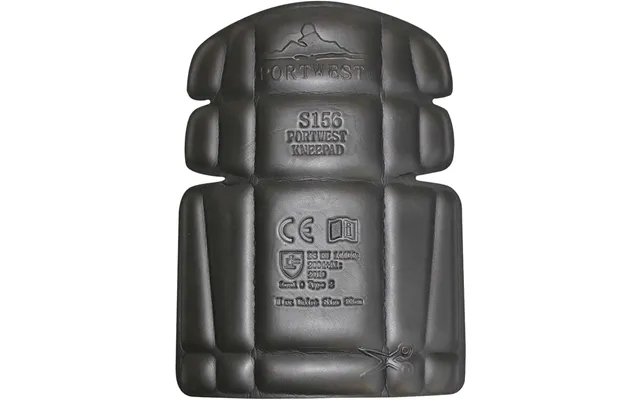
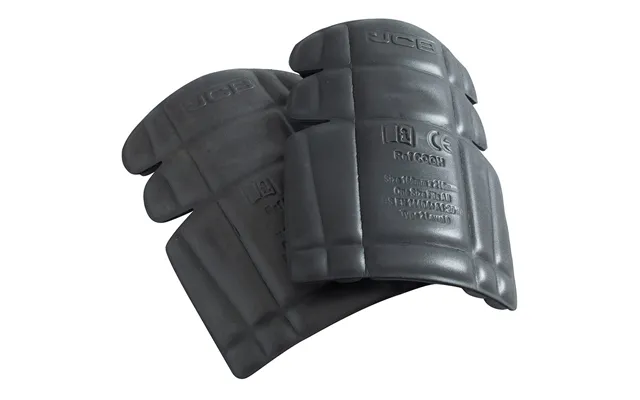
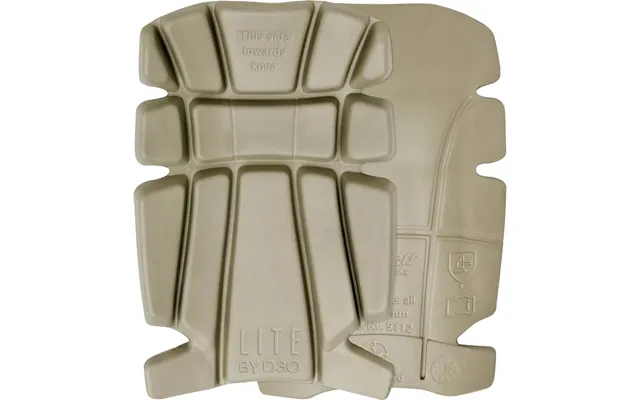
Some work trousers come with knee pockets that accept insert pads. The big advantage? No straps, no slipping, and no pinching behind the knees. Insert pads are excellent for jobs that switch between standing and kneeling because they’re there when you need them and invisible when you don’t.
Be sure your inserts match the pocket size of your trousers and look for ergonomic shaping that aligns with your kneecap. The right insert stays put, flexes with your movement, and feels seamless under your workwear.
Match the cap to your surface. Hard caps excel on rough, abrasive material and let you pivot without tearing the pad. Non-marring rubber or fabric caps protect finished floors and reduce scuffs. If you work across mixed environments, a hybrid design with a tough but grippy face can bridge the gap.
Pro tip: If a jobsite includes finished surfaces, avoid hard caps unless you’re laying down drop boards or protective sheets. It’s much easier to prevent a scratch than to fix one.
Padding is the heart of comfort. High-density foam resists bottoming out, while gel distributes pressure and adds plushness. A layered approach—gel on foam—often delivers the best balance. If your current pads feel like you’re kneeling on pebbles after an hour, you need denser foam or a thicker gel core.
As a rough guide, substantial padding that feels around half an inch thick or more provides noticeable comfort. But remember: density matters as much as thickness. A thinner, denser pad can outperform a thicker, spongy one.
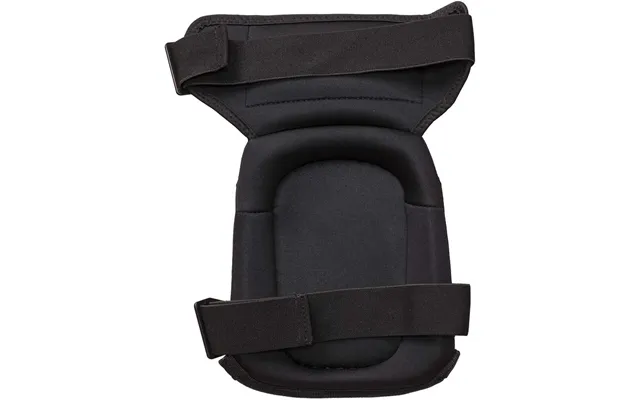
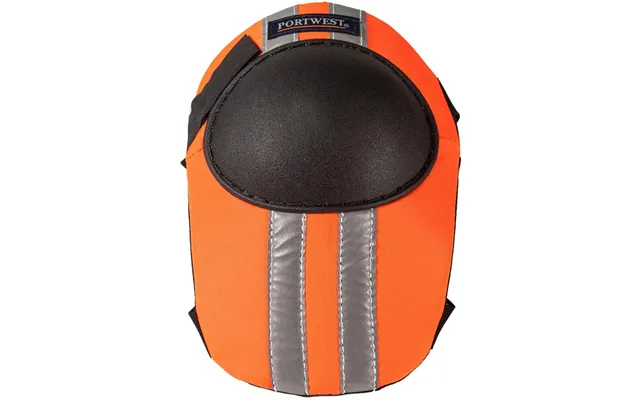
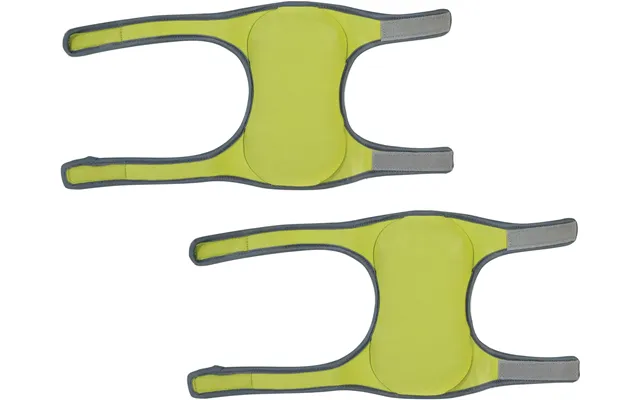
Straps are the make-or-break detail. Wide straps spread pressure and reduce pinching behind the knee. Neoprene and elastic offer stretch and comfort, while hook-and-loop closures make quick adjustments easy. Dual-strap designs prevent the pad from twisting; a top strap above the knee and a lower strap below the knee keep everything locked in.
If your pads migrate every time you stand up, try crossing the lower strap behind the knee or look for hinged designs that conform to your leg’s natural bend.
One size rarely fits everyone equally. Look for generous strap ranges and shaped shells that match the curve of your knee. If you have larger calves or wear heavy trousers, extra strap length and flexible anchors make life easier. Pads should hug without digging in; if you feel tingling or numbness, loosen up or choose wider straps.
Insert-style pads need to match your trouser pocket size. If they’re too small, they’ll slide; too large, they’ll bunch. Aim for a snug, easy-in fit that aligns with your kneecap when you kneel.
Hot, sweaty pads are the fast lane to discomfort. Mesh panels, perforated foams, and moisture-wicking linings help airflow and keep skin drier. If you work in warm environments or pull long shifts, breathable construction will be a game-changer by the end of the day.
Bonus: breathable pads reduce odor buildup and make post-shift cleanup quicker and easier.
Heavy-duty stitching, reinforced edges, and tough shells extend the life of your pads. If your job eats gear, prioritize abrasion-resistant faces and double-stitched straps. The best pads aren’t just comfortable—they survive the grind without flattening or fraying after a few weeks.
Check for securely anchored straps and robust hook-and-loop that doesn’t clog easily with dust and fibers.
Lighter pads are less fatiguing for jobs with a lot of walking and climbing. Heavier stabilizer pads shine for stationary work. Think about your day: are you up-and-down ladders or locked in place setting tile? Choose the weight profile that aligns with your movement patterns.
If you’re unsure, a midweight pad with a contoured shell often strikes a good balance between mobility and support.
Framers deal with splinters, screws, and rough surfaces. Hard-cap or hybrid pads with rugged shells thrive here. You’ll appreciate the ability to pivot and slide without snagging, and the caps will shrug off debris that would shred softer faces.
If you move frequently between tasks, pick a model with quick-adjust straps so you can fine-tune on the fly.
Flooring pros spend hours on delicate surfaces. Soft-cap, gel-cushioned, or stabilizer pads are your best bet. They spread pressure, prevent scuffs, and keep you steady when aligning planks or tiles. A wide, flat base helps maintain alignment during meticulous setting work.
Consider pads with non-slip faces so your knees stay put when you apply pressure with both hands.
On shingles or decking, you need grip and durability. Hybrid or soft-cap pads with high-density foam provide traction without tearing up the surface. A contoured shell that hugs your knee helps when you’re working on slopes.
Look for wide straps that won’t cut off circulation while you’re crouched for extended periods.
For yard work, you want comfort and easy cleanup. Soft or gel pads with washable linings keep dirt at bay and knees happy. If you’re kneeling in beds or on gravel, a slightly tougher face pays off without feeling overly rigid.
If you do a lot of weeding, consider a kneeling mat as a companion—more on that below.
In warehouses and facilities, you’ll kneel on concrete, metal grates, and smooth floors. A versatile gel or hybrid pad handles the mix without scuffing polished surfaces. Breathability helps on long shifts under warm conditions.
Need to crawl under equipment? Low-profile designs avoid snagging and make tight spaces less frustrating.
Weekend warriors need all-rounders: soft or hybrid pads that won’t mar floors but still handle occasional rough work. Gel cushioning makes projects feel less like a workout and more like a hobby.
If storage space is tight, choose compact pads that tuck easily into a toolbox or on a hook in the garage.
When you see references to safety standards on knee pads, that’s a sign the product has been tested for performance. Look for evidence of compliance with recognized knee protection standards for impact and penetration resistance. While not every task requires certified gear, standards help you compare apples to apples—especially if you work in environments with strict safety requirements.
If your employer mandates specific levels of protection, verify that the pads meet the stated criteria. It’s a simple step that can save you from failed inspections or, worse, inadequate protection when it counts.
Place the pad so the center of the cushioning sits directly over your kneecap. Too high and it’ll dig into your thigh; too low and it will slip. Adjust the top strap above the knee and the bottom strap below the joint to prevent the pad from twisting when you stand or pivot.
Keep straps snug but not tight. If the back of your knee feels pinched, try loosening the lower strap or switching to wider straps that distribute pressure better.
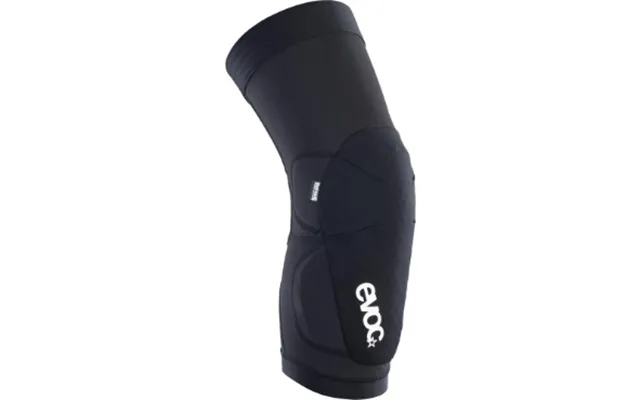
Most standalone pads are worn over trousers for easy adjustments and a secure hold. Insert pads slide into knee pockets so there are no external straps to manage. If you value a clean look and maximum Freedom Of Movement, insert pads paired with compatible work trousers are a great setup.
Working in dusty spaces? Over-trouser pads are easier to wipe down at the end of the day.
New pads can feel stiff. Give them a few sessions to mold to your knees and movement. If they still feel off after a couple of days, experiment with strap angles and tension. Small tweaks can make a big difference in stability and comfort.
If the pad constantly rotates or creeps down, consider a model with hinged side wings or a grippier inner lining.
Dust, sweat, and grime shorten the life of your knee pads. After each use, brush off debris and wipe the faces with a damp cloth. Removable liners or washable shells make cleanup painless—check the manufacturer’s care advice for best results.
To combat odor, let pads air-dry fully before tossing them in a bag or locker. Odor-control sprays and mild soap do wonders. Avoid harsh chemicals that can break down foam or fabrics; gentle care keeps padding responsive and straps strong.
When it comes to price, think lifetime value, not just sticker cost. A durable pair that stays comfortable month after month is cheaper in the long run than bargain pads that flatten in a week. Features like gel layers, reinforced stitching, and breathable linings are worth a bit more if they keep your knees happier and your workday smoother.
To find popular offers and a current price list across multiple retailers, use a trusted comparison site. Platforms like ZoneOffer let you scan deals side by side, filter by style and features, and zero in on the sweet spot between protection and price—all without hopping between dozens of tabs. It’s the quickest path to balancing budget and performance.
Don’t grab hard caps for finished floors unless you’re laying down protective sheets; one slip can leave a scar on your project. Avoid ultra-thin pads for long kneeling sessions—your knees will complain before lunch. And watch out for narrow straps that feel okay at first but cut in after an hour. Comfort compounds over time, so choose generously padded, well-ventilated designs that match your surfaces.
Finally, don’t ignore fit. Even top-tier pads disappoint if they’re too loose or too tight. A quick try-on and a few test kneels will tell you more than any spec sheet.
If you’re tired of strap adjustments, consider work trousers with knee pockets and compatible insert pads. The inserts move with you, won’t slip, and keep your silhouette clean. They’re ideal for pros who jump between standing and kneeling all day long.
Choose inserts with ergonomic shaping and firm support so they don’t fold or bunch when you bend.
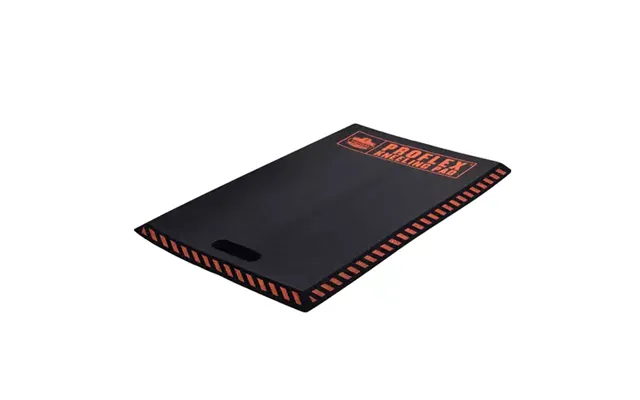
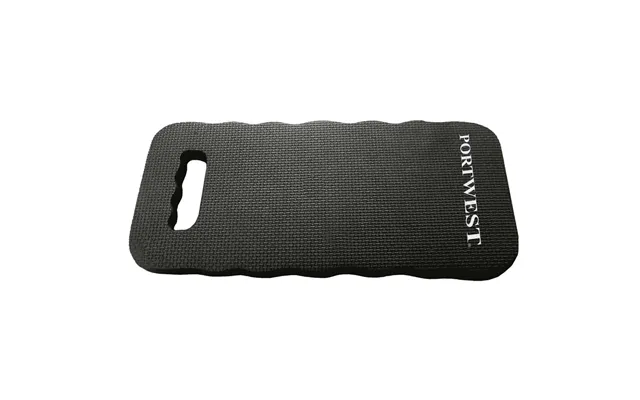
A portable kneeling mat is like a yoga mat for tough jobs. Toss it down for quick tasks or when you need extra cushioning on rocky or uneven ground. It’s a smart add-on for gardeners, electricians, and anyone who frequently moves between spots.
Mats won’t replace knee pads for all-day wear, but they’re brilliant as a secondary layer of comfort.
Protection doesn’t stop at the knees. If your work puts your elbows and wrists on hard surfaces, consider complementary pads or supports. They’ll help reduce pressure points and keep your joints happier through repetitive tasks.
Look for lightweight, breathable options that won’t hinder your range of motion.
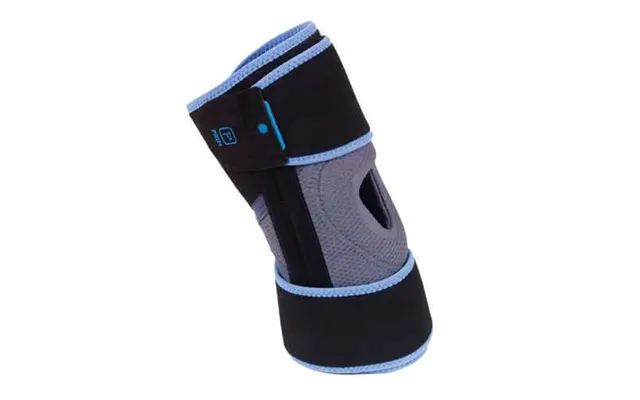
If you need extra joint stability, a support brace under your workwear can provide gentle compression and confidence. Pair it with padded knee protection for a one-two combo of support and impact mitigation.
As always, choose comfortable, breathable materials so you can wear the setup throughout a full shift.
Quality pads look and feel well-built: clean stitching, robust strap anchors, and a cap that doesn’t flex too easily under thumb pressure. Inside, dense foam or a gel-foam combo should rebound quickly when pressed. If a pad collapses flat and stays there, it won’t last long in the field.
Run a finger along the edges. Any sharp seams or rough fabric could rub your skin raw by day’s end. Smooth, reinforced edges are the hallmark of thoughtful design.
Durable gear is sustainable gear. A pair that lasts a year or more beats cycling through multiple cheap sets. Look for replaceable straps or caps if possible; swapping parts extends life and reduces waste. Cleaning regularly also keeps foam springy and fabric fresher, delaying replacement.
When you’re done with a pair, consider repurposing them for lighter-duty tasks or donating if they’re still serviceable.
Try before you buy when possible. Perform a few deep kneels, crawl a couple of steps, and stand up—pads should stay centered and comfortable. If shopping online, read user impressions focused on comfort during long sessions, not just initial feel. Everyone loves plush padding, but lasting support is what saves your knees at the end of the day.
Above all, match the pad to your surface and your shift length. Do that, and your knees will thank you—quietly, which is the best kind of thanks.
Safety knee pads are small gear with a big impact. The right pair protects your joints, improves your balance, and turns grueling floor work into something manageable. Start by choosing the style that fits your surface—hard cap, soft cap, gel, stabilizer, or inserts—then prioritize cushioning, strap comfort, and durability. Compare deals across multiple retailers using a reputable comparison platform to find popular offers and a price list that meets your budget. When your knees are cushioned and secure, you work faster, feel better, and finish the day ready for the next.
| Safety Knee Pads | Price | |
|---|---|---|
| Garden Knee Pad | £ 11,99 | |
| Memory Foam Garden Kneeler Knee Pads - Green | £ 13,92 | |
| Knee Straps Pair One Size Fits All | £ 15,99 | |
| 3m Futuro Sport Knee Brace One Size - 1 Unit | £ 24,50 | |
| Airtex Ost 218 Knee Protector Airtex Ost 218 | £ 37,- |