All categories
Business & Offices
Electronics & Media
Fashion & Accessories
Groceries & Essentials
Health & Personal Care
Home & Living
Kids & Family
Sports & Outdoors
Search in ZoneOffer

Loading...
If your mic is the hero, the stand is the trusty sidekick that quietly makes the magic happen. A rock-solid microphone stand keeps your sound consistent, your posture comfortable, and your setup looking professional. Whether you’re tracking vocals, streaming from your desk, or playing live, the right stand is the difference between smooth sessions and frustrating fumbles. The good news? There are plenty of popular offers and price lists in the UK right now, so you can upgrade without overspending. Ready to match your mic to the perfect stand—and save while you’re at it? Let’s break it down.
Ever tapped a wobbly stand mid-take? That unwanted rumble can creep into your recording and wreck a perfect performance. A stable base, a well-engineered boom, and tight joints limit handling noise, floor vibrations, and mic sag. Think of it like mounting a camera on a tripod—if the support sways, the shot suffers. The same goes for audio: a sturdy stand keeps your capsule positioned exactly where it needs to be, session after session, so your takes sound consistent and clean.
Good ergonomics equals better performances. A stand with the right height range and reach helps you maintain a natural posture, whether you’re seated at a desk or standing at center stage. Adjustable booms let you place the mic close without hunching over, while quick-release clamps and smooth knobs simplify setup between songs or scenes. When you’re not wrestling the hardware, you can focus on nailing the delivery.

From sleek desktop arms to heavy-duty stage rigs, mic stands come in several flavors tailored to different tasks. Knowing the types helps you shop smarter, read price lists with confidence, and spot a genuine deal. Here are the main categories worth comparing in the UK market right now.
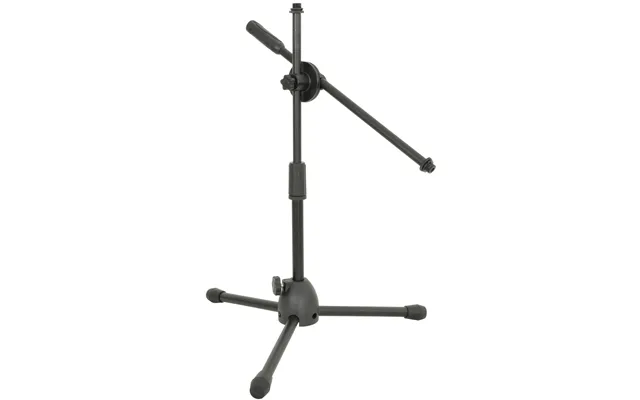
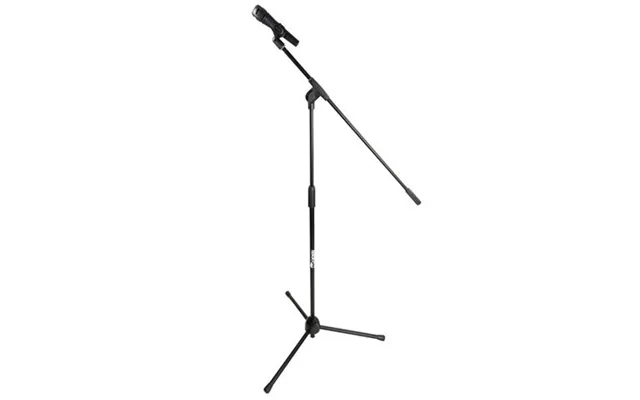
The all-rounder of the audio world. Tripod boom stands combine a three-legged base with an adjustable boom arm for flexible positioning. They’re ideal for singers who also play guitar, placing the mic exactly where you need it without the stand getting in the way. Look for folding legs for portability, a metal counterweight on the boom for balance, and a height range that covers roughly 35" to 65" so you can use it seated or standing.
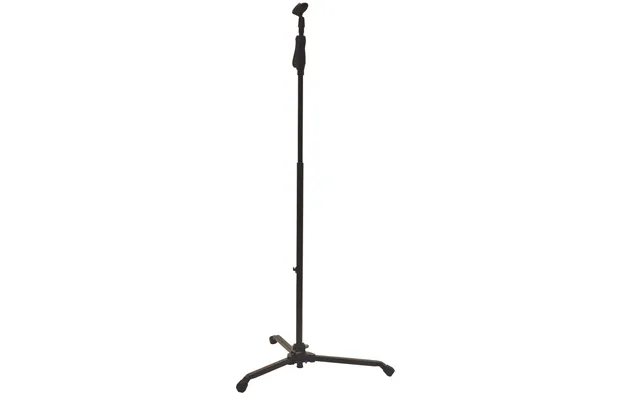
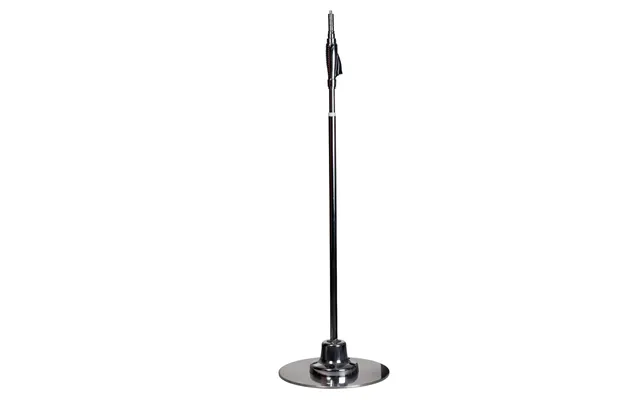
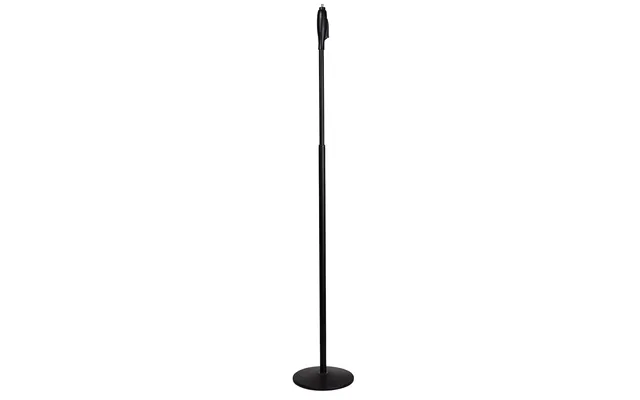
If you need maximum stability in a minimal footprint, a round-base straight stand is a classic. The weighted base resists tip-overs and doesn’t sprawl across the floor, which is great for tight stages. They’re perfect for lead vocals and podium speeches. Add a short boom attachment if you want a bit of reach without going full tripod. Bonus: round bases are tidy, so cable runs stay clean and trip hazards are reduced.
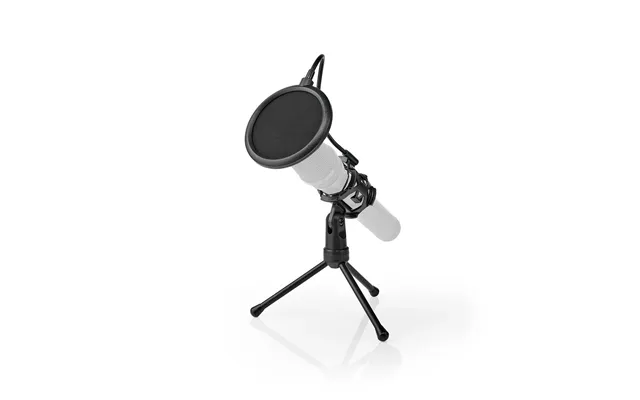
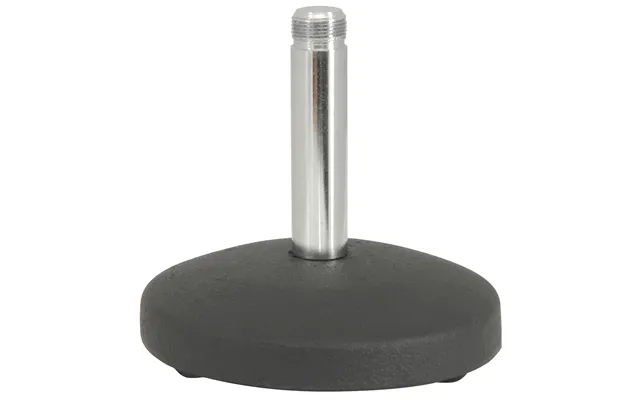
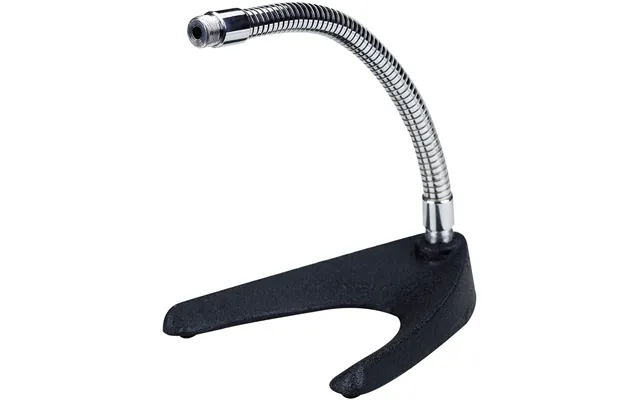
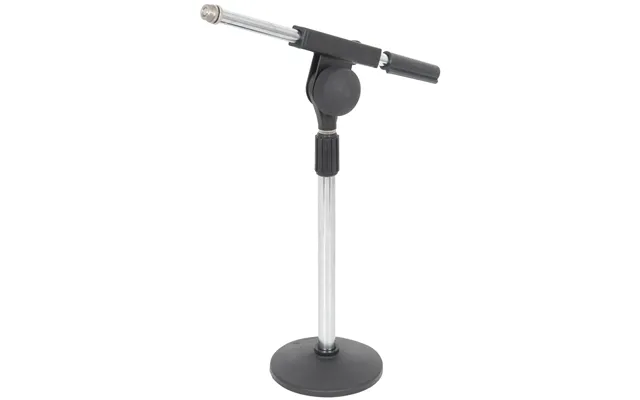
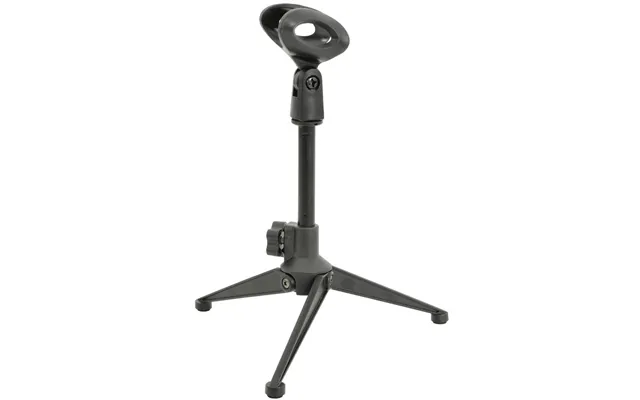
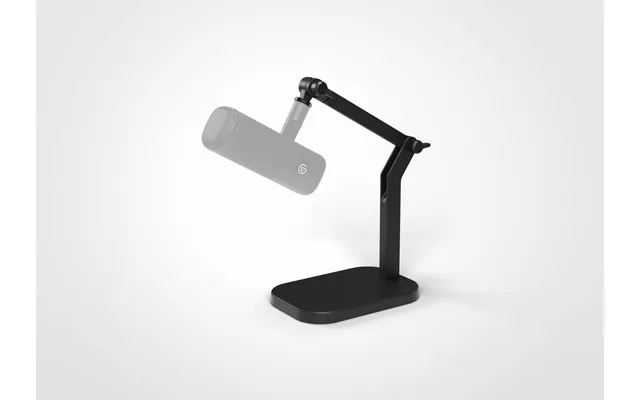
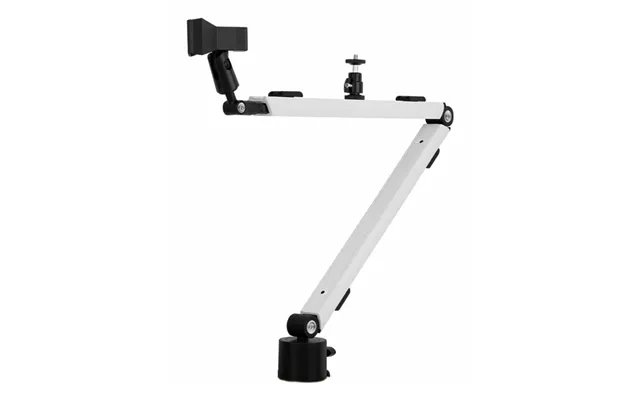
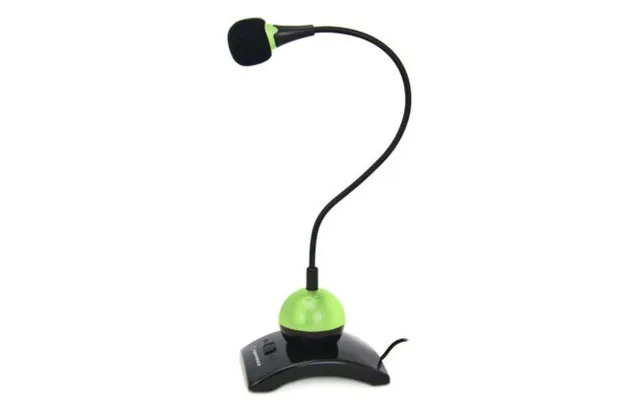
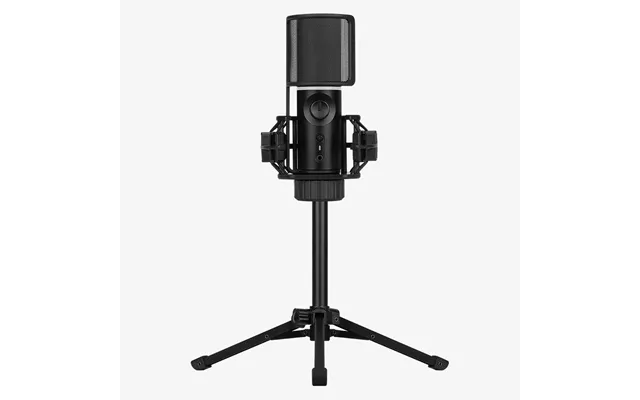
Short, sturdy, and made for podcasts, voiceovers, and amp miking, these live on tabletops and near floor level. A desktop stand keeps your mic steady next to your keyboard, while a low-profile stand tucks under a snare or in front of a guitar cab without blocking your path. Choose heavier bases for heavier mics, and consider a shock mount to isolate vibrations from desk taps and keyboard clicks.
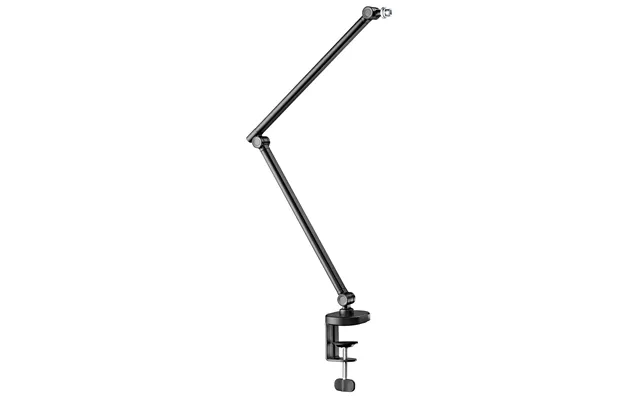
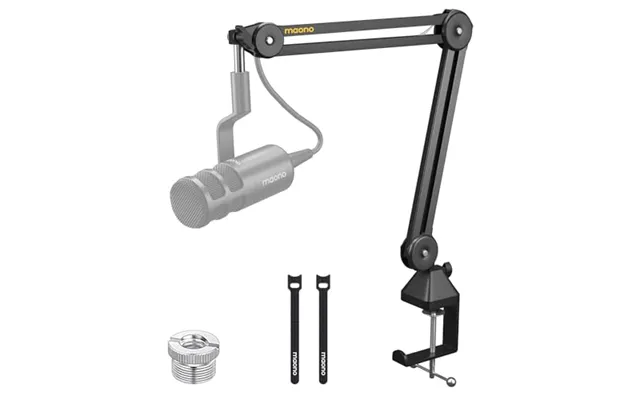
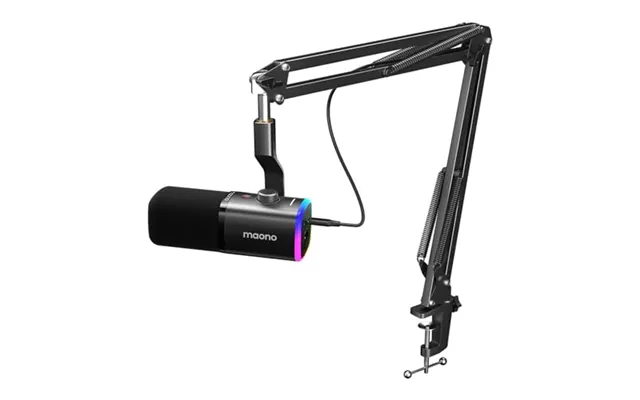
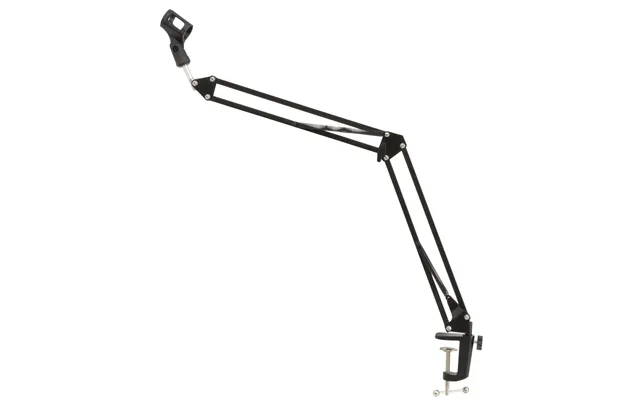
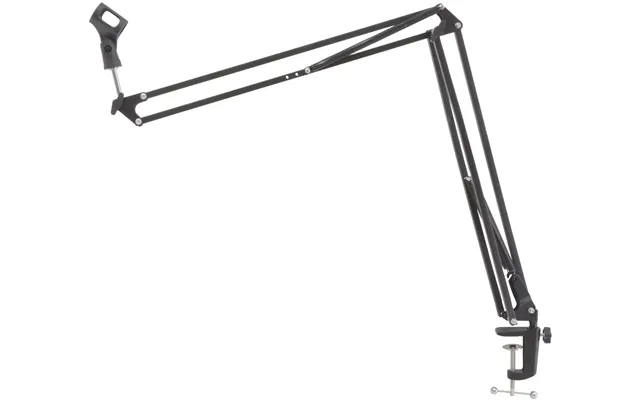
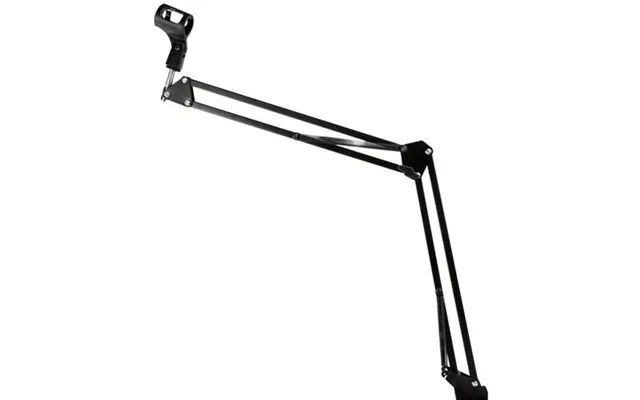
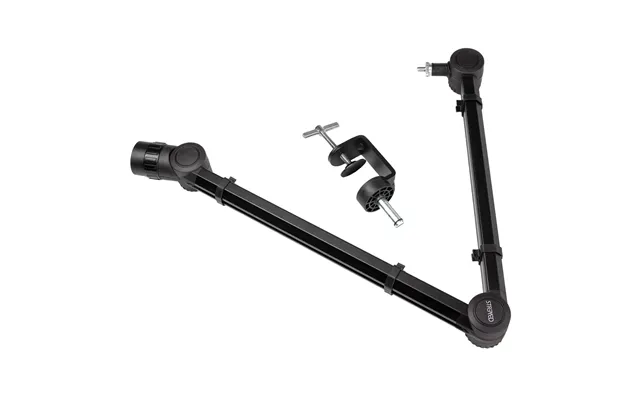
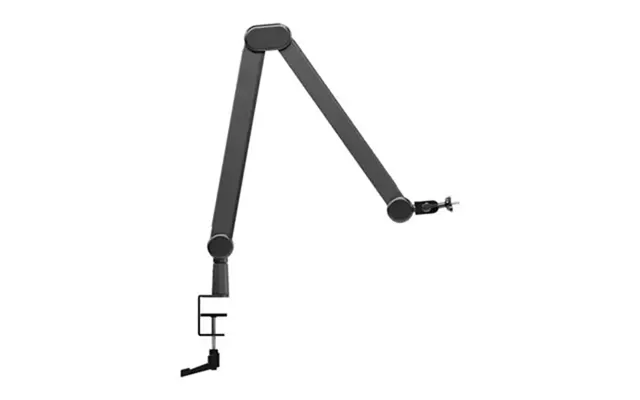
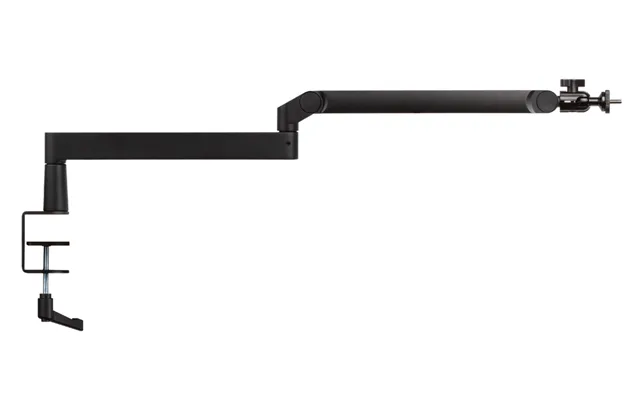
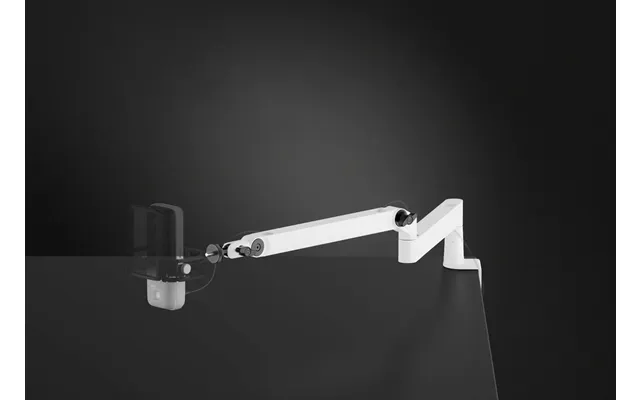
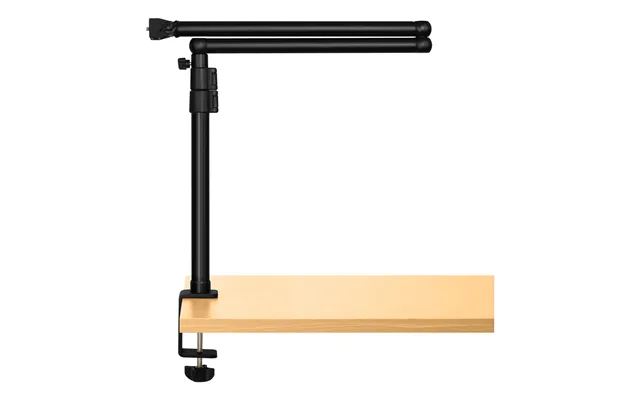
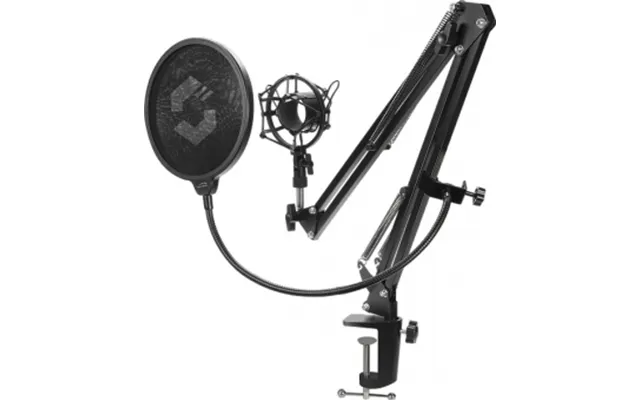
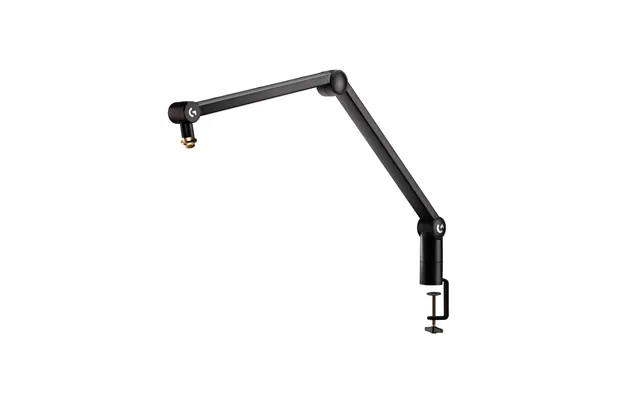
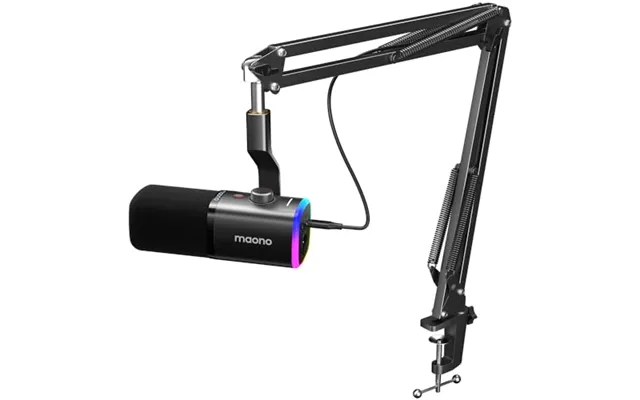
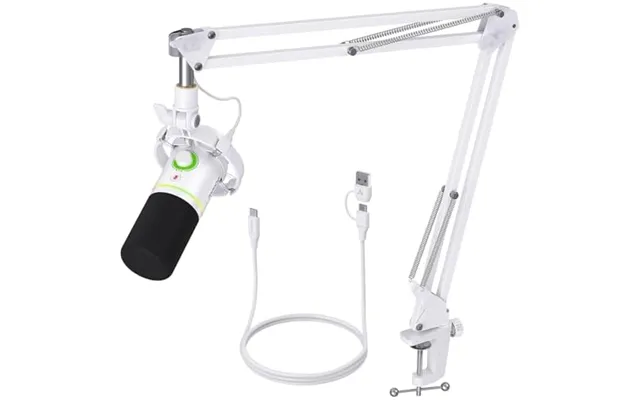
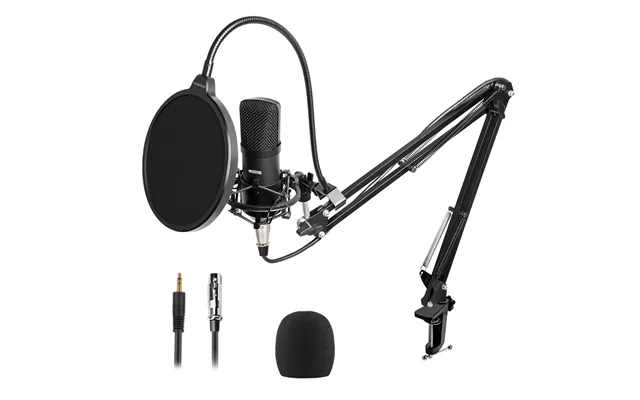
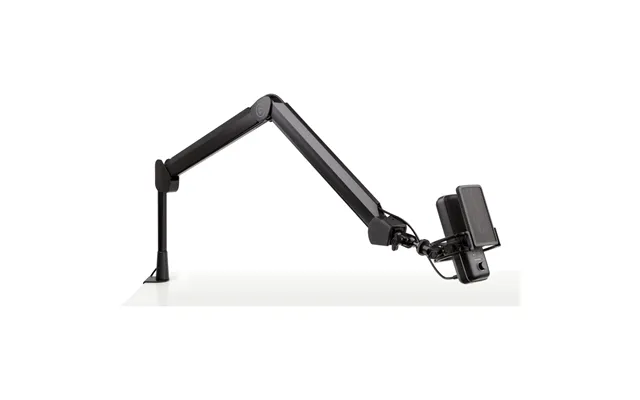
Broadcast arms clamp to your desk and swing into position, making them a favorite for streaming and radio-style setups. They keep the mic off your workspace and out of frame while still being instantly adjustable. Look for internal springs or concealed tension systems, clean cable routing, and a reach of around 30" to 38" so you can position the mic comfortably without overextending the arm.
These compact stands are built to squeeze into tight spots—think under cymbals, in front of amps, or around a kick drum. They typically include short booms and strong, low-level legs for stability close to the floor. If your sessions involve drums or amps, having a few of these in your kit means less improvisation and more repeatable mic placement.
Comparing microphone stands isn’t just about price tags—it’s about specs and build quality that fit your use. When you scan a price list or hunt for popular offers, keep these features front and center. They determine how well a stand supports your workflow and how long it lasts.
Match the stand’s adjustability to your space and style. For general studio and stage use, a height range from about 35" to 65" covers most needs. For seated podcasting, look at desktop arms with a reach of around 30" so you can sit comfortably while bringing the mic right to your mouth. Need overhead drum placement? Choose booms with longer arms and reliable counterweights to prevent sagging.
Tripod legs spread out for stability, but take up more floor space. Round bases save room and resist tipping, but they’re heavier to carry. If you’re gigging, quick-folding legs and a moderate weight will save time and energy. In tight offices or home studios, a low-profile base or clamp-on arm keeps the area neat and safe.
Most UK and US mic mounts use a 5/8"-27 thread. Some accessories arrive with a 3/8" thread, so keep a 3/8"–to–5/8" adapter handy. If you switch between shock mounts, clips, and broadcast arms, quick-release adapters save time and reduce wear on the threads. This tiny detail avoids mid-session delays and prevents cross-threading.
Built-in cable channels or clip-on guides keep your setup clean and reduce snags. On broadcast arms, internal routing hides the cable and adds a pro look. On stage stands, simple hook-and-loop straps keep lines tidy and prevent trips. It seems cosmetic, but smart cable management prevents noise and chaos when you’re moving fast.
Hauling gear? Pay attention to weight and foldability. A lighter tripod boom is easier on your back, but a heavier base will resist bumps better. Aim for a balance: rugged enough to hold your mic securely, light enough to carry between rehearsals and shows. If you’re traveling often, a collapsible design and a carry bag are worth the investment.
Different scenarios call for different stands. Matching your use-case to the right design means fewer headaches and better results. Here’s how to pick with purpose—and snag the best value when browsing UK price lists and offers.
Go for a broadcast arm that clamps to your desk, keeps the mic at mouth height, and moves smoothly with minimal noise. Choose one with internal springs so adjustments don’t ping on mic. Add a shock mount and pop filter to tame rumbles and plosives. If your desk surface is sensitive, use a padded clamp and felt pads to avoid scuffs.
A sturdy tripod boom stand shines here. Set the boom slightly off-axis to keep the base out of the way while standing. For large-diaphragm condensers, add a counterweight and shock mount. If you record acoustic guitar and vocals, the adjustable boom lets you set up quickly without reconfiguring the entire space. Keep a set of cable clips handy to stop cables from tugging the mic.
For lead vocals, round-base straight stands are a crowd favorite. They’re stable, don’t occupy much room, and are quick to reposition between songs. If you need an instrument mic too, bring a tripod boom for flexibility. Choose durable finishes and metal adjustment points—plastic parts can loosen under heavy use and frequent setup/teardown.
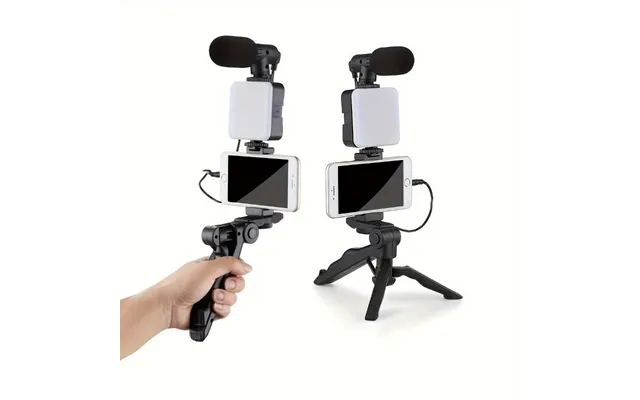
Portable desktop stands and foldable tripods are your friends. Look for low-profile bases that slip into a backpack, quick-lock mechanisms, and lightweight materials. If you stream from different rooms, a compact broadcast arm with a removable clamp lets you set up anywhere without permanent mounts.
When you’re scrolling UK price lists and popular offers, certain names pop up because they consistently deliver value. Comparing by brand can help you narrow choices fast—then sort by features and price to find the sweet spot for your setup.
Broadcast arms from these companies are common in podcast studios and streaming rooms. Expect smooth articulation, solid clamping, and tidy cable routing. If you plan to move the arm a lot on-air, prioritize models with silent spring systems and sturdy joints to avoid squeaks mid-sentence. Pair with a 5/8"-27 shock mount to keep everything secure and quiet.
For floor stands, these brands are frequent favorites. They offer dependable locks, reliable booms, and bases that stay put. If you’re rough on gear, look at models with metal clutch systems and reinforced leg joints. For studio-first users, a slightly heavier base can be a blessing—less drift, less fuss, and fewer retakes.
A stand on its own is just the start. The right accessories make everything feel dialed-in, from the moment you hit record to the final take. Add what you need now, and leave room to upgrade as your sessions evolve.
Shock mounts isolate the mic from stand-borne vibrations and desk rumbles. Pop filters banish plosives without making your voice sound muffled. Together, they’re a powerful combo for voice and vocals. If your mic is heavy, confirm the shock mount’s weight rating and secure the filter with a firm gooseneck that won’t droop mid-take.
Mic clips seem basic until you’re juggling three setups in one afternoon. Choose solid, tight-gripping clips that match your mic’s size. Quick-release adapters let you swap mics or mounts in seconds, reducing the wear and tear on your stand’s threads. That tiny convenience pays off when the clock’s ticking.
Long booms and heavy mics can creep downward if unbalanced. A rear counterweight helps keep the boom level and reduces stress on the pivot. On stage, a small sandbag draped over a leg or base can add insurance against bumps without drawing attention to itself. Stability is your sound’s best friend.
Protect your stand in transit with a padded bag or case. This isn’t just about dings—good cases keep clamps and knobs from catching on other gear, which extends their lifespan. If you carry multiple stands, use a segmented bag so legs and booms don’t grind against each other.
There are great values out there if you know how to look. Browsing popular offers and a clear microphone stands price list helps you see how features stack up against cost. It’s not only about the cheapest option—it’s about getting the right stand at the right price with the build quality you need.
Start with your must-haves: height range, boom reach, base type, and thread size. Then compare materials and locking mechanisms. If two stands look similar, the difference often lies in clutch design, tubing thickness, and base weight. Those little details matter for reliability and day-to-day ease of use.
Deals pop up around seasonal sales, gear clearances, and new product launches. Keep an eye on bundles that pair stands with shock mounts or pop filters—they can stretch your budget further. If you’re planning a studio revamp, timing the purchase can snag you higher-tier gear for mid-tier prices.
Using a comparison site like ZoneOffer makes it easy to see top microphone stand deals, listings, and specs side-by-side. Instead of bouncing between tabs, you can scan price drops, popularity, and product highlights in one place. It’s a smart way to spot genuine savings and avoid overpaying for features you don’t need.
Even the best stand needs a thoughtful setup. A few simple habits keep your mic right where you want it, eliminate buzzes, and prevent those mysterious thumps in your tracks. Consider these small tweaks your “set-and-forget” toolkit.
Once your mic is mounted, gently tighten each joint and balance the boom with the mic in place. If the boom slowly drifts, add a counterweight or shorten the reach. Then tap-test the stand: a light tap on the base should not translate loudly into the mic. If it does, check your shock mount, cable path, and floor surface.
Run the cable along the stand, secure it with clips or straps, and leave a small “service loop” near the mic so the connector isn’t tugging on the capsule. Avoid tight bends at the XLR connection. On broadcast arms, use internal channels if available; on floor stands, keep cables near legs or the round base to reduce trips and pulls.
Use rubber feet on tripod legs and felt or rubber pads under round bases to reduce vibration transfer. For desk-mounted arms, a protective pad under the clamp prevents dents and keeps the arm from creeping over time. Simple, inexpensive—and surprisingly effective.
Stands are simple machines, but they take daily abuse. A little maintenance goes a long way. If something feels off, it’s usually fixable with small adjustments or a low-cost part swap. Here’s how to quickly triage the usual suspects.
If your boom sinks, first tighten the boom pivot and check the counterweight. Make sure your mic and shock mount don’t exceed the stand’s recommended load. If the joint still slips, a small friction washer or replacement clutch can restore grip. Keep joints clean and free of oil to avoid unintended slippage.
Cross-threading happens fast—start by hand, then snug with minimal force. If threads feel gritty, gently brush them clean. A worn adapter is cheap to replace; don’t risk a mic drop over a $5 part. Quick-release systems are a great upgrade if you swap mics often.
Footfall thumps traveling up the stand? Add a shock mount, use thicker rugs under the stand, and shift the base slightly off the direct walking path. A heavier base or a small sandbag helps, too. For desktops, a foam isolation pad can tame keyboard and mouse noise reaching the mic.
Audio setups evolve. You might start with one mic and end up managing a podcast, a live stream, and a band rehearsal. Choosing modular, durable stands now means you can adapt without replacing everything later. Think upgrade paths, not one-time purchases.
Pick stands that accept attachments like extra booms, phone holders, or tablet mounts. Keep a small kit of adapters, clips, and cable guides so you can reconfigure on the fly. If your stand survives frequent retooling without wobble or wear, you’ve got a keeper.
If future sessions involve more mics—drums, choirs, roundtable podcasts—consider a mix of stands: tall tripod booms, low-profile amp stands, and one or two broadcast arms. This blend covers every angle without compromise. With smart comparisons and a watchful eye on UK offers, you can build piece by piece without breaking the bank.
The right microphone stand is more than a metal pole—it’s a quiet cornerstone of great sound. By understanding the types (tripod booms, round-base straight stands, desktop arms, and more), comparing key features (height, reach, base design, and thread size), and adding smart accessories (shock mounts, pop filters, quick releases), you’ll get pro results with less hassle. Scan popular offers and a clear microphone stands price list to score the best value, and use a trusted comparison site to line up specs side-by-side. Lock in stability, tidy your cables, and future-proof your rig. When your stand does its job, your mic—and your performance—can truly shine.
| Microphone Stands | Price | |
|---|---|---|
| Qtx 180.057uk Microphone Stand Desktop Microphone Stand | £ 10,92 | |
| Pdt Rockjam Scissor Arm Mic Stand | £ 15,42 | |
| Pdt Rockjam Boom Microphone Stand | £ 31,45 | |
| Nzxt Boom Arm Boom Microphone Stand | £ 43,82 | |
| Streamplify Mount Lift Desktop Microphone Stand | £ 45,46 | |
| Streamplify Mount Arm Desktop Microphone Stand | £ 52,32 | |
| Strmd Pro100 Microphone Boom Arm | £ 59,10 | |
| Streamplify Mic Tripod Black Studio Microphone | £ 60,17 | |
| Streamplify Mic Arm Black Studio Microphone | £ 69,66 | |
| Elgato 10aan9911 Microphone Stand Broadcast Microphone Stand | £ 83,98 |