

Channel Strips price list
Last updated Sunday, 18 Oct 2026
| Channel Strips | Price |
|---|---|
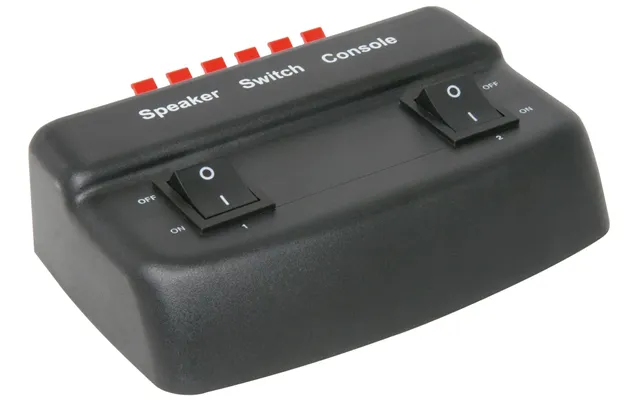
| Avlink 2-way Loudspeaker Selector Switch - Black | £16.65 |
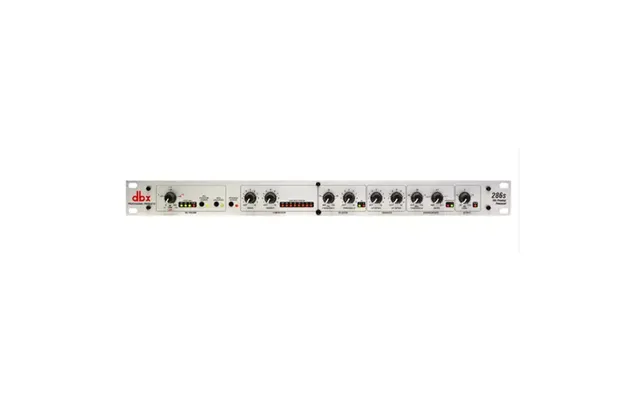
| Dbx 286s Pre-amp | £250.97 |





Loading...
Last updated Sunday, 18 Oct 2026
| Channel Strips | Price |
|---|---|
| Avlink 2-way Loudspeaker Selector Switch - Black | £16.65 |
| Dbx 286s Pre-amp | £250.97 |
A channel strip is the backbone of a polished recording chain. Imagine taking the preamp, EQ, compression, gate, and sometimes a de-esser or limiter, and putting them into one streamlined path. Instead of juggling five separate boxes and a spaghetti bowl of cables, you get a clean, optimized route from microphone or instrument to your interface or recorder. The result? Faster workflow, consistent tone, and fewer surprises when you hit record.
Think of a channel strip like a well-trained concierge for your audio. It greets your mic with a proper preamp, tidies noise with a gate, smooths dynamics with compression, and adds clarity with EQ—all before the sound reaches your session. That sequence matters. When done right, your vocals pop, guitars sit perfectly, and you spend less time fixing problems in the mix.
Choosing between analog and digital channel strips is a lot like picking between a classic car and a feature-packed hybrid. Both can get you there in style. Analog strips lean into character—harmonics, saturation, and that silky, musical compression. Digital strips lean into flexibility—presets, recall, multiple routing options, and often pristine transparency. Your genre, workflow, and taste will nudge you one way or the other.
Analog units often use transformers, discrete circuits, or tubes to add pleasing color. A tube preamp can provide gentle saturation that flatters vocals and bass, while an optical or FET compressor brings a mix-ready sheen. People love analog because it makes sources sound “finished” right at the source. If you crave vibe, analog is like putting a favorite lens on your audio camera.
Digital channel strips bring modern conveniences: precise recall, onboard metering, clean gain, and sometimes USB or digital outs for quick integration. They’re ideal if you work across multiple sessions, need a fast setup, or produce content where consistency is king—think podcasts, voiceovers, and streaming. With digital, you can save settings, jump between shows, and keep sound uniform across episodes.
Most channel strips share a similar roadmap, but the quality of each stage makes the magic. Focus on the preamp, EQ, dynamics, and the utility features that fit your workflow. A great unit complements your voice and instruments, minimizes noise, and helps you commit to tasteful tone at the tracking stage. The goal is reliability and repeatability with just enough personality.
The preamp is your first sonic handshake. You want clean gain, low noise, and ample headroom so peaks don’t distort. Variable impedance can help match different mics—dynamic, condenser, ribbon—for the best tone. Some preamps emphasize transparency, others deliver character. If you’re recording quiet sources or ribbons, pay attention to gain range and how stable the preamp feels at higher settings.
A musical EQ lets you solve problems early and set a signature sound. A high-pass filter clears rumble; gentle mid cuts reduce boxiness; airy high boosts add presence. Semi-parametric or fully parametric bands give you fine control, while vintage-style EQs make broad, flattering strokes. If you’re new to EQ, look for clear labeling and stepped controls that make recall simple.
Compression evens out dynamics so your performance sits forward without jumping in volume. A fast FET compressor can add punch to vocals and drums; an optical design gently glues and smooths; a VCA style delivers precision and control. De-essers tame harsh sibilance without dulling the entire top end. Gates reduce room noise and headphone bleed, keeping tracks tight and focused.
Before you fall in love with a front panel, peek at the I/O. Your studio is only as strong as its connections. You’ll want balanced inputs and outputs, a high-quality instrument DI for guitars and bass, and clear metering. If digital integration matters, look for formats that play nicely with your interface and session workflow.
An XLR mic input is standard, often accompanied by a line input and a hi‑Z instrument input for guitars and bass. Balanced TRS outputs keep signals clean over longer runs—handy if your rack lives a few feet from your desk. Some units add sidechain inputs for advanced compression techniques, letting you duck a bass with a kick, or reduce sibilance more transparently.
Digital outputs can streamline your rig and reduce extra conversions. If you want a minimal cable path, a unit with digital out into your interface keeps noise low and workflow simple. Consider how you monitor: solid metering, clear gain staging, and easy bypass switches make it obvious what’s doing what. The easier the layout, the faster your sessions fly.
Channel strips come in multiple shapes, each with pros and trade-offs. Rackmount units are studio staples, 500‑series modules excel at modular builds, and desktop strips put controls within arm’s reach. Knowing your space and how you like to work makes the choice far easier than chasing specs alone.
Most rackmount channel strips fit standard 19‑inch racks, often in 1U or 2U heights. They’re rock-solid, integrate well in fixed studios, and make expansion straightforward. If you tour, a rugged rackmount unit plus a flight case is a proven combo. Plan your cabling runs in feet, keep ventilation clear, and you’ll enjoy stable temps and quiet operation.
500‑series setups let you build a custom strip piece by piece—preamp here, EQ there, compressor next—inside a powered chassis. It’s a brilliant path if you like to swap flavors for different projects. The trade‑off? You’ll manage modules and power specs, and your “strip” may span several slots. If you love tinkering and tailoring tone, this modular route is addictive.
Desktop channel strips are the “grab‑and‑go” option. Controls are within reach, and they often pair nicely with compact interfaces. If your studio lives on a table, or you record in different rooms, a desktop unit keeps you nimble without sacrificing sound. Add a few short, high‑quality cables and you’ll have a tidy, low‑latency chain.
Channel strips shine when you need repeatable, polished results. Whether you record in a spare bedroom or a treated control room, committing to tone earlier helps performances feel glued and professional. Let’s match features to common scenarios so you can choose with confidence, not guesswork.
Vocals love a smooth preamp, a musical EQ, and a compressor that flatters dynamics without squashing life. A gentle high‑shelf adds air, a low cut clears rumble, and a moderate ratio with mid attack and release keeps performance natural. For voiceovers, clarity and consistency rule; a de‑esser becomes your secret weapon for sibilance control.
If you publish regularly, consistency beats novelty. Look for clear metering, easy recall, and a forgiving compressor that evens levels when conversations get animated. A gate or expander cuts room noise between speakers, boosting intelligibility. Pair your strip with an interface and a broadcast‑style mic, and your show’s sound leaps from amateur to pro overnight.
Instrument inputs with high headroom and tone‑friendly impedance make guitars and basses sound full before plugins ever load. Want snap on funk guitar? Try a touch of compression and a bright shelf. Need bass to lock with kick? Use a slower attack so transients punch, then a faster release to recover quickly. Keys often love gentle EQ and a tad of glue.
For drums, a channel strip can be a killer front end for kick, snare, or overheads. A fast compressor catches peaks, while a shaped EQ keeps shells tight and cymbals smooth. Even a minimal chain—preamp plus subtle compression—can turn raw hits into mix‑ready tracks. If spill is an issue, a carefully set gate keeps focus on the primary source.
You can get excellent results at every price tier. Entry‑level voice channels offer huge value for creators and home studios. Midrange strips bring refined components and more nuanced control. Flagship units add boutique transformers, premium build quality, and that last bit of depth and dimension you hear on commercial releases.
Entry‑level models bundle the essentials and prioritize clean gain, straightforward controls, and a helpful gate or de‑esser. They’re perfect if you want an immediate upgrade over an interface preamp. Look for solid metering, intuitive EQ bands, and a compressor that is forgiving at moderate ratios so you can set and forget without artifacts.
Midrange units often step up with better transformers, smoother EQ curves, and compressors that react more musically. Expect more headroom and lower noise floors. You’ll also see handy features like sidechain filters, stepped controls for recall, and more flexible routing options. For serious home studios and content pros, this tier is a sweet spot.
Flagship channel strips deliver the kind of depth, transient response, and harmonic complexity that engineers rave about. Whether you lean toward tube warmth or pristine solid‑state, top‑shelf components pay off in mixes that effortlessly stack. If you want a front end you’ll never outgrow, this is where you plant a flag and build your sonic identity.
There’s no reason to overpay. A price comparison platform like ZoneOffer helps you scan deals across multiple retailers in the UK, spot price drops, and jump on bundle offers that include cables, pop filters, or shock mounts. Comparing specs side by side also surfaces hidden differences—like metering, I/O, or build—so you get the best fit, not just the lowest sticker.
Put preamp gain range, headroom, and noise specs near the top. Add EQ flexibility, compressor type, and whether a de‑esser or gate is included. Check connections—XLR, TRS, instrument DI, and any digital outputs—and make sure the format suits your rig. Finally, assess build quality: solid knobs, clear metering, and a layout that makes sense when you’re moving fast.
New gear offers warranty and peace of mind. Used can stretch budgets, especially on classic analog designs that age gracefully. Refurbished models from reputable sellers can be a smart middle ground. When comparing, factor in condition, return terms, and whether a unit includes original power supplies or rack ears. Saving a little is great; saving smart is better.
Great results come from good habits. Place your mic carefully, treat the room as best you can, and keep cable runs short. Then, use your strip to make tasteful moves rather than extreme ones. The less you fight in the mix, the more you can focus on performances and creative decisions.
Start at the source. Set mic distance, get a solid performance level, and bring up preamp gain until peaks land safely below clipping. Use the high‑pass filter to clear low‑end thumps. If you hear hiss, lower gain slightly and move the performer closer to the mic. Small adjustments here save hours later.
As a baseline for vocals, try a light high‑pass, a gentle mid cut if things sound boxy, and a soft shelf up top for air. For compression, begin with a moderate ratio, medium attack to let transients through, and a release that breathes in time with the performance. Then tweak by ear. Simple, musical moves win the day.
Over‑compressing can strangle life out of a performance, and heavy EQ boosts can introduce harshness. If you’re stacking plugins later, keep hardware moves subtle. Don’t forget bypass switches—compare often to make sure you’re actually improving the sound. Finally, keep cables tidy and power stable; hum and ground loops are the uninvited guests of every session.
If a dedicated strip isn’t right for now, you can chase similar results with an interface plus software plugins or an interface that includes onboard DSP processing. You could also build a hybrid chain—standalone preamp into a separate compressor. These routes trade convenience for flexibility. Still, nothing beats a purpose‑built strip when you want tactile control and instant, mix‑ready tone.
Buy once, cry once, as the saying goes. Look for a channel strip that can grow with your needs: ample headroom, reliable components, easy serviceability, and connections that match your longer‑term studio plan. If you foresee expanding, think about rack space, 500‑series options, or desktop portability. A thoughtful choice now keeps your sound current for years.
A great channel strip is more than a piece of gear—it’s your sonic signature in a box. By understanding the core features, matching them to your use case, and comparing deals across the UK through a dedicated price comparison platform like ZoneOffer, you can land pro results without overspending. Pick your flavor, commit to tasteful settings, and let your performances shine from the first take.