

Home Theater Systems price list
Last updated Sunday, 18 Oct 2026





View 7 Offers





Loading...
Last updated Sunday, 18 Oct 2026
Ever wished you could bottle that big-screen magic and bring it home? That’s exactly why home theater systems are booming. With streaming libraries exploding and TVs getting smarter, a great sound system is the missing piece that turns “watching” into “experiencing.” If you’re scanning popular offers or a home theater systems price list on a comparison site, it’s easy to feel overwhelmed. Don’t worry—we’ll break it down in plain English so you can choose with confidence and get goosebumps on demand.
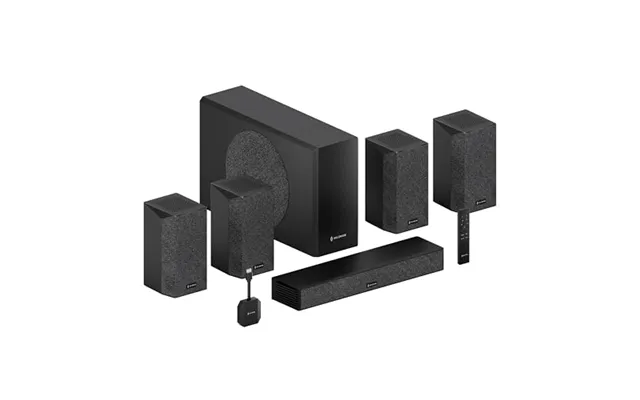
A home theater system is a collection of audio gear designed to recreate cinema sound at home. Think sweeping soundtracks, crystal-clear dialogue, and bass that rumbles like thunder without drowning out the details. At its core, you’ve got an AV receiver (or a soundbar that acts like one), speakers arranged around your seating area, and at least one subwoofer to handle the low-end drama. Add your TV and streaming devices, and you’ve got a living room that doubles as a movie palace.
The AV receiver is where everything meets—your TV, console, Blu‑ray player, and streaming stick. It decodes surround formats (like Dolby Atmos and DTS:X), powers your speakers, and keeps switching simple. Look for enough HDMI inputs, support for HDMI eARC, and modern video passthrough so you’re future-proof. Bonus points if it has auto room calibration to tame tricky rooms without you diving into deep menus.
Speakers deliver the soundstage—the left, center, right, surround, and height channels that put you in the action. The center speaker anchors speech, while the subwoofer handles explosions, engines, and that satisfying cinematic thump. Want your home to feel like a theater? A well-placed sub and a coherent speaker set (ideally from the same series) make the biggest impact per dollar.
These are your content gateways: smart TVs, game consoles, Blu‑ray players, and streaming sticks. Most modern sources output premium audio, so the bottleneck is rarely content—it’s how well your system decodes and plays it. If you love sports, movies, and gaming, your home theater system should handle them all without fuss, switching from Dolby surround to stereo as needed.
Shopping through a comparison page full of popular offers? You’ll see a few common styles: compact soundbar bundles, classic 5.1 surround kits, bigger 7.1 layouts, and Atmos-ready systems with height channels. The right pick depends on your room size, your appetite for wires, and whether you’re a “plug-and-play” person or a “tweak-to-perfection” fan.
Perfect for apartments or tight TV setups, these pack a surprising punch with minimal fuss. A 3.1 soundbar adds a dedicated center channel for clearer dialogue, while the .1 means a subwoofer for extra oomph. Many support virtual surround modes to simulate wider sound without extra speakers. Quick to install, easy to live with, and a massive upgrade over TV speakers.
This tried-and-true layout brings true wraparound sound: left, right, center, two surrounds, and a subwoofer. If you want the “a car zooms past you” effect, this is your sweet spot. You get convincing immersion without filling your room with hardware. Many 5.1 kits are expandable, so you can add extra speakers down the line if you catch the audio bug.
Seeking top-tier immersion? Step up to 7.1 (two extra surrounds) or Dolby Atmos with height channels. Atmos can use in-ceiling speakers or upfiring modules that bounce sound off your ceiling, making rain feel like it’s falling right above you. It’s the closest thing to a silver-screen soundtrack at home, especially with well-mixed blockbuster titles.
Room size, shape, and furnishings matter more than most people think. Bass builds in corners, rugs calm echoes, and speaker distance changes everything. Before you pick from a price list, eyeball your room and be honest about how much gear you can place. A well-matched system in a small room can outperform a monster setup that’s fighting your space.
In a compact room, start with a quality 3.1 or 5.1 system. Slim towers or bookshelf speakers save space while sounding full. A single subwoofer placed near the front wall usually works well. Keep surrounds about ear height and roughly 2 to 3 ft to the sides or slightly behind your seat. You’ll get big-cinema vibes without overwhelming the space.
Here’s the sweet spot for many homes. A 5.1 or 5.1.2 Atmos setup (two height channels) shines. Consider a beefier sub with more headroom so it doesn’t strain. Place the front left and right speakers about 6 to 8 ft apart, angled toward your couch. Leave a bit of breathing room—at least 1 ft—from walls to avoid boomy bass and muddied mids.
Bigger spaces love bigger systems. Think 7.1 or 5.1.4 Atmos with dual subs for smoother, more even bass across seats. Spacing matters: you may have the luxury to position surrounds farther back and height speakers more precisely. If you have a vaulted ceiling, consider direct in-ceiling Atmos speakers rather than upfiring modules for better precision.
Tech evolves quickly, but a few features are timeless essentials. When comparing offers, prioritize audio decoding for Dolby Atmos and DTS:X, HDMI eARC for reliable TV-to-receiver audio, and robust room correction. Gamers should watch for low-latency modes, while movie lovers will want quiet operation and clean power to keep the soundtrack pristine.
eARC is your best friend for simplicity—one remote, one cable from TV to receiver or soundbar, and all your apps’ audio flows cleanly. Passthrough ensures your system plays nice with modern consoles and streaming devices. Even if you’re not using 8K today, having it on tap keeps your setup ready for tomorrow’s upgrades.
Auto-calibration mics measure your room, then tune your system to reduce echoes, fix timing, and balance bass. It’s like a tailor for your sound. Even inexpensive systems with basic calibration often outperform pricier gear that’s left “raw.” If you’re picky, manual EQ and adjustable crossover controls give you extra precision.
Hate running cables around the room? Many systems offer wireless rears or subwoofers that only need power outlets. For music lovers, multi-room audio lets you stream to speakers in the kitchen or bedroom. It’s the difference between a system you tolerate and a system you love using every day.
Let’s talk value. Whether you’re hunting an entry starter bundle or a premium flagship, comparing a few popular offers side-by-side helps you see where your money goes. Remember: a balanced system that fits your space beats a spec monster that doesn’t.
Look for compact 3.1 or 5.1 kits that are easy to set up and include a subwoofer. Many soundbar-based packages now support virtual Atmos, giving you a taste of 3D sound without a wiring marathon. Prioritize clear dialogue, reliable connectivity, and auto-calibration. You’ll be shocked how much better movies and TV sound with even a modest upgrade.
This is where the magic happens: discrete 5.1 or 5.1.2 Atmos systems, solid amplification, and better speakers with richer detail. A mid-range sub with deeper extension adds authority without rattling the neighbors. HDMI eARC, multiple inputs, and room EQ should be standard at this level, along with options for expanding later.
Ready for the full cinematic treatment? Premium 7.1 or Atmos setups with high-sensitivity speakers, dual subs, and powerful receivers deliver spine-tingling dynamics. You’ll hear micro-details in dialogue, feel the weight of an orchestral swell, and enjoy effortless clarity at higher volumes. It’s an investment, but it turns every movie night into an event.
You don’t need an engineering degree to get great sound, just a few smart moves. Start by placing the front speakers at ear height, angled toward your main seat. Set the center speaker so the tweeter is roughly level with your ears—pro tip: tilt it slightly up or down if needed. Run calibration, then sanity-check the results with your ears.
Think in triangles. If your couch is 8 ft away, try spacing left and right fronts about 6 to 8 ft apart. Keep surrounds slightly behind the listening position at ear height, and avoid pressing speakers into corners. Give each speaker a little breathing room—about 1 ft—from walls to reduce muddy reflections and let the sound open up.
Place the sub near the front wall to start, then inch it a foot or two left or right while listening to bass-heavy scenes. Too boomy? Pull it a few inches from the wall. Too thin? Move it closer. Use your receiver’s crossover around 80 Hz as a starting point and adjust from there. Calm, tight bass beats chest-thumping boom every time.
Small details matter. Well-built stands, sturdy wall mounts, and proper cables help your system perform its best and stay tidy. A good surge protector guards your investment from power spikes. If you’ve ever cranked your system and heard cabinet rattle, a little isolation under your speakers or sub can work wonders.
Use certified HDMI cables for reliable 4K or 8K passthrough and eARC. Thick, oxygen-free speaker wire is nice, but correct gauge matters more than marketing claims—short runs can use thinner wire, long runs benefit from thicker. Stable stands keep tweeters at ear height and reduce wobble. And yes, a quality surge protector is non-negotiable.
Rugs, curtains, and stuffed bookshelves are your secret weapons. They tame echoes and tighten the sound without screaming “recording studio.” If dialogue feels splashy or harsh, soft furnishings and a little wall coverage on the first reflection points can be game-changers. You don’t need to overdo it—just take the edge off.
Modern home theater systems play nice with smart TVs, voice assistants, and streaming platforms. Control volume with your TV remote via eARC, use voice to switch inputs, or stream music across rooms with multi-room apps. Want to game at high frame rates? Make sure your receiver or soundbar supports the latest HDMI features to keep audio and video in sync.
Browsing a home theater systems price list or popular offers on a comparison site helps you spot real value. Check what’s included (number of speakers, subwoofer size, calibration mic), confirm the features (eARC, Atmos, auto-EQ), and weigh warranties. If two systems are similarly priced, favor the one with better room correction and connectivity—you’ll enjoy it more, and it will last through future upgrades.
Don’t chase specs without considering your room. A massive sub in a tiny den can sound bloated. Skipping calibration is another common pitfall—it’s like buying a tailored suit and never getting it fitted. Finally, avoid mixing random speakers; a matched set ensures consistent tone, especially across the front left, center, and right.
Choose gear that can grow with you. Extra HDMI inputs, support for the latest audio formats, and the option to add more channels later will save you money down the line. If you’re torn between two systems today, pick the one that checks the eARC box and includes solid room EQ—it will serve you well as content and devices evolve.
For sports, prioritize clear commentary and wide soundstage. A 3.1 or 5.1 system with strong center-channel presence makes play-by-play crisp. Gamers should enable low-latency modes and keep audio passthrough clean. If your receiver has gaming presets, try them, but trust your ears—sometimes “Flat” or “Movie” modes actually sound more natural.
Not every room wants a stack of speakers. If you need discretion, a slim soundbar with a wireless sub and optional wireless rears can deliver immersive sound without remodeling your living room. The key is to pick a bar with eARC, clear dialogue processing, and, if possible, upward-firing drivers for virtual or true Atmos height effects.
A great system handles blockbuster soundtracks and background binge-watching with equal grace. Look for a “night mode” for late viewing, dialogue enhancement for talk-heavy shows, and pure direct modes for music. If you stream music, make sure your system supports your favorite apps or casting methods so it becomes your go-to for everything audio.
Make a quick checklist: Does it support Dolby Atmos or DTS:X if you want immersive audio? How many HDMI inputs do you need? Is there HDMI eARC? Does it include auto-calibration? Can you add speakers later? If a popular offer ticks these boxes and fits your room, you’re set to press play and smile.
Home theater systems aren’t just about loud sound—they’re about storytelling that sweeps you up and doesn’t let go. Whether you choose a fuss-free soundbar bundle, a confident 5.1 rig, or a full-bore Atmos powerhouse, the goal is the same: unforgettable nights in. Compare the features that matter, match the system to your space, and let your ears make the final call. Your perfect setup is closer than you think—and it’s going to sound amazing.