All categories
Business & Offices
Electronics & Media
Fashion & Accessories
Groceries & Essentials
Health & Personal Care
Home & Living
Kids & Family
Sports & Outdoors
Search in ZoneOffer

Loading...
If you’ve been tempted to settle for a single smart speaker, you’re not alone—but a true stereo system still delivers something those one‑box solutions can’t: width, depth, and detail that make your favorite tracks feel alive. Imagine going from a flat snapshot to a vivid panorama—vocals center stage, guitars leaning left, keys shimmering right. That’s the magic of two channels doing what they do best. The better news? You don’t need to overspend to get there. With popular offers popping up across the UK, and prices easy to compare on independent comparison platforms like ZoneOffer, it’s a great time to upgrade your sound without bruising your wallet.
Stereo has evolved. It can be a compact all‑in‑one shelf unit with CD, radio, and Bluetooth; a component setup with a separate network receiver and passive speakers; or a pair of powered bookshelf speakers fed by a phone, TV, or turntable. Some systems include DAB/FM tuners and USB playback; others lean fully into Wi‑Fi streaming with app control. The trick is matching your space, habits, and favorite music sources to the right format so you get big performance at a fair price. Let’s break down your best options so you can shop smart and snag the right deal when you see it.
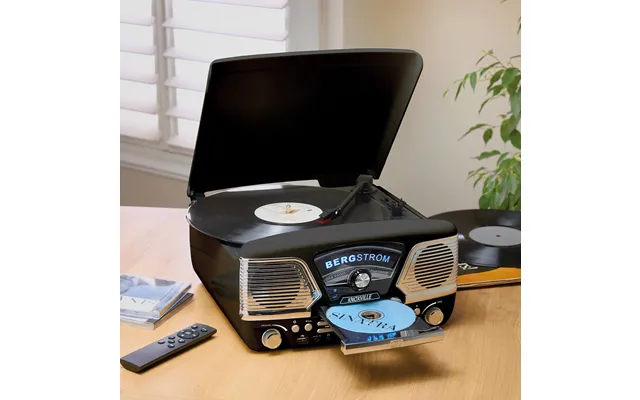
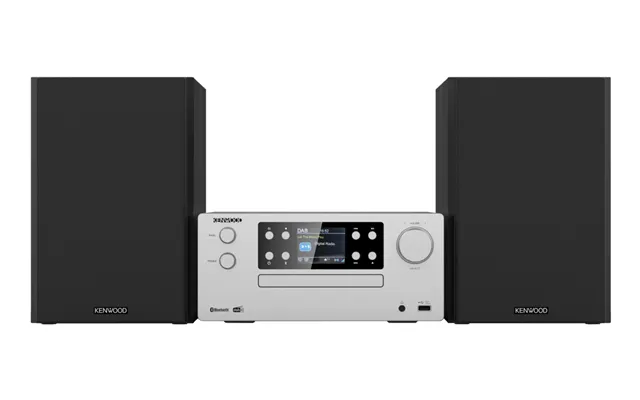
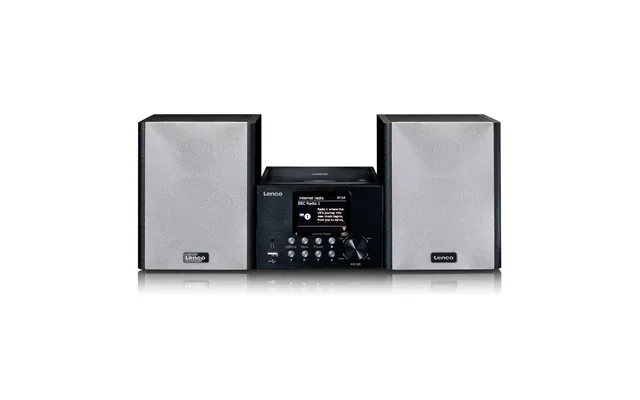
Micro hi‑fi systems are the “everything you need in one box” heroes. You’ll typically get a compact main unit plus two small speakers—easy to place on a shelf or sideboard—and features like Bluetooth, a CD tray, DAB/FM radio, and a handy remote. Many models add USB playback and alarms, perfect for bedrooms and home offices. Look for sensible power ratings (realistic RMS per channel), clean interfaces, and speakers with solid 4 to 6 inch woofers for fuller bass. A width around 12 to 18 inches keeps the main unit tidy, and you can often upgrade the included speaker wire to a better gauge for a small bump in clarity.
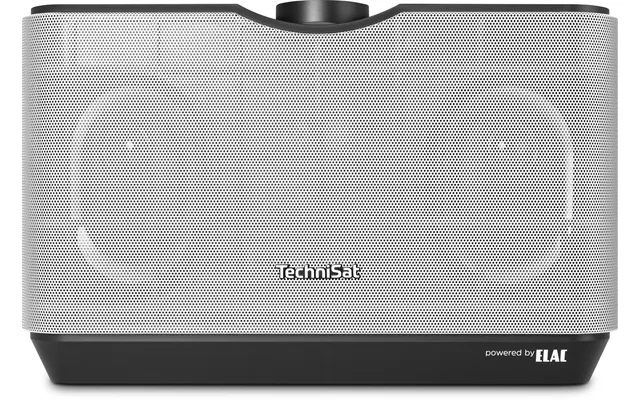
If you want the most upgradeable route, components are king: a stereo receiver or integrated amplifier paired with passive speakers. Here’s where you’ll see features like HDMI ARC for TV audio, optical inputs, quality DACs, and phono stages for turntables. Many UK‑friendly brands—Denon, Yamaha, Onkyo, Marantz, and Cambridge Audio—offer network‑ready receivers that stream over Wi‑Fi and support services like Spotify Connect. Match them with bookshelf speakers using 5 to 6.5 inch woofers, and you’re set for engaging sound across pop, jazz, and film scores. Bonus: you can add a subwoofer later via the sub‑out and grow your system over time.
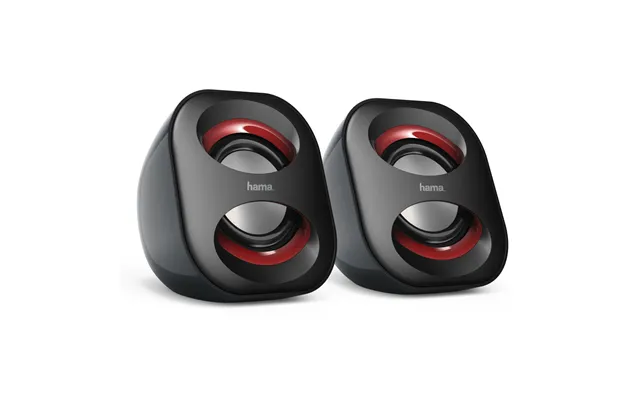
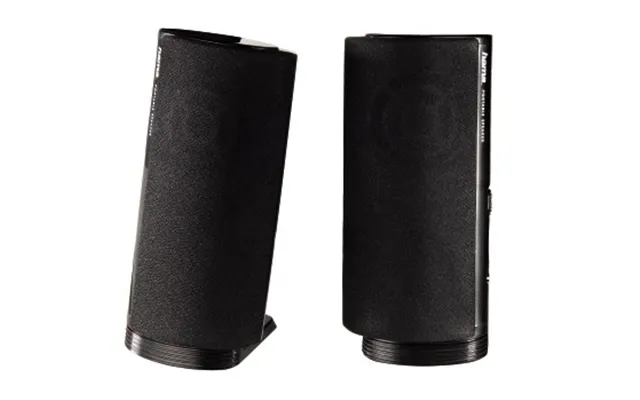
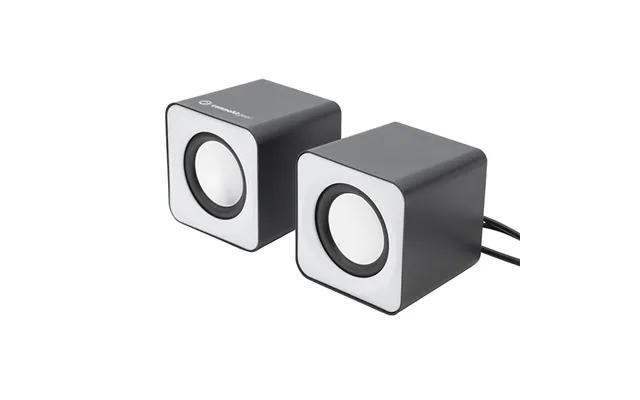
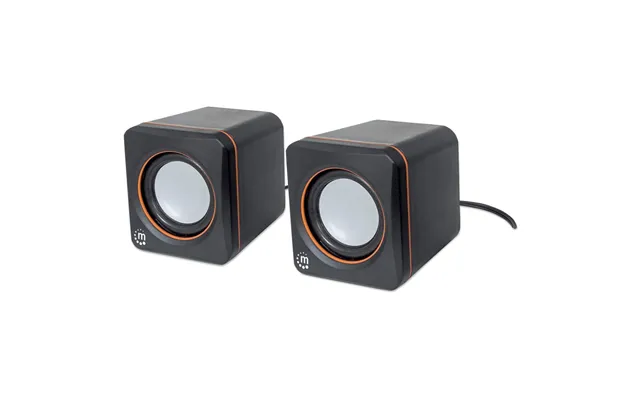
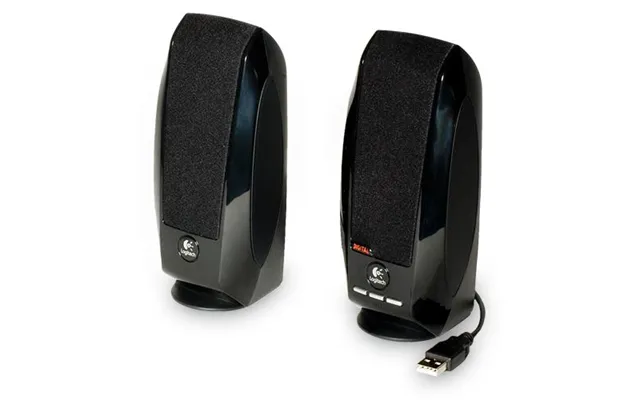
Bundles that pair an amp with well‑tuned bookshelf speakers give you balanced value. Think compact speakers roughly 10 to 14 inches tall with a 1 inch tweeter and 5.25 inch woofer—sweet spot sizes that work beautifully in most UK living rooms. Some retailers package a slim amp with a Bluetooth module, so you can stream without tacking on extra gear. Alternatively, go powered: speakers with built‑in amplification and inputs like optical, RCA, and Bluetooth. Powered bookshelf pairs from brands like Edifier, Audioengine, and Klipsch can be plug‑and‑play, desk‑friendly, and surprisingly full‑bodied for their footprint.
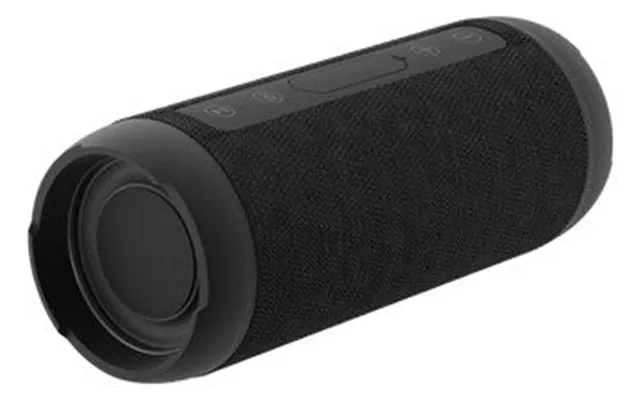
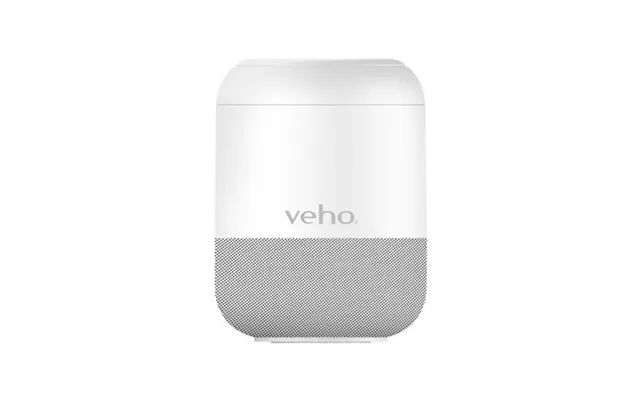
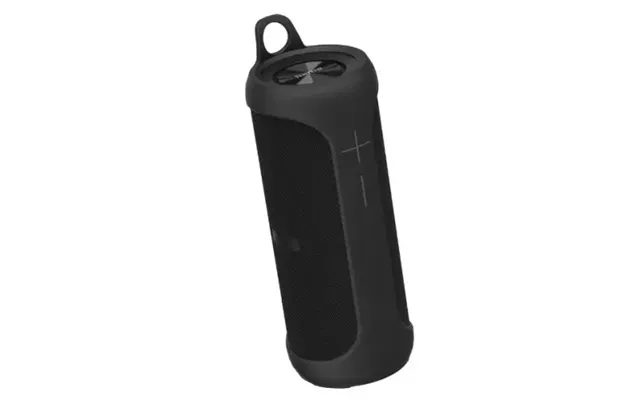
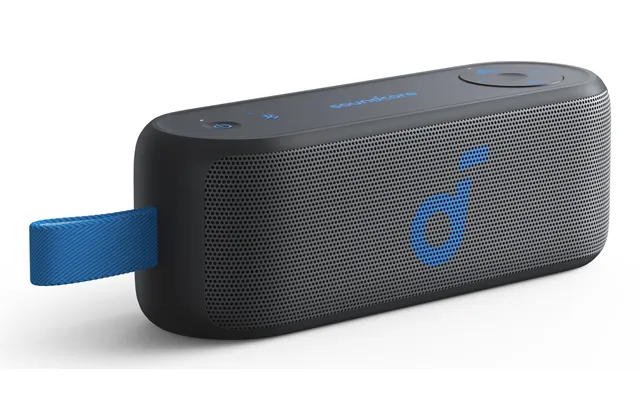
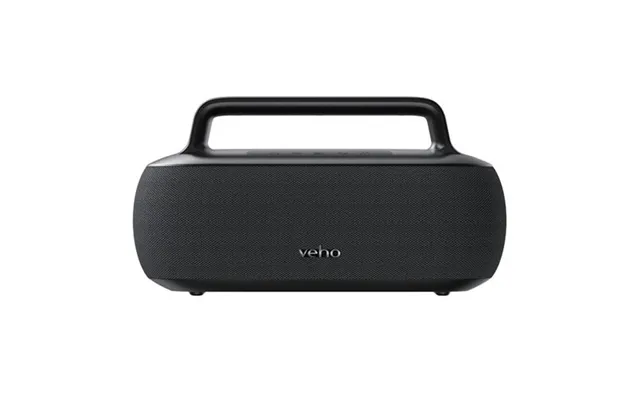
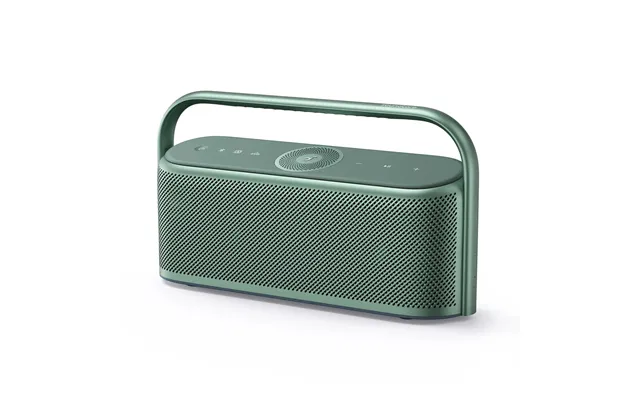
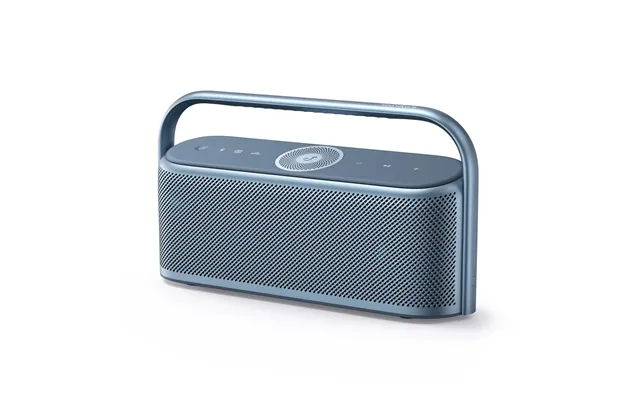
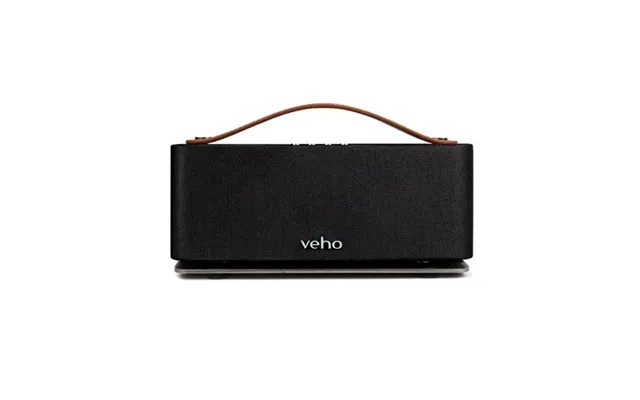
Want music you can grab and go? Modern boomboxes and portable party speakers often include twin drivers for stereo, battery power for backyard sessions, and the option to stereo‑pair two units wirelessly. They’re not going to rival well‑positioned bookshelf speakers for imaging, but for quick‑setup fun, they’re fantastic. Look for rugged handles, at least 8 to 12 hours of battery life, splash resistance if you’ll hit the garden, and Bluetooth 5.0 or later. Some models add USB charging for your phone, so the party doesn’t die when your battery does.
It’s easy to get dazzled by shiny specs. Keep your head by focusing on what actually affects daily use: the inputs you’ll rely on, the streaming features you’ll use, and speakers that fit your room. Real‑world power matters more than peak marketing numbers, and smart connectivity can save you from cable wrangling. A little clarity here will help you shortlist faster and pounce when a price drops on the right system.
Ask what you’ll connect on day one. If TV audio is a priority, HDMI ARC or an optical input is huge—no lip‑sync headaches, no fuss. For phones and tablets, Bluetooth is universal; aptX or AAC can improve quality if your devices support it. Wi‑Fi streaming with AirPlay 2 or Chromecast built‑in is a game‑changer for multi‑room audio and app control. Analog inputs (RCA) handle legacy gear like older CD players; a 3.5 mm jack is handy for quick plug‑ins. USB can serve double duty: playback of stored music or powering a streaming dongle. Choose the pathways you’ll actually use and skip the fluff.
CD collections still sound fantastic—many micro systems include a reliable transport and clean DAC. If you prefer streaming, look for Wi‑Fi receivers that support Spotify Connect, Tidal, or Amazon Music out of the box, so you can cast straight from your favorite app. Love radio? DAB/FM reception remains a UK staple for talk and sports. Vinyl fans should check for a phono input, or plan on an external phono preamp. If digital files are your thing, USB playback and support for common formats keep things simple. The best systems make it easy to switch sources without digging into deep menus.
Speaker size is a dead‑simple predictor of bass: a good 5.25 inch woofer goes deeper and cleaner than a 4 inch one. Pair that with a 1 inch dome tweeter for detailed highs. For compact rooms, 40 to 60 watts per channel of honest RMS power is usually plenty; medium spaces may enjoy 70 to 100 watts. Sensitivity matters too—speakers rated around 86 to 90 dB will get loud without needing a monster amp. Remember: peak numbers can mislead. Aim for stable power delivery and clean amplification over raw bragging rights, and you’ll enjoy music longer without fatigue.
Room size and layout can make or break your experience. A carefully chosen stereo that “fits” your space can feel like a private venue, while an overpowered rig in a tiny bedroom just feels bossy. Use your space as a guide, not a limitation. With smart placement and a few inexpensive accessories, you can get big sound from modest gear.
For bedrooms and home offices, compact micro systems or powered bookshelf speakers shine. A pair using 4 to 5 inch woofers delivers satisfying punch without booming. Position speakers 6 to 8 feet apart, slightly toed in toward your seat, with tweeters at about 36 to 42 inches high. Leave 8 to 12 inches from the rear wall to reduce muddiness. Isolation pads under speakers or a small rug between speakers and listener can make a surprising difference by taming reflections.
Here, component receivers with 50 to 100 watts per channel pair beautifully with 5 to 6.5 inch bookshelf speakers. Spread the speakers 6 to 10 feet apart, forming a loose triangle with your seat 8 to 12 feet away. If bass feels shy, consider adding a compact 10 inch subwoofer crossed over gently so music stays tight, not boomy. Try small toe‑in adjustments until vocals snap into focus—tiny moves can yield big improvements in imaging.
Big rooms call for bigger air‑moving capability. Consider more robust amps, larger bookshelf speakers, or even floorstanders if you’ve got the floor space. A 10 to 12 inch subwoofer helps anchor the low end, especially for electronic, orchestral, and cinematic music. Keep runs of speaker cable sensibly short and choose appropriate wire—16 AWG is fine for shorter runs; 14 or 12 AWG helps for longer distances. Don’t be shy about pulling speakers a foot or more off the wall to open up the soundstage.
Quality options are plentiful, and deals rotate often. For compact micro systems with CD and DAB/FM, keep an eye on Denon and Yamaha—models in their CEOL and MCR lines blend networking with traditional features. For network stereo receivers, Denon, Marantz, Onkyo, and Yamaha are long‑standing favorites, often with HDMI ARC, phono inputs, and capable DACs. Cambridge Audio is a UK stalwart known for clean, musical sound. Speakers from Q Acoustics, KEF, Monitor Audio, Klipsch, and Bowers & Wilkins cover a range of tastes, from smooth and neutral to lively and dynamic. Want powered convenience? Audioengine and Edifier deliver serious value. Availability and pricing can vary by retailer, so using a comparison site like ZoneOffer can help you surface the best live offers quickly.
Price is only the opening beat. Scan what’s actually in the box: Do you get a remote, antenna, and basic speaker wire, or will you need to budget for extras like 10 to 25 feet of higher‑quality cable, stands, or isolation pads? Make sure the model number matches the version with the features you want (HDMI ARC, phono, or Wi‑Fi aren’t always standard). Check warranty terms and whether firmware updates are still supported. Seasonal sales—especially around bank holidays and year‑end—can drop prices fast, and refurb or open‑box units from reputable sources can stretch your budget further. Comparison platforms such as ZoneOffer let you weigh multiple retailers at once so you don’t overpay.
Start with the triangle rule: your two speakers and your seat form a triangle with roughly equal sides, speakers about 6 to 10 feet apart depending on room width. Set tweeters at ear level—usually 36 to 42 inches from the floor—and toe them in slightly until vocals lock in. Keep speakers 8 to 18 inches from the wall; adjust in small steps and listen for tighter bass and clearer mids. On receivers with auto‑calibration, run it once, then fine‑tune by ear. For turntables, connect the ground wire, keep the deck away from wobbly shelves, and use a simple level to balance the platter. Good setup is free performance—don’t skip it.
A few small add‑ons can elevate your system. Speaker stands or sturdy shelves put tweeters right at ear height and reduce vibration. Isolation pads for desk setups clean up mids and bass. If your amp lacks wireless, a compact Bluetooth adapter or Wi‑Fi streamer unlocks easy casting from your phone. A 10 to 12 inch subwoofer extends low‑end reach without overwhelming the room when dialed in gently. Simple cable upgrades—proper gauge, solid connectors—offer reliability more than magic, but reliability matters. For disc lovers, a CD lens cleaner and gentle record brush keep your library singing for years.
Soundbars are brilliant for boosting TV clarity and convenience, and smart speakers are unbeatable for voice control and kitchen‑friendly listening. But for music that breathes across a wide stage, stereo wins. With speakers spaced 6 to 10 feet apart, you get separation and imaging that single boxes can’t recreate. If TV is your priority and space is tight, a soundbar makes sense; if music moves you and you’ve got a shelf or stands, a stereo system will make you grin every night. You can even blend worlds: a stereo receiver with HDMI ARC turns your speakers into your TV’s audio upgrade.
Go for standard connections—HDMI ARC, optical, RCA, and sub‑out—so you won’t be stranded when tech shifts. Prefer receivers and network players that get regular firmware updates. Choose speakers you can grow with and keep for a decade; they tend to outlast electronics. If you’re unsure, buy a capable stereo amp and invest most of your budget in speakers you truly love; you can always add better sources later. Think modular now, and you won’t feel the itch to replace everything next year.
Chasing great sound doesn’t have to be complicated—or expensive. Decide how you listen, match a system to your room, and focus on the features you’ll actually use. Whether you lean toward a sleek micro hi‑fi, a flexible component setup, or a tidy pair of powered bookshelf speakers, the UK market is packed with strong choices and frequent price drops. Keep your shortlist tight, compare across multiple retailers on a trusted comparison platform like ZoneOffer, and be ready to jump when the right deal lands. Your next favorite album deserves to sound like it should—wide, warm, and wonderfully alive.
| £ 197,59 |