

Bullhorns price list
Last updated Sunday, 18 Oct 2026




View 11 Offers
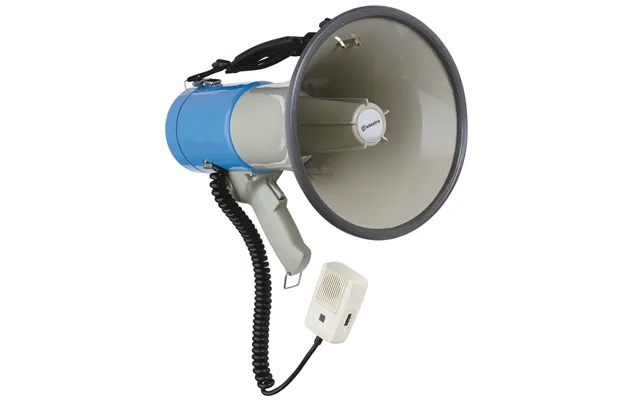
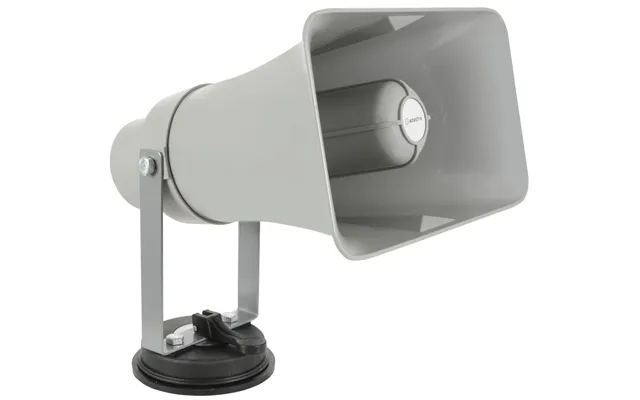

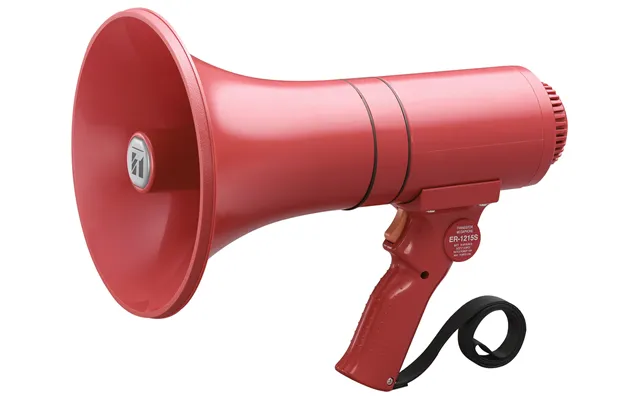
Loading...
Last updated Sunday, 18 Oct 2026
If you’ve ever tried to shout over a crowd, you know your voice only goes so far. That’s where bullhorns and megaphones shine. Whether you’re running an outdoor event, managing safety drills, coaching on the field, or guiding a tour, a good bullhorn cuts through noise and distance so people actually hear you. The goal isn’t just volume; it’s clear, understandable speech that carries. In the UK, it’s easy to compare bullhorns and find popular offers across multiple sellers using a comparison platform, which helps you match features with budget without the guesswork.
You’ll hear both terms used, and in practice they overlap. A bullhorn generally refers to the handheld, cone-shaped device with a built-in amplifier. A megaphone can be exactly the same thing—but some folks also use “megaphone” to describe larger portable PA units with detachable mics and more controls. For most buyers, the distinction isn’t critical. What matters is how far your voice carries, how clear it sounds, and how long the unit runs before you need new batteries or a recharge.
Shopping for bullhorns can feel like a maze of watt ratings, battery sizes, and marketing buzzwords. Focus on fundamentals: power and loudness, battery type, coverage range, weight and ergonomics, microphone options, siren/tone modes, durability, and weather resistance. Those are the features that actually affect your day-to-day use. Let’s break them down in plain English so you can pick with confidence.
Manufacturers often advertise power in watts alongside a maximum volume rating in dB. Higher wattage usually means more headroom and stronger output, but design matters too—an efficient horn and good amplification can outperform a “bigger watt” rival. If you’re commanding large outdoor spaces or working around machinery, look for high-volume models that project clearly over hundreds of feet. If you’re addressing smaller groups—say a class, a tour group, or a local sports team—something more compact can be perfect without blasting anyone’s ears.
Classic bullhorns run on C or D cells because they’re easy to replace in a pinch. The upside? Quick swaps and broad availability. The downside? Recurring cost and battery disposal. Rechargeable models use built-in packs or removable lithium batteries. They’re convenient, lighter, and cheaper to run over time. Just keep a charging routine and, if possible, a spare pack. For emergency planning, many teams like a hybrid approach: a rechargeable model for everyday tasks plus an alkaline-battery backup unit for redundancy.
Range depends on output power, horn design, and conditions. Wind, ambient noise, and obstacles can all eat into distance. As a rule of thumb, mid-size bullhorns can carry speech a few hundred feet in open areas, while higher-output units can push farther. If your job is crowd control at outdoor festivals, stadium queues, or construction sites, invest in a model designed to project across wide spaces with consistent clarity, not just raw loudness. Clarity equals comprehension—which is the whole point.
A pound or two doesn’t sound like much—until you’re holding it aloft for an hour. Check the grip, balance, and trigger or switch placement. A comfortable handle, a handy wrist strap, and a reachable volume control make a big difference. If multiple team members will use it, choose something manageable for all sizes. For long announcements or guided tours, a unit with a detachable mic lets you keep the horn by your side or on a strap while speaking naturally.
Some bullhorns have built-in mics at the back of the unit; others include detachable or wired microphones. Detachable mics are great for reducing handling noise and improving articulation. Good models also offer adjustable volume and a talk/siren switch you can operate without looking. If you’ll be making frequent announcements, prioritize voice clarity over sheer volume. A clear voice at a moderate setting beats a muddy shout at full blast.
Many bullhorns feature siren or whistle modes for alerting crowds and signaling emergencies. Use these responsibly—they’re loud for a reason. If you’re working in safety, security, or event crowd management, a strong siren can rapidly get attention before you switch to voice to deliver instructions. Some units offer additional tones, which can be helpful for drills or non-verbal cues during noisy operations.
Outdoor use is rough on gear. Look for tough housings, reinforced horns, and weather-resistant designs. If you’ll be out in the rain, a water-resistant rating and sealed battery compartments go a long way. A sturdy rubberized edge can help absorb bumps and drops. For teams that work year-round—think stewards, lifeguards, or search-and-rescue volunteers—durability isn’t a luxury; it’s a must-have.
Not every megaphone is built for the same job. The trick is matching the type to your use case: small and light for quick announcements, mid-size for general-purpose events, and high-output units for large outdoor areas or emergency response. Here’s how to think about it, without getting lost in jargon.
Compact models shine when you need portability and quick use. They’re light enough for frequent hand-offs, easy to stash in a backpack, and fast to deploy when a class trip gets noisy or a tour group spreads out. These are also excellent for youth sports and community events where you don’t need stadium-level output. Bonus: because they’re lighter, they’re easier on your wrist during longer sessions.
Mid-size units are the Swiss Army knives of the category. They balance output, weight, and features—often with better mics, longer battery life, and a more comfortable grip. If you’re coordinating event staff, managing queue lines, running charity runs, or handling school sports days, mid-size models deliver reliable range and intelligibility without being cumbersome.
When you need to cut through wind, engine noise, or a thousand conversations, high-output bullhorns earn their keep. These often include detachable mics, robust siren modes, and reinforced designs meant for daily use. They’re heavier, sure, but they’re built to be heard across large fields or through busy streets. If you’re on a safety team, crowd management detail, or rescue crew, this tier is worth the investment.
Accessories can transform how usable your bullhorn feels. A unit with the right add-ons can reduce fatigue, simplify storage, and improve audio clarity—especially when multiple people share the device during long events.
A shoulder strap lets you rest your arm and keeps the horn handy between announcements. Holsters or hooks make storage and quick access a breeze for security teams. If you’re at a stationary post, a small stand or mount keeps the unit safe from drops and frees your hands to manage other tasks.
If you rely on disposable batteries, keep spares ready in a weatherproof pouch. For rechargeable units, a second battery or a rapid charger is a lifesaver. Some teams rotate batteries during long events so there’s always a fresh pack. Staying powered is half the battle—no one wants to lose their voice because the horn ran out of juice.
Modern bullhorns may include AUX inputs or Bluetooth to play pre-recorded messages, alerts, or music. In practice, this is handy for standardized safety announcements or crowd directions where consistency matters. Just don’t let audio playback get in the way of urgent voice instructions—keep controls simple and accessible.
Start with your typical scenario. Are you addressing a few dozen people, or hundreds across a field? Next, decide how long you’ll use the horn at a time—short bursts or extended sessions. Then pick your power source: disposable C/D cells for quick swaps, or rechargeable for convenience and lower long-term cost. Finally, match your features—detachable mic, siren, weather resistance—to your environment. If in doubt, go one step up in clarity and comfort; you’ll appreciate it when the crowd gets loud.
Prices for bullhorns vary widely based on power, build, and features. Instead of hopping between dozens of sites, use a comparison platform to scan popular offers, filter by price, and weigh specs side by side. A site like ZoneOffer aggregates options across multiple retailers so you can compare what matters—loudness, battery type, runtime, and extras—before you commit. Because it’s a comparison site rather than a store, you can explore choices without the pressure of a single-brand push, then click through to buy from the seller you prefer.
While the market changes frequently, certain names are often associated with specific strengths. You’ll find brands known for budget-friendly compact horns ideal for schools and tours, others for rugged mid-size options that balance power with comfort, and a few specialists producing high-output models aimed at events and emergency teams. When scanning options, read user feedback about voice clarity and build quality, not just loudness claims. A brand’s reputation for reliable switches, sturdy housings, and consistent audio will matter far more after months of use.
Let’s get practical. For a school sports day, a lightweight, compact unit with a simple talk/siren switch is ideal. For a charity run or street festival, a mid-size horn with detachable mic and strap keeps you comfortable for hours. For construction sites or crowd control near traffic, go high-output with strong siren tones and a reinforced body. Tour guides? Focus on clarity, low weight, and comfortable handling. Lifeguards or marshals? Consider weather resistance and a siren you can trigger quickly.
Yes, you want to be loud—just not harsh. Keep the volume high enough for clarity but not so high that you distort your voice or startle people. Use sirens sparingly and clearly—one short burst to get attention, then switch to calm, precise instructions. Hold the mic a few inches from your mouth, speak at a normal pace, and articulate your words. If it’s windy, turn your body slightly to shield the mic and reduce buffeting noise.
Reliability is about routine. For disposable-battery models, remove batteries if you won’t use the horn for a while; leaks are the silent killer of electronics. For rechargeable units, top up monthly and store batteries in a cool, dry place. Wipe the horn and mic with a soft cloth after outdoor use, and check that switches feel crisp and responsive. Once in a while, make a short test announcement to ensure everything sounds clean and clear.
If your horn sounds weak, check battery charge first—most issues start there. Hearing crackles? Make sure connectors are seated properly and that the mic cable (if detachable) isn’t pinched. Distortion at high volume can mean you’re pushing the amp too hard; dial it back a notch and move slightly closer to your audience. If the siren works but the mic doesn’t, you may have a switch issue or a faulty mic capsule—swap components if possible to isolate the problem.
Sometimes a different tool is smarter. For stationary posts like entry gates or concessions, a compact portable PA with a headset mic takes strain off your arm and keeps your voice consistent. For indoor spaces with poor acoustics, a small amplifier and speaker can be clearer than a horn. For small groups, consider voice amplifiers that clip to your belt—they’re subtle, light, and perfect for guides and instructors who speak all day.
Over time, rechargeable units tend to cost less and create less waste. If you rely on disposable batteries, use high-quality cells, store them properly, and recycle responsibly. A sturdy, repairable bullhorn might cost more upfront but save money later by avoiding frequent replacements. Think of it like buying a reliable toolkit—you pay once, then get dependable service for years.
List your must-haves, nice-to-haves, and deal-breakers. Test the weight (or check the specs), confirm the battery approach that suits your team, and make sure the controls feel intuitive. Compare several offers side by side to see how models stack up on volume, runtime, and durability. When in doubt, prioritize clarity and comfort. A bullhorn that keeps your voice natural, intelligible, and effortless will serve you better than the loudest option on paper.
Picking the right bullhorn doesn’t have to be complicated. Focus on how and where you’ll use it, then match the power, battery type, and features to your real-world needs. Compact models shine for small groups and quick announcements, mid-size options balance power and comfort for events, and high-output horns handle big, noisy spaces. To make the smartest choice, compare popular offers across multiple sellers on a comparison site so you can evaluate specs, prices, and user feedback at a glance. Do that, and you’ll land a reliable, clear, and comfortable megaphone that earns its keep from day one.